Why Is My HVAC System Leaking Water?
Why Is My HVAC System Leaking Water?
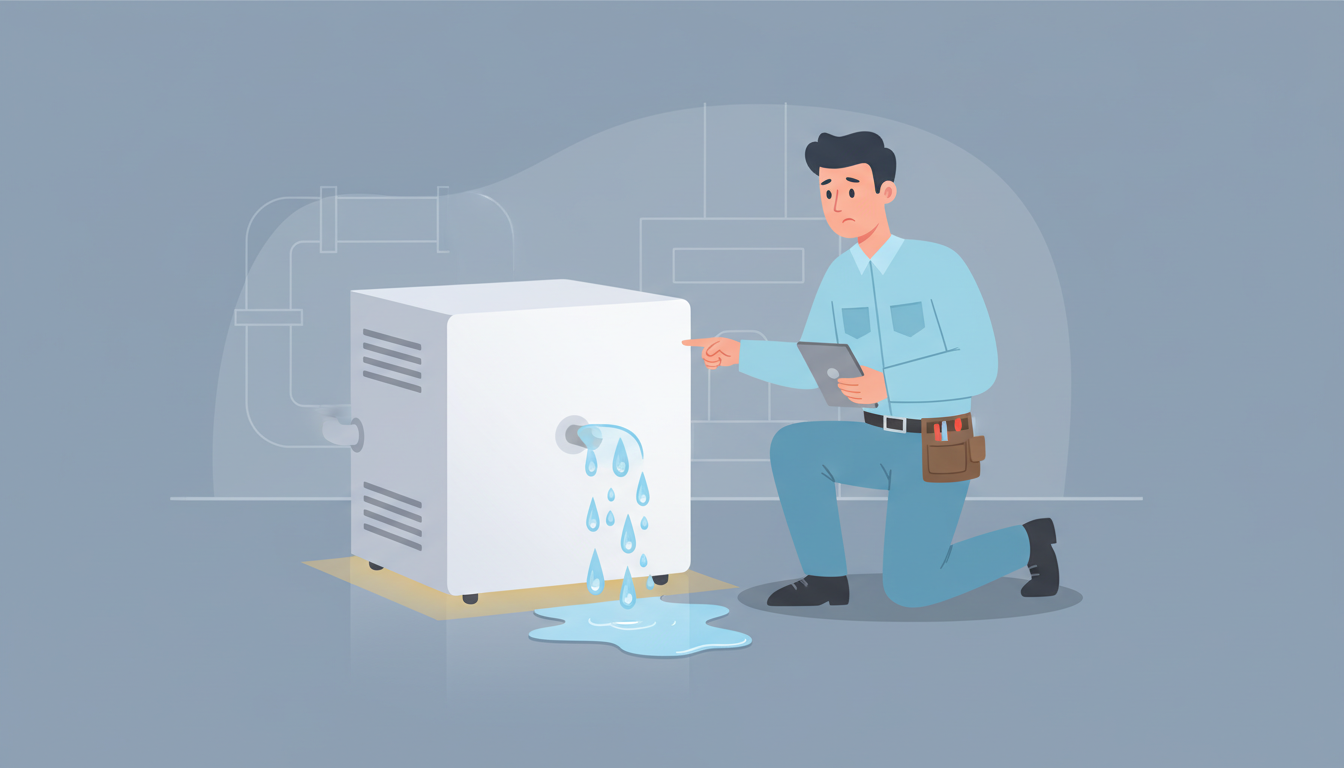
Discovering water pooling around your HVAC system can be alarming. Not only does it signal something's wrong with your heating and cooling equipment, but it can also lead to serious water damage in your home if left unchecked. The good news? Most HVAC water leaks have identifiable causes and straightforward solutions. In this guide, we'll walk you through the most common reasons your HVAC system is leaking water and what you can do about it.
Understanding Why Your HVAC System Produces Water
Before we dive into the problems, it's helpful to understand that water production is actually normal for your air conditioning system. During the cooling process, your AC unit removes humidity from your indoor air. As warm air passes over the cold evaporator coil, moisture condenses into water droplets—similar to how water forms on a cold glass on a hot day.
This condensate typically collects in a drain pan beneath the evaporator coil and flows through a condensate drain line to exit your home. When this system works properly, you'll never see a drop of water. But when something goes wrong with this drainage process, water can back up and leak into your home.
The 7 Most Common Causes of HVAC Water Leaks
1. Clogged Condensate Drain Line
A clogged condensate drain line is the number one culprit behind HVAC system leaking water. Over time, algae, mold, dust, and debris accumulate inside the drain line, creating a blockage that prevents water from flowing out properly.
When the drain line gets clogged, condensate has nowhere to go. It backs up into the drain pan, eventually overflowing and leaking around your indoor air handler unit. You might notice water on the floor near your furnace or air handler, or even see moisture dripping from your ceiling if the unit is in your attic.
What You Can Do: For minor clogs, you can try clearing the drain line yourself. Locate the access point on your drain line (usually a PVC pipe with a cap), and use a wet/dry vacuum to suction out the blockage from the outdoor end of the pipe. You can also pour a cup of distilled vinegar down the drain line every few months to prevent algae growth. However, for stubborn clogs or if you're unsure about the process, it's best to contact a professional HVAC technician who can safely clear the line and prevent future issues.
2. Frozen Evaporator Coil
When your evaporator coil freezes, ice builds up on the coil surface. Once the system shuts off or the ice starts to melt, you're left with more water than your drain system can handle, causing an air conditioner water leak.
Several factors can cause your evaporator coil to freeze:
- Dirty air filters that restrict airflow over the coil
- Low refrigerant levels due to a leak in the system
- Blocked return air vents that limit air circulation
- Running the AC when outdoor temperatures are too low (below 60°F)
What You Can Do: First, turn off your AC system to allow the coil to thaw completely—this can take several hours. Check and replace your air filter if it's dirty (you should do this every 1-3 months anyway). Once the coil has thawed, you can restart the system. If the coil freezes again or you suspect low refrigerant, you'll need professional help to diagnose and fix the underlying issue.
3. Damaged or Rusted Drain Pan
Your HVAC system has a drain pan (sometimes two—a primary and a secondary overflow pan) that catches condensate from the evaporator coil. If you have an older AC unit (10-15 years or more), these metal drain pans can rust, crack, or develop holes over time.
A damaged drain pan can't hold water properly, allowing condensate to leak directly onto your floor or into your ceiling. This is especially common in units installed in attics where humidity levels are higher and metal components corrode faster.
What You Can Do: Inspect your drain pan with a flashlight. If you see visible rust, cracks, or holes, the pan needs to be replaced. While you might be tempted to use sealant or tape as a temporary fix, this rarely lasts long. Plan to have a professional replace the drain pan to prevent ongoing water damage.
4. Malfunctioning Condensate Pump
If your air handler is located in a basement or below the level where the drain line exits your home, your system needs a condensate pump to push water upward and out. When this pump fails or stops working, water can't drain properly and backs up into your system.
Signs of condensate pump failure include:
- Unusual buzzing or humming sounds from the pump
- Water accumulating around the pump
- The pump running continuously without draining water
What You Can Do: Check if the pump is receiving power and if the float switch (which activates the pump when water reaches a certain level) is working. Sometimes debris can jam the float switch. If the pump itself has failed, you'll need to replace it—this is typically a job for a professional, though condensate pumps are relatively inexpensive components.
5. Disconnected or Improperly Installed Drain Line
Sometimes the issue isn't a clog but rather a physical problem with the drain line itself. The line can become disconnected from the drain pan or air handler, or it may have been improperly installed with improper slope or pitch.
For water to flow properly through your condensate drain line, gravity needs to be on your side. The drain line should slope downward at least 1/4 inch per foot of horizontal run. If the line is installed level or slopes the wrong way, water won't drain efficiently.
What You Can Do: Visually inspect all visible sections of your drain line. Look for disconnected joints, sagging sections, or visible improper angles. If you find a disconnection, you may be able to reconnect and secure it with appropriate fittings. For installation issues, you'll need professional help to reconfigure the drain line correctly.
6. Dirty Air Filter Causing System Strain
A dirty air filter doesn't just contribute to frozen coils—it's worth calling out separately because it's one of the easiest issues to prevent. When your air filter gets clogged with dust, pet hair, and debris, it restricts airflow throughout your entire HVAC system.
This restricted airflow causes multiple problems:
- The evaporator coil gets too cold and freezes
- Your system works harder and less efficiently
- Moisture doesn't evaporate properly from the coil
- Excess condensation builds up and overwhelms the drainage system
What You Can Do: Make air filter replacement a regular habit. Mark your calendar to check your filter monthly during heavy-use seasons (summer and winter). Most 1-inch filters should be replaced every 1-3 months depending on factors like pets, allergies, and overall air quality. This simple maintenance step prevents many HVAC water leak problems before they start.
7. Low Refrigerant Levels
Your HVAC system relies on refrigerant to absorb heat from your indoor air. When refrigerant levels drop due to a leak in the system, the pressure inside the evaporator coil decreases. This causes the coil temperature to drop significantly, leading to ice formation.
As we discussed earlier, a frozen coil eventually melts and creates excess water that can overwhelm your drain system. Low refrigerant is also a sign of a leak somewhere in your system—refrigerant doesn't just "run out" like gasoline. If your refrigerant is low, there's a leak that needs to be found and repaired.
Signs of Low Refrigerant:
- Ice buildup on the evaporator coil or refrigerant lines
- Your AC runs constantly but doesn't cool effectively
- Hissing or bubbling sounds from the refrigerant lines
- Higher than normal energy bills
What You Can Do: Refrigerant leaks require professional repair. HVAC technicians have specialized equipment to detect leaks, repair them, and recharge your system with the correct amount of refrigerant. Never attempt to add refrigerant yourself—it's regulated by the EPA and requires certification to handle.
Additional Causes of HVAC Water Leaks
Improper System Installation
If your HVAC system is relatively new but experiencing water leaks, improper installation could be the culprit. Common installation mistakes include:
- Incorrectly sized drain lines
- Air handler not level (should be slightly tilted toward the drain)
- Missing or improperly installed drain pan
- Drain line without a proper trap or vent
Oversized AC Unit
An air conditioner that's too large for your home's square footage will cool the space quickly but won't run long enough to properly dehumidify the air. This "short cycling" can lead to moisture problems and inconsistent drainage. If you've recently replaced your AC unit and started noticing water issues, sizing could be the problem.
High Humidity and Excessive Condensation
During particularly humid weather, even a properly functioning HVAC system produces more condensate than usual. If your drain line is already partially clogged or your drain pan is undersized, this extra water can lead to overflow. This is especially common in humid climates or during summer months when both temperature and humidity are high.
Where Is the Water Coming From? Indoor vs. Outdoor Leaks
Understanding where you're seeing water can help identify the problem:
Water leaking inside your home near the air handler typically indicates:
- Clogged condensate drain line
- Overflowing drain pan
- Frozen evaporator coil (when melting)
- Disconnected drain line
- Failed condensate pump
Water leaking outside near the condenser unit is often normal during operation, as the system expels condensate outdoors. However, excessive water outside could indicate:
- Extremely high indoor humidity levels
- System working overtime due to inefficiency
- Drainage issues forcing water to exit improperly
If you're noticing your HVAC closet getting wet, this is definitely a sign of an indoor leak that needs immediate attention.
Immediate Steps to Take When You Discover an HVAC Water Leak
When you first notice water around your HVAC system, take these immediate steps:
- Turn off your HVAC system at the thermostat to prevent additional water accumulation
- Soak up standing water with towels or a wet/dry vacuum to prevent floor damage
- Locate the source if possible by checking the drain pan, drain line connections, and evaporator coil area
- Check your air filter and replace it if dirty
- Look for obvious issues like disconnected drain lines or a clearly full drain pan
- Call a professional if you can't identify or fix the problem yourself
Time is critical when dealing with HVAC water leaks. Water damage gets worse with HVAC leaks the longer they're left unaddressed. What starts as a small puddle can lead to mold growth, ceiling damage, flooring damage, and even structural issues if water seeps into walls or subfloors.
DIY Fixes vs. When to Call a Professional
Some HVAC water leak issues are simple enough for homeowners to handle:
Safe DIY Repairs:
- Replacing air filters
- Clearing visible debris from drain line openings
- Flushing drain lines with vinegar or a bleach solution
- Cleaning accessible drain pans
- Reconnecting obviously disconnected drain line sections
Call a Professional For:
- Refrigerant leaks and recharging
- Frozen coils that refreeze after initial troubleshooting
- Drain pan replacement
- Condensate pump replacement or repair
- Complex drain line reconfigurations
- Any issue involving electrical components
- Repeated problems that don't stay fixed
Working with HVAC systems involves electricity, refrigerant, and technical components. When in doubt, it's always safer and often more cost-effective in the long run to call an experienced HVAC repair professional.
Preventing Future HVAC Water Leaks
Prevention is always better than dealing with water damage and emergency repairs. Follow this maintenance schedule to keep your system leak-free:
Monthly:
- Check and replace air filters (every 1-3 months depending on conditions)
- Visually inspect the area around your indoor unit for moisture or standing water
Every 3 Months:
- Pour 1 cup of distilled vinegar down the condensate drain line to prevent algae growth
- Check that the drain line exit is clear and draining properly
Annually (Best Done Before Cooling Season):
- Schedule professional HVAC maintenance
- Have your technician inspect drain pans for damage
- Professionally clean condensate drain lines
- Check refrigerant levels and system pressures
- Verify condensate pump operation
- Inspect evaporator coil for dirt or damage
Every 3-5 Years:
- Consider replacing your condensate pump proactively (they typically last 5-7 years)
- Have drain pans inspected for rust or corrosion, especially on older systems
Regular maintenance catches small issues before they become big, expensive problems. A professional maintenance visit typically costs $75-150 but can save you hundreds or thousands in water damage repair and emergency service calls.
Understanding HVAC Water Leak Repair Costs
Repair costs for HVAC water leaks vary widely depending on the cause:
- Drain line cleaning: $75-200
- Air filter replacement: $15-50 (DIY) or $50-100 (professional)
- Drain pan replacement: $150-400
- Condensate pump replacement: $150-450
- Refrigerant leak repair and recharge: $225-1,500+ depending on location and amount needed
- Evaporator coil replacement: $600-2,000
Keep in mind that catching and fixing problems early almost always costs less than dealing with both the HVAC issue and resulting water damage to your home.
Frequently Asked Questions About HVAC Water Leaks
Is it normal for my AC to produce water?
Yes, it's completely normal for your air conditioner to produce condensate water as it removes humidity from your indoor air. However, this water should drain away through your condensate system without you ever seeing it. If you see water pooling around your unit, that indicates a drainage problem.
Can I just let my AC keep running with a small leak?
No, you should never ignore even a small HVAC water leak. What seems like a minor drip can quickly lead to significant water damage, mold growth, and more expensive HVAC repairs. Turn off your system and address the leak as soon as possible.
How often should I clean my AC drain line?
At minimum, you should flush your condensate drain line with vinegar or a mild bleach solution every 3 months during the cooling season. If you live in a humid climate or run your AC frequently, monthly maintenance is even better. Professional drain line cleaning during annual maintenance is also recommended.
Why does my HVAC only leak water sometimes?
Intermittent HVAC water leaks often indicate a partial drain line clog that allows some drainage but backs up during peak condensate production. They can also occur when humidity levels are particularly high or when your system runs for extended periods. Intermittent leaks still need to be fixed—they'll only get worse over time.
Can I use Drano or other chemical drain cleaners in my AC drain line?
No, never use commercial drain cleaners like Drano in your condensate drain line. These harsh chemicals can damage PVC drain pipes and HVAC components. Stick with distilled vinegar, a mild bleach solution (1 cup bleach to 1 gallon water), or specialized AC drain line tablets designed for HVAC systems.
Conclusion: Don't Ignore Your HVAC Water Leak
An HVAC system leaking water is more than just a nuisance—it's a warning sign that something in your cooling system isn't working correctly. Whether it's a simple clogged drain line or a more complex refrigerant issue, addressing the problem quickly protects both your HVAC system and your home from costly damage.
Start with the simple fixes: check your air filter, inspect visible drain line components, and ensure nothing is obviously disconnected or damaged. But don't hesitate to call a professional when the problem is beyond basic troubleshooting. Regular maintenance and quick action when problems arise will keep your HVAC system running efficiently and your home dry and comfortable all year long.
Need help diagnosing or fixing your HVAC water leak? Contact a qualified HVAC technician to get your system back to proper working order before water damage becomes a bigger problem than the leak itself.