What to Do When Your HVAC System Won't Switch to Heat
What to Do When Your HVAC System Won't Switch to Heat
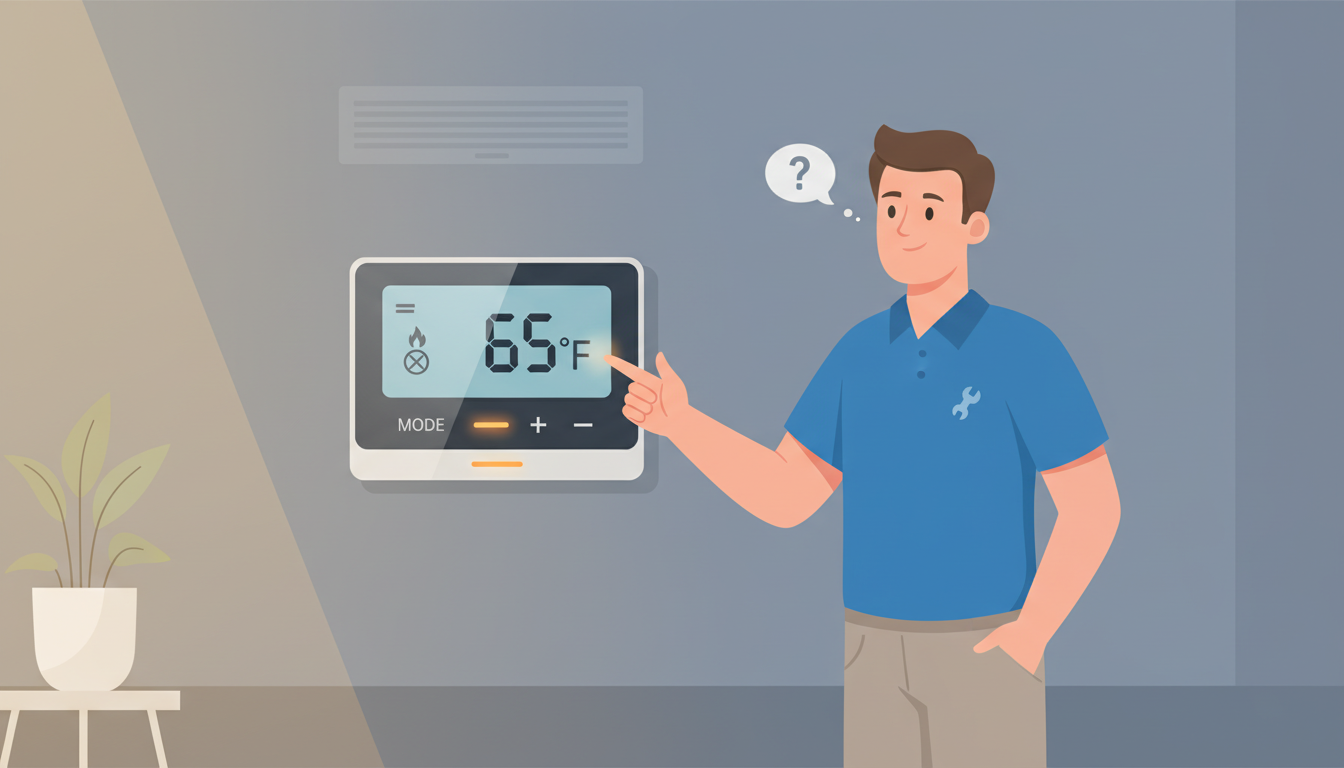
You flip your thermostat from cool to heat, wait a few minutes, and... nothing. The first cold snap of the season arrives, and your HVAC system refuses to switch to heating mode. Before you panic and call for expensive emergency service, there are several troubleshooting steps you can take to get your heat running again.
This comprehensive guide walks you through the most common reasons your HVAC system won't switch to heat and provides practical solutions you can try yourself. Whether you have a furnace, heat pump, or dual-fuel system, we'll help you diagnose the problem and determine when it's time to call a professional.
Understanding Why Your HVAC System Won't Switch to Heat
When your HVAC system won't change from cooling to heating mode, the problem typically falls into one of three categories: thermostat issues, electrical problems, or mechanical failures within your heating equipment. The good news? Many of these issues have simple fixes that don't require a technician.
Before diving into troubleshooting, it's important to understand that switching from cooling to heating mode involves more than just flipping a switch. Your system needs to completely reverse its operation, which activates different components and safety mechanisms. This complexity means there are multiple points where things can go wrong.
Quick Checks Before You Start Troubleshooting
Start with these basic checks that solve the problem in about 30% of cases:
- Wait 3-5 minutes after changing the thermostat setting. Most systems have a built-in delay to prevent damage from rapid cycling.
- Check the temperature setting. Make sure you've set the target temperature at least 3-5 degrees higher than the current room temperature.
- Look for error codes. Many modern thermostats display error messages or codes that point directly to the problem.
- Listen for any sounds. Clicking, humming, or other noises can indicate the system is trying to start but encountering an issue.
Check Your Thermostat Settings and Power
Your thermostat is the command center for your entire HVAC system. If it's not properly configured or lacks power, your system won't know it needs to switch to heating mode.
Verify the Mode Setting
This might sound obvious, but it's the most common issue: make sure your thermostat is actually set to "Heat" and not "Cool," "Off," or "Auto." On many thermostats, the Auto setting only controls the fan, not the operating mode.
For heat pumps, you may need to manually switch between cooling and heating modes. Some systems don't automatically detect when you need heat based solely on the temperature setting.
Replace Thermostat Batteries
Low batteries cause erratic behavior in battery-powered thermostats. Even if your display is still visible, weak batteries can prevent proper communication with your HVAC system. Replace batteries at least once a year, ideally before heating season begins.
Check the C-Wire Connection
Smart thermostats like Nest, Ecobee, and Honeywell Home require continuous power through a C-wire (common wire). If your C-wire is loose or disconnected, your thermostat may power on using its battery but lack enough power to activate your heating system. Check the wiring connections at both the thermostat and the HVAC control board.
Reset Your Thermostat
Sometimes a simple reset clears software glitches. Remove your thermostat from the wall plate for 30 seconds, then reinstall it. For smart thermostats, consult your manual for the specific reset procedure.
Inspect Electrical Components and Power Supply
Electrical issues frequently prevent HVAC systems from switching modes. These checks take just a few minutes but solve many heating failures.
Check the Circuit Breaker
Locate your main electrical panel and find the breakers labeled for your furnace, air handler, or heat pump. If a breaker has tripped, it will be in the middle position or switched to "Off." Reset it by flipping it fully off, then back on.
Many homes have separate breakers for the furnace and the air conditioning condenser. Both may need to be on for your system to operate properly, even in heating mode.
Verify the Furnace Power Switch
Your furnace has a dedicated power switch that looks like a regular light switch, usually located on or near the unit. This switch gets accidentally bumped off surprisingly often, especially if you store items near your furnace. Make sure it's in the "On" position.
Check the Furnace Door Safety Switch
Most modern furnaces have a safety switch that prevents operation when the access panel isn't properly secured. If you recently changed your air filter or performed maintenance, make sure the furnace door is completely closed and latched. Even a slight gap can prevent your system from running.
Replace or Clean Your Air Filter
A clogged air filter is one of the most common reasons for HVAC system heat issues. When airflow becomes restricted, your system can overheat and trigger safety switches that shut down heating operation.
How a Dirty Filter Prevents Heating
When your filter is clogged with dust, pet hair, and debris, your furnace or air handler can't pull enough air through the system. This restriction causes the heat exchanger to overheat, triggering the high-limit switch. This safety device shuts off the burners to prevent damage or fire risk.
Some systems won't even attempt to start heating if they detect insufficient airflow. This is particularly common with high-efficiency furnaces and heat pumps.
Filter Replacement Guidelines
Check your filter monthly and replace it when it looks dirty—typically every 1-3 months depending on your environment. Homes with pets, allergies, or ongoing construction need more frequent changes.
Make sure you install the new filter in the correct direction. The arrow on the filter frame should point toward the furnace or air handler, indicating the direction of airflow.
Troubleshoot Gas Supply Issues (For Gas Furnaces)
If you have a gas furnace, problems with your gas supply will definitely prevent your system from producing heat.
Check the Gas Valve
Follow the gas line to your furnace and locate the gas shutoff valve. The handle should be parallel to the gas pipe, indicating it's open. If it's perpendicular (at a 90-degree angle), the valve is closed. Turn it to the open position.
Important Safety Note: If you smell the distinctive rotten egg odor of natural gas, do not attempt any troubleshooting. Leave your home immediately and call your gas company or 911 from a safe location outside.
Inspect the Pilot Light (Older Furnaces)
Older furnaces use a standing pilot light that burns continuously. If this flame goes out, your furnace can't ignite the burners. Look through the viewing window on your furnace for a small blue flame. If it's out, consult your furnace manual for relighting instructions.
Most modern furnaces use electronic ignition instead of pilot lights, so this only applies to systems more than 15-20 years old.
Listen for the Igniter
Modern furnaces use either a hot surface igniter or an electronic spark ignition. When your thermostat calls for heat, you should hear clicking sounds as the igniter activates, followed by a whooshing sound when the burners light. If you hear clicking but no ignition, the igniter itself may have failed.
Address Heat Pump-Specific Issues
Heat pumps work differently than furnaces. They use a reversing valve to switch between cooling and heating modes. When this component fails or gets stuck, your heat pump won't switch to heating mode.
Understanding the Reversing Valve
The reversing valve changes the direction of refrigerant flow to switch between heating and cooling. If this valve sticks in cooling mode, your system will continue blowing cool air even when set to heat.
You might hear a hissing or clicking sound when the reversing valve activates (usually 30-60 seconds after changing modes). If you don't hear this sound, the valve may be stuck or the solenoid controlling it may have failed.
Check for Ice Buildup
Heat pumps can develop ice on the outdoor coil during heating operation, especially in temperatures below 40°F. A small amount of frost is normal, but heavy ice buildup indicates a problem. Your system should periodically enter defrost mode to melt this ice.
If the outdoor unit is completely encased in ice, turn the system off and let it thaw completely before attempting to run it again. Continued operation can damage the compressor.
Try the Emergency Heat Setting
Most heat pump thermostats have an "Emergency Heat" or "E-Heat" setting. This bypasses the heat pump and runs your backup heating source (usually electric resistance heat or a furnace). If emergency heat works but regular heat doesn't, the problem is definitely with your heat pump or reversing valve.
Note: Emergency heat is expensive to operate, so only use it temporarily while you arrange for repair.
Reset Safety Switches and Sensors
Modern HVAC systems have multiple safety switches that shut down operation when they detect dangerous conditions. Sometimes these switches need to be manually reset.
High-Limit Switch
The high-limit switch shuts off the burners if your heat exchanger gets too hot. This usually happens due to restricted airflow (dirty filter) or a faulty blower motor. After addressing the underlying cause, you may need to press the reset button, typically located on the burner assembly.
Flame Sensor (Gas Furnaces)
The flame sensor is a safety device that confirms the burners have ignited before allowing gas to continue flowing. Over time, this sensor gets coated with carbon deposits and can't detect the flame properly.
You can clean the flame sensor yourself with fine-grit sandpaper or steel wool. It's a thin, metallic rod positioned in the flame path of the burners. Gently clean the sensor surface until it's shiny, being careful not to bend it.
Condensate Drain Safety Switch
High-efficiency furnaces produce condensation that must drain away. If the drain becomes clogged, water backs up and triggers a safety switch that prevents operation. Check the condensate drain line for blockages, particularly if your furnace has been sitting unused all summer.
Know When Your HVAC System Needs Professional Repair
While many heating issues can be resolved with basic troubleshooting, some problems require professional expertise and specialized tools.
Call an HVAC Professional If:
- You smell gas anywhere in your home
- Your circuit breaker trips repeatedly when you reset it
- You see visible damage to electrical wiring or components
- Your furnace makes loud banging, screeching, or grinding noises
- You've tried all the troubleshooting steps and still have no heat
- Your system is more than 15 years old and frequently fails
- You see cracks in the heat exchanger or signs of carbon monoxide
Professional HVAC technicians have diagnostic tools to measure gas pressure, electrical voltage, refrigerant levels, and other critical parameters you can't check yourself. They can also safely work with high-voltage electricity and gas systems.
For comprehensive guidance on common HVAC problems, check out our complete HVAC repair guide.
Preventive Maintenance to Avoid Future Heating Problems
The best solution to heating failures is preventing them in the first place. Regular maintenance keeps your system running reliably and catches small problems before they become expensive emergencies.
Seasonal HVAC Checkups
Schedule professional maintenance twice a year: once before cooling season and once before heating season. During a heating tune-up, your technician will:
- Clean and adjust the burners
- Test the ignition system
- Inspect the heat exchanger for cracks
- Check refrigerant levels (for heat pumps)
- Test safety switches and sensors
- Measure temperature rise across the heat exchanger
- Lubricate moving parts
- Tighten electrical connections
- Clean the blower assembly
DIY Maintenance Tasks
Between professional visits, you can perform these simple maintenance tasks:
- Change your air filter every 1-3 months
- Keep the area around your furnace clear of storage items
- Vacuum dust from air vents and returns
- Check for unusual sounds or smells when the system runs
- Test your thermostat settings at the start of each season
- Clear leaves and debris from around the outdoor heat pump unit
If your system has been heating unevenly throughout your home, read our guide on why HVAC systems heat unevenly for targeted solutions.
Consider a Maintenance Plan
Many HVAC companies offer annual maintenance plans that include priority service, discounts on repairs, and scheduled tune-ups. These plans typically pay for themselves in improved efficiency and prevented breakdowns.
Understanding Emergency Heat vs. Auxiliary Heat
Many homeowners get confused by the emergency heat and auxiliary heat settings on heat pump thermostats. Understanding the difference helps you troubleshoot more effectively.
Auxiliary Heat (Auto Mode)
Auxiliary heat automatically kicks in when your heat pump can't keep up with heating demand. This typically happens when outdoor temperatures drop below your heat pump's effective operating range (usually 35-40°F). The system uses both the heat pump and the backup heat source simultaneously.
This is normal operation and nothing to worry about. You might notice your "Aux Heat" light turning on during very cold weather or when you first start up the system.
Emergency Heat (Manual Override)
Emergency heat completely shuts off the heat pump and runs only the backup heating source. You manually activate this mode when your heat pump has failed or isn't working properly. It's called "emergency" because it's expensive to operate and should only be used temporarily.
If you find yourself running emergency heat regularly, your heat pump needs repair or replacement.
FAQ About HVAC Systems That Won't Switch to Heat
How long should it take for heat to come on after switching from cool?
Most HVAC systems have a 3-5 minute delay after switching modes to allow pressures to equalize and prevent damage. You should feel warm air within 5-10 minutes of changing to heat mode. If nothing happens after 15 minutes, there's definitely a problem.
Can a dirty air filter prevent my system from switching to heat?
Yes, absolutely. A severely clogged filter restricts airflow, which can trigger safety switches that prevent the system from operating. The high-limit switch specifically shuts down heating operation when it detects insufficient airflow that could cause overheating.
Why does my thermostat say "heat on" but nothing happens?
This indicates your thermostat is working and calling for heat, but your heating equipment isn't responding. The problem is likely a tripped breaker, failed component in the furnace or heat pump, malfunctioning safety switch, or loss of gas/power to the heating unit.
What's the difference between "auto" and "heat" on my thermostat?
The "auto" setting controls your fan operation—it runs the fan only when heating or cooling is active. You still need to set the mode to "heat" or "cool" separately. Some people assume "auto" means the system will automatically heat or cool as needed, but on most thermostats, it only affects the fan.
Do I need to do anything special when switching from AC to heat for the first time each year?
Yes, a few simple steps help ensure smooth operation: replace your air filter, clear any debris from around your outdoor unit, check that your gas valve is open (for gas furnaces), and test the system a few days before you actually need heat. This gives you time to address problems before cold weather arrives.
Take Action to Restore Your Heat
When your HVAC system won't switch to heat, start with the simplest solutions first. Check your thermostat settings, replace your air filter, and verify power to your equipment. These basic steps solve the majority of heating problems without requiring professional help.
If you've worked through this troubleshooting guide and still don't have heat, it's time to call a qualified HVAC technician. They have the expertise and tools to diagnose complex issues like failed components, refrigerant leaks, or control board problems.
Don't let a cold home disrupt your comfort. Whether you tackle the fix yourself or call in a professional, addressing heating problems quickly prevents further damage and keeps your energy bills in check. Regular maintenance remains the best insurance against unexpected heating failures when you need your system most.