Why Does My HVAC System Work After a Reset but Fail Again?
Why Does My HVAC System Work After a Reset but Fail Again?
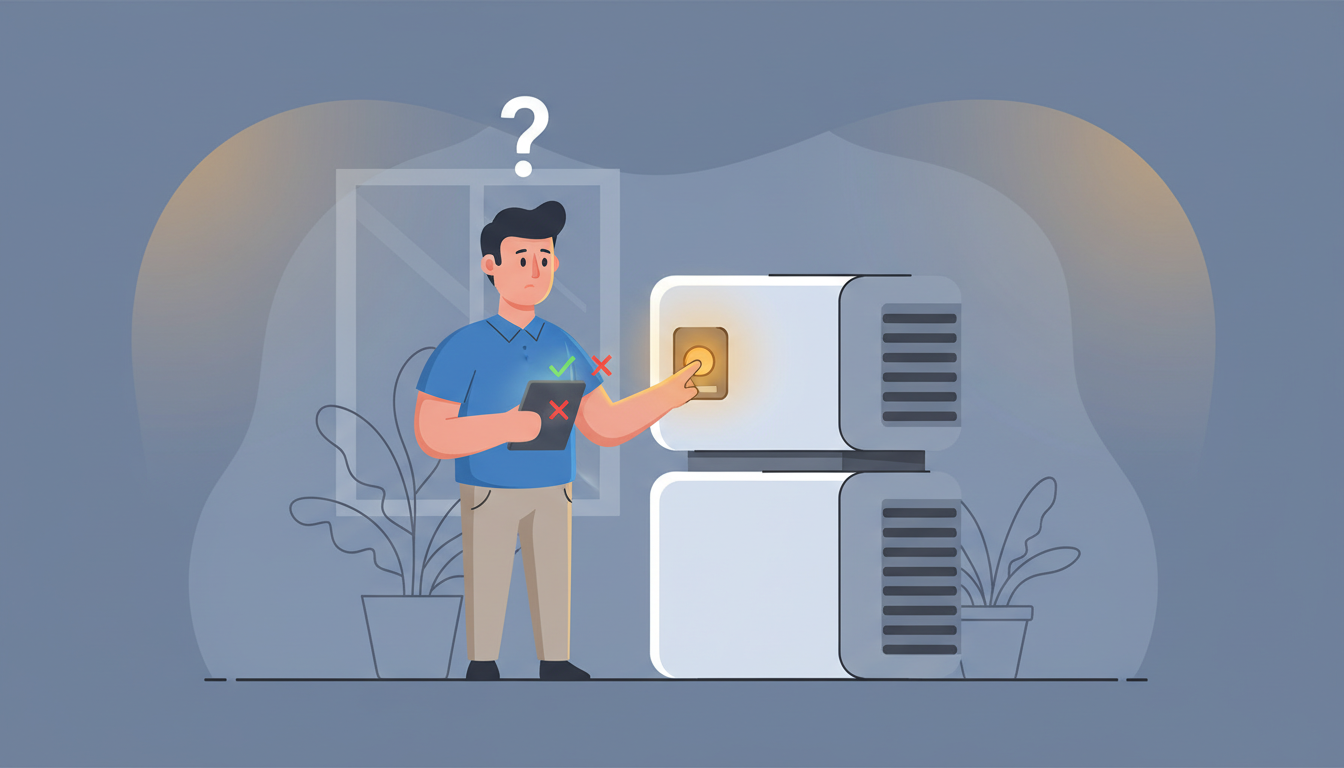
You've just reset your air conditioner for the third time this week, and it's working again—but for how long? If your HVAC system works after a reset but fails again within hours or days, you're not dealing with a simple glitch. You're experiencing a warning sign that something deeper is wrong with your system.
When your AC keeps shutting off after reset, the reset button or circuit breaker isn't fixing the problem—it's just temporarily bypassing a safety mechanism designed to protect your equipment from further damage. Understanding why this pattern happens can save you from costly repairs, uncomfortable nights, and potential system failure.
What Actually Happens When You Reset Your HVAC System
Resetting your HVAC system—whether by flipping the circuit breaker, pressing the reset button on the outdoor unit, or power cycling your thermostat—does one main thing: it clears any error codes or safety triggers that caused your system to shut down.
Modern HVAC systems have built-in safety switches and limit switches that monitor temperature, pressure, and electrical flow. When these sensors detect dangerous conditions like overheating, electrical overload, or abnormal pressure, they automatically shut the system down to prevent catastrophic failure or fire hazards.
When you reset the system, you're essentially acknowledging the error and telling the system to try again. If the underlying problem still exists, the safety mechanism will trip again—sometimes within minutes, sometimes after a few hours of operation.
Why Your HVAC System Keeps Failing After a Reset
The frustrating cycle of reset-run-fail-repeat happens because resetting doesn't address the root cause. Your system is trying to protect itself from damage, and each time it shuts down, it's responding to a real problem. Here's what's likely happening behind the scenes.
The Safety System Is Doing Its Job
Your HVAC system's safety switches aren't malfunctioning—they're detecting actual problems. Each shutdown is triggered by conditions like excessive heat, electrical current spikes, or pressure abnormalities. The reset gives your system a fresh start, but once conditions deteriorate again during operation, the safety switch trips once more.
The Problem Is Intermittent
Many HVAC issues don't exist when the system is off. A failing capacitor might have just enough charge to start the compressor after a reset, but it can't sustain operation. Dirty condenser coils might not cause overheating immediately, but after 30 minutes of runtime in hot weather, temperatures climb into the danger zone. These intermittent problems make diagnosis tricky without professional testing.
The Issue Gets Worse With Each Cycle
Some problems are progressive. A refrigerant leak doesn't empty your system instantly—it slowly depletes coolant levels over weeks. Low refrigerant causes the compressor to work harder, which generates more heat, which triggers the safety switch more frequently. Each cycle of operation stresses already-compromised components.
Common Root Causes: What's Really Wrong
Let's dive into the specific problems that cause HVAC systems to fail repeatedly after resets. Identifying your symptoms can help you understand what needs professional attention.
1. Electrical Issues That Trip Your Breaker
If your air conditioner trips the breaker repeatedly, you're dealing with an electrical problem. The circuit breaker is designed to cut power when it detects an electrical overload—too much current flowing through the circuit. This protects your home's wiring from overheating and potential fire.
Common electrical culprits:
-
Failing capacitor: The capacitor provides the electrical boost needed to start your compressor and fan motors. When it weakens, the motor draws excessive current trying to start, which trips the breaker. You might hear a humming sound before the breaker trips.
-
Dirty air filter: A severely clogged filter restricts airflow, forcing the blower motor to work harder and draw more amps than normal. The combination of reduced cooling and increased electrical draw creates multiple problems.
-
Bad contactor: The contactor is an electrical relay that controls power to the compressor. When contactor contacts weld together or develop pitting, they create resistance that generates heat and increases current draw.
-
Loose wiring or connections: Vibration over time can loosen electrical connections. Loose wires create resistance, generate heat, and cause erratic power delivery that triggers safety switches.
-
Compressor short cycling: A failing compressor that rapidly cycles on and off creates huge current spikes each time it attempts to start. This pattern frequently trips breakers.
Learn more about why your HVAC breaker keeps tripping and how to diagnose electrical issues.
2. Compressor Problems and Short Cycling
The compressor is the heart of your AC system, and when it's struggling, the symptoms are unmistakable. Short cycling—when the compressor runs for just a few minutes before shutting off—is one of the clearest signs of compressor distress.
What causes compressor short cycling:
-
Overheating: Compressors generate significant heat during operation. Without proper cooling from refrigerant circulation and condenser airflow, internal temperatures climb rapidly. The thermal overload switch cuts power before damage occurs.
-
Low refrigerant levels: When refrigerant is low due to leaks, the compressor can't move heat effectively. It runs constantly trying to cool your home, overheats, and shuts down.
-
Refrigerant overcharge: Too much refrigerant creates excessive pressure in the system. High-pressure switches detect this and shut the system down to prevent compressor damage.
-
Mechanical failure: Internal compressor components (pistons, valves, bearings) can wear out. A failing compressor might start after a reset when it's cool, but seize up once operating temperatures rise.
3. Dirty Coils Causing System Overheating
Both your indoor evaporator coil and outdoor condenser coil need clean surfaces to transfer heat efficiently. Dirty coils are one of the most common—and most preventable—causes of repeated shutdowns.
How dirty coils cause failures:
The condenser coil in your outdoor unit releases heat from your home to the outside air. When it's covered with dirt, pollen, grass clippings, or cottonwood seeds, it can't release heat effectively. This causes:
- Rising refrigerant pressure as heat builds up in the system
- Compressor overheating as it works against higher pressures
- High-pressure switch activation that shuts the system down
After a reset, the system cools down and pressure drops temporarily. But once you restart, the dirty coils quickly cause the same pressure and temperature problems.
The evaporator coil inside your home faces similar issues. Dust accumulation from a dirty air filter reduces heat absorption, which can cause the coil to freeze. A frozen coil blocks airflow, and when it thaws (during a shutdown), the water can trigger safety switches.
4. Thermostat Malfunctions Creating False Signals
Sometimes the problem isn't with your HVAC system at all—it's with the thermostat sending incorrect signals. A malfunctioning thermostat can create a pattern that looks like system failure but is actually miscommunication.
Thermostat issues that cause shutdowns:
-
Incorrect calibration: If the thermostat temperature sensor reads incorrectly, it might think your home has reached the set temperature when it hasn't, causing premature shutdowns.
-
Loose wiring: Corroded or loose thermostat wires can create intermittent connections. The system might start after a reset, but vibration or temperature changes cause the connection to fail again.
-
Bad placement: Thermostats in direct sunlight, near heat sources, or in dead air spaces get false temperature readings that cause erratic system behavior.
-
Aging batteries: In battery-powered thermostats, low batteries can cause erratic signals that make your system behave unpredictably.
5. Refrigerant Leaks Leading to Progressive Failure
Refrigerant doesn't get "used up"—it circulates in a closed loop. If levels are low, you have a leak. Low refrigerant creates a cascade of problems that worsen over time.
The low refrigerant failure pattern:
When refrigerant levels drop, your evaporator coil gets too cold and freezes. Ice blocks airflow, which means no heat absorption, which means no cooling. The compressor runs continuously trying to cool your home, but it's just pumping refrigerant through an ice-blocked system.
The compressor overheats from continuous operation without proper cooling. Eventually, the thermal overload switch trips and shuts everything down. After the reset, the ice melts, the system seems to work, but the leak ensures the cycle repeats—each time getting shorter as refrigeant levels continue to drop.
Low refrigerant also causes the compressor to work against improper pressures, which damages internal components and can lead to complete compressor failure.
6. Aging Capacitors That Can't Maintain Operation
The capacitor is one of the most common failure points in HVAC systems, particularly in older units or areas with frequent power surges. This component stores electrical energy and releases it in powerful bursts to start motors and keep them running.
Signs your capacitor is failing:
- System starts after reset but shuts down after 5-15 minutes
- Humming sound from outdoor unit that doesn't progress to compressor starting
- Fan spinning slowly or not at all
- Clicking sounds as the contactor tries to engage but can't
A weak capacitor might have just enough charge after sitting idle to get the system started, but it can't sustain the electrical requirements during operation. The motor starves for power, overheats, and triggers the safety switch.
Capacitors typically last 10-20 years but can fail sooner due to heat exposure, voltage fluctuations, or manufacturing defects. They're relatively inexpensive to replace but require professional service due to their high-voltage charge.
How to Identify Your Specific Problem
You don't need HVAC training to gather clues about what's failing. Pay attention to these diagnostic indicators:
If your system shuts down after 5-15 minutes: Likely overheating issue—check for dirty coils, low airflow from clogged filter, or failing capacitor.
If the circuit breaker trips immediately or within seconds: Electrical short, bad compressor, or severe overload. Don't keep resetting—call a professional immediately.
If it runs for several hours before shutting down: Progressive problem like refrigerant leak, dirty coils causing slow heat buildup, or thermostat calibration issues.
If you hear unusual noises before shutdown: Grinding or squealing suggests mechanical failure in motor bearings. Clicking might indicate contactor or relay problems. Hissing could mean refrigerant leak.
If it only fails on hot days: Your system is undersized for the load, condenser coils are dirty reducing heat rejection capacity, or refrigerant levels are low.
If the outdoor fan runs but compressor doesn't start: Failed capacitor, bad compressor, or contactor problem.
For guidance on diagnosing and fixing these issues, check out our comprehensive HVAC repair guide.
What NOT to Do When Your System Keeps Failing
When you're frustrated and hot, it's tempting to try anything. Here's what to avoid:
Don't keep resetting indefinitely. Each reset-fail cycle puts stress on electrical components and can turn a minor problem into a major failure. If you're resetting more than twice in 24 hours, stop and call for service.
Don't ignore burning smells. If you smell burning plastic, oil, or electrical odors, shut down the system completely at the circuit breaker and call emergency HVAC service. This indicates dangerous electrical problems or motor failure.
Don't attempt capacitor replacement yourself. Capacitors store deadly high-voltage charges even when power is disconnected. Professional technicians have tools to safely discharge them.
Don't add refrigerant without finding the leak. Some homeowners buy refrigerant cans thinking they can top off the system. This is illegal in many areas without proper certification, and it doesn't fix the leak that caused the low level.
Don't run your system with obviously frozen coils. If you see ice on the indoor or outdoor unit, turn the system off and let it thaw completely (2-4 hours). Running with frozen coils damages the compressor.
Preventing Repeated HVAC Failures
Once you've addressed the immediate problem, these preventive steps will help avoid future reset-fail cycles:
1. Replace air filters monthly during heavy-use seasons. This single action prevents most airflow-related problems and extends equipment life.
2. Keep outdoor unit clear and clean. Maintain 2 feet of clearance around the condenser. Hose down the coils monthly during summer to prevent dirt buildup.
3. Schedule annual professional maintenance. A technician will check refrigerant levels, test capacitors and contactors, clean coils, lubricate motors, and tighten electrical connections before problems cause failures.
4. Install a surge protector. Power surges from lightning or grid fluctuations damage capacitors and control boards. A whole-system surge protector costs $200-400 and protects expensive HVAC components.
5. Upgrade your thermostat. Modern programmable or smart thermostats maintain better temperature control and can alert you to system problems before they become emergencies.
6. Address storm damage promptly. If your HVAC system exhibits new problems after a storm, have it inspected immediately. Learn what to do when your HVAC system stops working after a storm.
When to Call an HVAC Professional
While resetting is a reasonable first troubleshooting step, certain situations demand immediate professional attention:
- System requires reset more than once per day
- Circuit breaker trips repeatedly
- You smell burning odors or see smoke
- Ice forms on indoor or outdoor coils
- System is more than 15 years old and showing declining performance
- Refrigerant lines show signs of oil leaks
- Outdoor fan or indoor blower won't run
- System makes grinding, squealing, or banging noises
An HVAC technician has the tools to measure refrigerant pressures, test electrical components, check amp draw on motors, and diagnose problems that aren't visible to homeowners. Most importantly, they can fix issues safely without risking electrical shock or refrigerant exposure.
The cost of a diagnostic call ($75-200) is a fraction of the cost of replacing a compressor ($1,500-2,500) or the entire system ($5,000-10,000+). Early professional intervention saves money and prevents the kind of catastrophic failures that leave you without cooling during the hottest days of summer.
Frequently Asked Questions
How many times can I safely reset my HVAC system?
Once or twice is reasonable for troubleshooting. If the problem persists after two resets within 24 hours, stop resetting and call a professional. Continued resets stress electrical components and can cause secondary failures.
Will resetting my HVAC damage it?
The reset itself won't cause damage, but repeatedly resetting a system with underlying problems creates electrical stress and overheating that can shorten component life or turn minor issues into major failures.
How long should my AC run before shutting off normally?
In normal operation, your AC should run for 15-20 minutes per cycle to properly dehumidify and cool your home. If it's shutting off after just 5-10 minutes (short cycling), something is wrong.
Can low batteries in my thermostat cause this problem?
Yes. Low batteries can cause intermittent connections and erratic signals. Replace thermostat batteries annually, even if they seem to be working, to eliminate this simple possibility.
Why does my HVAC only fail on hot days?
Hot weather increases the load on your system and reduces its cooling efficiency. Problems like dirty condenser coils, low refrigerant, or undersized equipment become symptomatic when outdoor temperatures exceed 90-95°F because the system can't reject heat effectively.
Is this covered under my HVAC warranty?
Most manufacturers provide 5-10 year parts warranties, with compressors often covered for 10 years. However, labor typically isn't covered, and warranties may be voided if you didn't register your equipment or maintain annual professional service. Check your documentation or contact the manufacturer.
Take Action Before Your System Fails Completely
Your HVAC system works after a reset but fails again because it's trying to tell you something is wrong. Safety switches don't trip randomly—they respond to real conditions that threaten your equipment. Ignoring these warnings leads to more expensive repairs, shorter equipment life, and the risk of complete system failure during the hottest days of the year.
The good news is that most causes of repeated HVAC failures are repairable with professional service. Capacitors, contactors, and refrigerant leaks are common problems with known solutions. Even dirty coils and clogged filters—which homeowners can address themselves—resolve many reset-fail cycles.
Don't wait for your system to fail permanently. If you're stuck in a pattern where your AC keeps shutting off after reset, schedule a professional diagnostic today. An experienced HVAC technician can identify the root cause, fix the problem correctly, and help you implement preventive maintenance to avoid future breakdowns.
Your comfort, safety, and wallet will thank you for addressing this issue now rather than during the next heat wave.