Why HVAC Systems Break Down During Peak Summer and Winter
Why HVAC Systems Break Down During Peak Summer and Winter
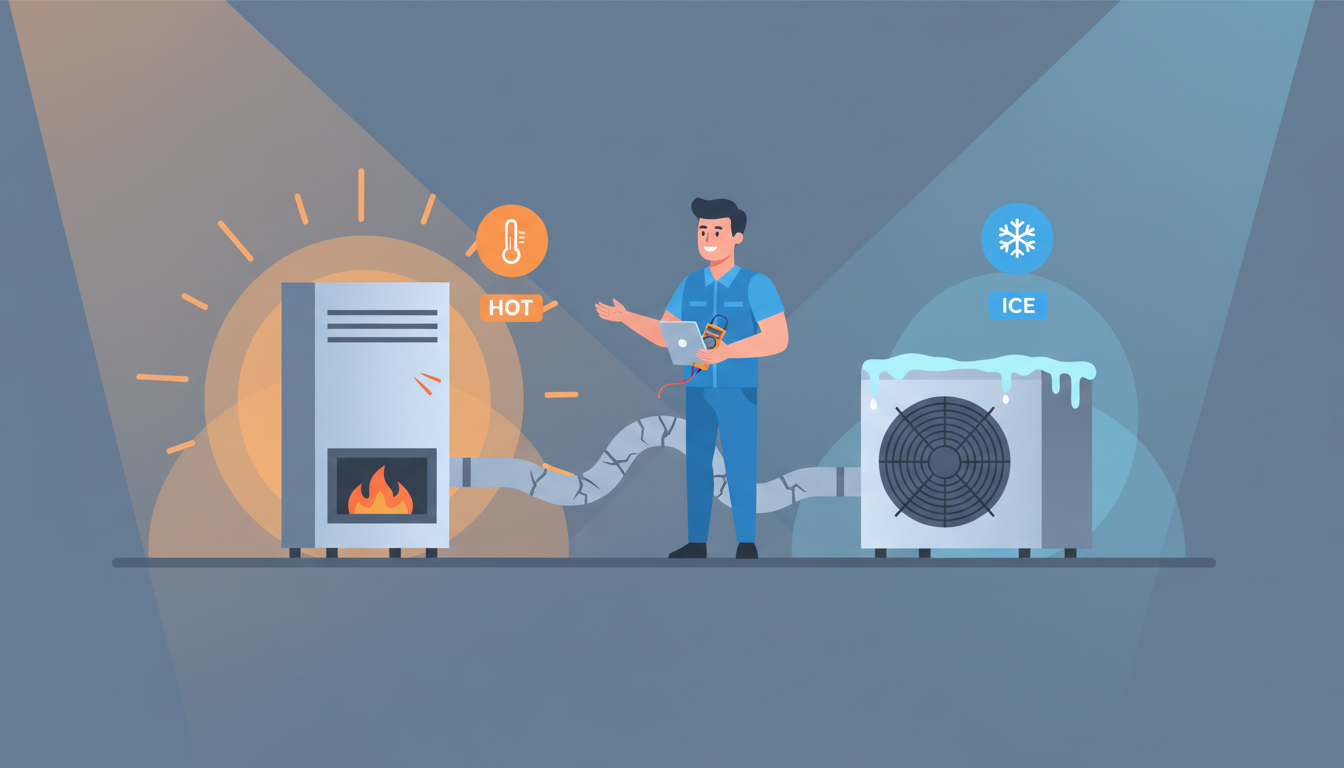
Your air conditioner quits on the hottest day of the year. Your furnace stops working during a winter freeze. Sound familiar? You're not alone—HVAC systems break down most often during peak summer and winter when you need them the most.
Understanding why your heating and cooling system fails during extreme weather can help you prevent costly emergency repairs and keep your family comfortable year-round. Let's explore the real reasons behind these frustrating breakdowns and what you can do to avoid them.
The Perfect Storm: Why Peak Seasons Are Hard on HVAC Systems
Peak summer and winter put extreme stress on your HVAC system in ways that mild weather never does. Your air conditioner or furnace runs continuously for hours or even days at a time, pushing every component to its absolute limit.
Think of it like asking a marathon runner to sprint for 12 hours straight. Eventually, something's going to give.
Extreme Temperatures Push Systems Beyond Design Limits
Most HVAC systems are designed to handle moderate temperature differences between indoors and outdoors. When outdoor temperatures soar above 95-100°F in summer or drop below freezing in winter, your system has to work exponentially harder to maintain comfort.
On a 105°F day, your air conditioner struggles to dump heat outside because there's such a small temperature difference between the hot refrigerant and the even hotter outdoor air. The compressor runs longer, gets hotter, and faces increased risk of failure.
During winter cold snaps, heat pumps lose efficiency dramatically when temperatures drop below 25-30°F. Furnaces must cycle more frequently, and every component from the blower motor to the heat exchanger experiences thermal stress.
Continuous Runtime Creates Cascade Failures
When HVAC systems run 12-16 hours per day during peak seasons, wear accelerates rapidly. A component that was already weakening—a capacitor nearing end of life, a motor with worn bearings, or a refrigerant line with a tiny leak—will likely fail under sustained load.
What makes peak season breakdowns particularly frustrating is the cascade effect. When one component fails, it often triggers problems in connected systems. A clogged air filter forces the blower motor to work harder, which can overheat the motor and trip safety switches, shutting down your entire system.
Emergency HVAC repair during peak season typically costs 25-50% more than off-season service because of high demand and after-hours call-out fees.
Summer-Specific HVAC Failures: What Goes Wrong in the Heat
Air conditioners face unique challenges when outdoor temperatures spike. Understanding these summer-specific failure modes can help you spot warning signs before a complete breakdown.
Compressor Overheating and Failure
Your AC compressor is the heart of the cooling system, and it's also the most expensive component to replace. During heat waves, compressors work overtime and generate tremendous heat.
When outdoor temperatures exceed 100°F, the compressor can overheat even with proper refrigerant levels. Heat causes the compressor's internal lubricant to break down, increasing friction and wear on moving parts.
Warning signs of compressor problems:
- System runs constantly but doesn't cool effectively
- Unusual grinding, squealing, or chattering noises from outdoor unit
- Circuit breaker trips repeatedly
- Hard starting (struggles to turn on)
Capacitor Failure in Extreme Heat
Capacitors provide the electrical boost needed to start your compressor and fan motors. These small cylindrical components are extremely heat-sensitive and have a limited lifespan that decreases rapidly in hot conditions.
A capacitor that might last 10-15 years in moderate climates can fail in just 5-7 years in hot regions. Summer heat accelerates capacitor degradation, making this one of the most common summer AC failures.
The good news? Capacitor replacement is relatively inexpensive ($150-400) compared to major component failures, but only if you catch it early.
Frozen Evaporator Coils
It seems counterintuitive, but air conditioners can actually freeze up in the summer. When airflow over the indoor evaporator coil is restricted—usually by dirty air filters, blocked return vents, or blower fan problems—the coil gets too cold and ice forms.
Frozen coils can't absorb heat from your home, so your AC runs constantly without cooling. If you ignore the problem, the ice can damage the coil fins and lead to compressor failure when liquid refrigerant floods back to the compressor.
Refrigerant Leaks Worsen in Summer
Small refrigerant leaks that went unnoticed during spring can become critical problems when your AC runs constantly in summer. Low refrigerant levels force your system to run longer to achieve the same cooling, increasing wear on all components.
Refrigerant leaks don't fix themselves and will progressively worsen. Modern refrigerants (R-410A) are more expensive than older types, making leak repairs and recharges costlier than ever.
Electrical Component Failures
Summer heat affects more than just mechanical components. Contactors, relays, control boards, and wiring connections all degrade faster in high temperatures.
Electrical failures often happen suddenly without warning. One minute your system is running fine, the next it's completely dead. These failures account for roughly 30% of summer AC breakdowns.
Winter-Specific HVAC Failures: Cold Weather Complications
Heating systems face different but equally challenging conditions during peak winter. Freezing temperatures create unique failure modes that catch many homeowners off guard.
Heat Exchanger Cracks and Carbon Monoxide Risks
Your furnace's heat exchanger separates combustion gases from the air that circulates through your home. Over years of heating and cooling cycles, metal fatigue can cause cracks to develop in the heat exchanger.
Cracks are dangerous because they allow carbon monoxide and other combustion gases to mix with your home's air. This is a serious safety issue that requires immediate professional attention.
Signs of a cracked heat exchanger:
- Visible soot or corrosion around the furnace
- Yellow or flickering burner flames (should be blue)
- Unusual smells or headaches when furnace runs
- Carbon monoxide detector alerts
Modern furnaces have safety sensors that shut down the system if heat exchanger problems are detected. While frustrating during a cold snap, these shutdowns protect your family from carbon monoxide poisoning.
Ignition and Pilot Light Problems
Older furnaces with standing pilot lights can have the flame blown out by drafts during windy winter weather. Modern electronic ignition systems are more reliable but can fail due to sensor buildup or electrical issues.
Ignition failures prevent your furnace from lighting, leaving you without heat. These problems are common on the first really cold day of the season when furnaces that have sat dormant for months try to start up.
Condensate Line Freezing
High-efficiency furnaces produce water (condensate) as a byproduct of combustion. This water drains away through a plastic pipe. During extreme cold, condensate lines that run through unheated spaces can freeze, blocking drainage.
When condensate can't drain, safety switches shut down your furnace to prevent water damage. The system won't restart until the blockage is cleared and the line thaws.
Blower Motor and Fan Problems
The blower motor circulates heated air through your ductwork. During winter, these motors run for hours continuously, and worn bearings or accumulated dust can cause failures.
Blower motor problems often start subtly—unusual noises, reduced airflow, or intermittent operation—before progressing to complete failure. Catching these issues early can save you from a complete system shutdown during a cold snap.
Thermostat Malfunctions
Winter cold can affect thermostat accuracy and operation, especially for older units. Drafts near the thermostat location can cause false readings, making your system run constantly or not enough.
Battery-powered thermostats can fail when batteries weaken in cold conditions. Smart thermostats can lose Wi-Fi connections or have software glitches that prevent proper heating control.
Hidden Causes: Why Even Well-Maintained Systems Fail
Even if you've kept up with maintenance, certain factors can still cause peak season failures. Understanding these hidden causes helps explain why breakdowns sometimes seem to come out of nowhere.
The Age Factor: Systems Over 10-15 Years Old
An HVAC system's age is one of the strongest predictors of peak season failure. Systems over 10 years old have components nearing end of useful life, and the stress of extreme weather is often the final trigger.
If your system is 12-15 years old, you're statistically much more likely to experience a breakdown during peak heating or cooling season. This is why many HVAC professionals recommend proactive replacement rather than risking emergency failure.
Learn more about when HVAC systems need repair versus replacement.
Poor Installation Still Causes Problems Years Later
Improper installation creates problems that may not surface for years. Incorrectly sized systems, poorly sealed ductwork, improper refrigerant charge, and wrong-sized components all reduce reliability.
Oversized HVAC systems break down differently than properly sized ones because they short-cycle, running in frequent on-off cycles that accelerate wear on components like compressors and heat exchangers.
Dirty Air Filters: The Silent System Killer
A dirty air filter might not seem like a big deal, but it's one of the leading causes of HVAC failures. Restricted airflow from clogged filters forces your system to work harder, stresses components, and can trigger multiple failure modes.
In summer, dirty filters can cause frozen coils and compressor damage. In winter, they can cause overheating and cracked heat exchangers. Yet many homeowners go 6-12 months without changing filters.
How often to change filters:
- Standard 1-inch filters: every 30-60 days during peak season
- 4-inch pleated filters: every 3-6 months
- High-efficiency filters: follow manufacturer recommendations
- Homes with pets: change filters more frequently
Neglected Outdoor Units
Your outdoor condenser unit needs airflow to function properly. When outdoor units become surrounded by vegetation, blocked by debris, or caked with dirt and pollen, heat rejection becomes inefficient.
This forces your compressor to run hotter and work harder, dramatically increasing failure risk during peak cooling season. Simply keeping the area around your outdoor unit clear can prevent many summer breakdowns.
Warning Signs Your HVAC System Is About to Fail
Most HVAC failures give warning signs before complete breakdown. Recognizing these red flags gives you time to schedule repairs before you're left without heating or cooling.
Listen for Unusual Noises
Grinding, squealing, banging, or rattling noises all indicate mechanical problems. While HVAC systems make some normal operational sounds, new or worsening noises signal component wear or failure.
What different noises mean:
- Squealing: Belt problems or motor bearing wear
- Grinding: Motor or compressor damage
- Banging: Loose components or ductwork issues
- Clicking: Electrical relay or control problems
- Rattling: Loose parts or debris in system
Monitor Temperature and Airflow
If your system runs constantly but doesn't reach desired temperature, or if some rooms are much warmer or cooler than others, component failure may be developing.
Weak airflow from vents can indicate blower motor problems, dirty filters, or ductwork issues—all of which can trigger cascading failures if left unaddressed.
Watch Your Energy Bills
Unexplained spikes in heating or cooling costs often indicate efficiency loss from failing components. A system that's working harder to produce the same comfort level is a system approaching failure.
Compare your current bills to the same period last year. Increases of 15-20% or more suggest your system is struggling and may be at risk for peak season breakdown.
Check for Short Cycling
If your HVAC system turns on and off frequently (every 5-10 minutes) rather than running in longer cycles, this "short cycling" stresses components and often indicates underlying problems.
Short cycling can stem from oversized equipment, refrigerant issues, electrical problems, or thermostat malfunctions. All of these issues increase the likelihood of complete failure during extreme weather.
Prevention: How to Stop Breakdowns Before They Happen
The best defense against peak season HVAC failures is proactive prevention. These strategies dramatically reduce your risk of emergency breakdowns when you need your system most.
Schedule Seasonal Tune-Ups
Professional maintenance before peak season is your best insurance against breakdowns. Schedule AC maintenance in spring (April-May) and furnace maintenance in fall (September-October).
What professional tune-ups include:
- Cleaning coils, blower components, and burners
- Checking refrigerant levels and electrical connections
- Testing capacitors, contactors, and motors
- Inspecting heat exchangers for cracks
- Calibrating thermostats
- Measuring airflow and temperature differentials
- Identifying components nearing end of life
Many problems that cause peak season failures can be detected and fixed during tune-ups when repair costs are lower and scheduling is flexible.
Replace Air Filters Religiously
Set a reminder to check your air filter monthly during peak season and replace it as needed. This simple $10-30 maintenance task prevents hundreds or thousands of dollars in component damage.
If you consistently forget filter changes, consider upgrading to a programmable smart thermostat that sends filter change reminders, or sign up for a filter subscription service that delivers new filters to your door.
Keep Outdoor Units Clear
Maintain at least 2 feet of clearance around your outdoor condenser unit. Trim vegetation, remove debris, and gently clean the fins with a garden hose (from inside out, never high pressure) before cooling season.
In winter, remove snow accumulation around your unit (if you have a heat pump) and ensure exhaust vents for furnaces and water heaters remain clear of ice and snow.
Address Small Problems Immediately
Don't ignore minor issues hoping they'll resolve themselves. Strange noises, reduced performance, or higher bills all warrant professional inspection before they become major failures.
Emergency repairs during peak season typically cost 2-3 times more than scheduled off-season repairs for the same problem. Fixing small issues promptly prevents bigger, costlier failures.
Consider System Age and Replacement Timing
If your HVAC system is 12-15 years old, strongly consider proactive replacement before peak season rather than risking emergency failure. Replacement during off-season (spring or fall) gives you:
- More time to research and select the right system
- Better contractor availability and potentially lower prices
- Ability to plan and budget rather than emergency financing
- No risk of being without heating or cooling during extreme weather
The True Cost of Peak Season Breakdowns
Understanding the real costs of emergency HVAC failures helps put preventive maintenance in perspective. Peak season breakdowns cost you more than just the repair bill.
Emergency Service Premiums
After-hours and weekend emergency HVAC service typically includes:
- Service call fees: $150-300
- After-hours premium: $50-150 additional
- Higher labor rates: $125-200/hour vs. $85-125 normal rate
The same repair that might cost $400 during regular business hours can easily run $600-800 as an emergency call.
Hotel and Alternative Accommodation Costs
When your AC fails during a heat wave or your furnace quits in freezing weather, your home may become uninhabitable. Hotel costs for your family while waiting for parts and repairs can add hundreds of dollars to your total costs.
For families with young children, elderly members, or health conditions, the safety risks of extreme indoor temperatures make immediate alternative accommodation necessary.
Lost Productivity and Comfort
Working from home without air conditioning in 95°F heat or trying to sleep in a 50°F house affects your quality of life, productivity, and well-being in ways that don't show up on a repair bill but have real costs.
Food Spoilage and Property Damage
Extended power shutoffs from electrical HVAC failures can spoil refrigerated food. Frozen pipes from heating failures can cause thousands of dollars in water damage. Extreme humidity from AC failures can damage electronics, furniture, and finishes.
These secondary costs can exceed the actual HVAC repair costs and often aren't covered by insurance.
DIY Checks vs. When to Call a Professional
Some HVAC troubleshooting is safe for homeowners, but certain situations require immediate professional service. Knowing the difference can save you time and prevent safety hazards.
Safe DIY Checks Before Calling for Service
Before calling for emergency service, check these items yourself:
For all systems:
- Check that your circuit breaker hasn't tripped
- Verify thermostat is set correctly and has working batteries
- Confirm air filter isn't completely clogged
- Make sure outdoor unit has power and isn't buried in debris
For AC units:
- Check that condensate drain line isn't clogged
- Verify indoor and outdoor disconnect switches are on
- Look for ice on refrigerant lines or coils (indicates airflow problem)
For furnaces:
- Check that gas valve is open (parallel to pipe = open)
- Listen for ignitor clicking or flame ignition
- Verify all furnace access panels are fully closed (safety switches prevent operation when open)
When to Call Immediately Without DIY Attempts
Call a professional immediately if you experience:
- Gas smells around furnace or in home
- Carbon monoxide detector alarms
- Burning electrical smells
- Smoke from equipment
- Water leaking from indoor components
- Sparking or arcing from electrical components
- Complete system failure in extreme weather (over 95°F or below 20°F)
Never attempt to repair electrical components, gas lines, refrigerant systems, or heat exchangers yourself. These require specialized training, tools, and safety equipment.
Frequently Asked Questions
Why do HVAC systems always break down at the worst times?
HVAC systems break down during peak summer and winter because that's when they're working hardest. Extreme temperatures force continuous operation, exposing weaknesses in aging or poorly maintained components. It's not bad luck—it's physics and mechanical stress.
How much does emergency HVAC repair cost in summer or winter?
Emergency HVAC repair typically costs $400-$1,200 depending on the component failure, with after-hours service adding $100-250 in premium fees. Complex repairs like compressor replacement can exceed $2,000. Preventive maintenance visits cost $100-200 and prevent most emergency failures.
Can I prevent my HVAC system from breaking down during a heat wave?
While no prevention is 100% guaranteed, seasonal maintenance, regular filter changes, and keeping outdoor units clear reduces breakdown risk by 60-80%. Systems over 15 years old have higher failure risk regardless of maintenance.
What temperature is too hot for an air conditioner to work?
Most air conditioners struggle when outdoor temperatures exceed 100°F, though they should continue functioning up to about 115°F. Above these temperatures, cooling capacity decreases and component stress increases dramatically. If outdoor temps regularly exceed 100°F in your area, efficiency-rated systems handle the stress better.
Should I replace my old HVAC system before it breaks down?
If your system is 12-15 years old, has required multiple repairs recently, or is inefficient, proactive replacement before peak season is usually smarter financially than risking emergency failure. New systems are 30-50% more efficient, and you'll avoid the higher costs and stress of emergency replacement.
Take Action Now to Protect Your Comfort
Peak season HVAC breakdowns don't have to be inevitable. Understanding why systems fail during extreme weather gives you the knowledge to prevent most failures through proper maintenance and timely repairs.
The difference between a comfortable summer and winter versus emergency breakdowns comes down to proactive care. Schedule your seasonal maintenance, change filters regularly, address small problems before they become big ones, and consider system age when planning for the future.
Don't wait until the first 100°F day or the first hard freeze to find out your HVAC system has problems. Take action now—your future self will thank you when your neighbors are scrambling for emergency service and you're staying comfortable at home.
Ready to prevent HVAC breakdowns before they happen? Contact Quick HVAC Fix for professional seasonal maintenance and expert repairs that keep your system running when you need it most.