How Long Do Common HVAC Repairs Take? Your Complete Time Guide
How Long Do Common HVAC Repairs Take? Your Complete Time Guide
When your HVAC system breaks down, the first question on your mind is probably "how long will this take to fix?" Whether you're sweating through a summer AC failure or shivering during a winter furnace breakdown, understanding HVAC repair timeframes helps you plan your day and set realistic expectations. The truth is, repair times vary widely—from quick 15-minute fixes to multi-day projects—depending on what's wrong with your system.
Quick HVAC Repairs (Under 1 Hour)
Not all HVAC problems require hours of work. Several common issues can be diagnosed and resolved in under an hour, getting your comfort back fast.
Air Filter Replacement (10-20 Minutes)
A clogged air filter is one of the most common HVAC issues, and thankfully, it's also one of the quickest to fix. Your HVAC technician can replace a dirty filter in just 10-20 minutes. This simple repair dramatically improves airflow and system efficiency.
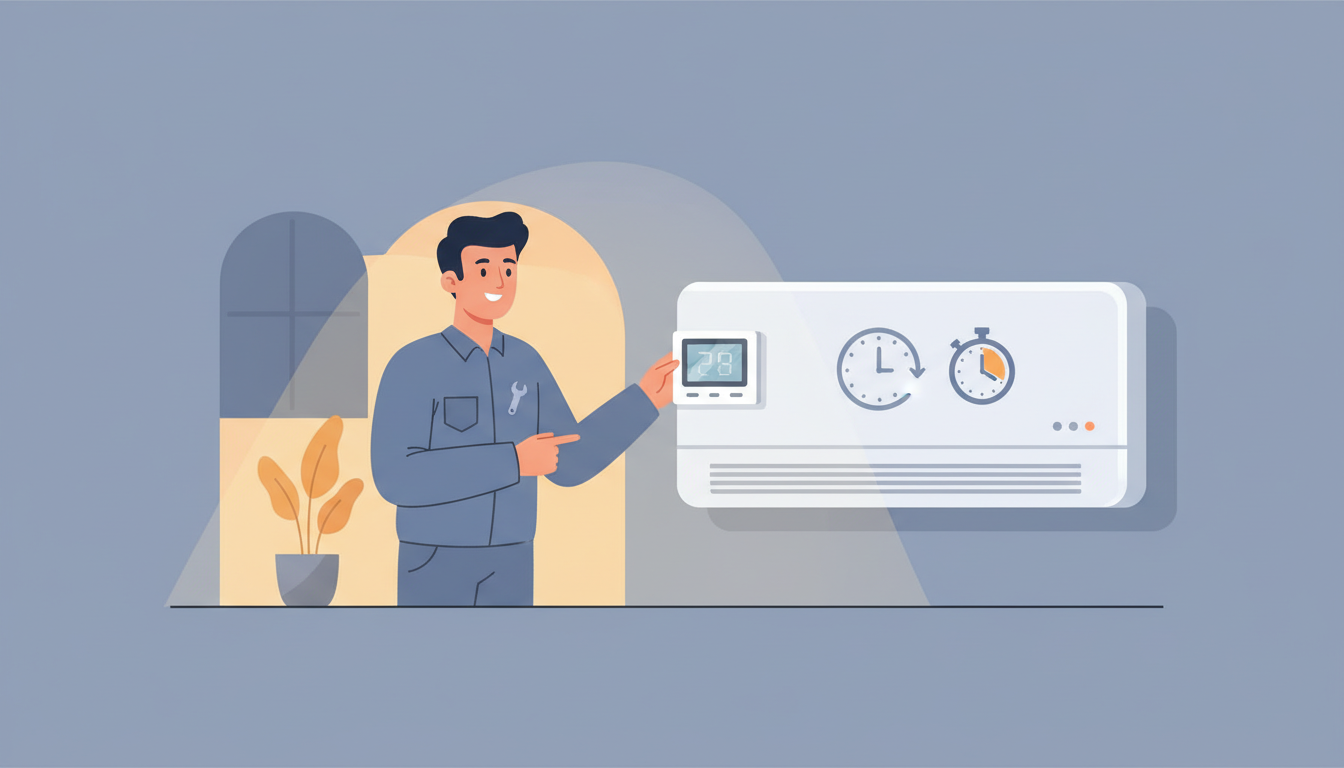
Thermostat Issues (30-60 Minutes)
When your thermostat stops communicating with your system properly, repairs typically take 30-60 minutes. This includes diagnosing whether the issue is wiring, calibration, or a complete thermostat replacement. Modern smart thermostats may require additional setup time, but most technicians can complete the entire job within an hour.
Tripped Breakers and Emergency Switches (15-30 Minutes)
Sometimes the "repair" is simply flipping a switch or resetting a breaker. If your HVAC technician determines this is the issue during their diagnostic, you'll be back up and running in 15-30 minutes. However, they'll also investigate why the system tripped in the first place to prevent future problems.
Drain Line Clogs (30-45 Minutes)
A clogged condensate drain line can shut down your AC system, but clearing it usually takes just 30-45 minutes. Technicians use specialized tools to remove blockages and may add treatment to prevent algae growth that causes future clogs.
Moderate HVAC Repairs (1-4 Hours)
Most HVAC repairs fall into this middle category. These jobs require more diagnostic work and component replacement but can still be completed in a single service visit.
Capacitor Replacement (1-2 Hours)
Failed capacitors are a leading cause of HVAC breakdowns. The actual replacement takes about 30 minutes, but technicians need time to properly diagnose the issue, test the new capacitor, and verify your system runs correctly. Expect 1-2 hours total for this repair.
Contactor Replacement (1-2 Hours)
Like capacitors, contactors are wear items that eventually fail. Replacing a faulty contactor typically takes 1-2 hours, including diagnostic time and post-repair testing. This common HVAC repair prevents your compressor or fan from starting properly.
Blower Motor Issues (2-4 Hours)
Blower motor repairs vary depending on whether the motor needs cleaning, repair, or complete replacement. Cleaning and minor repairs take about 2 hours, while full motor replacement can extend to 3-4 hours. The blower assembly must be carefully removed and reinstalled to ensure proper airflow.
Ignitor Replacement (30-60 Minutes)
For furnaces, a failed ignitor is a common problem with a quick solution. Most ignitor replacements take 30-60 minutes. Your technician will access the burner assembly, install the new ignitor, and test the furnace through several cycles to confirm proper ignition.
Flame Sensor Cleaning or Replacement (30-60 Minutes)
A dirty flame sensor can prevent your furnace from staying lit. Cleaning typically takes 30 minutes, while replacement extends to about an hour. This straightforward repair is part of regular HVAC maintenance that keeps your system running safely.
Major HVAC Repairs (4+ Hours or Multiple Days)
Some repairs are complex enough to require extended time, and in certain cases, multiple service visits.
Compressor Replacement (4-8 Hours)
The compressor is your AC system's heart, and replacing it is one of the most time-intensive repairs. Most compressor replacements take 4-8 hours for a single-day completion. The process involves safely recovering refrigerant, removing the old compressor, installing and connecting the new unit, evacuating the system, and recharging with the correct refrigerant amount.
In some cases, parts availability extends this repair to 2-5 days. Specific compressor models may need to be ordered, especially for older or specialized systems.
Heat Exchanger Replacement (4-8+ Hours)
A cracked heat exchanger is serious—it's both a safety hazard and an expensive repair. Replacement typically requires 4-8 hours or more, as the heat exchanger is deeply integrated into your furnace. Many technicians recommend evaluating whether furnace replacement makes more financial sense than repairing a failed heat exchanger.
Refrigerant Leak Repair and Recharge (2-6 Hours)
The time required for refrigerant leak repair depends entirely on finding the leak. Small, accessible leaks might be fixed in 2-3 hours. Hidden leaks in evaporator coils or buried line sets can take 4-6 hours or require multiple visits. After sealing the leak, your technician must evacuate the system and recharge it with the proper refrigerant amount.
Ductwork Repairs (4 Hours to Several Days)
Ductwork problems range from simple to complex. Sealing accessible leaks in your basement might take 4-6 hours. However, repairing ducts hidden in walls or ceilings can turn into a multi-day project requiring access panels, reconstruction, and coordination with other trades.
Full System Replacement (1-3 Days)
While technically not a "repair," full HVAC system replacement deserves mention. Complete installations typically take 1-3 days depending on system complexity, ductwork modifications, and whether you're replacing both heating and cooling systems simultaneously.
What Factors Affect HVAC Repair Time?
Understanding why repair times vary helps you set realistic expectations when scheduling service.
Diagnostic Complexity
Every repair starts with diagnosis. Simple issues might be identified in 15-30 minutes, while complex intermittent problems can require 1-2 hours of systematic troubleshooting. Your HVAC technician uses specialized tools and their experience to pinpoint the exact problem before starting repairs.
Parts Availability
Having the right part on the service truck saves hours or days. Common components like capacitors, contactors, and filters are typically stocked. Specialized parts for older systems or specific brands may require ordering, extending repair time by 1-5 days.
For less common repairs, ask your technician about parts availability during the diagnostic visit. This helps you plan accordingly.
System Accessibility
Where your HVAC equipment is located significantly impacts repair time. Easy-to-access units in basements or utility rooms allow faster work. Systems in cramped attics, crawl spaces, or rooftop installations add time for safe access and workspace setup.
System Age and Condition
Older systems often present additional challenges. Corroded fasteners, brittle wiring, and deteriorated components can complicate even straightforward repairs. What should be a 2-hour job might extend to 3-4 hours when working with aged equipment.
Technician Experience and Skill Level
An experienced HVAC professional works more efficiently than a novice. Certified technicians familiar with your specific system type complete repairs faster while maintaining quality standards. Their diagnostic skills also reduce the time spent identifying problems.
Seasonal Demand
During peak seasons—summer for AC, winter for furnaces—technicians handle higher service volumes. While this doesn't extend the actual repair time, it may affect how quickly you can schedule service. Emergency repairs receive priority, but routine service calls might face 1-3 day scheduling delays during busy periods.
Emergency vs. Scheduled Repairs: Time Differences
The urgency of your service call affects both scheduling and repair approach.
Emergency Service Calls
When you call for emergency HVAC service, technicians prioritize getting your system running quickly. They may perform temporary fixes to restore comfort immediately, then schedule follow-up visits for permanent solutions. Emergency calls often cost more but provide faster initial response times—typically within 2-4 hours.
Scheduled Maintenance and Repairs
Scheduled repairs during regular business hours allow technicians to work more methodically. They can order parts in advance, allocate appropriate time, and complete repairs without time pressure. This approach often results in more thorough work and fewer return visits.
How to Minimize HVAC Repair Time
You can take steps to keep repair visits as short as possible.
Provide Detailed Problem Information
When scheduling service, describe symptoms specifically. "The AC runs but doesn't cool" is more helpful than "the AC is broken." Detailed information helps technicians bring the right tools and parts.
Clear Access to Your Equipment
Before the technician arrives, clear the area around your HVAC equipment. Remove storage, provide adequate lighting, and ensure easy access. This simple step can save 15-30 minutes of repair time.
Maintain Service Records
Keep records of previous repairs and maintenance. This history helps technicians understand your system's background and identify recurring issues faster. Share these records when scheduling service.
Schedule Regular Maintenance
Preventive maintenance catches small problems before they become major repairs. Annual tune-ups keep your system running efficiently and reduce the likelihood of unexpected breakdowns that require lengthy emergency repairs. Learn more about HVAC components and common failures to understand your system better.
Ask Questions During Diagnosis
When your technician explains the problem, ask about expected repair time. Understanding the scope helps you plan your day and decide whether to proceed with repairs immediately or schedule them for a more convenient time.
Understanding the Repair Process Timeline
Knowing what happens during a service call helps you understand where time is spent.
Initial Inspection and Diagnosis (30-90 Minutes)
The first phase involves visual inspection, system testing, and diagnostic measurements. Technicians check electrical connections, measure refrigerant pressures, test components, and analyze error codes. This critical step ensures they fix the right problem the first time.
Parts Retrieval or Ordering (0-5 Days)
If the needed part is on the truck, work proceeds immediately. Otherwise, common parts might be picked up from a local supplier within 2-4 hours, while specialized components require 1-5 day shipping.
Actual Repair Work (30 Minutes to 8+ Hours)
The hands-on repair time varies by job complexity as outlined in the sections above. This phase includes removing failed components, installing replacements, making connections, and securing everything properly.
Testing and Verification (15-45 Minutes)
After repairs, technicians test the system through multiple cycles to confirm proper operation. They verify temperatures, check airflow, measure electrical draw, and ensure all safety features function correctly. This final step prevents callbacks for incomplete repairs.
When to Expect Multiple Service Visits
Some situations require more than one appointment to complete repairs properly.
Parts Must Be Ordered
When specialized parts need ordering, the first visit covers diagnosis and ordering, while the second visit handles installation. Total elapsed time may be 3-7 days, though actual labor time remains the same.
Major Repairs Requiring Permits
Certain repairs—particularly those involving gas lines or significant electrical work—may require permits and inspections. This regulatory process can extend total project time to 1-2 weeks, though actual repair work might only span 1-2 days.
System Requires Monitoring
Intermittent problems sometimes require diagnostic equipment to remain connected over several days to capture the issue when it occurs. Your technician might install monitoring tools during the first visit and return once data is collected.
FAQ: Common Questions About HVAC Repair Time
How long does an average HVAC repair take?
Most common HVAC repairs take 1-3 hours from start to finish. This includes diagnostic time, the actual repair work, and system testing. Simple issues like filter changes or thermostat replacements take under an hour, while component replacements like capacitors, contactors, or blower motors typically require 1-4 hours.
Can HVAC repairs be done in one day?
Yes, the majority of HVAC repairs can be completed in a single service visit lasting 1-4 hours. However, major repairs like compressor or heat exchanger replacement may take a full 8-hour day. Repairs requiring special-order parts may need multiple visits spread across several days.
How long does AC repair take in summer?
The actual AC repair time remains the same year-round, but summer scheduling can be challenging. During peak cooling season, you might wait 1-3 days for a non-emergency appointment. Once the technician arrives, expect typical repair times: 30 minutes to 4 hours for most jobs. Emergency service calls receive priority scheduling.
What's the quickest HVAC repair?
The quickest repairs include air filter replacement (10-20 minutes), resetting tripped breakers (15-30 minutes), and thermostat battery replacement (5-10 minutes). However, even "quick" service calls include diagnostic time, so expect a minimum 30-45 minute visit.
Should I wait while the technician works or leave?
This depends on repair length and your schedule. For repairs under 2 hours, many homeowners stay to ask questions and receive maintenance tips. For longer repairs (4+ hours), you can typically leave after the initial diagnosis and return for the final walkthrough. Discuss preferences with your technician.
Conclusion: Plan Smart for HVAC Repairs
Understanding how long HVAC repairs take helps you plan your day, set realistic expectations, and make informed decisions about your comfort system. While quick fixes under an hour restore comfort fast, more complex repairs require patience and proper scheduling.
Remember these key points:
- Simple repairs (filters, thermostats, drain clogs) typically take under 1 hour
- Most component replacements (capacitors, contactors, blower motors) require 1-4 hours
- Major repairs (compressors, heat exchangers, ductwork) can take 4+ hours or multiple days
- Parts availability and system accessibility significantly impact total repair time
- Regular maintenance reduces the likelihood of lengthy emergency repairs
When your HVAC system needs attention, don't delay service hoping the problem will resolve itself. Quick action on small issues prevents them from becoming major repairs that take days to fix. Contact a qualified HVAC technician for accurate diagnosis and professional repairs that restore your comfort efficiently.
Ready to get your HVAC system back to peak performance? Schedule your repair service today and experience fast, reliable solutions from experienced professionals who respect your time.