How Loose Wires Create Intermittent HVAC Problems
How Loose Wires Create Intermittent HVAC Problems
Does your heating or cooling system work fine one minute, then mysteriously shut down the next? If your HVAC turns on and off randomly or stops responding to your thermostat, you might be dealing with loose electrical connections. Unlike obvious failures that leave you completely without heat or AC, loose wires create frustrating intermittent HVAC problems that seem to come and go without warning.
Understanding how loose wires create intermittent HVAC problems can save you from unexpected breakdowns, costly emergency repairs, and even dangerous electrical hazards in your home.
What Makes Loose Wires Cause Intermittent Problems
Loose electrical connections don't fail all at once—that's what makes them so tricky to diagnose. When a wire becomes partially disconnected or loses contact with its terminal, it creates an unstable electrical pathway that works sometimes but not others.
Here's what happens inside your system:
Electrical resistance increases. A tight connection allows electricity to flow smoothly with minimal resistance. When connections loosen, the electrical resistance at that point increases dramatically. This resistance generates heat and reduces the voltage reaching critical components.
Contact becomes inconsistent. Vibration from your HVAC equipment constantly moves loose wires. Sometimes the wire touches its terminal and completes the circuit. Other times it pulls away just enough to break the connection. This is why your system might work perfectly for hours, then suddenly stop.
Temperature affects conductivity. Metal expands when hot and contracts when cold. A connection that works fine when your system first starts up might fail once components heat up during operation. This thermal expansion and contraction cycle makes HVAC problems appear and disappear with temperature changes.
Common Symptoms of Loose Wiring in HVAC Systems
Recognizing the warning signs of loose electrical connections helps you address problems before they escalate into complete system failure or safety hazards.
Your System Turns On and Off Randomly
This is the hallmark symptom of loose wires. Your furnace or AC starts normally, runs for a few minutes or hours, then shuts off for no apparent reason. After sitting idle, it mysteriously starts working again. This pattern repeats unpredictably throughout the day.
The random cycling happens because loose connections make and break contact as your equipment vibrates during normal operation.
The Thermostat Stops Controlling Your HVAC
When you adjust your thermostat, nothing happens. Your heating or cooling system completely ignores temperature changes and setpoint adjustments. Then suddenly, without any intervention, it starts responding to the thermostat again.
Loose or disconnected wires prevent your thermostat from sending signals to your equipment. Even one loose wire in the low-voltage control circuit can create these intermittent communication failures.
You Notice Reduced Heating or Cooling Capacity
Your system runs but doesn't heat or cool as effectively as it should. The reduced capacity might come and go—sometimes your home reaches the set temperature normally, other times it struggles to maintain comfort.
When wiring connections are loose, electrical flow becomes unstable. Critical components like the compressor or blower motor receive inconsistent power, causing reduced performance that fluctuates based on the quality of contact at that moment.
Your Circuit Breaker Trips Occasionally
Your HVAC breaker keeps tripping, but not every time the system runs. The breaker might trip during startup, mid-cycle, or not at all for several days. This inconsistent tripping pattern points to electrical connection problems.
Loose wires create arcing and electrical resistance that generate heat. When resistance gets high enough, current draw increases and triggers your circuit breaker—but only when conditions align perfectly to create that surge.
Strange Burning Smells Come and Go
You occasionally smell burning plastic or overheated metal when your HVAC runs, but the odor isn't constant. These intermittent burning smells indicate serious electrical problems that require immediate attention.
Loose connections generate extremely high temperatures at the point of poor contact. The wire insulation or nearby components can start melting, creating that distinct electrical burning smell.
Why HVAC Systems Develop Loose Wires
Understanding the root causes helps you prevent loose electrical connections from developing in the first place.
Vibration from Normal Operation
Your HVAC equipment vibrates constantly during operation. Compressors, blower motors, and fans all generate vibration that slowly works electrical connections loose over time.
This is especially common at connection points that weren't properly tightened during installation or previous repairs. Even a slightly under-torqued connection will gradually loosen as vibration takes its toll.
Thermal Expansion and Contraction Cycles
Your heating and cooling system goes through countless temperature cycles. Metal components expand when heated and contract when cooled. Over months and years, this constant expansion and contraction can work wire connections loose.
Terminals and wire lugs that connect dissimilar metals are particularly vulnerable. The different metals expand at different rates, creating mechanical stress that eventually loosens the connection.
Corrosion Weakens Connections
Moisture exposure causes corrosion on electrical contacts and wire terminals. This corrosion forms a layer of oxidation that interferes with proper electrical contact and accelerates connection deterioration.
Outdoor units, systems in humid climates, and equipment with condensation issues develop corrosion faster. The corroded connections gradually lose their mechanical grip and electrical conductivity.
Age and Wear on Components
Wire insulation becomes brittle with age. Terminals wear down. Spring tension in connectors weakens. All these age-related factors make electrical connections more prone to loosening and failure.
Systems more than 10-15 years old are significantly more likely to develop loose wiring issues simply due to accumulated wear.
Where Loose Wires Typically Develop
Certain connection points in your HVAC system are more vulnerable to becoming loose than others.
Thermostat Wire Terminals
The low-voltage wires connecting your thermostat to your heating and cooling equipment often become loose at the terminal connections. These small wires (typically 18-24 gauge) can easily pull loose if not properly secured.
Problems at thermostat connections create intermittent control issues where your system stops responding to temperature adjustments.
Compressor Contactor Connections
The contactor is a relay that controls power to your air conditioner's compressor. The high electrical loads passing through contactor terminals generate heat and vibration that can loosen wire connections over time.
Loose contactor wiring causes intermittent AC operation where your outdoor unit randomly fails to start or stops running unexpectedly.
Disconnect Box Terminals
The electrical disconnect box near your outdoor unit contains fuses or breakers and wire connections. These connections handle significant electrical current and are exposed to weather conditions.
Corrosion combined with thermal cycling makes disconnect box connections a common failure point, especially in older systems.
Furnace Control Board Connections
Modern furnaces use electronic control boards with numerous wire terminals. These low-voltage connections can work loose due to vibration, creating intermittent ignition failures, blower problems, or complete system lockouts.
Blower Motor Wiring
The wires connecting to your blower motor experience constant vibration. Connections at the motor terminals or capacitor can gradually loosen, causing intermittent blower operation or complete failure to circulate air.
The Hidden Dangers of Ignoring Loose Wires
Loose electrical connections create serious risks that extend beyond comfort and convenience.
Fire Hazards from Electrical Arcing
When loose wires arc and spark, they generate intense heat—sometimes exceeding 1,200°F. This extreme temperature can melt wire insulation, ignite surrounding materials, and start electrical fires.
Electrical arcing at loose connections is a leading cause of HVAC-related house fires. The intermittent nature of the problem makes it especially dangerous because the arcing may happen when you're asleep or away from home.
Permanent Damage to Expensive Components
The voltage fluctuations and electrical stress from loose connections can destroy sensitive electronic components. Control boards, compressors, and motors subjected to inconsistent power supply often fail prematurely.
Replacing a burnt-out compressor costs $1,500-$3,000 or more—far more expensive than fixing the loose wire that caused the failure.
Complete System Failure
What starts as an intermittent problem eventually becomes permanent. Loose connections continue deteriorating until they fail completely, leaving you without heating or cooling when you need it most.
Emergency HVAC repairs during extreme weather typically cost 50-100% more than scheduled service calls.
Carbon Monoxide Risks in Furnaces
Loose wiring in gas furnaces can cause incomplete combustion or prevent safety controls from operating properly. This creates potential for dangerous carbon monoxide buildup in your home.
Your furnace relies on proper electrical connections to operate safety switches, flame sensors, and exhaust fans that prevent CO accumulation.
How to Identify If Loose Wires Are Causing Your HVAC Issues
Before attempting any DIY electrical HVAC repairs, understand that working with electricity is inherently dangerous. These diagnostic steps help you determine if loose wires might be the problem, but professional repair is always the safest option.
Look for Visual Warning Signs
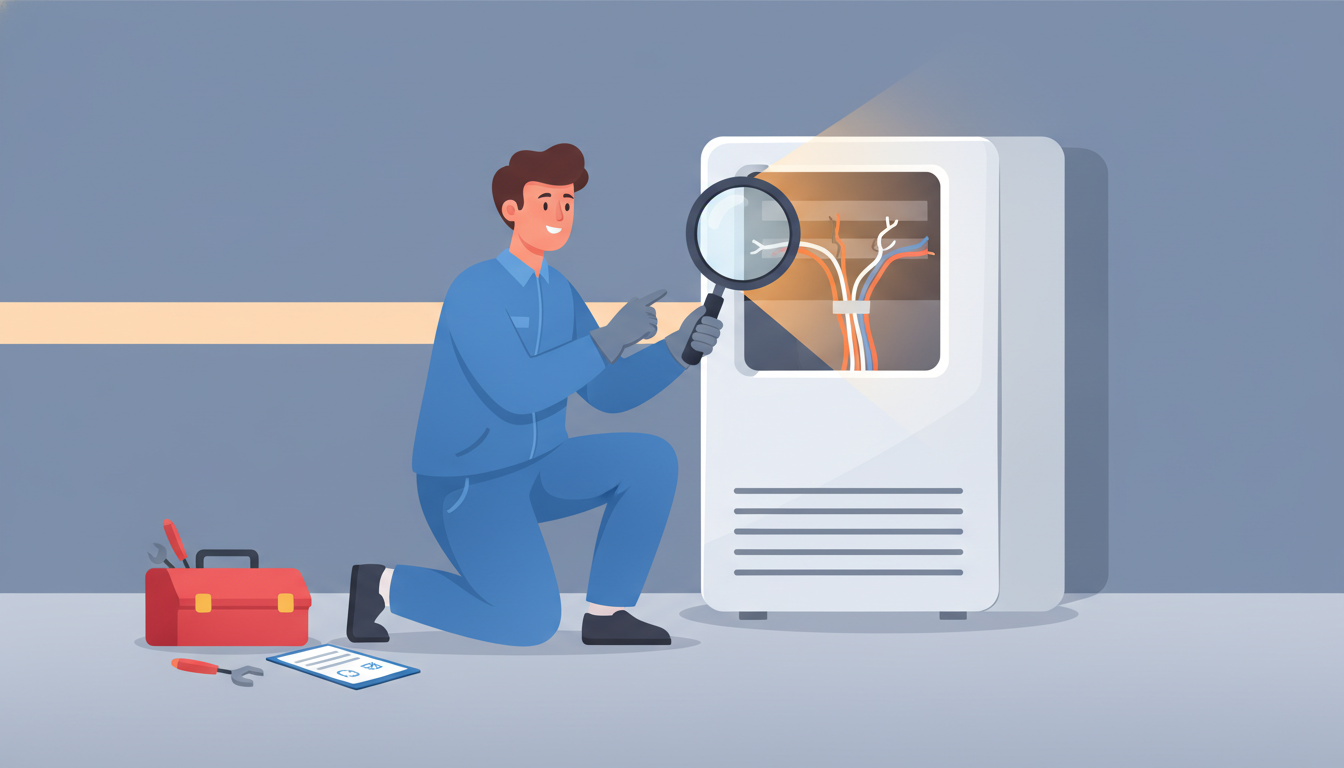
With power completely shut off at the circuit breaker, you can safely inspect visible wiring for:
- Discolored or burnt wire insulation (usually brown or black marks)
- Melted plastic on wire connectors or terminals
- Wires that appear loose or disconnected at terminal blocks
- Corrosion (white or green buildup) on connection points
- Scorch marks on electrical panels or near connections
These visual indicators strongly suggest loose or failing electrical connections.
Monitor When Problems Occur
Pay attention to patterns in your intermittent HVAC problems:
Startup failures suggest loose connections in the control circuit or contactor Mid-cycle shutdowns point to connections that fail when components heat up Problems after vibration or movement indicate mechanically loose terminals Issues during temperature extremes suggest thermal expansion problems
Tracking these patterns helps HVAC technicians diagnose the specific connection causing your problems.
Use Your Nose
Intermittent burning smells, especially the odor of overheated plastic or metal, almost always indicate electrical connection problems. If you smell burning:
- Turn off your HVAC system immediately
- Shut off power at the circuit breaker
- Call a professional technician right away
Don't ignore intermittent burning odors—they signal dangerous electrical conditions.
Check Performance Consistency
Does your system work better during certain times of day or in specific weather conditions? Temperature-related performance variations often stem from loose connections affected by thermal expansion.
Professional Diagnosis and Repair
While understanding loose wiring helps you recognize the problem, repair requires professional expertise and proper safety precautions.
Thermal Imaging Inspections
HVAC technicians use infrared thermal imaging cameras to identify loose connections without disassembling equipment. Loose connections show up as hot spots—sometimes 50-100°F or more above surrounding components.
This non-invasive diagnostic method finds problems that aren't visible during normal inspection.
Voltage and Continuity Testing
Professionals use multimeters to measure voltage drops across connections. Excessive voltage drop indicates high resistance from loose or corroded terminals.
Continuity testing while gently moving wires can reveal intermittent connection failures that only occur under specific conditions.
Proper Repair Techniques
Professional loose wire repair involves:
- Completely shutting off electrical power
- Removing and inspecting the faulty connection
- Cleaning corrosion from terminals and wire ends
- Properly sizing and crimping new wire terminals if needed
- Tightening connections to manufacturer specifications
- Applying dielectric grease to prevent future corrosion
- Testing the repair under load conditions
Proper torque on electrical terminals is critical. Over-tightening can damage components, while under-tightening leaves connections vulnerable to loosening again.
Typical Repair Costs
Professional diagnosis and repair of loose HVAC wiring typically costs:
- Service call and diagnosis: $75-$150
- Simple loose connection tightening: $100-$200
- Terminal replacement and wiring repair: $150-$400
- Extensive wiring replacement: $400-$800+
These costs are far less than emergency repairs, component replacement, or fire damage from ignored electrical problems.
Preventing Loose Electrical Connections
Proactive maintenance prevents most loose wiring issues before they cause problems.
Annual Professional Inspections
Regular HVAC maintenance includes electrical connection inspection and tightening. Technicians check all accessible connections, looking for signs of loosening, corrosion, or overheating.
Many loose connection problems are caught and corrected during routine maintenance before they cause system failures.
Proper Installation Matters
Quality installation with correctly torqued connections prevents many future problems. When replacing HVAC equipment or having repairs done, choose experienced professionals who follow manufacturer specifications.
Ask if connections are being torqued to spec—not just tightened by feel.
Address Vibration Issues
Excessive system vibration accelerates connection loosening. If your HVAC equipment vibrates more than normal:
- Check that outdoor units sit level on stable pads
- Verify indoor equipment is properly secured
- Have mounting hardware and vibration isolators inspected
- Consider anti-vibration pads for problem installations
Reducing vibration extends the life of all electrical connections.
Control Moisture Exposure
Keep electrical connections dry to prevent corrosion:
- Ensure proper drainage around outdoor units
- Fix condensate leaks promptly
- Verify weatherproof seals on outdoor electrical boxes
- Consider corrosion-resistant terminals in humid environments
Dry connections stay tight and conductive much longer than those exposed to moisture.
Replace Aging Equipment Before Total Failure
Systems over 15-20 years old have significantly higher rates of electrical connection problems. When your aging HVAC system develops intermittent issues, replacement often makes more financial sense than ongoing repairs.
New equipment provides reliable connections, improved efficiency, and peace of mind.
FAQ About Loose Wires and Intermittent HVAC Problems
Can I fix loose HVAC wires myself?
While simple thermostat wire reconnections might seem manageable, most HVAC electrical work requires professional expertise. High-voltage connections (120V or 240V) are dangerous without proper training and safety equipment. Improper repairs can cause equipment damage, electrical fires, or serious injury. For safety and warranty protection, have licensed HVAC technicians handle electrical repairs.
How long does it take for loose wires to cause permanent damage?
The timeline varies based on severity. Slightly loose connections might function for months before failing, while severely loose wires can cause component damage within days or weeks. The arcing and heat from loose connections accelerates deterioration rapidly. Don't wait to address intermittent electrical problems—they almost always get worse, never better.
Why does my HVAC work when the technician arrives?
Intermittent problems are notoriously difficult to diagnose because they come and go unpredictably. Movement during service, temperature changes, or the simple act of turning power off and on can temporarily restore a loose connection. Professional technicians use thermal imaging and voltage testing to find intermittent problems even when the system appears to work normally.
Will tightening connections fix the problem permanently?
If caught early, tightening loose connections often provides a permanent fix. However, connections that have been loose long enough to cause arcing, corrosion, or overheating typically need complete terminal replacement. The damaged components won't maintain good contact even after tightening. Your technician can determine whether tightening or replacement is appropriate.
Are loose wires covered by HVAC warranties?
Standard equipment warranties typically don't cover loose connections caused by normal wear, vibration, or age. However, if loose wiring results from improper installation, it may be covered under the installation warranty. Labor warranties vary by contractor. Always document maintenance and repairs to support any warranty claims.
Take Action on Intermittent HVAC Problems
Loose wires that create intermittent HVAC problems won't fix themselves. The electrical arcing, heat, and stress at loose connections continuously worsen until you're left with complete system failure, expensive component damage, or dangerous electrical hazards.
If your heating or cooling system exhibits any symptoms of loose electrical connections—random shutdowns, inconsistent thermostat response, intermittent capacity problems, or occasional burning smells—schedule professional inspection immediately.
Don't wait for your intermittent problem to become a permanent emergency. Contact a qualified HVAC technician to inspect your system's electrical connections, identify loose wiring, and make proper repairs before minor issues escalate into major problems.
Your comfort, safety, and HVAC investment deserve the protection that proper electrical connections provide.