
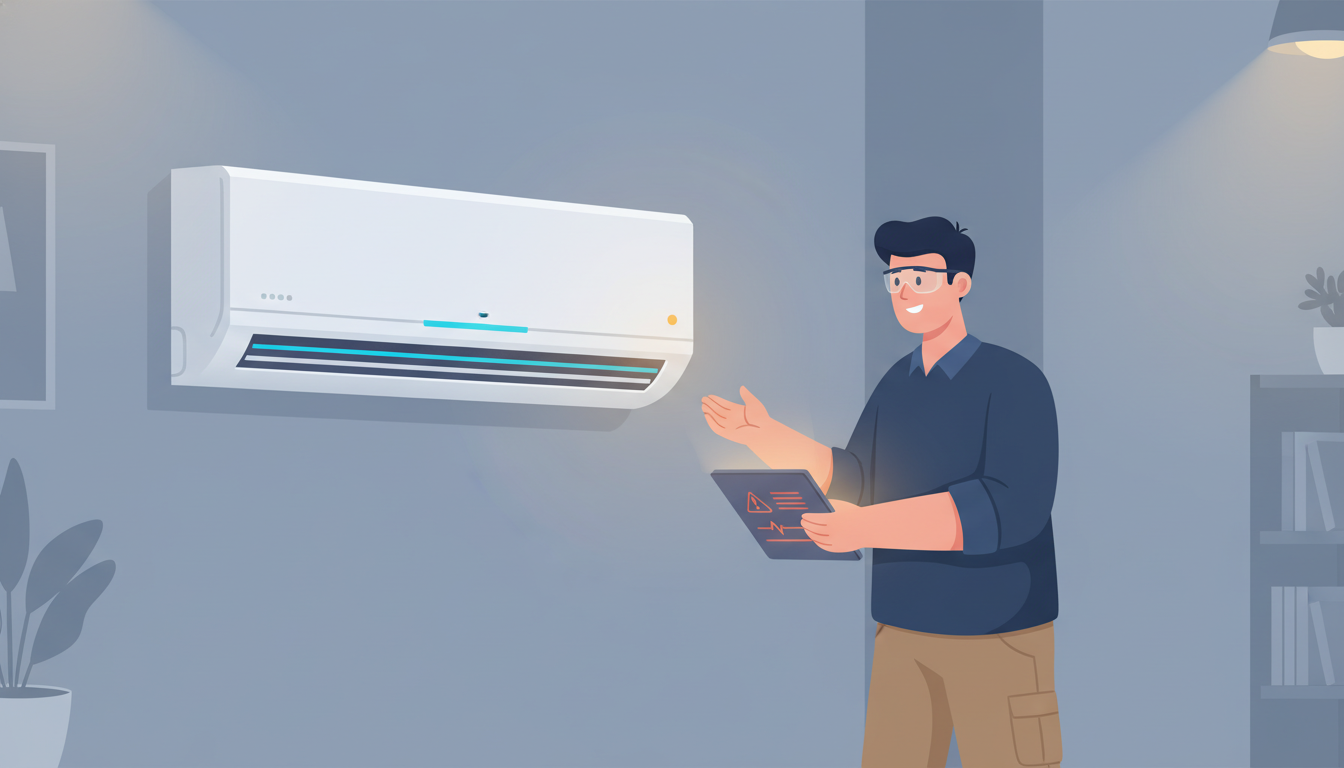
Can Low Refrigerant Cause a Mini-Split to Shut Down?
Can Low Refrigerant Cause a Mini-Split to Shut Down?
Is your mini-split system suddenly shutting down without warning? You're not alone. Low refrigerant is one of the most common culprits behind mini-split shutdowns, and understanding why this happens can save you from costly repairs and uncomfortable temperatures in your home.
The short answer: Yes, low refrigerant can absolutely cause your mini-split to shut down. When refrigerant levels drop below a safe threshold, your system's built-in safety mechanisms kick in to protect the compressor from damage. This article will walk you through everything you need to know about low refrigerant, why it causes shutdowns, and what you can do about it.
Understanding How Refrigerant Works in Your Mini-Split
Before we dive into shutdowns, let's understand what refrigerant actually does in your mini-split system.
Refrigerant is the lifeblood of your HVAC system. It's a special chemical that absorbs heat from inside your home and releases it outside (or vice versa for heating). Think of it as the messenger that carries heat from one place to another.
Your mini-split is a closed-loop system, which means the refrigerant should never run out under normal conditions. If your refrigerant levels are low, it almost always means there's a leak somewhere in the system. Unlike your car's gas tank, refrigerant doesn't get "used up" during normal operation.
When refrigerant levels drop, your system can't transfer heat effectively. This creates a cascade of problems that can trigger your mini-split to shut down completely.
Why Low Refrigerant Causes Mini-Split Shutdowns
Your mini-split has sophisticated safety mechanisms designed to protect expensive components, especially the compressor. Here's what happens when refrigerant levels get too low:
Compressor Protection Mode
The compressor is the heart of your mini-split system, and it's also the most expensive component to replace. When refrigerant levels drop, the compressor has to work much harder to circulate what little refrigerant remains.
Low refrigerant causes low system pressure. When pressure sensors detect levels below the safe operating range, they automatically shut down the compressor to prevent catastrophic damage. This is similar to how your car's engine shuts off when it detects low oil pressure.
Overheating and Thermal Protection
Without adequate refrigerant, your compressor can overheat rapidly. Refrigerant doesn't just transfer heat—it also helps cool the compressor itself during operation.
When the compressor gets too hot, thermal overload protection switches trip, forcing the system to shut down. You might notice your mini-split runs for a few minutes, then shuts off, then tries to restart again. This pattern is called short cycling, and it's a major red flag.
Frozen Evaporator Coil Shutdown
Low refrigerant levels cause the evaporator coil temperature to drop dramatically. When this happens, condensation on the coil freezes, creating a thick layer of ice that blocks airflow.
Modern mini-splits detect this condition and shut down to allow the ice to melt. If your indoor unit is covered in frost or ice, low refrigerant is likely the cause. Learn more about troubleshooting these issues in our mini-split refrigerant problems guide.
Signs Your Mini-Split Is Low on Refrigerant
Catching low refrigerant early can prevent shutdowns and save you money. Here are the warning signs to watch for:
Ice or Frost Buildup
Check both your indoor and outdoor units for ice formation. Ice on the refrigerant lines, evaporator coil, or outdoor condenser is one of the most visible signs of low refrigerant.
The ice typically forms because the refrigerant isn't absorbing enough heat, causing temperatures to drop below freezing at the coil. If you see ice, turn off your system immediately and call a professional.
Reduced Cooling or Heating Performance
Is your mini-split running constantly but barely keeping up with your temperature settings? Low refrigerant reduces your system's cooling capacity significantly.
You might notice warm spots in rooms that used to cool evenly. Or your mini-split might take twice as long to reach your desired temperature. This inefficiency also drives up your energy bills.
Unusual Sounds
Low refrigerant can cause several strange noises:
- Hissing or bubbling sounds (indicating a refrigerant leak)
- Clicking sounds from the compressor trying to start
- Gurgling noises in the refrigerant lines
If you hear any of these sounds, especially combined with other symptoms, schedule an inspection right away.
Short Cycling
Short cycling is when your mini-split turns on and off repeatedly in quick succession. The system runs for 5-10 minutes, shuts down, waits a few minutes, then starts again.
This pattern puts enormous stress on your compressor and dramatically increases wear and tear. Low refrigerant is one of the most common causes of short cycling.
Higher Energy Bills
When refrigerant levels drop, your mini-split has to run longer cycles to achieve the same cooling or heating. This extended runtime shows up as higher electricity consumption on your utility bill.
If your bills have jumped 20-30% without a corresponding change in usage, low refrigerant could be the culprit.
Visible Oil Stains or Greasy Residue
Refrigerant travels through your system mixed with compressor oil. When there's a leak, you'll often see oily residue or stains near the leak location.
Check around connection points, valve fittings, and refrigerant lines for any signs of oil accumulation. These spots indicate an active leak.
What Causes Low Refrigerant in Mini-Splits?
Understanding the root cause helps prevent future problems. Here are the most common reasons for low refrigerant:
Installation Errors
Poor installation is the leading cause of refrigerant leaks in mini-splits. Common mistakes include:
- Improperly flared connections that don't seal correctly
- Over-tightened fittings that crack over time
- Kinked refrigerant lines during installation
- Insufficient brazing on copper connections
Always hire certified HVAC technicians for installation to avoid these problems. Check out our HVAC repair guide for tips on finding qualified professionals.
Vibration and Settling
Over time, normal operation causes vibrations that can loosen connections or create microscopic cracks in refrigerant lines. This is especially common in mini-splits because the outdoor unit experiences temperature extremes and weather exposure.
Buildings also settle over time, which can stress refrigerant lines running between indoor and outdoor units.
Corrosion
Exposure to moisture and salt air (in coastal areas) can corrode refrigerant lines and connections. Even indoor units can develop corrosion if installed in humid environments without proper drainage.
Copper lines are durable, but they're not immune to chemical reactions, especially at connection points where dissimilar metals meet.
Physical Damage
Accidents happen. Refrigerant lines can be damaged by:
- Lawn equipment or outdoor maintenance
- Pest damage (rodents chewing on insulation or lines)
- Renovation work that disturbs the lines
- Severe weather or falling debris
Manufacturing Defects
While rare, manufacturing defects in coils or connections can cause slow leaks that don't show up until months or years after installation.
The Dangers of Running a Mini-Split with Low Refrigerant
Some homeowners try to limp along with low refrigerant, hoping to delay repair costs. This is a costly mistake. Here's why:
Compressor Failure
Compressors are designed to operate within specific pressure and temperature ranges. Running with low refrigerant pushes the compressor beyond these limits.
The compressor works harder, runs hotter, and experiences more wear with every cycle. Eventually, it will fail completely. Compressor replacement can cost $1,000-$2,500 or more—often half the cost of a new mini-split system.
Increased Repair Costs
What starts as a simple refrigerant leak can cascade into multiple component failures. Low refrigerant damages:
- Compressor valves and seals
- Expansion valves
- Metering devices
- Insulation on refrigerant lines
The longer you wait, the more expensive the repair bill becomes.
Complete System Failure
In extreme cases, low refrigerant can cause total system failure. The compressor seizes, electrical components burn out, and multiple parts need replacement.
At this point, repair costs often exceed replacement costs, forcing you to buy a new system entirely.
Voided Warranty
Most mini-split warranties require proper maintenance and prompt repair of known issues. Operating your system with known low refrigerant may void your warranty, leaving you responsible for all repair costs.
How to Diagnose Low Refrigerant Issues
While some signs are obvious, proper diagnosis requires professional equipment. Here's what the process looks like:
DIY Visual Inspection
You can perform basic checks yourself:
- Look for ice or frost on indoor and outdoor units
- Check for oil stains near connections
- Listen for hissing sounds that indicate leaks
- Monitor cooling performance over several days
- Track energy usage for unusual spikes
These observations help, but they're not definitive. Professional diagnosis is essential.
Professional Leak Detection
HVAC technicians use several methods to locate refrigerant leaks:
Electronic Leak Detectors: Handheld devices that sense refrigerant molecules in the air with extreme precision.
UV Dye Testing: Technicians inject fluorescent dye into the refrigerant system, then use UV lights to spot leaks glowing under the light.
Soap Bubble Testing: For suspected leak locations, technicians apply soap solution and watch for bubbles forming at leak points.
Pressure Testing: The system is pressurized with nitrogen to identify pressure drops that indicate leak locations.
Measuring Refrigerant Levels
Technicians connect gauges to your system's service ports to measure refrigerant pressure. These readings, combined with temperature measurements, reveal whether your system is properly charged.
Low pressure readings on both the high and low sides typically indicate low refrigerant. The exact pressures vary by refrigerant type (R-410A is most common in mini-splits) and outdoor temperature.
Repairing Low Refrigerant Problems
Once low refrigerant is confirmed, here's what the repair process involves:
Finding and Fixing Leaks
Simply adding refrigerant without fixing the leak is throwing money away. The refrigerant will just leak out again, and you'll face the same problem in weeks or months.
Professional repair includes:
- Locating all leak points using detection methods
- Repairing or replacing damaged components
- Pressure testing the system to verify the fix
- Evacuating the system to remove air and moisture
- Recharging with the correct amount of refrigerant
Refrigerant Recharge Costs
Refrigerant recharge costs vary based on several factors:
- Simple recharge (no leaks): $200-$400
- Recharge with minor leak repair: $400-$800
- Recharge with major repairs: $800-$1,500+
R-410A refrigerant has become more expensive in recent years due to environmental regulations. Expect to pay $50-$150 per pound of refrigerant, plus labor costs for leak detection and repair.
System Evacuation and Recharge
After repairs, technicians must properly evacuate the system. This process removes air, moisture, and contaminants that entered during the leak. Moisture in refrigerant lines can cause ice blockages and corrode internal components.
Evacuation typically takes 30-60 minutes using a vacuum pump. Once complete, the technician recharges the system to manufacturer specifications—not just by weight, but by measuring pressures and temperatures to ensure optimal performance.
For a comprehensive guide on mini-split repairs, visit our mini-split repair guide.
Preventing Future Refrigerant Problems
Prevention is always cheaper than repair. Here's how to protect your mini-split:
Regular Maintenance
Schedule professional maintenance at least once per year (twice for systems used year-round). Maintenance visits should include:
- Refrigerant level checks
- Leak inspections at all connection points
- Electrical connection tightening
- Coil cleaning and inspection
- Filter replacement
- Condensate drain cleaning
Proper Installation
If you're installing a new mini-split, invest in quality installation from certified technicians. The cheapest installer is rarely the best value.
Proper installation includes:
- Correctly sized refrigerant lines
- Professional flaring or brazing of connections
- Proper line supports to minimize vibration
- Protection of outdoor lines from physical damage
- Nitrogen purging during installation to prevent oxidation
Protecting Outdoor Units
Your outdoor unit faces the elements year-round. Protect it by:
- Keeping a 2-3 foot clearance around all sides
- Trimming vegetation that could damage lines
- Installing protective covers during harsh weather
- Securing the unit on a stable, level platform
- Avoiding placement where lawn equipment might strike lines
Monitor Performance
Pay attention to your system's performance. When you notice changes—reduced cooling, unusual sounds, longer run times—address them immediately.
Early intervention can turn a $300 repair into a problem that would otherwise cost thousands.
When to Call a Professional
Some HVAC issues are DIY-friendly, but low refrigerant isn't one of them. Here's when you absolutely need professional help:
Immediate Professional Help Required
Call an HVAC technician right away if you notice:
- Visible ice or frost on your mini-split
- System shutting down repeatedly
- Hissing sounds from refrigerant lines
- Oily residue near connections
- Complete loss of cooling or heating
- Burning smells or smoke
DIY vs. Professional Repair
You can handle:
- Cleaning filters
- Clearing debris from outdoor unit
- Resetting circuit breakers
- Adjusting thermostat settings
Professionals must handle:
- Refrigerant leak detection
- Refrigerant recovery and recharging
- Refrigerant line repairs
- Compressor replacement
- Electrical diagnostics
- Pressure testing
Working with refrigerant requires EPA certification. It's illegal for unlicensed individuals to purchase or handle refrigerants. More importantly, improper handling can damage your system or create safety hazards.
Finding Qualified HVAC Technicians
Look for technicians with:
- EPA Section 608 certification (for refrigerant handling)
- Manufacturer-specific training on mini-split systems
- Proper licensing and insurance
- Good reviews and references
- Transparent pricing and warranties on work
Don't choose based solely on price. Quality work costs more upfront but saves money long-term.
Frequently Asked Questions
How long can a mini-split run with low refrigerant?
While your mini-split might continue operating with low refrigerant, you should shut it down as soon as you suspect a problem. Running the system with low refrigerant causes progressive damage to the compressor and other components. Each hour of operation brings you closer to expensive repairs or complete system failure.
Will adding refrigerant fix my mini-split?
Adding refrigerant will temporarily restore cooling performance, but it won't fix the underlying problem if there's a leak. Without locating and repairing the leak, the refrigerant will escape again, and you'll face the same issues within weeks or months. Always combine refrigerant recharge with leak detection and repair.
Can I add refrigerant to my mini-split myself?
No, you should not add refrigerant yourself. Federal law requires EPA certification to purchase and handle refrigerants. More importantly, proper refrigerant charging requires specialized equipment to measure pressures and temperatures accurately. Overcharging or undercharging can damage your system as much as having a leak.
How often should mini-split refrigerant be checked?
Refrigerant levels should be checked during annual maintenance visits. If your system is performing well with no symptoms of low refrigerant, more frequent checks aren't necessary. However, if your system is older than 10 years or has experienced leaks before, consider twice-yearly inspections.
What's the difference between short cycling and shutdowns?
Short cycling means your mini-split turns on and off repeatedly in quick succession—running for 5-10 minutes, then shutting off, then restarting. A shutdown means the system stops completely and won't restart without intervention (like resetting a breaker or clearing an error code). Low refrigerant can cause both problems, but true shutdowns indicate more severe issues.
Conclusion: Don't Ignore Low Refrigerant Warning Signs
Low refrigerant isn't just an inconvenience—it's a serious threat to your mini-split system's longevity and your comfort. When refrigerant levels drop, built-in safety mechanisms shut down your system to prevent catastrophic compressor damage.
The warning signs are clear: ice formation, reduced cooling performance, short cycling, unusual sounds, and higher energy bills. If you notice any of these symptoms, don't wait. The longer you operate with low refrigerant, the more damage you cause and the higher your repair costs climb.
Remember, refrigerant doesn't just disappear—low levels almost always mean there's a leak that needs professional repair. While refrigerant recharge costs $200-$800 or more depending on repairs needed, this investment protects you from $1,000-$2,500+ compressor replacement costs down the road.
Take action today. Schedule an inspection with a certified HVAC technician who can properly diagnose, repair, and recharge your system. Your mini-split—and your wallet—will thank you.
Need help finding the right solution for your mini-split problems? Check out our comprehensive HVAC repair guide for expert tips on maintaining and repairing your heating and cooling systems.