
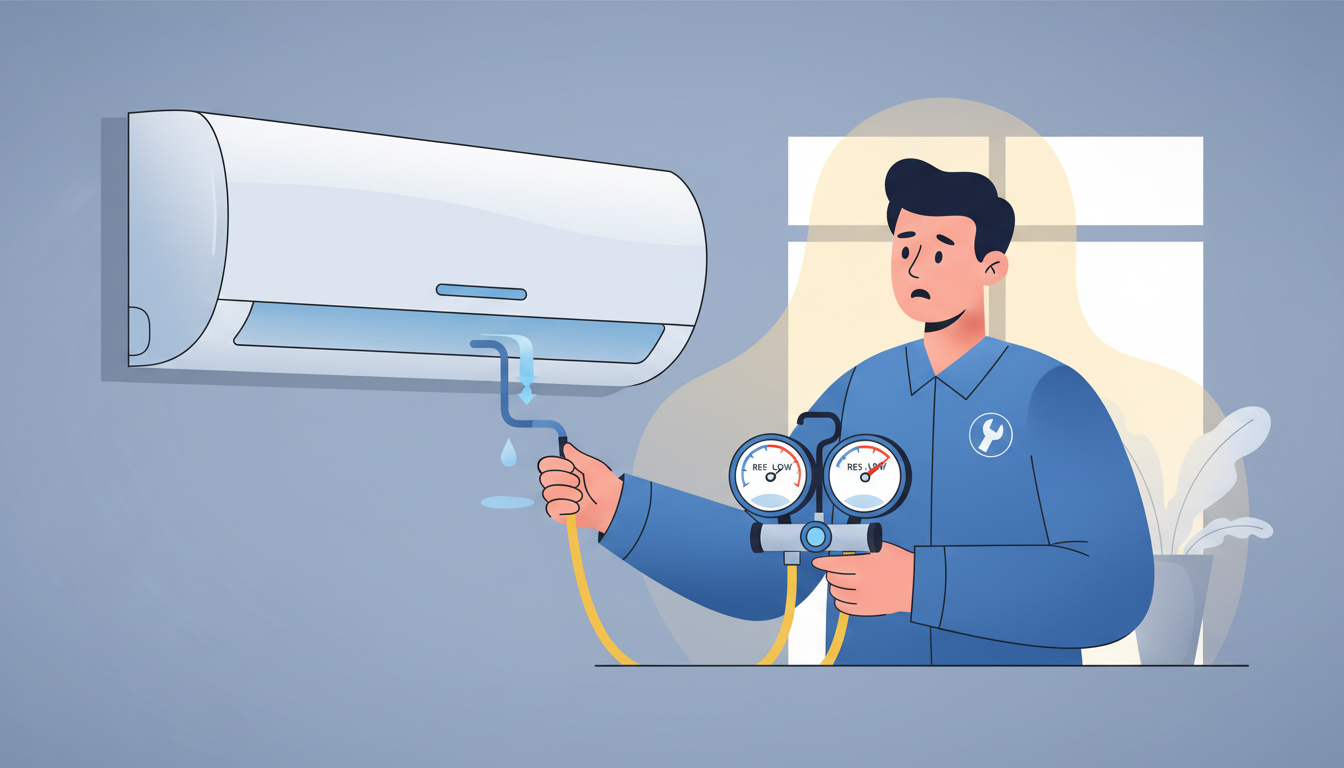
Why Low Refrigerant Hurts Your AC's Comfort and Efficiency
Why Low Refrigerant Hurts Your AC's Comfort and Efficiency
Is your air conditioner running constantly but never quite cooling your home? Are you noticing higher energy bills despite no change in your usage? Low refrigerant might be the hidden culprit sabotaging your comfort and draining your wallet. Unlike other maintenance issues that gradually worsen, low refrigerant creates a cascade of problems that impact both how comfortable your home feels and how efficiently your system operates. Understanding why this happens can help you catch the problem early and avoid costly repairs down the road.
What Refrigerant Actually Does in Your AC System
Before diving into the problems, it's important to understand what refrigerant does. Think of refrigerant as your air conditioner's workhorse—it's the substance that actually moves heat from inside your home to the outside.
Your AC doesn't create cold air. Instead, it removes heat from your indoor air through a continuous cycle. Refrigerant flows through your system's indoor evaporator coil, where it absorbs heat from your home's air. Then it travels to the outdoor condenser unit, where it releases that heat outside. This cycle repeats continuously, keeping your home cool.
Refrigerant is designed to last the entire lifetime of your air conditioner. It circulates in a sealed system and doesn't get "used up" like gasoline in a car. If your refrigerant levels are low, it always means there's a leak somewhere in your system that needs to be found and repaired.
How Low Refrigerant Destroys Your Home Comfort
Your Home Never Feels Quite Cool Enough
When refrigerant levels drop, your AC's cooling capacity drops with it. The evaporator coil can't absorb as much heat from your indoor air because there simply isn't enough refrigerant flowing through it. The result? Warm air blowing from your vents and a home that never reaches the temperature you set on your thermostat.
You might notice your system running for hours on end, yet your thermostat still shows 78°F when you've set it to 72°F. This isn't just uncomfortable—it's frustrating, especially during sweltering summer days when you need reliable cooling the most.
Temperature Swings and Hot Spots Throughout Your Home
Low refrigerant doesn't just make your whole home warmer—it creates uneven cooling. You might find that your bedroom stays relatively cool while your living room feels like a sauna. Or upstairs rooms become unbearable while the first floor is comfortable.
This happens because insufficient refrigerant means inconsistent heat absorption. Some areas of your home get cooled adequately while others don't, creating those annoying hot and cold spots that make it impossible to find a comfortable temperature setting.
Humidity Problems Make Everything Worse
Your air conditioner does more than just cool your home—it also removes humidity from the air. When refrigerant levels are low, the evaporator coil can't properly dehumidify your indoor air.
The result is a sticky, clammy feeling that makes your home uncomfortable even if the temperature seems reasonable. High indoor humidity can also lead to mold growth, musty odors, and even health issues for people with allergies or respiratory conditions. You're paying for air conditioning but getting poor air quality in return.
Your AC Runs Constantly Without Rest
With insufficient refrigerant, your air conditioner works overtime trying to reach your desired temperature. Instead of cycling on and off normally, it runs continuously in a futile attempt to cool your home adequately.
This constant operation doesn't just waste energy—it wears out your system faster. Components that should rest periodically instead run non-stop, accumulating wear and tear that shortens your AC's lifespan. What should be quiet cycles throughout the day becomes an endless drone that never quite delivers the comfort you expect from professional HVAC repair.
The Efficiency Nightmare: How Low Refrigerant Drives Up Energy Costs
Energy Bills That Keep Climbing
Here's a fact that hits homeowners hard: low refrigerant can increase your energy consumption by 20% or more. Since your system runs longer and works harder to achieve less cooling, your electric meter spins faster and your utility bills climb.
During peak summer months, this can translate to an extra $50-$150 per month in electricity costs. Over a cooling season, you're potentially wasting hundreds of dollars on inefficient operation—money that could have gone toward fixing the leak instead.
Reduced Cooling Capacity Means Wasted BTUs
Every air conditioner is rated for a specific cooling capacity measured in BTUs (British Thermal Units). A typical residential AC might be rated for 24,000 to 60,000 BTUs, depending on your home's size.
When refrigerant levels drop by just 10%, your cooling capacity can decrease by 20% or more. That means a 36,000 BTU system might only deliver 28,000 BTUs of cooling—yet it's still consuming nearly the same amount of electricity. You're paying for performance you're not getting.
Your SEER Rating Becomes Meaningless
Modern air conditioners are rated for energy efficiency using a SEER (Seasonal Energy Efficiency Ratio) number. Higher SEER ratings mean better efficiency and lower operating costs. But here's the catch: those ratings assume your system has the proper refrigerant charge.
With low refrigerant, even a high-efficiency 16 SEER system might perform like an old 10 SEER unit. You've invested in an efficient air conditioner, but low refrigerant undermines that efficiency completely, wasting the premium you paid for an energy-efficient model.
The Compressor Works Harder for Less Result
Your AC's compressor is the heart of the system, responsible for pressurizing and circulating refrigerant. When refrigerant levels are low, the compressor has to work harder to move less refrigerant through the system.
This creates a vicious cycle: the compressor draws more electricity while accomplishing less cooling. It's like trying to pump water through a system that's only half full—the pump works harder but moves less water. This inefficiency shows up directly on your electric bill.
The Hidden Dangers: System Damage from Low Refrigerant
Frozen Evaporator Coils Cause Multiple Problems
One of the most visible symptoms of low refrigerant is ice buildup on your indoor evaporator coil. This happens because without enough refrigerant, the coil's temperature drops too low, causing moisture in the air to freeze on the coil's surface.
A frozen coil can't absorb heat effectively, which further reduces cooling. But the real danger comes when that ice melts. Water can drip onto floors, damage ceilings, promote mold growth, and even damage electrical components. If you notice ice on your AC lines or coil, you need to recognize these refrigerant leak symptoms homeowners should watch for immediately.
Compressor Damage: The Expensive Consequence
Your compressor relies on refrigerant not just for the cooling cycle, but also for cooling itself. Refrigerant flowing through the compressor helps keep it from overheating during operation.
When refrigerant levels drop, the compressor runs hotter than designed. Over time, this heat stress causes internal components to break down. Compressor replacement can cost $1,500 to $2,500 or more—often making it more economical to replace the entire AC unit instead.
System Breakdown and Complete Failure
If left unchecked, low refrigerant will eventually cause your entire system to fail. The compressor might seize up completely. The evaporator coil could sustain permanent damage. Other components stressed by improper operation might fail.
What started as a small refrigerant leak that could have been repaired for $300-$500 can balloon into a $4,000-$8,000 system replacement. The question isn't whether low refrigerant will damage your AC—it's how much damage will occur before you address it.
Shortened System Lifespan
Even if low refrigerant doesn't cause immediate catastrophic failure, it accelerates wear on every component. A well-maintained air conditioner should last 15-20 years. But running with insufficient refrigerant can cut that lifespan to 10 years or less.
You're essentially trading years of service for delayed maintenance. Every month you operate with low refrigerant is a month of accelerated aging for your entire system.
Why Your Refrigerant Is Low: Common Causes
Refrigerant Leaks Are the Primary Culprit
Since refrigerant doesn't get consumed during operation, low levels always indicate a leak. These leaks can occur anywhere in your refrigerant lines:
- Connections and joints where vibration causes loosening
- Corrosion on copper lines from age or environmental factors
- Damaged coils from physical impact or manufacturing defects
- Faulty service valves or aging seals
Finding leaks requires specialized equipment and expertise. HVAC technicians use electronic leak detectors, UV dye, and pressure tests to locate even small leaks that might be invisible to the naked eye.
Poor Installation Sets the Stage for Problems
Improper installation is a major cause of refrigerant issues. If your AC wasn't charged correctly from the start, you've been operating with suboptimal refrigerant levels since day one.
Poor brazing on refrigerant line connections, incorrectly sized lines, or failure to properly evacuate air and moisture from the system during installation can all lead to refrigerant problems. This is why choosing qualified HVAC contractors matters—cutting corners on installation creates problems you'll pay for throughout your system's life.
Age and Wear Eventually Take Their Toll
Even well-installed systems can develop refrigerant leaks over time. Copper refrigerant lines can corrode, especially in coastal areas or humid climates. Vibration from years of operation can loosen connections. Seals and gaskets age and deteriorate.
Older systems using R-22 refrigerant (being phased out) are particularly prone to leaks as they age. If your AC is more than 10-15 years old and developing refrigerant leaks, you need to carefully consider whether repair or replacement makes more financial sense.
What to Do When You Suspect Low Refrigerant
Signs You Can Check Yourself
While diagnosing low refrigerant requires professional tools, there are warning signs you can watch for:
- AC runs constantly but doesn't cool adequately
- Ice or frost on refrigerant lines or indoor coil
- Hissing or bubbling sounds near AC components (indicating a leak)
- Dramatically higher electric bills with no change in usage
- Warm air blowing from vents
If you notice these symptoms, it's time to call a professional for diagnosis. Understanding whether a refrigerant leak is dangerous can help you decide how urgently to address the problem.
Why DIY Refrigerant Recharge Is a Bad Idea
Some homeowners attempt to recharge their AC themselves using refrigerant kits from hardware stores. This is almost always a mistake for several reasons:
First, adding refrigerant without finding and fixing the leak just delays the inevitable. The refrigerant will leak out again, and you'll be back where you started.
Second, improper refrigerant charging can actually damage your system. Too much refrigerant is just as problematic as too little. Professional HVAC technicians use precise scales and gauges to add exactly the right amount.
Third, handling refrigerant requires certification. It's illegal for uncertified individuals to purchase many types of refrigerant, and for good reason—improper handling poses environmental and safety risks.
The Professional Solution: Find and Fix the Leak
The correct approach to low refrigerant involves three steps:
- Locate the leak using professional detection equipment
- Repair the leak by replacing damaged components or repairing connections
- Recharge the system to the manufacturer's specified refrigerant level
This might cost $300-$800 depending on the leak's location and severity, but it permanently solves the problem rather than creating a temporary band-aid.
When Replacement Makes More Sense Than Repair
Sometimes repair isn't the best option. Consider replacement if:
- Your AC uses R-22 refrigerant (being phased out, increasingly expensive)
- Your system is more than 12-15 years old
- Repair costs exceed 50% of replacement cost
- Multiple leaks exist throughout the system
- Your system has other significant issues beyond refrigerant
A new high-efficiency AC might cost more upfront but will save you money through lower energy bills and eliminate the refrigerant leak problem entirely.
How to Prevent Low Refrigerant Problems
Annual Maintenance Is Your Best Defense
Professional HVAC maintenance should include refrigerant level checks. Technicians can spot small leaks before they become major problems and can monitor refrigerant levels to catch drops early.
An annual tune-up costs $80-$150 but can prevent a $500+ repair or catch problems while they're still minor. It's the single best investment you can make in your AC's longevity and efficiency.
Protect Your Outdoor Unit
Many refrigerant leaks happen at the outdoor condenser unit where lines are exposed to the elements. Take steps to protect this equipment:
- Keep the area around the unit clear of debris and vegetation
- Avoid using weed trimmers near refrigerant lines
- Ensure the unit sits on a stable, level pad
- Consider a protective cage if the unit is in a high-traffic area
Address Problems Early
If you notice any signs of AC trouble—reduced cooling, ice buildup, strange sounds, or higher bills—don't wait. Small problems become big problems when ignored. A minor refrigerant leak caught early might cost $200 to repair. The same leak left to worsen could lead to $2,000 in compressor damage.
Choose Quality Installation and Service
Invest in quality HVAC contractors for both installation and service. Proper installation prevents many refrigerant issues, and skilled technicians catch problems early during maintenance visits.
Check credentials, read reviews, and don't automatically choose the lowest bid. Quality HVAC work costs more upfront but saves money over the long run through fewer problems and better system performance.
Frequently Asked Questions About Low Refrigerant
How long can I run my AC with low refrigerant?
You shouldn't run your AC with low refrigerant at all if you can avoid it. Every hour of operation with insufficient refrigerant increases the risk of compressor damage and other costly problems. If you must run it temporarily (while waiting for a repair appointment, for example), minimize usage and monitor for ice buildup. Turn the system off immediately if you see ice forming.
Will adding refrigerant fix my AC?
Adding refrigerant will temporarily restore cooling, but it won't fix the underlying problem if there's a leak. Without repairing the leak, the refrigerant will leak out again—often within weeks or months. The only permanent solution is to find the leak, repair it, and then recharge the system to the proper level.
How much does it cost to fix low refrigerant?
Costs vary widely depending on the leak's location and severity:
- Simple leak repair and recharge: $300-$500
- Multiple small leaks or hard-to-access locations: $500-$1,000
- Coil replacement due to leaks: $1,000-$2,000
- Complete system replacement (if economical): $4,000-$8,000
Always get multiple quotes and consider the system's age when deciding between repair and replacement.
Can low refrigerant cause health problems?
Indirectly, yes. Low refrigerant leads to poor humidity control, which can promote mold growth and worsen indoor air quality. This can trigger allergies, asthma, and respiratory issues. Additionally, some refrigerants can displace oxygen in enclosed spaces if a major leak occurs indoors, though this is rare in residential settings. The bigger health concern is the discomfort and stress from inadequate cooling during hot weather.
How often should refrigerant be added to an AC?
Never, if your system is working properly. Refrigerant doesn't get used up during normal operation—it circulates in a sealed loop. If you're adding refrigerant regularly (annually or more often), you have a leak that needs to be repaired. "Topping off" refrigerant without fixing leaks is wasting money and damaging your system.
Take Action Before Low Refrigerant Damages Your AC
Low refrigerant hurts your comfort through inadequate cooling, temperature swings, and humidity problems. It destroys efficiency by increasing energy consumption while reducing cooling capacity. And it causes damage through frozen coils, compressor stress, and accelerated system wear.
The good news? Catching refrigerant problems early prevents most of these consequences. If your AC is showing any symptoms of low refrigerant—constant running, ice buildup, poor cooling, or climbing energy bills—don't wait. Contact a qualified HVAC professional to diagnose the problem, locate any leaks, and restore your system to proper operation.
Your comfort, your wallet, and your air conditioner will all thank you for addressing low refrigerant problems promptly rather than hoping they'll go away on their own. They won't—they'll only get worse and more expensive to fix.