What Maintenance Tasks Should Always Be Left to a Pro
What Maintenance Tasks Should Always Be Left to a Pro
Your HVAC system keeps your home comfortable year-round, but knowing which maintenance tasks you can handle yourself versus which ones require a professional can save you money, prevent system damage, and keep you safe. While changing air filters is a simple DIY task, many HVAC maintenance jobs involve serious safety risks, require specialized equipment, or could void your warranty if done incorrectly.
In this guide, we'll walk you through the critical HVAC maintenance tasks that should always be left to a professional technician—and explain exactly why attempting these repairs yourself could be dangerous or costly.
Why Some HVAC Maintenance Tasks Require Professional Expertise
Modern HVAC systems are complex machines that combine electrical components, refrigerants, combustion systems, and sophisticated controls. Professional HVAC technicians undergo years of training and certification to safely service these systems. They understand building codes, safety protocols, and manufacturer specifications that most homeowners aren't familiar with.
Attempting professional-level maintenance without proper training can result in:
- Personal injury from electrical shock, refrigerant exposure, or carbon monoxide
- Expensive system damage that costs more to fix than the original repair
- Voided warranties that leave you paying out-of-pocket for future repairs
- Legal issues from violating EPA regulations or local building codes
- Reduced system efficiency that increases your energy bills
Understanding which tasks require a pro helps you maintain your system safely while protecting your investment.
Refrigerant Handling and Recharging
Why It Must Be Done by a Pro:
Refrigerant work is one of the most critical tasks that legally must be performed by a certified professional. The EPA requires technicians to be Section 608 certified to handle refrigerants because these chemicals can harm the environment and pose health risks when mishandled.
The Dangers of DIY Refrigerant Work
Refrigerant systems operate under extremely high pressure. Opening these systems without proper training and equipment can cause:
- Chemical burns from refrigerant contact with skin
- Frostbite from rapidly expanding refrigerant
- Respiratory issues from inhaling refrigerant vapors
- Environmental damage from releasing regulated chemicals into the atmosphere
Professional technicians use specialized gauges, recovery machines, and safety equipment to properly check refrigerant levels, detect leaks, recover old refrigerant, and recharge the system to manufacturer specifications.
Legal and Warranty Implications
It's illegal to purchase refrigerant without EPA certification. Even if you could obtain it, improper refrigerant handling violates federal law and can result in fines up to $37,500 per day. Additionally, manufacturer warranties typically require documented professional maintenance—any DIY refrigerant work will void your coverage.
If you notice your system isn't cooling properly, ice forming on the outdoor unit, or hissing sounds near refrigerant lines, call a professional immediately. These signs often indicate refrigerant leaks that require expert diagnosis and repair.
Electrical System Repairs and Component Replacement
Why It Must Be Done by a Pro:
HVAC systems use high-voltage electrical connections that can deliver deadly shocks even when the system appears to be off. Capacitors, in particular, can store lethal electrical charges long after power is disconnected.
Common Electrical Tasks That Require Professionals
Professional-only electrical work includes:
- Replacing capacitors or motors
- Repairing or replacing compressor contactors
- Fixing circuit board issues
- Addressing wiring problems or loose connections
- Installing or replacing thermostats with complex wiring
- Troubleshooting electrical control systems
The Hidden Dangers
Many homeowners don't realize that simply turning off the breaker doesn't guarantee safety. Capacitors can hold charges for hours or even days after power is cut. Professional technicians know how to safely discharge capacitors and use proper lockout/tagout procedures to prevent accidental energization during service.
Incorrect electrical repairs can also create fire hazards. Loose connections generate heat, improperly sized wires can overload, and incorrect component replacements can cause short circuits. These problems might not be immediately apparent but can lead to system failure or house fires down the road.
If you experience frequent breaker trips, burning smells, or your system won't turn on at all, these are signs of electrical issues that need professional diagnosis. For guidance on when repairs are needed versus routine maintenance, check out our HVAC repair guide.
Gas Furnace Servicing and Burner Adjustments
Why It Must Be Done by a Pro:
If your heating system uses natural gas or propane, the stakes for DIY maintenance become even higher. Gas furnaces involve combustion systems that, when improperly serviced, can produce deadly carbon monoxide or cause explosions.
Professional-Only Gas System Tasks
Never attempt these gas furnace maintenance tasks yourself:
- Cleaning or adjusting burners
- Inspecting or repairing heat exchangers
- Testing for carbon monoxide leaks
- Adjusting gas pressure or flow rates
- Repairing or replacing gas valves
- Servicing pilot lights or electronic ignition systems
Carbon Monoxide Risks
A cracked heat exchanger or improperly adjusted burner can leak carbon monoxide into your home. This colorless, odorless gas is deadly and symptoms of exposure (headaches, dizziness, nausea) are often mistaken for the flu. Professional technicians use specialized combustion analyzers to detect problems that aren't visible to the untrained eye.
Gas Leak Hazards
Even small gas leaks can create explosion risks. Professional technicians are trained to detect leaks using electronic sniffers and soap solutions, and they know how to safely shut down systems and make repairs according to local gas codes.
Annual professional inspections are essential for gas furnaces. Technicians will check the heat exchanger for cracks, test combustion efficiency, verify proper venting, and ensure all safety controls are functioning correctly. Learn more about the differences between regular maintenance and repairs in our article on HVAC maintenance vs repair.
Deep Internal Component Cleaning
Why It Must Be Done by a Pro:
While you can clean external surfaces and change filters, the internal components of your HVAC system require professional cleaning techniques and equipment.
What Professional Deep Cleaning Includes
Professional technicians perform thorough cleaning that goes far beyond what homeowners can access:
-
Evaporator coil cleaning: Located inside your air handler, these coils collect dust and biological growth that reduces efficiency. Professionals use specialized coil cleaners and rinse techniques that prevent damage to delicate fins.
-
Blower wheel cleaning: The blower wheel is difficult to access and accumulates dirt that throws it out of balance. Professionals can remove and clean it without damaging the motor or housing.
-
Condensate drain cleaning: Clogged condensate drains can cause water damage. Pros use wet/dry vacuums and specialized brushes to clear blockages and add drain pan tablets to prevent future clogs.
-
Ductwork cleaning: Professional duct cleaning requires powerful vacuum systems and specialized tools to remove accumulated debris without dispersing it throughout your home.
Why DIY Deep Cleaning Fails
Attempting to clean internal components yourself risks:
- Damaging delicate coil fins with improper tools or excessive pressure
- Using wrong cleaning chemicals that corrode components
- Getting moisture in electrical components
- Improperly reassembling parts leading to air leaks or mechanical failure
- Missing hidden problems like mold growth or pest infestations
Professional cleaning is typically part of an annual tune-up service. If you notice reduced airflow, strange odors, or water pooling around your indoor unit, these signs indicate cleaning is overdue.
Compressor and Major Component Replacement
Why It Must Be Done by a Pro:
The compressor is your air conditioner's heart, and replacing it requires the perfect combination of refrigerant handling, electrical work, and mechanical skills—all professional-level tasks.
Why Compressor Work Is Complex
Compressor replacement isn't just about swapping parts. It requires:
- Properly recovering all refrigerant from the system
- Ensuring the new compressor matches system specifications
- Installing new filter-driers to prevent contamination
- Evacuating the system to remove all moisture and air
- Recharging with the exact amount of refrigerant
- Testing for leaks and verifying proper operation
- Checking electrical connections and starting components
Even small mistakes during compressor installation can cause immediate failure or reduce the new compressor's lifespan from 10-15 years to just months.
Other Major Components Requiring Professional Installation
Similar complexity applies to replacing:
- Outdoor condenser units
- Indoor air handlers or furnaces
- Heat pump reversing valves
- Expansion valves and metering devices
These replacements often involve permits and inspections required by local building codes. Professionals understand these requirements and ensure your installation is legal and safe.
Ductwork Modifications and Leak Sealing
Why It Must Be Done by a Pro:
While you can clean accessible duct grilles and vents, any modifications to ductwork or sealing leaks in concealed ducts requires professional expertise.
The Importance of Proper Duct Design
Ductwork isn't just tubes connecting your system to rooms—it's a carefully designed network that balances airflow throughout your home. Improper modifications can:
- Create pressure imbalances that reduce efficiency
- Cause some rooms to be too hot or cold
- Increase wear on your blower motor
- Generate excessive noise
- Reduce system lifespan
Professional duct designers use Manual D calculations to ensure proper sizing and layout. They understand static pressure, friction rates, and airflow requirements that DIY modifications ignore.
Professional Duct Sealing Methods
Professionals use mastic sealant or aerosol duct sealing technology to properly seal leaks. Duct tape (despite its name) isn't appropriate for actual ductwork—it degrades quickly. Professional sealing can improve system efficiency by 20% or more in homes with leaky ducts.
If certain rooms are always uncomfortable, you hear whistling from ducts, or your energy bills seem high, professional duct inspection and sealing may be needed.
Thermostat Calibration and Advanced Programming
Why It Must Be Done by a Pro:
Basic thermostat programming is DIY-friendly, but calibration, complex troubleshooting, and installations involving unusual wiring require professional help.
When Thermostat Work Needs a Professional
Call a technician for:
- Calibrating a thermostat that's reading temperatures incorrectly
- Installing smart thermostats with compatibility concerns
- Troubleshooting thermostats that aren't controlling the system properly
- Adding or relocating thermostats in multi-zone systems
- Addressing wiring issues or short circuits
The Calibration Challenge
Thermostats can drift out of calibration, reading several degrees off from actual room temperature. This causes your system to cycle incorrectly, wasting energy and reducing comfort. Professional technicians use precision thermometers to verify accuracy and make proper adjustments.
Incorrect thermostat wiring is a common DIY mistake that can damage control boards costing hundreds of dollars to replace. When in doubt, have a pro handle the installation.
Annual System Inspections and Tune-Ups
Why It Must Be Done by a Pro:
Even if individual maintenance tasks seem manageable, comprehensive system inspections require professional diagnostic tools and expertise.
What Professional Tune-Ups Include
A thorough professional tune-up involves dozens of checkpoints:
- Measuring airflow across the evaporator coil
- Testing refrigerant charge with superheat/subcooling calculations
- Inspecting electrical connections with thermal imaging
- Testing capacitor values with specialized meters
- Checking gas pressure and combustion efficiency
- Measuring supply and return temperatures
- Inspecting heat exchangers for cracks
- Testing safety controls and limit switches
- Verifying proper condensate drainage
- Lubricating motors and bearings
- Checking belt tension and condition
- Measuring amp draw on motors
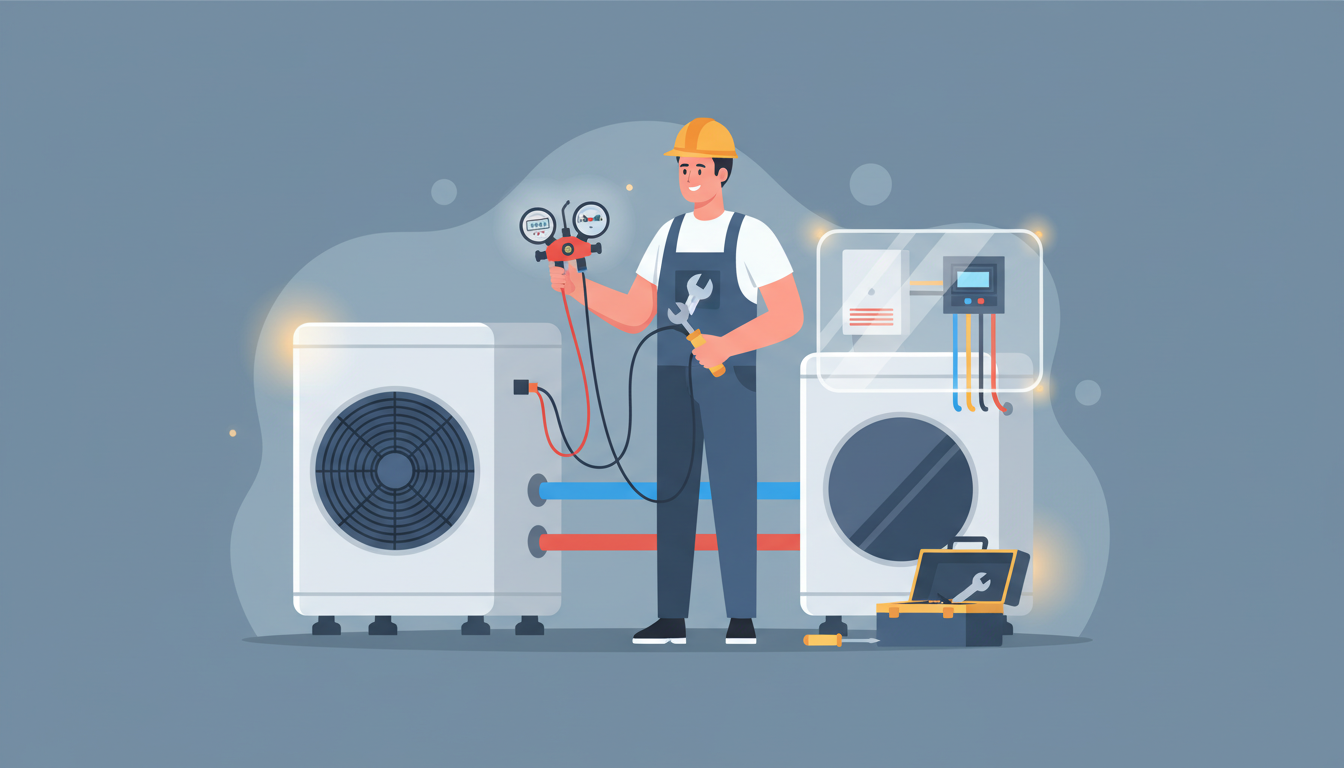
These tests require diagnostic equipment most homeowners don't own—manifold gauges, multimeters, manometers, combustion analyzers, and thermal cameras.
The Value of Professional Documentation
Professional maintenance creates a service history that tracks your system's performance over time. This documentation helps identify developing problems before they cause breakdowns and provides proof of maintenance for warranty claims.
To understand what information should be included in professional service reports, read our guide on what maintenance reports should include.
Warranty and Insurance Considerations
Why Professional Service Protects Your Investment:
Most HVAC manufacturers require documented professional maintenance to maintain warranty coverage. This isn't just a technicality—it's a significant financial consideration.
How DIY Maintenance Can Void Warranties
Manufacturer warranties typically cover defects in materials and workmanship, but they include specific clauses that void coverage if:
- Unauthorized persons service the unit
- Maintenance records aren't provided
- Damage occurs from improper maintenance
- Refrigerant handling laws are violated
A compressor replacement that would be covered under warranty might cost you $2,000-$3,000 out-of-pocket if warranty coverage is voided by DIY maintenance.
Homeowner's Insurance and Liability
If DIY HVAC work causes a fire, gas explosion, or other damage, your homeowner's insurance may deny the claim if they determine unlicensed work was responsible. Professional HVAC companies carry liability insurance that protects you if something goes wrong during service.
Always keep receipts and service records from professional maintenance. These documents prove you've met warranty requirements and demonstrate responsible homeownership.
DIY Tasks You Can Safely Handle
What Homeowners Should Do:
While many tasks require professionals, there are important maintenance activities you can and should perform yourself:
- Change air filters monthly or quarterly depending on usage and filter type
- Keep outdoor units clear of leaves, grass, and debris (maintain 2 feet of clearance)
- Clean supply and return vents and registers with a vacuum and damp cloth
- Keep indoor units accessible by removing storage items from around them
- Check for unusual noises, odors, or performance issues and report them to your technician
- Schedule professional maintenance twice yearly (spring for cooling, fall for heating)
These simple tasks improve system performance and help you catch problems early before they require expensive repairs.
How to Find a Qualified HVAC Professional
What to Look For:
When choosing an HVAC technician, verify they have:
- Current EPA Section 608 certification for refrigerant handling
- State or local licensing (requirements vary by location)
- Insurance coverage (both liability and workers' compensation)
- Good reviews and references from previous customers
- Transparent pricing without hidden fees
- Membership in professional organizations like ACCA or NATE certification
Don't hesitate to ask for proof of credentials before allowing anyone to work on your system. Legitimate professionals are happy to provide this information.
Frequently Asked Questions
Can I add refrigerant to my AC myself if I buy it online?
No. It's illegal to sell refrigerant to anyone without EPA Section 608 certification. More importantly, if your system is low on refrigerant, it has a leak that must be found and repaired. Simply adding more refrigerant without fixing the leak wastes money and violates environmental regulations.
How often should I have professional HVAC maintenance?
Schedule professional maintenance twice yearly—once in spring before cooling season and once in fall before heating season. This preventive approach catches small problems before they become expensive breakdowns and keeps your system running efficiently.
Will DIY maintenance void my warranty?
It depends on what you do. Simple tasks like changing filters won't affect your warranty, but attempting refrigerant work, electrical repairs, or component replacements almost certainly will. Always check your warranty terms or ask the manufacturer if you're unsure.
What should I do if my HVAC system stops working?
First, check simple issues: verify the thermostat is set correctly, ensure circuit breakers haven't tripped, and confirm the air filter isn't completely clogged. If these don't resolve the problem, call a professional technician. Don't attempt to open panels or diagnose electrical issues yourself.
How much does professional HVAC maintenance cost?
Annual maintenance typically costs $150-$300 per system, depending on your location and the service package. This investment prevents breakdowns, improves efficiency, and extends equipment life—saving you money compared to emergency repairs and premature system replacement.
Conclusion: Safety and Performance Require Professional Expertise
Understanding which HVAC maintenance tasks require professional expertise protects your safety, your equipment, and your wallet. While it's tempting to save money with DIY repairs, the risks associated with refrigerant handling, electrical work, gas systems, and major component service far outweigh any potential savings.
By handling basic maintenance tasks yourself and leaving complex repairs to certified professionals, you'll enjoy reliable comfort, lower energy bills, and peace of mind knowing your system is safe. Schedule your professional tune-up today and establish a maintenance routine that keeps your HVAC system running efficiently for years to come.
Remember: when it comes to HVAC maintenance, knowing your limits isn't admitting defeat—it's making the smart choice that protects your home, your family, and your investment. Trust the professionals for tasks that require specialized training, and you'll avoid the costly mistakes that come from well-intentioned but dangerous DIY attempts.