When a Mechanical HVAC Failure Means Replacement Is Near
When a Mechanical HVAC Failure Means Replacement Is Near
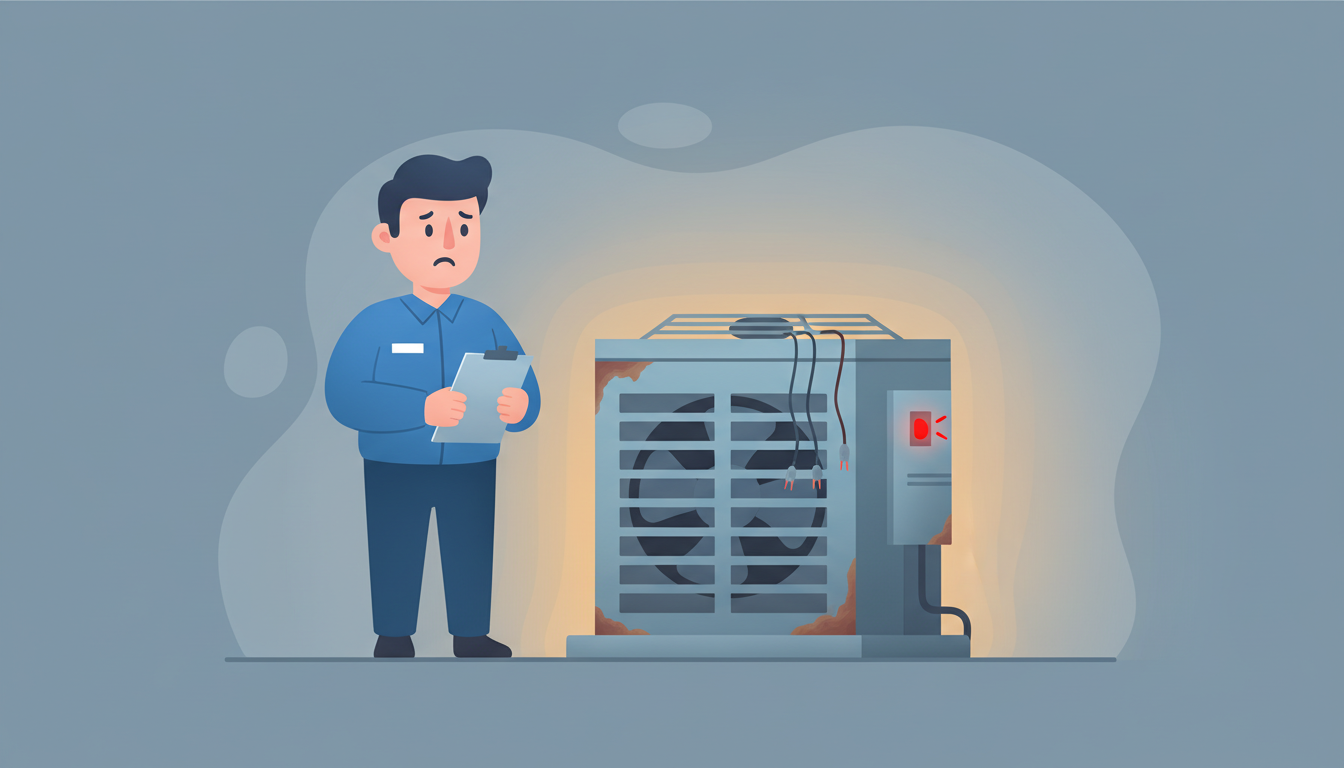
Your air conditioner just made a grinding noise that woke you up at 2 AM. Or maybe your furnace stopped heating entirely on the coldest night of winter. When mechanical HVAC failure strikes, you're facing a critical decision: repair or replace? Understanding which mechanical failures signal the end of your system's life can save you thousands of dollars and prevent emergency breakdowns when you need climate control the most.
What Is a Mechanical HVAC Failure?
A mechanical HVAC failure occurs when physical components inside your heating or cooling system stop working properly due to wear, damage, or age. Unlike electrical issues or thermostat problems, mechanical failures involve the moving parts and core components that actually generate heating or cooling.
Your HVAC system contains several critical mechanical components. The compressor pressurizes refrigerant to enable heat transfer. The blower motor circulates air throughout your home. Heat exchangers transfer warmth from combustion gases to your air supply. When these parts fail, they often require expensive repairs—or signal that replacement makes more financial sense.
The Most Common Mechanical Failures That Lead to Replacement
Compressor Failure: The Heart of Your AC System
Your compressor is the most expensive single component in your air conditioning system. When a compressor fails, you're looking at repair costs between $1,500 and $3,000—often 50-70% of a complete system replacement cost.
Compressor failure symptoms include loud grinding or clicking noises, the outdoor unit not running, or warm air blowing from vents. If your AC is over 10 years old and the compressor fails, replacement almost always makes better financial sense than repair.
Cracked Heat Exchanger: A Safety Hazard
A cracked heat exchanger in your furnace isn't just expensive—it's dangerous. Cracks allow carbon monoxide to leak into your home's air supply, creating a serious health risk for your family.
Heat exchanger replacement can cost $1,500 to $3,500 depending on your furnace type. Because this repair requires extensive labor and the heat exchanger is central to your furnace's function, most HVAC professionals recommend full system replacement when this component fails, especially in systems over 12 years old.
Blower Motor Burnout: When Air Stops Moving
Your blower motor runs thousands of hours each year, pushing conditioned air through your ductwork. When it burns out, you'll notice weak airflow, no air movement at all, or strange humming sounds from your air handler.
Blower motor replacement typically costs $400 to $1,500. While this might seem repairable, a failed blower motor in an older system often indicates that other components are nearing failure too. If your system is approaching 15 years old, consider replacement instead of sinking money into aging equipment.
Refrigerant Leaks in the Evaporator Coil
Evaporator coil leaks cause your AC to gradually lose cooling power. You might notice ice forming on the outdoor unit, higher humidity indoors, or rooms that never quite reach the temperature you want.
Replacing an evaporator coil costs $1,000 to $2,500. However, if your system uses R-22 refrigerant (Freon), which was phased out in 2020, you're better off replacing the entire system. New systems use R-410A refrigerant, are significantly more energy-efficient, and won't require expensive refrigerant that's increasingly hard to source.
The $5,000 Rule: Your Financial Decision Point
HVAC professionals use a simple formula to help homeowners decide between repair and replacement. Multiply your system's age by the estimated repair cost. If the result exceeds $5,000, replacement is typically the smarter investment.
Here's how it works in practice:
- 12-year-old system × $500 repair = $6,000 (replace it)
- 8-year-old system × $800 repair = $6,400 (replace it)
- 5-year-old system × $1,200 repair = $6,000 (replace it)
- 15-year-old system × $300 repair = $4,500 (repair it)
This rule accounts for both the financial investment and the likelihood of future failures. Older systems with expensive repairs will likely need additional work soon, making replacement the better long-term value.
How System Age Impacts the Replacement Decision
Air Conditioner and Heat Pump Lifespan
Air conditioning systems and heat pumps typically last 10-15 years with proper maintenance. After 12 years, expect more frequent mechanical failures as components wear out.
If your AC is 10+ years old and experiencing its second major repair, you're entering the danger zone. Each additional repair becomes a gamble on how much longer the system will last.
Furnace Longevity
Gas furnaces can last 15-20 years, while electric furnaces sometimes reach 20-30 years. However, furnace efficiency drops significantly after 15 years of operation.
A 15-year-old furnace experiencing mechanical failure is statistically near the end of its useful life. Replacement gives you improved efficiency, better performance, and peace of mind for the next 15-20 years.
Warning Signs Your Mechanical Failure Is More Serious
Strange Noises That Indicate Component Damage
Not all HVAC noises mean immediate replacement, but certain sounds signal serious mechanical problems:
- Grinding: Metal-on-metal contact, often from bearing failure
- Screeching: Belt problems or motor bearing damage
- Banging: Loose components or failing compressor
- Clicking: Electrical relay issues or failing compressor startup
When you hear these sounds combined with reduced performance, multiple components may be failing simultaneously—a strong indicator that replacement is approaching.
Escalating Repair Frequency
Your first repair in 10 years might be normal wear. But if you're calling for HVAC repair twice a year, your system is telling you it's wearing out.
Track your repair history. When repair costs over three years exceed 50% of a new system's price, you're throwing money at a dying system.
Dramatically Rising Energy Bills
A mechanical failure doesn't always mean your system stops completely. Sometimes components degrade gradually, forcing your HVAC to work harder and consume more energy to achieve the same results.
If your energy bills have increased 20% or more over two years without changes in usage or rates, internal mechanical wear is likely the culprit. An inefficient system costs you money every month—money that could go toward a new, efficient replacement.
When Repair Makes Sense vs. When Replacement Is Inevitable
Situations Where Repair Is Still Smart
Repair makes financial sense when:
- Your system is under 8 years old
- You've maintained it regularly with annual service
- The repair costs less than 30% of replacement cost
- Only one component has failed
- The failed part is still under warranty
Some repairs, like replacing a capacitor ($150-400) or fixing a refrigerant line ($200-600), are reasonable even in older systems if everything else works well.
Red Flags That Indicate Replacement Is Near
Replace rather than repair when:
- Your system is 12+ years old (AC) or 15+ years old (furnace)
- Multiple components have failed in the past 2 years
- You're using R-22 refrigerant (phased out in 2020)
- Repair costs exceed 50% of replacement cost
- Your warranty has expired
- Energy bills keep climbing despite repairs
Making the repair vs. replacement decision isn't always easy, but these guidelines help clarify when you're better off investing in new equipment.
The Hidden Costs of Delaying Replacement
Emergency Replacement Premiums
When you delay replacement until your system fails completely, you lose negotiating power. Emergency HVAC replacement often costs 15-25% more than planned installations because you can't shop around, negotiate pricing, or wait for seasonal discounts.
Total system failure in summer heat or winter cold also creates health risks for vulnerable family members and potential property damage from temperature extremes.
Cascading Component Failures
One mechanical failure often triggers others. A failing compressor forces your blower motor to work harder. A cracked heat exchanger puts stress on your furnace's control board. Each failure accelerates wear on remaining components.
By the time homeowners replace a system after multiple repairs, they've often spent 60-80% of a new system's cost on repairs over 2-3 years—money that could have gone toward a new, efficient system.
Lost Energy Efficiency
Even if your aging system keeps running, it's costing you money. A 15-year-old AC operates at roughly 10 SEER (Seasonal Energy Efficiency Ratio), while modern systems reach 16-20 SEER or higher.
Upgrading from 10 SEER to 16 SEER can cut your cooling costs by nearly 40%. Over a system's 15-year lifespan, that's thousands in energy savings that offset your replacement investment.
What to Expect From Modern HVAC Replacement
Improved Energy Efficiency and Lower Bills
Today's HVAC systems deliver dramatically better performance per dollar spent on energy:
- Modern ACs: 16-20 SEER vs. 8-10 SEER in older units
- High-efficiency furnaces: 95-98% AFUE vs. 60-80% in old models
- Heat pumps: Can reduce heating costs by 50% compared to electric resistance heating
These efficiency improvements mean lower monthly utility bills from day one—money you can put toward your replacement investment.
Enhanced Comfort and Air Quality
New systems provide better temperature control, improved humidity management, and quieter operation. Many include variable-speed blowers that adjust airflow for consistent comfort rather than the on/off cycling of older single-stage systems.
Modern HVAC systems also integrate with high-efficiency filtration, UV lights, and ventilation systems that dramatically improve indoor air quality—especially important for family members with allergies or respiratory conditions.
Smart Technology Integration
Today's systems work with smart thermostats that learn your schedule, adjust automatically, and can be controlled from your phone. You'll get maintenance reminders, efficiency reports, and alerts about potential problems before they become expensive failures.
This technology helps extend your new system's lifespan through better maintenance and more efficient operation patterns.
How to Make the Final Decision
Get a Professional Assessment
When facing a major mechanical failure, always get a professional inspection before deciding. A qualified HVAC technician can:
- Identify the exact failed component
- Provide accurate repair cost estimates
- Assess remaining system lifespan
- Calculate your potential energy savings with replacement
- Explain financing options for new equipment
Most reputable HVAC companies offer free replacement consultations, giving you detailed information to make an informed decision.
Consider Your Timeline and Budget
If your system fails during peak season (mid-summer or mid-winter), you have less flexibility. However, if you catch problems early or your system is limping along, you can:
- Plan replacement during off-season for better pricing
- Research multiple contractors and compare bids
- Explore financing options and payment plans
- Take advantage of seasonal promotions and rebates
Planning ahead almost always saves money compared to emergency replacement.
Factor in Available Rebates and Incentives
Many utility companies, state programs, and federal tax credits offer incentives for high-efficiency HVAC replacement. These programs can reduce your net cost by $500-$2,000 or more.
Check with your HVAC contractor about available rebates in your area. Often, they'll handle the paperwork and apply discounts directly to your installation cost.
Frequently Asked Questions
How long can I run an HVAC system after a mechanical failure?
It depends on the failure type. A cracked heat exchanger poses immediate carbon monoxide risks and should be shut down immediately. A failing compressor might limp along for weeks but will cause higher energy bills and potential damage to other components. Never ignore mechanical failures—have them assessed by a professional within 24-48 hours.
Can I replace just the outdoor unit or just the furnace?
While technically possible, replacing only half your system often creates problems. The outdoor AC unit and indoor air handler are designed to work together at specific efficiency ratings. Mismatched components reduce efficiency, void warranties, and may violate building codes. Most HVAC professionals recommend replacing both units simultaneously for optimal performance.
Are mechanical failures covered by my warranty?
It depends on your warranty type and timeline. Most manufacturers offer 5-10 year parts warranties, while labor warranties typically last 1-2 years. Extended warranties purchased separately may cover both parts and labor longer. Check your warranty documents, but remember that mechanical failures in systems over 10 years old often fall outside warranty coverage.
What's the average cost difference between major repair and replacement?
Major mechanical repairs (compressor, heat exchanger, evaporator coil) typically cost $1,500-$3,500. Complete HVAC system replacement ranges from $5,000-$10,000 depending on system size, efficiency rating, and installation complexity. When repair costs exceed 50% of replacement cost, replacement usually offers better long-term value.
How quickly can I get a replacement system installed?
Installation timelines vary by season and contractor availability. During off-peak seasons (spring and fall), installation might happen within 3-7 days of signing a contract. Peak season (summer and winter) can mean 1-3 week wait times. Emergency replacements can often be accommodated within 24-48 hours but cost significantly more.
Making the Smart Choice for Your Home
When mechanical HVAC failure strikes, you're not just fixing a problem—you're making an investment decision that affects your comfort, budget, and home value for years to come. Use the $5,000 rule, consider your system's age, and evaluate total ownership costs rather than just immediate repair expenses.
Modern HVAC systems deliver better efficiency, superior comfort, and reliable performance that aging equipment can't match. If your system is showing signs of serious mechanical failure and approaching the end of its expected lifespan, replacement often provides better value than continued repairs.
Don't wait until complete system failure forces an expensive emergency decision. Contact a qualified HVAC professional today for a thorough assessment and honest recommendations based on your specific situation. Your comfort and peace of mind are worth the investment in making the right choice.