When Is No-Heat HVAC Repair an Emergency?
When Is No-Heat HVAC Repair an Emergency?
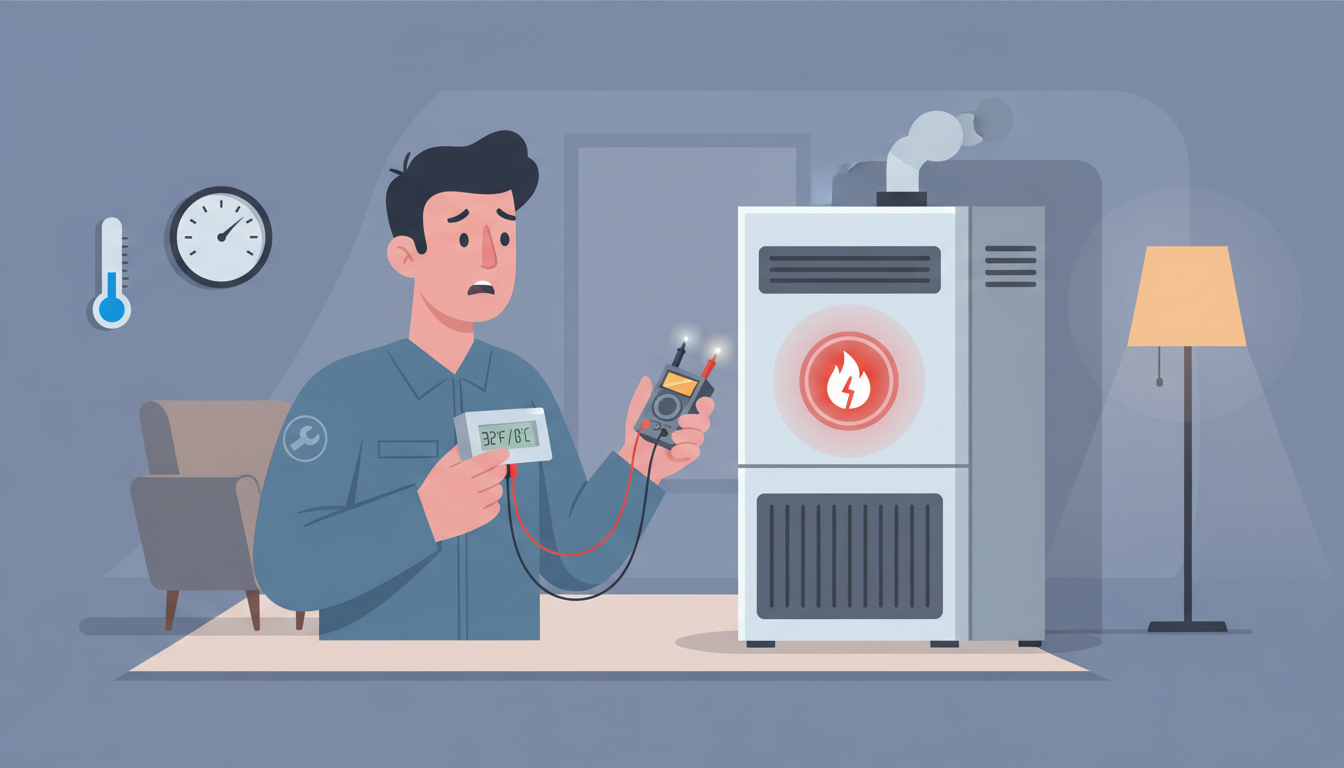
It's the middle of winter, and your furnace just stopped working. You're standing in your cold living room wondering: is this a real emergency, or can it wait until morning? When you're dealing with no heat in your home, knowing when to call for emergency HVAC repair can save you money, protect your property, and keep your family safe.
Not every heating problem requires an emergency call, but some situations demand immediate professional attention. This guide will help you understand exactly when no heat becomes a true emergency and what steps you should take to protect your home and family.
What Makes a No-Heat Situation an HVAC Emergency?
A no heat HVAC emergency is any heating system failure that threatens your health, safety, or property. The key factors that elevate a heating problem from inconvenient to urgent include outdoor temperature, vulnerable household members, safety hazards, and the risk of property damage.
Temperature is the biggest factor. When outdoor temperatures drop to 40°F or below, a furnace breakdown becomes an emergency. Your home loses heat quickly in cold weather, and indoor temperatures can reach unsafe levels within hours.
Vulnerable people change the equation. If you have infants, elderly family members, or anyone with health conditions in your home, even mild cold becomes dangerous. Hypothermia can develop at indoor temperatures below 60°F, especially for at-risk individuals.
Safety hazards demand immediate action. Gas smells, burning odors, smoke, sparks, or carbon monoxide detector alarms all indicate life-threatening problems that require shutting down your system and calling for emergency heating repair immediately.
For more information on recognizing when you need urgent help, check out our HVAC repair emergency guide.
Clear Signs You Need Emergency Heating Repair
Complete Loss of Heat in Cold Weather
When your furnace stops producing warm air and outdoor temperatures are at or below 40°F, this is a straightforward emergency. Your home can lose significant heat within 2-4 hours, especially if you have poor insulation or older windows.
Why it's urgent: Indoor temperatures dropping below 55°F create serious health risks for everyone in your home. Prolonged exposure to cold can cause hypothermia, respiratory problems, and dangerous complications for people with chronic conditions.
Gas Leak or Strange Odors
If you smell rotten eggs (the odor added to natural gas), this is the most serious heating emergency. Natural gas leaks are life-threatening and can cause explosions or carbon monoxide poisoning.
What to do immediately:
- Leave your home right away
- Don't turn on lights or use any electrical devices
- Call 911 and your gas company from outside
- Don't return until professionals declare it safe
Burning smells, electrical odors, or smoke coming from your furnace also require immediate attention. These indicate electrical problems, overheating components, or potential fire hazards.
Water Leaks or Frozen Pipe Risk
When your heating system fails in freezing weather, your pipes are at serious risk. Water pipes typically freeze when indoor temperatures drop below 50°F for several hours. Frozen pipes can burst, causing thousands of dollars in water damage.
Early warning signs:
- Reduced water flow from faucets
- Frost on exposed pipes
- Unusual sounds from pipes (creaking or banging)
- Indoor temperature below 55°F
If you notice any of these signs along with no heat, you're facing a time-sensitive emergency that could cause major property damage.
Carbon Monoxide Detector Activation
Your carbon monoxide (CO) detector going off is always an emergency, even if you're not sure what's causing it. Faulty furnaces are a leading cause of carbon monoxide poisoning in homes.
CO poisoning symptoms include:
- Headaches
- Dizziness
- Nausea
- Confusion
- Flu-like symptoms affecting everyone in the home
If your CO detector sounds, evacuate immediately, call 911, and don't re-enter until emergency responders clear your home. Your heating system must be inspected before you can safely use it again.
When No Heat Can Wait Until Regular Business Hours
Not every heating problem requires expensive emergency service rates. Understanding when you can safely wait helps you avoid unnecessary costs while still getting the repairs you need.
Mild Weather Conditions
If outdoor temperatures are above 50°F and the forecast shows continued mild weather, you can typically wait for regular business hours. Your home will stay comfortable enough with these temporary solutions:
- Space heaters (used safely with proper ventilation)
- Extra blankets and warm clothing
- Closing off unused rooms to concentrate warmth
- Opening curtains during sunny days for passive solar heating
Minor Issues You Can Troubleshoot
Before calling for emergency repair, check these common problems that homeowners can often fix:
Thermostat problems:
- Dead batteries in your thermostat
- Incorrect thermostat settings (set to "cool" instead of "heat")
- Temperature set too low
- Programmable schedule set incorrectly
Power issues:
- Tripped circuit breaker at your electrical panel
- Furnace power switch accidentally turned off
- Blown fuse in older electrical systems
Air flow restrictions:
- Dirty air filter blocking airflow (check and replace if needed)
- Closed or blocked air vents throughout your home
- Blocked outdoor heat pump unit (clear snow, ice, or debris)
If troubleshooting these issues restores your heat, you've solved the problem without an emergency call. However, if you're unsure about what you're doing or the problem persists, it's better to call a professional than risk causing further damage.
For a comprehensive checklist of what to verify before calling for help, see our emergency HVAC repair checklist for homeowners.
Special Circumstances That Make No Heat More Urgent
Vulnerable Household Members
The presence of certain people in your home changes the threshold for what constitutes an emergency:
Infants and young children cannot regulate their body temperature as effectively as adults. Indoor temperatures below 68°F can be uncomfortable and potentially harmful for babies.
Elderly adults are at higher risk for hypothermia, even at temperatures that seem mild. Adults over 65 should not be exposed to indoor temperatures below 65°F for extended periods.
People with chronic health conditions such as heart disease, respiratory problems, or diabetes face increased health risks in cold environments. Cold stress can trigger serious medical episodes.
Pets also suffer in cold temperatures. Dogs and cats can experience hypothermia, though they typically tolerate cold better than humans.
If anyone in these categories lives in your home, lower your threshold for calling emergency heating repair. What might be manageable for healthy adults becomes genuinely dangerous for vulnerable populations.
Time of Day Matters
A heating system failure at 2 PM on a Tuesday is different from one at 10 PM on a Saturday. Consider these timing factors:
Evening and overnight failures are more concerning because temperatures drop at night, and you'll spend 8+ hours without heat while you sleep. If your heat fails after 6 PM and temperatures are below 45°F, treat it as an emergency.
Weekend and holiday breakdowns mean you may not be able to reach regular HVAC services until Monday or after the holiday. If your heat fails Friday evening in cold weather, you could face 2-3 days without heat—definitely call for emergency service.
Forecasted weather should influence your decision. If a cold snap or winter storm is approaching, even a mild current temperature becomes more urgent. Don't wait if severe weather is on the way.
Duration Without Heat
How long can you safely go without heat? It depends on several factors:
First 2-4 hours: Most homes remain reasonably comfortable. Use this time for troubleshooting and deciding if you need emergency service.
4-8 hours: Indoor temperatures begin dropping noticeably. In temperatures below 40°F, your home may lose 2-3°F per hour. Monitor the situation closely.
8-12 hours: Pipe freezing becomes a real risk if outdoor temperatures are below freezing. Your indoor temperature may drop to unsafe levels.
Beyond 12 hours: You're facing serious risks of frozen pipes, unsafe indoor temperatures, and potential health hazards. Emergency repair is necessary.
How Emergency HVAC Repair Differs from Regular Service
Understanding what makes emergency service different helps you make informed decisions about when to call.
Availability and Response Time
Emergency HVAC services operate 24/7, including nights, weekends, and holidays. Most emergency services aim to arrive within 2-4 hours of your call, though severe weather or high demand can extend response times.
Regular service appointments are scheduled during business hours, typically Monday through Friday, 8 AM to 5 PM. You might wait 1-3 days for an appointment during busy seasons.
Cost Considerations
Emergency heating repair costs more than regular service—usually 50-100% more. Additional costs include:
- After-hours service fees ($75-200)
- Weekend and holiday surcharges
- Priority service premiums
- Potential overtime labor rates
However, emergency service may actually save you money by:
- Preventing frozen pipe damage (average cost: $5,000-$10,000)
- Avoiding hotel stays for your family
- Protecting temperature-sensitive belongings
- Preventing health emergencies that require medical care
For most homeowners, paying extra for emergency service is worthwhile when facing genuine safety risks or property damage.
What Emergency Technicians Can Do
Emergency HVAC technicians focus on restoring heat as quickly as possible. They carry common parts and diagnostic tools to handle frequent failure points:
- Igniter replacements
- Flame sensor cleaning or replacement
- Thermostat repairs
- Blower motor issues
- Basic electrical repairs
- Safety control replacements
However, they may not carry specialized parts for older or uncommon systems. In some cases, emergency service provides a temporary fix to restore heat, with a follow-up appointment needed for complete repairs.
Steps to Take When Your Heat Fails
Following the right sequence protects your safety and helps technicians diagnose problems faster.
Immediate Safety First
-
Check for gas smells. If you detect gas odor, evacuate immediately and call 911.
-
Listen to carbon monoxide detectors. If the alarm sounds, evacuate and call emergency services.
-
Look for visible hazards. Smoke, flames, sparks, or burning smells mean you should shut off power to your furnace at the circuit breaker and call for emergency help.
If none of these safety concerns are present, proceed with basic troubleshooting.
Basic Troubleshooting Steps
-
Check your thermostat. Verify it's set to "heat" mode, the temperature is set higher than current room temperature, and batteries aren't dead.
-
Inspect your circuit breaker panel. Look for tripped breakers and reset them. If the breaker trips again immediately, you have an electrical problem requiring professional service.
-
Examine your air filter. A severely clogged filter can cause your furnace to shut down. Replace it if it's dirty.
-
Check your outdoor unit (if you have a heat pump). Clear any snow, ice, or debris blocking airflow.
-
Verify your furnace switch is on. This looks like a light switch near your furnace and is sometimes accidentally turned off.
For detailed troubleshooting guidance, our HVAC repair guide walks through common problems and solutions.
Protect Your Home While Waiting
If you've called for emergency service and are waiting for a technician:
Prevent pipe freezing:
- Open cabinet doors under sinks to allow warm air circulation
- Let faucets drip slightly to keep water moving
- Keep interior doors open to distribute residual heat
- Consider turning off your main water supply if temperatures drop below 50°F
Maintain some warmth:
- Use space heaters safely (never leave unattended, keep away from flammable materials)
- Close blinds and curtains at night to reduce heat loss
- Hang blankets over doorways to unused rooms
- Use your oven for cooking (but never for space heating—this creates carbon monoxide risks)
Monitor conditions:
- Check indoor temperature every hour
- Watch for signs of frozen pipes
- Keep your phone charged in case you need to evacuate
- Have a backup plan (friend or family, hotel) if conditions become unsafe
Preventing No-Heat Emergencies
While some heating failures are unavoidable, proper maintenance dramatically reduces your risk of emergency breakdowns.
Annual Maintenance is Essential
Professional HVAC maintenance should happen every fall before heating season begins. A thorough inspection includes:
- Cleaning and testing the ignition system
- Inspecting the heat exchanger for cracks
- Testing safety controls and limit switches
- Checking electrical connections
- Cleaning blower components
- Testing thermostat calibration
- Inspecting venting systems
- Measuring system performance
Statistics show that homeowners with annual maintenance are 50% less likely to experience emergency breakdowns compared to those who skip regular service. The average maintenance visit costs $80-150, while emergency repairs average $300-1,500—making prevention far more cost-effective.
Replace Your Air Filter Regularly
Dirty air filters are the leading cause of preventable HVAC failures. A clogged filter:
- Restricts airflow, causing your furnace to overheat
- Triggers safety shutdowns
- Increases energy consumption by 15-20%
- Reduces system lifespan
Change your filter every 30-90 days depending on:
- Filter type and quality
- Number of occupants and pets
- Local air quality
- System runtime
Set a reminder on your phone or purchase filters with built-in change indicators.
Know Your System's Age
Furnaces typically last 15-20 years with proper maintenance. Heat pumps last 10-15 years. If your system is approaching these ages, emergency failures become more likely.
Signs your system is aging:
- Increasing repair frequency
- Rising energy bills
- Uneven heating throughout your home
- Rust or corrosion on components
- Strange noises during operation
Consider proactive replacement before an emergency forces your hand during the coldest part of winter when HVAC companies are busiest and prices are highest.
Frequently Asked Questions
Is no heat always considered an emergency?
No, not always. No heat is an emergency when outdoor temperatures are 40°F or below, when vulnerable people are in your home, or when safety hazards are present. In mild weather, you can typically wait for regular business hours to schedule service.
How quickly should I call for help when I have no heat?
Call immediately if you have gas smells, smoke, carbon monoxide detector activation, or outdoor temperatures below 40°F. If temperatures are moderate and you have no vulnerable household members, try basic troubleshooting for 1-2 hours before calling. If troubleshooting doesn't work or you're uncomfortable doing it, call a professional.
What temperature triggers frozen pipes?
Pipes can begin freezing when indoor temperatures drop to 50°F or below, especially pipes in exterior walls, crawl spaces, or unheated areas. The risk becomes severe below 45°F. If your home is below 50°F and dropping, take immediate action to prevent pipe damage.
How much does emergency heating repair cost?
Emergency HVAC repair typically costs $300-$1,500 depending on the problem, time of day, and parts needed. Expect to pay after-hours fees of $75-200 plus higher labor rates. Simple repairs like replacing an igniter cost less ($150-400), while major component failures can exceed $1,000. However, this cost is often less than damage from frozen pipes or hotel stays for your family.
Should I try to fix my furnace myself?
Only attempt basic troubleshooting like checking your thermostat, replacing your air filter, resetting your circuit breaker, or clearing debris from your outdoor unit. Never attempt repairs involving gas lines, electrical components, or internal furnace parts. These require professional expertise and specialized tools. DIY repairs can create safety hazards, void warranties, and cause more expensive damage.
Don't Wait When Safety Is at Risk
When you're facing a no heat HVAC emergency, quick action protects your family and your property. If outdoor temperatures are below 40°F, if you have vulnerable household members, or if you notice any safety hazards like gas smells or carbon monoxide detector activation, call for emergency heating repair immediately.
For situations that can wait, basic troubleshooting may solve simple problems and save you emergency service fees. However, never compromise safety or risk property damage to save money.
At Quick HVAC Fix, we understand that heating emergencies don't follow a 9-to-5 schedule. Our experienced technicians are available 24/7 to restore warmth and safety to your home when you need it most. Don't spend another cold hour wondering if you should call—reach out now for fast, professional emergency heating repair.