Why Does My Outdoor Unit Click but Not Turn On?
Why Does My Outdoor Unit Click but Not Turn On?
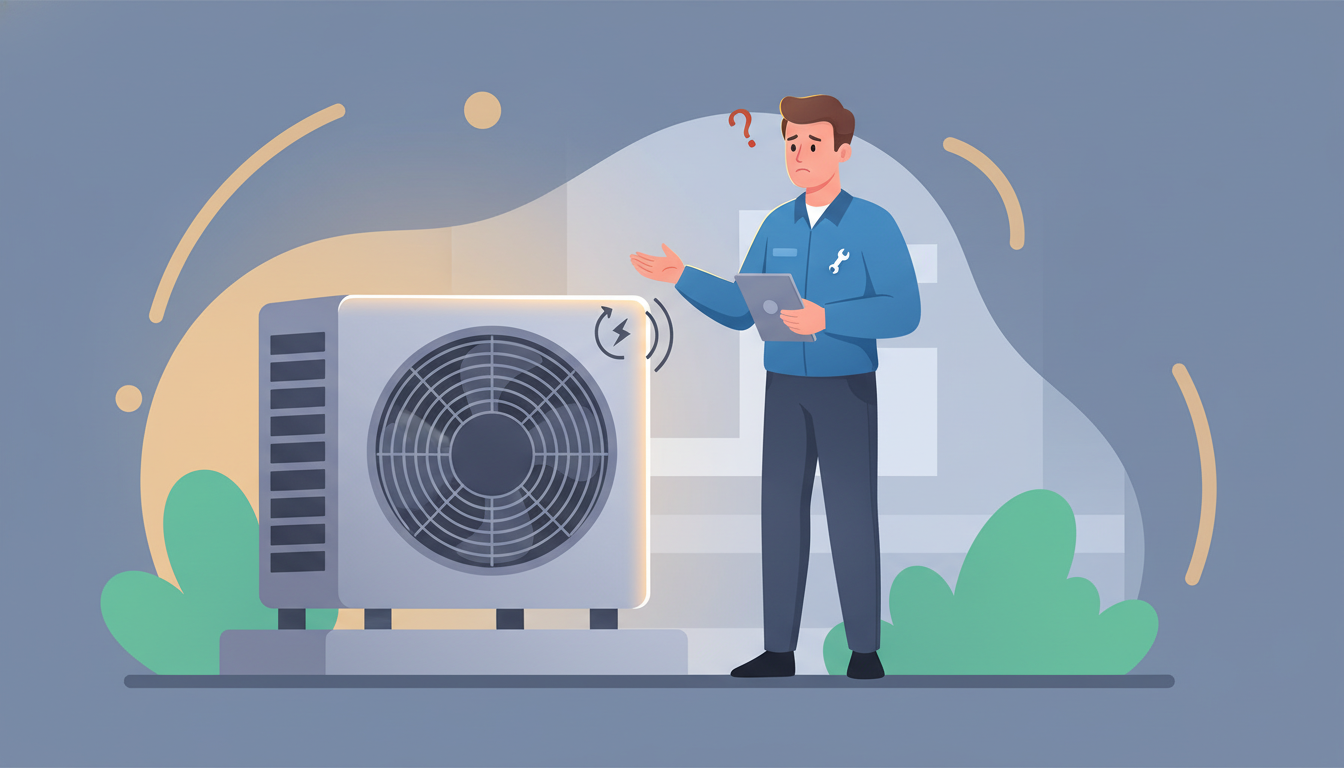
You flip on your thermostat, expecting cool relief on a hot day, but instead you hear a clicking sound from your outdoor AC unit—and nothing happens. The clicking noise tells you your system is trying to start, but something is preventing it from firing up. This frustrating problem is more common than you think, and the good news is that understanding what causes it can help you get your air conditioner running again quickly.
In this guide, we'll walk you through the most common reasons your outdoor unit clicks but won't turn on, explain what each clicking pattern means, and give you actionable troubleshooting steps to try before calling a professional.
Understanding the Clicking Sound From Your Outdoor Unit
When your AC system tries to start, it goes through a specific sequence of electrical events. The thermostat sends a signal to the control board, which activates the contactor, which then powers the compressor and condenser fan. Each of these steps can produce a clicking sound.
A single click followed by the unit starting up is completely normal. However, if you hear repeated clicking without the unit turning on, or a single click followed by silence, this indicates a problem somewhere in the startup sequence.
The clicking sound you're hearing is typically the contactor trying to close its electrical contacts. When everything is working properly, this click is followed immediately by the hum of the compressor motor and the whoosh of the condenser fan. When you hear clicking without these sounds, something is preventing the system from completing its startup cycle.
Common Causes of an Outdoor Unit That Clicks but Won't Turn On
Faulty Capacitor
The capacitor is one of the most common culprits when your outdoor unit clicks but won't start. This small cylindrical component stores electrical energy and releases it in a powerful burst to jumpstart your compressor motor and fan motor.
Over time, capacitors weaken and eventually fail. When a capacitor starts to go bad, it can't deliver the electrical boost needed to get the motors spinning. You'll hear the contactor click as it tries to send power, but the compressor can't start without that capacitor kick.
Signs of a bad capacitor:
- Clicking followed by a humming or buzzing noise
- The outdoor unit tries to start but shuts off quickly
- A burning smell near the outdoor unit
- A visibly bulging or leaking capacitor (if you open the access panel)
Capacitors typically last 10-20 years, but extreme heat, power surges, and frequent cycling can shorten their lifespan. If you notice your AC struggling to start or running less efficiently, the capacitor might be on its way out.
Broken Contactor
The contactor acts as a heavy-duty switch that controls power flow to your compressor and condenser fan. When your thermostat calls for cooling, it sends a low-voltage signal that energizes the contactor coil, which then closes two electrical contacts to complete the high-voltage circuit.
A faulty contactor is often the reason you hear clicking but nothing else happens. The contactor coil might energize and create the clicking sound, but if the electrical contacts are pitted, burned, or stuck, they won't close properly to complete the circuit.
Signs of a bad contactor:
- Single click with no other sounds
- Visible pitting or burning on the contact points
- The contactor feels hot to the touch even when the system isn't running
- Contacts that appear welded together or stuck in one position
Contactors typically wear out after 5-10 years of regular use. If your system is older or has experienced electrical issues, the contactor contacts may have degraded faster.
Electrical Issues: Circuit Breaker or Fuse Problems
Sometimes the problem isn't with your AC unit at all—it's with the electrical supply. Your outdoor unit requires a dedicated circuit breaker, typically 30-60 amps depending on the unit size. If this breaker trips, your system loses power.
When the breaker is tripped or partially tripped, the control board might still receive enough power to attempt a startup (causing the click), but not enough to actually run the compressor. This creates the clicking sound without the unit turning on.
How to check for electrical issues:
- Go to your main electrical panel and locate the breaker labeled for your AC unit
- Check if the breaker is in the "off" or middle position
- Turn it fully off, then back on to reset it
- Also check the disconnect box near your outdoor unit for blown fuses
If your breaker trips repeatedly, this indicates a more serious electrical problem like a short circuit, ground fault, or compressor failure. Don't keep resetting a breaker that keeps tripping—this is a sign you need professional help.
Malfunctioning Thermostat
Your thermostat is the command center for your HVAC system. If it's not functioning correctly, it can send incorrect signals to your outdoor unit, causing startup problems.
Common thermostat issues that cause clicking:
- Dead or weak batteries (for battery-powered thermostats)
- Corroded or loose wiring connections
- Dust buildup on the temperature sensor
- Incorrect thermostat settings or programming
- A failed thermostat that needs replacement
Before assuming the problem is with your outdoor unit, verify that your thermostat is set to "cool" mode, the temperature is set lower than the current room temperature, and the fan is set to "auto" or "on." For more guidance on thermostat issues, check out our comprehensive HVAC repair guide.
Failing Control Board or Relay
Your outdoor unit's control board orchestrates the entire startup sequence. It receives the signal from your thermostat and activates various components in the right order. A relay on this board acts as a switch that controls the contactor.
When the control board or relay fails, you might hear clicking as the relay attempts to activate, but the signal doesn't complete properly. This can happen due to:
- Power surges or lightning strikes
- Moisture infiltration
- Normal wear and tear over time
- Manufacturing defects
Control board failures are less common than capacitor or contactor problems, but they do happen, especially in older systems or units that have experienced electrical issues.
Frozen Evaporator Coils
While less common, frozen evaporator coils can prevent your outdoor unit from starting. When your indoor coils freeze, the system's safety controls may prevent the compressor from running to avoid damage.
Ice buildup typically happens due to:
- Restricted airflow from dirty air filters
- Low refrigerant levels
- Blocked return air vents
- Running the AC when outdoor temperatures are below 60°F
If you suspect frozen coils, turn off your system completely and let it thaw for several hours. Check your air filter and replace it if it's dirty. If the problem persists, you may have a refrigerant leak that requires professional repair.
Compressor Problems
The compressor is the heart of your AC system, and when it starts to fail, you may hear clicking as the system tries unsuccessfully to start it. A seized compressor creates a high electrical draw that immediately trips the overload protection, resulting in a click but no startup.
Compressor issues are serious and typically require professional diagnosis. Warning signs include:
- Very loud clicking or clunking sounds
- The unit shakes or vibrates when trying to start
- Circuit breaker trips immediately when the AC tries to start
- A burning smell from the outdoor unit
Troubleshooting Steps You Can Try Before Calling a Technician
Before scheduling a service call, there are several safe troubleshooting steps you can take to potentially resolve the issue yourself.
Step 1: Check Your Thermostat
Start with the simplest solution. Make sure your thermostat has fresh batteries (if applicable), is set to "cool" mode, and is calling for a temperature at least 3-5 degrees below the current room temperature. Try turning the system completely off for 5 minutes, then back on.
Step 2: Reset the Circuit Breaker
Go to your electrical panel and find the breaker for your AC unit. Turn it completely off, wait 30 seconds, then turn it back on. Also check the disconnect box near your outdoor unit—it may have fuses that need replacing.
Step 3: Clean Your Outdoor Unit
Turn off power to the unit at the disconnect box. Remove any debris, leaves, or grass clippings from around the outdoor unit. Make sure there's at least 2 feet of clearance on all sides for proper airflow.
Step 4: Check and Replace Your Air Filter
A severely clogged air filter can cause low airflow, which triggers safety switches that prevent your system from starting. Check your filter and replace it if it's dirty. This simple step solves many AC problems and is essential for system efficiency.
Step 5: Listen Carefully to the Clicking Pattern
Pay attention to what happens after the click:
- Click followed by humming: Likely a bad capacitor
- Click only, no other sounds: Probably a failed contactor
- Repeated rapid clicking: Could be a relay or control board issue
- Click then immediate shutdown: May indicate electrical overload or compressor problems
For more detailed troubleshooting tips on AC startup issues, see our guide on AC units that start hard or struggle to turn on.
Step 6: Visual Inspection (Power OFF)
Warning: Only do this if you're comfortable working around electrical equipment. Always turn off power at the disconnect box first.
With power off, you can remove the access panel on your outdoor unit and visually inspect the capacitor and contactor:
- Look for a bulging, leaking, or corroded capacitor
- Check the contactor for pitted or burned contacts
- Look for any obvious burn marks, damaged wires, or loose connections
If you see any of these issues, you've likely found your problem. However, replacing these components should be done by a qualified HVAC technician unless you have electrical experience.
When to Call an HVAC Professional
While some troubleshooting is safe for homeowners, certain situations require professional expertise:
- Your circuit breaker keeps tripping after you reset it
- You see visible damage to electrical components
- Your system is more than 10 years old and experiencing multiple issues
- You smell burning or notice smoke
- The compressor makes loud grinding or clanking noises
- You've tried basic troubleshooting and the problem persists
HVAC technicians have specialized tools like multimeters, amp meters, and refrigerant gauges that allow them to diagnose problems accurately. They can safely work with high-voltage electrical components and handle refrigerant, which requires EPA certification.
If you need help with central air conditioning repairs, our central AC repair guide provides additional information on what to expect from professional service.
Preventive Maintenance to Avoid Clicking Problems
Most AC clicking problems can be prevented with regular maintenance. Here's what you should do to keep your system running smoothly:
Monthly Tasks
- Replace or clean your air filter (every 30-90 days depending on usage)
- Clear debris from around your outdoor unit
- Check that all vents inside your home are open and unobstructed
Seasonal Tasks
- Schedule professional AC maintenance before cooling season begins
- Inspect visible wiring and electrical connections for damage
- Clean your outdoor unit's fins and coils
- Test your thermostat to ensure accurate temperature readings
Annual Professional Maintenance
A yearly tune-up by a licensed HVAC technician includes:
- Capacitor testing and replacement if needed
- Contactor inspection and cleaning
- Refrigerant level check and adjustment
- Electrical connection tightening
- Coil cleaning and airflow optimization
- Control board and safety switch testing
Regular maintenance not only prevents clicking startup problems but also improves energy efficiency, extends your system's lifespan, and helps you avoid costly emergency repairs on the hottest days of summer.
Understanding Repair Costs
If professional repair is needed, here are typical cost ranges for common fixes:
- Capacitor replacement: $150-$400
- Contactor replacement: $150-$350
- Thermostat replacement: $150-$500
- Control board replacement: $300-$600
- Compressor replacement: $1,500-$2,500
These costs include parts and labor. Your actual costs may vary based on your location, the specific parts needed for your AC model, and the complexity of the repair.
In some cases, if your system is more than 12-15 years old and requires a major repair like compressor replacement, it may be more cost-effective to replace the entire system rather than repair it.
Frequently Asked Questions
Why does my AC click multiple times before starting?
Multiple clicks before startup often indicate a weak capacitor that's struggling to provide enough power to start the compressor. The system tries several times before successfully starting. This is an early warning sign that your capacitor needs replacement soon.
Can I replace the capacitor or contactor myself?
While technically possible if you have electrical experience, working with AC capacitors and contactors is dangerous. Capacitors store significant electrical charge even when power is off, and they can deliver a serious shock. Unless you're trained in HVAC electrical work, it's safer to hire a professional.
How long does a capacitor typically last?
Most AC capacitors last 10-20 years under normal conditions. However, extreme heat, frequent power surges, and heavy usage can shorten this lifespan significantly. In hot climates where AC units run constantly, capacitors may need replacement every 8-10 years.
Will my AC clicking problem get worse if I ignore it?
Yes. When components like capacitors or contactors start failing, they stress other parts of your system. A failing capacitor can damage your compressor motor by causing it to overheat. What starts as a $200 capacitor replacement can turn into a $2,000 compressor replacement if ignored.
Is it normal for my AC to click once when it starts?
Absolutely. A single click when your AC starts is the normal sound of the contactor closing. This is immediately followed by the compressor and fan starting up. Only repeated clicking or clicking without the unit starting indicates a problem.
Conclusion: Don't Let a Clicking AC Ruin Your Comfort
When your outdoor unit clicks but won't turn on, you're dealing with an electrical or mechanical issue that's preventing your system from completing its startup sequence. While the problem can be caused by anything from a simple tripped breaker to a failed compressor, most cases involve the capacitor or contactor—two components that are relatively affordable to replace.
Start with the basic troubleshooting steps outlined in this guide: check your thermostat, reset the breaker, clean the outdoor unit, and replace your air filter. These simple actions resolve many clicking problems without professional help.
However, if basic troubleshooting doesn't solve the issue, don't hesitate to call a qualified HVAC technician. Attempting complex electrical repairs without proper training is dangerous, and delaying professional repair can turn a minor problem into a major expense.
Regular preventive maintenance is your best defense against clicking startup problems. Annual professional tune-ups catch failing components before they leave you without cooling on the hottest day of summer.
Ready to get your AC running again? If you've tried the troubleshooting steps in this guide and your outdoor unit still clicks without turning on, it's time to contact a licensed HVAC professional who can safely diagnose and repair the issue.