Why Is My Outdoor Unit Fan Running Slowly?
Why Is My Outdoor Unit Fan Running Slowly?
Is your outdoor AC unit's fan spinning, but at what seems like a snail's pace? You're not alone. A slow-running outdoor unit fan is one of the most common HVAC issues homeowners face, especially during peak cooling season. While it might seem like a minor annoyance, this problem can lead to serious consequences like reduced cooling efficiency, higher energy bills, and even complete system failure if left unchecked.
In this guide, we'll walk you through everything you need to know about why your outdoor unit fan might be running slowly, how to diagnose the problem, and what steps you can take to fix it—whether that's a simple DIY solution or calling in a professional.
Understanding Your Outdoor Unit Fan's Role
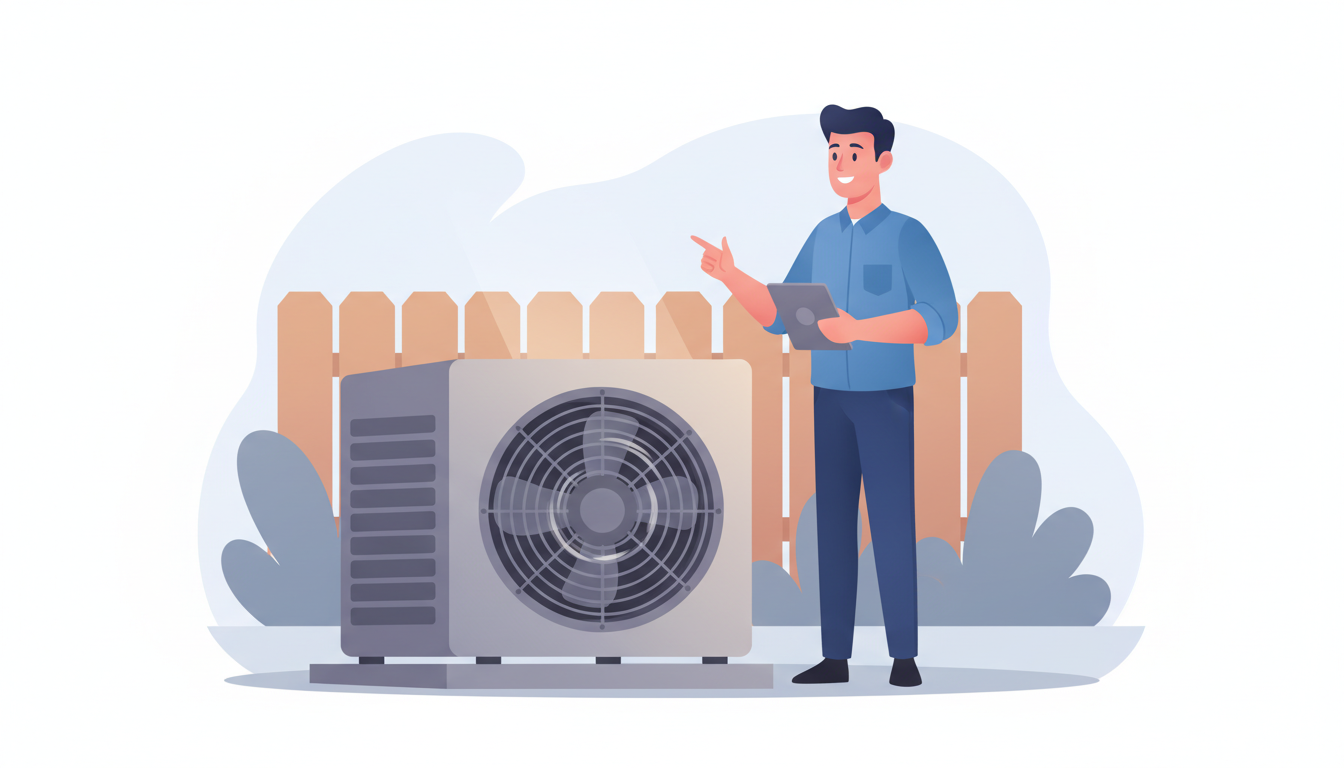
Before we dive into troubleshooting, it's important to understand what your outdoor unit fan actually does. Also called the condenser fan, this component sits on top of your outdoor AC unit and serves a critical function in your cooling system.
The fan's job is to pull air across the condenser coils, which helps release the heat that was absorbed from inside your home. When the fan runs slowly or inefficiently, heat can't dissipate properly, causing your entire system to work harder and cool less effectively.
Normal fan speed typically ranges from 700 to 900 RPM (revolutions per minute) for most residential systems, though this can vary by model and whether you have a variable-speed system. If your fan is visibly slower than usual or barely moving, you've got a problem that needs attention.
Common Causes of a Slow-Running Outdoor Fan
1. Failed or Weak Capacitor (The #1 Culprit)
The run capacitor is by far the most common reason for a slow-spinning outdoor fan. This small cylindrical component provides the electrical boost needed to keep your fan motor running at proper speed.
How capacitors fail: Over time, capacitors lose their ability to hold an electrical charge. Extreme heat, power surges, and normal wear all contribute to capacitor degradation. A weak capacitor can't provide enough power to maintain full fan speed, resulting in sluggish rotation.
Signs of capacitor failure:
- Fan starts slowly or struggles to start
- Humming or buzzing sound from the outdoor unit
- Fan speed varies or slows down over time
- System shuts off after running briefly
If you suspect a bad capacitor, don't delay—running your AC with a failing capacitor can damage the compressor, leading to repairs that cost thousands of dollars instead of the $150-$300 it typically costs to replace a capacitor. For more general HVAC troubleshooting tips, check out our HVAC repair guide.
2. Dirty or Seized Fan Motor Bearings
The fan motor contains bearings that allow the shaft to spin freely. When these bearings get dirty, dry out, or wear down, friction increases and the fan can't maintain proper speed.
What causes bearing problems:
- Lack of lubrication in older systems
- Dirt and debris working into the motor housing
- Age and normal wear (most motors last 10-15 years)
- Moisture damage from exposure to elements
Symptoms of bearing issues:
- Grinding, squealing, or screeching sounds
- Fan that spins freely when pushed by hand but struggles when powered
- Visible wobble or uneven rotation
- Motor feels excessively hot to the touch
Some older fan motors have oil ports that allow for manual lubrication, but many modern sealed motors can't be serviced this way. If bearings are severely worn, motor replacement is usually the only solution.
3. Low Voltage or Electrical Issues
Your outdoor unit requires a steady supply of 240 volts to operate correctly. When voltage drops below normal levels, the fan motor doesn't receive enough power to maintain full speed.
Common electrical causes:
- Loose or corroded wire connections at the disconnect box
- Problems at the main electrical panel or circuit breaker
- Undersized wiring (especially in older homes)
- Utility company issues affecting neighborhood voltage
- Faulty contactor or relay
If you have a multimeter and feel comfortable working around electrical components, you can check the voltage at your disconnect box. However, for most homeowners, electrical troubleshooting is best left to a qualified HVAC technician or electrician. For issues specific to your condenser fan motor, see our guide on troubleshooting a condenser fan motor that's not spinning.
4. Debris Buildup Around Fan Blades
Your outdoor unit sits exposed to the elements year-round. Leaves, grass clippings, cottonwood seeds, and other debris can accumulate on and around the fan blades, creating resistance that slows rotation.
How debris affects fan speed:
- Direct obstruction preventing free movement
- Added weight on fan blades
- Debris wrapped around the motor shaft
- Blocked air intake reducing overall efficiency
Quick fix: Turn off power to your unit at the disconnect box, remove the top grille (usually held by just a few screws), and carefully clear away any visible debris. While you're at it, spray down the condenser coils with a garden hose to improve heat transfer. This simple maintenance task takes about 15 minutes and can restore proper fan operation.
5. Worn or Damaged Fan Motor
Eventually, all motors wear out. If your outdoor unit is more than 10 years old and the fan has been running slowly despite other repairs, the motor itself may be failing.
Signs of a dying fan motor:
- Increasing slowness over weeks or months
- Motor that runs hot even in mild weather
- Cycling on and off repeatedly
- Complete failure to start even with a new capacitor
Motor replacement typically costs between $300 and $600 including labor, depending on your system type and local labor rates. In some cases, if your entire unit is very old, it might make more financial sense to consider a full system replacement rather than investing in major repairs.
6. Bent or Damaged Fan Blades
Physical damage to the fan blades themselves can create imbalance and drag that slows the fan down.
How blades get damaged:
- Hail storms
- Falling branches or debris
- Accidental contact during maintenance
- Manufacturing defects (rare)
Even a small bend in one blade can create significant wobble and reduced efficiency. If you notice bent blades, they can sometimes be carefully straightened, but replacement is usually recommended to ensure proper balance.
7. Frozen or Restricted Condenser Coils
When the condenser coils become extremely dirty or ice forms on them (which can happen with refrigerant issues), airflow becomes restricted. This increased resistance can cause the fan to slow down as it struggles to pull air through the blockage.
What causes coil freezing:
- Low refrigerant charge (usually from a leak)
- Extremely dirty coils blocking heat transfer
- Running AC in very cold weather
- Restricted airflow from debris
If you see ice on your outdoor unit, turn the system off and let it thaw completely before investigating further. Ice formation is a symptom of a deeper problem that typically requires professional diagnosis.
Normal vs. Abnormal Slow Fan Operation
Not all slow fan operation is a problem. Modern variable-speed AC systems intentionally adjust fan speed based on cooling demand, outdoor temperature, and efficiency optimization.
When slow operation is normal:
- Your system has variable-speed or multi-stage cooling
- Fan slows during lower-demand periods (mild weather, nighttime)
- System cycles through different speeds throughout the day
- Speed changes are smooth and consistent
When it's a problem:
- Fan suddenly runs slower than normal
- Speed is inconsistent or erratic
- Unusual sounds accompany the slow operation
- Your home isn't cooling adequately
- Energy bills have increased unexpectedly
If you're unsure whether your system's behavior is normal, consult your owner's manual or contact the manufacturer. Many newer high-efficiency systems operate differently than older single-speed units.
Safety First: What You Should (and Shouldn't) Do
Before you start troubleshooting your outdoor unit, understand what's safe for homeowners to handle and what requires a professional.
Safe DIY tasks:
- Turning off power at the disconnect box
- Cleaning debris from around the unit
- Hosing down the exterior of the unit (with power off)
- Visual inspection for obvious damage
- Checking the circuit breaker
Leave to professionals:
- Testing or replacing capacitors (they store dangerous voltage even when power is off)
- Any work involving refrigerant
- Electrical diagnostics beyond basic visual inspection
- Motor replacement
- Fan blade replacement on some units
Critical safety rule: Always turn off power to your AC unit at both the outdoor disconnect box AND the circuit breaker before touching anything. The outdoor unit operates on 240 volts, which can be fatal.
How to Diagnose Your Slow Fan Problem
Here's a systematic approach to figuring out what's wrong with your outdoor fan:
Step 1: Visual and Sound Inspection With the system running, stand near your outdoor unit and observe:
- How fast is the fan actually spinning compared to normal?
- Do you hear any unusual sounds (humming, grinding, squealing)?
- Is the top of the unit excessively hot?
- Do you see any obvious damage or debris?
Step 2: Power Down and Clean Turn off all power and remove the top grille. Clean away any debris and inspect the fan blades for damage. Check if the fan spins freely when you rotate it by hand—it should turn smoothly with minimal resistance.
Step 3: Check for Obvious Issues Look for:
- Bent or broken fan blades
- Debris wrapped around the motor shaft
- Loose wire connections
- Signs of animal damage (nests, chewed wires)
- Rust or corrosion on electrical components
Step 4: Professional Diagnosis If you don't find an obvious problem, it's time to call an HVAC technician. They'll use specialized tools to:
- Test capacitor strength with a multimeter
- Check voltage levels throughout the system
- Measure motor amperage draw
- Test for refrigerant issues
- Diagnose control board problems
Most diagnostic service calls cost between $75 and $150, and this fee is often waived if you proceed with the recommended repairs.
Repair Costs: What to Expect
Understanding typical repair costs helps you make informed decisions about fixing versus replacing your system.
| Problem | Typical Cost Range |
|---|---|
| Capacitor replacement | $150 - $300 |
| Fan motor replacement | $300 - $600 |
| Fan blade replacement | $100 - $250 |
| Contactor replacement | $150 - $350 |
| Full condenser unit | $1,500 - $4,000 |
Keep in mind that these are national averages. Costs vary based on your location, system type, and the specific contractor you choose. Emergency or weekend service typically costs 1.5 to 2 times the regular rate.
The Risks of Ignoring a Slow-Running Fan
"Can't I just live with it?" is a question many homeowners ask when faced with a slow but still functioning fan. The short answer: not for long.
Problems that develop from ignoring a slow fan:
Compressor damage: When the fan can't dissipate heat properly, head pressure builds in the system. This forces your compressor to work much harder, shortening its lifespan and potentially causing catastrophic failure. Compressor replacement can cost $1,500-$2,500 or more.
Reduced cooling capacity: Your home won't cool effectively, leading to discomfort and constantly running AC trying to reach the thermostat setting.
Higher energy bills: An inefficient system uses more electricity. A struggling outdoor fan can increase energy consumption by 15-30%.
Complete system shutdown: Many AC units have safety mechanisms that shut down the entire system when temperatures or pressures exceed safe limits. What starts as a slow fan can leave you with no AC at all.
Shortened system lifespan: Every component in your AC system is designed to work together in harmony. When one part underperforms, it creates a domino effect that wears out other components faster.
For comprehensive guidance on central air conditioning repairs, visit our central AC repair guide.
Preventive Maintenance to Avoid Future Problems
An ounce of prevention really is worth a pound of cure when it comes to HVAC systems. Here's how to keep your outdoor fan running at proper speed:
Monthly tasks (during cooling season):
- Visual inspection of the outdoor unit
- Clear debris from around the unit (maintain 2 feet of clearance)
- Listen for unusual sounds when system runs
- Check that fan is spinning at normal speed
Seasonal tasks:
- Hose down the outdoor unit to remove dust and cottonwood
- Trim back vegetation encroaching on the unit
- Check the condition of the concrete pad (should be level)
Annual professional maintenance: Schedule a tune-up each spring before cooling season. A good maintenance visit includes:
- Capacitor testing and replacement if needed
- Lubrication of motor bearings (if applicable)
- Electrical connection tightening
- Refrigerant level check
- Condenser coil cleaning
- Fan blade inspection and balancing
Annual maintenance costs typically run $80-$150 but can catch small problems before they become expensive emergencies. Many HVAC companies offer maintenance plans that include priority service and discounts on repairs.
When to Replace vs. Repair
Sometimes the wisest financial decision is replacement rather than repair, especially with older systems.
Consider replacement if:
- Your AC is more than 12-15 years old
- Repair costs exceed 50% of replacement cost
- You've had multiple expensive repairs in recent years
- Your system uses R-22 refrigerant (being phased out)
- Energy bills have been climbing despite repairs
Repair makes sense if:
- Your system is less than 8 years old
- It's a simple, inexpensive fix like a capacitor
- The rest of the system is in good condition
- You're planning to move soon
A reputable HVAC contractor will give you honest advice about whether repair or replacement makes more sense for your specific situation. Don't be pressured into unnecessary replacement, but also don't throw good money after bad on an aging system.
Frequently Asked Questions
Q: Can I run my AC if the outdoor fan is spinning slowly?
A: You can, but you shouldn't for more than a day or two. Running the system with a slow fan risks damaging the compressor due to inadequate heat dissipation. If you must use your AC before repairs can be made, run it in shorter cycles and monitor the outdoor unit for excessive heat.
Q: Why does my outdoor fan slow down after running for a while?
A: This is a classic sign of a weak capacitor. Capacitors can work fine when cool but fail under load as they heat up. The capacitor provides less boost as it warms, causing the fan to slow progressively. This almost always requires capacitor replacement.
Q: Is it normal for the outdoor fan to stop when the thermostat is satisfied?
A: Yes, completely normal. When your home reaches the set temperature, the entire outdoor unit (fan and compressor) should stop. The indoor blower may continue running briefly to circulate the remaining cool air. What's not normal is the fan stopping while the compressor continues running, or the fan running slower before shutting off.
Q: Can extreme heat cause my outdoor fan to run slowly?
A: Indirectly, yes. Extreme heat stresses all electrical components, especially capacitors. A capacitor that's borderline weak may function acceptably in moderate weather but fail to provide adequate boost during a heat wave when you need it most. Heat also causes motors to work harder, which can exacerbate existing bearing or electrical issues.
Q: How long does a typical outdoor fan motor last?
A: Most residential condenser fan motors last 10-15 years with proper maintenance. Factors that affect lifespan include climate (coastal salt air is particularly harsh), how often the system runs, maintenance quality, and whether the motor is protected from the elements. Higher-quality systems often have longer-lasting motors.
Conclusion: Don't Wait on a Slow Fan
A slow-running outdoor unit fan might seem like a minor issue, but it's your AC system's way of telling you something is wrong. Whether it's a simple fix like a dirty fan or a more serious problem like a failing capacitor or motor, addressing it promptly will save you money, keep you comfortable, and extend your system's lifespan.
Start with the safe DIY steps: turn off power, clear debris, and inspect for obvious damage. If the problem persists, don't hesitate to call a qualified HVAC technician. The cost of a professional diagnosis and repair is almost always less than the cost of compressor damage or complete system failure from neglect.
Remember, your AC works hardest during the hottest months when you need it most. Regular maintenance and quick attention to issues like a slow-running fan will keep your system running efficiently for years to come, ensuring your home stays cool and comfortable no matter how hot it gets outside.