How to Protect Pets, Kids, and Seniors During an HVAC Breakdown
How to Protect Pets, Kids, and Seniors During an HVAC Breakdown
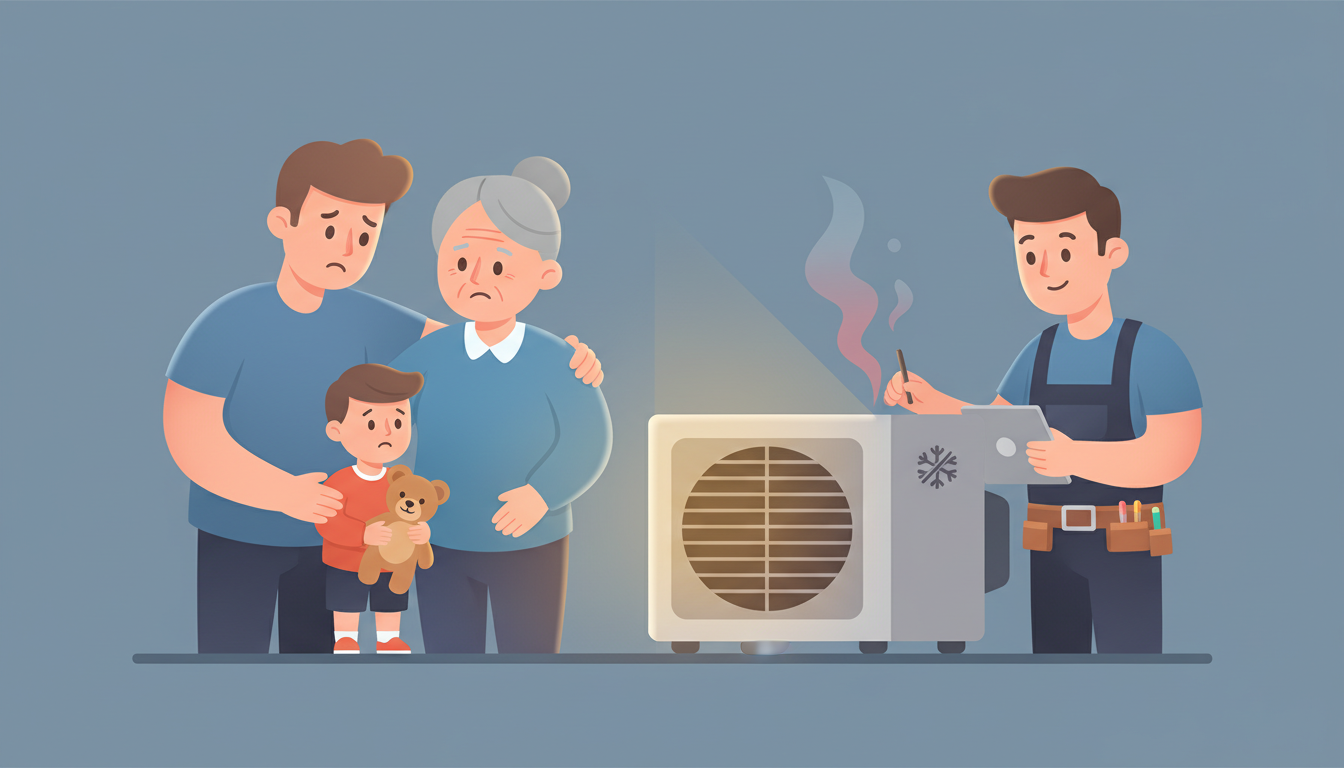
When your heating or air conditioning system fails unexpectedly, the clock starts ticking. An HVAC breakdown isn't just an inconvenience—it's a potential health crisis for your most vulnerable family members. Whether it's your elderly parents, young children, or beloved pets, knowing how to protect pets, kids, and seniors during an HVAC breakdown can prevent serious health complications and even save lives.
In this guide, you'll learn exactly what steps to take the moment your HVAC system fails, how to recognize dangerous temperature conditions, and proven strategies to keep your entire family safe until emergency repairs arrive.
Why HVAC Breakdowns Are Especially Dangerous for Vulnerable Populations
Not everyone responds to temperature extremes the same way. Children, seniors, and pets have unique physiological characteristics that make them particularly susceptible to heat and cold-related emergencies.
Children have smaller body masses and higher metabolic rates, making them lose body heat faster in cold conditions. They're also less able to communicate discomfort and may not recognize warning signs of hypothermia or heat exhaustion.
Seniors face multiple risk factors: reduced ability to regulate body temperature, chronic health conditions, medications that affect temperature regulation, and decreased sensation that may prevent them from recognizing dangerous temperature levels. Adults over 65 are significantly more vulnerable to heat stroke and hypothermia.
Pets cannot sweat like humans do (except through their paw pads), making them highly susceptible to overheating. They also can't communicate distress verbally, and cold temperatures affect smaller pets and short-haired breeds more severely.
Understanding these vulnerabilities helps you respond appropriately when your HVAC system fails.
Recognizing an HVAC Emergency: When Every Second Counts
Not every HVAC problem requires immediate action, but certain situations demand urgent response—especially when vulnerable family members are at risk.
Your HVAC breakdown is an emergency if:
- Indoor temperatures drop below 50°F or rise above 85°F
- You have infants, elderly family members, or pets in the home
- You smell gas, burning odors, or detect unusual sounds
- You see water leaking rapidly from your system
- Anyone in your household has chronic health conditions affecting temperature regulation
- Outdoor temperatures are extreme (below 20°F or above 95°F)
When temperatures fall below 50°F with heating system failure, or rise above 85°F with air conditioning breakdown, vulnerable family members face serious health risks. Complete system failure during extreme weather requires immediate action.
If you're experiencing an HVAC emergency, your first call should be to a 24/7 emergency HVAC repair service. While you wait for help to arrive, the strategies below will help protect everyone in your household.
Immediate Steps: First 15 Minutes After HVAC Breakdown
The first quarter-hour after discovering your HVAC breakdown is critical. Follow these steps in order:
1. Assess the Situation Safely
Check your thermostat settings first—sometimes the solution is as simple as an accidentally adjusted setting or switched mode. Look at your circuit breaker to see if a tripped breaker caused the shutdown.
However, if you smell gas, burning odors, or see smoke, evacuate immediately and call emergency services before contacting your HVAC technician.
2. Call for Emergency HVAC Repair
Contact a reliable emergency HVAC repair service immediately. Don't wait to see if the problem resolves itself—with vulnerable family members at home, time is critical. Our comprehensive HVAC repair guide can help you understand what to expect from professional service.
3. Turn Off the Malfunctioning System
If you detected unusual smells, sounds, or behaviors from your HVAC system before it failed, turn it off at the thermostat and circuit breaker. This prevents potential fire hazards and further damage that could extend repair time.
4. Monitor Indoor Temperature
Place a thermometer in your main living area and check it regularly. This helps you make informed decisions about when to implement protection strategies or when to relocate vulnerable family members.
5. Gather Your Family
Bring children, pets, and elderly family members to one central room—preferably on the ground floor. In winter, this should be the smallest room you can comfortably fit everyone in, as smaller spaces retain heat better. In summer, choose the coolest room, typically on the north side of your home away from direct sunlight.
Protecting Children During Heating System Failure
When your furnace fails in winter, children face rapid heat loss due to their smaller body mass and higher surface-area-to-volume ratio.
Layering Strategy for Kids
Dress children in multiple thin layers rather than one thick layer. This trapping of air between layers provides superior insulation. Start with:
- Thermal underwear or moisture-wicking base layer
- Long-sleeved shirt and pants
- Fleece or wool middle layer
- Warm socks (two pairs if needed)
- Hat and gloves (up to 30% of body heat escapes through the head)
Create a Warm Zone
Consolidate your family into one room and shut all doors leading to that space. This concentration of body heat and reduced space makes warming much more efficient.
Lay towels along the cracks at the bottom of doors to trap heat and prevent cold air from entering. If your windows are old and drafty, use duct tape and plastic sheeting to seal them temporarily.
Blanket Forts Work
Turn emergency preparedness into an adventure by building blanket forts. Draping blankets over furniture creates insulated microclimates that trap warmth effectively. This strategy keeps children comfortable while reducing anxiety about the situation.
Monitor for Hypothermia Warning Signs
Watch children closely for these hypothermia symptoms:
- Shivering (though severe hypothermia may stop shivering)
- Slurred speech or mumbling
- Confusion or difficulty thinking clearly
- Drowsiness or very low energy
- Fumbling hands or clumsy movements
- Loss of coordination
If you observe any of these signs, warm the child gradually with blankets and warm (not hot) beverages, and seek immediate medical attention.
Protecting Seniors During HVAC Breakdown
Elderly adults face unique risks during both heating failures and air conditioning breakdowns due to age-related changes in thermoregulation and chronic health conditions.
Winter Heating Failure and Seniors
For elderly family members, keep indoor temperatures in the 66-68°F range minimum when possible. Below this threshold, health risks increase substantially.
Safe warming strategies for seniors:
- Layer loose, lightweight clothing that doesn't restrict movement or circulation
- Provide warm beverages regularly (avoid alcohol, which causes heat loss)
- Encourage gentle movement to maintain circulation
- Use electric blankets or heating pads on low settings (never on high to avoid burns)
- Never use outdoor grills, gas appliances, or generators indoors—carbon monoxide poisoning is deadly
Medication considerations: Many seniors take medications that affect body temperature regulation, including beta-blockers, certain antidepressants, and thyroid medications. Some medications also require specific temperature storage. If your home temperature drops significantly, consult with a pharmacist about medication safety.
Hypothermia in seniors: Older adults may not shiver even when dangerously cold. Watch for confusion, drowsiness, pale skin, slow breathing, and weak pulse. Hypothermia can be life-threatening in elderly adults—if you suspect it, seek emergency medical care immediately.
Summer AC Breakdown and Seniors
Air conditioning breakdown during summer heat is especially dangerous for seniors, who are at significantly higher risk for heat-related illnesses.
Cooling strategies for elderly family members:
- Move them to the coolest room in your home (ground floor, north-facing, away from sunlight)
- Close curtains and blinds to block solar heat gain
- Use battery-powered or electric fans to improve air circulation
- Provide cool (not ice-cold) beverages every 30 minutes
- Apply cool, damp cloths to wrists, neck, and forehead
- Encourage cool showers or baths
When to relocate seniors: If indoor temperatures exceed 85°F and your senior family member has heart disease, respiratory conditions, or takes multiple medications, strongly consider relocating them to a cooled space. Options include:
- A neighbor's or relative's home with working AC
- Public libraries or shopping malls
- Community cooling centers (call your local health department for locations)
- Senior centers with air conditioning
Heat exhaustion and heat stroke warning signs in seniors:
Heat exhaustion symptoms:
- Heavy sweating
- Weakness or fatigue
- Dizziness or lightheadedness
- Nausea
- Headache
- Muscle cramps
Heat stroke symptoms (call 911 immediately):
- High body temperature (103°F or higher)
- Hot, dry skin or heavy sweating
- Confusion or altered mental state
- Loss of consciousness
- Rapid, strong pulse
- Throbbing headache
Heat stroke is a medical emergency. While waiting for emergency services, move the person to a cool area, remove excess clothing, and apply cool water to the skin.
Protecting Pets During HVAC Breakdown
Your pets depend entirely on you to recognize temperature distress and provide appropriate protection during heating or cooling system failures.
Dogs and Cats in Cold Weather
When your heating fails, dogs and cats need extra support to maintain body temperature, especially small breeds, short-haired breeds, and senior pets.
Cold weather pet protection:
- Provide extra bedding—multiple blankets or towels let pets burrow and use their own body heat more efficiently
- Place cardboard sheets under pet beds for additional insulation from cold floors
- Create tent-like structures over pet beds using towels or light blankets to block drafts
- Keep pets in the warmest room with your family (body heat helps everyone)
- Ensure fresh, unfrozen water is always available
Bring outdoor pets inside immediately. During heating system failure, outdoor temperatures combined with no indoor warmth creates life-threatening conditions for animals.
Dogs and Cats in Hot Weather
Air conditioning breakdown poses serious overheating risks for pets, who cannot cool themselves as efficiently as humans.
Hot weather pet protection:
- Move pets to the coolest area of your home
- Provide multiple water bowls with fresh, cool water (change frequently)
- Place damp towels on tile or concrete floors for pets to lie on
- Use fans to improve air circulation (though fans alone won't prevent heat stroke)
- Avoid exercise or outdoor activity during peak heat
- Consider cooling mats designed for pets
- Never leave pets in vehicles, even briefly
Watch for heat stroke in pets:
- Excessive panting or drooling
- Bright red or pale gums
- Rapid heartbeat
- Vomiting or diarrhea
- Lethargy or collapse
- Lack of coordination
If you suspect heat stroke, move your pet to a cool area, offer small amounts of cool water, apply cool (not ice-cold) water to their body, and contact your veterinarian immediately.
Birds, Fish, and Reptiles
Exotic pets have even more specific temperature requirements than dogs and cats.
Birds: Cover cages partially with towels or blankets during cold snaps to retain heat, but ensure adequate ventilation. In summer heat, keep cages out of direct sunlight and provide fresh water frequently.
Fish: Aquarium temperature fluctuations can be deadly. In cold weather, wrap aquariums with blankets (ensure filter and heater still function). In summer heat, float frozen water bottles in the aquarium to gradually lower temperature, and increase aeration.
Reptiles: These cold-blooded animals are extremely temperature-sensitive. Use heat packs or hot water bottles wrapped in towels during heating failures. In summer, mist their enclosures more frequently and provide cooler hiding spots.
Alternative Heating and Cooling Solutions (Used Safely)
While waiting for your emergency HVAC repair, you may need temporary heating or cooling solutions.
Safe Temporary Heating
Space heaters: If you have electric space heaters, use them with extreme caution:
- Keep at least 3 feet away from anything flammable
- Never leave unattended, especially around children or pets
- Plug directly into wall outlets (never extension cords)
- Turn off before sleeping
- Ensure they have automatic tip-over shutoff features
Fireplace: If you have a working fireplace, it can provide supplemental heat. However, never leave fires unattended, use a sturdy screen, and ensure your chimney is clean.
What NOT to use for indoor heating:
- Gas grills or charcoal grills (carbon monoxide poisoning)
- Outdoor generators inside or near windows (carbon monoxide)
- Camp stoves or outdoor heaters (fire hazard and poor ventilation)
- Your oven as a space heater (fire hazard and inefficient)
Safe Temporary Cooling
Fans: While fans don't reduce actual temperature, they improve air circulation and evaporative cooling from skin. Use ceiling fans, box fans, or standing fans to keep air moving.
Cold water strategies:
- Cool showers or baths (not ice cold)
- Wet washcloths on pulse points (wrists, neck, temples)
- Fill bathtub with cool water for children to play in (supervised)
- Run cold water over wrists for quick cooling
Reduce heat generation:
- Avoid using ovens, stoves, or dryers
- Turn off unnecessary electronics and lights
- Close curtains and blinds during peak sun hours
- Use outdoor grills for cooking if weather permits
When to Evacuate: Making the Difficult Decision
Sometimes the safest choice is relocating vulnerable family members until repairs are complete.
Consider evacuation if:
- Indoor temperatures reach dangerous levels (below 45°F or above 90°F)
- The repair timeline extends beyond 24 hours
- You have high-risk individuals (infants, seniors with health conditions, pregnant women)
- Extreme outdoor temperatures compound the problem
- Anyone shows signs of hypothermia, heat exhaustion, or heat stroke
Evacuation options:
- Friends or family with working HVAC systems
- Hotels (call ahead to confirm pet policies if needed)
- Community warming shelters (winter) or cooling centers (summer)
- For seniors: Temporary respite at senior living facilities
Emergency Preparedness: Before the Next Breakdown
Prevention and preparation are your best defenses against HVAC emergency hardships.
Maintain Your HVAC System
Regular maintenance reduces emergency breakdown risk by up to 90%. Schedule annual inspections before heating and cooling seasons, change filters monthly, and address small problems before they become emergencies.
Build an Emergency Kit
Keep these items accessible:
- Battery-powered or hand-crank radio
- Flashlights and extra batteries
- Bottled water (1 gallon per person per day for 3 days)
- Blankets and sleeping bags
- Portable fans
- First aid kit
- Medications (including pet medications)
- Non-perishable food for family and pets
- Important documents in waterproof container
- Phone numbers for emergency HVAC services
Know Your Resources
Research before you need them:
- Local cooling center locations (call your health department)
- Emergency HVAC repair services with 24/7 availability
- Financial assistance programs (LIHEAP Energy Crisis Intervention Program for qualifying families)
- Pet-friendly emergency shelters
- Community resources for vulnerable populations
Have a Communication Plan
Ensure all family members know what to do if HVAC systems fail when you're not home. Post emergency numbers visibly, teach children how to recognize problems, and check on elderly neighbors during extreme weather.
Financial Assistance for Emergency HVAC Repairs
If you're concerned about affording emergency repairs, several programs can help.
LIHEAP (Low Income Home Energy Assistance Program): This federally-funded program helps qualifying low-income households with energy costs. The Energy Crisis Intervention Program (ECIP) component specifically covers emergency heating and cooling repairs.
Local utility company programs: Many electric and gas utilities offer emergency assistance programs, payment plans, or can connect you with community resources.
Nonprofit organizations: Community action agencies, churches, and charities sometimes provide emergency heating and cooling assistance.
Don't delay calling for repairs due to cost concerns—many HVAC companies offer financing options, and your family's safety comes first.
FAQ: Protecting Vulnerable Family Members During HVAC Breakdown
How long can a house stay safe without heat or AC?
This depends on outdoor temperatures, home insulation, and who's inside. With vulnerable populations (children, seniors, pets), indoor temperatures below 55°F or above 85°F become concerning within hours. If outdoor temperatures are extreme (below 20°F or above 95°F), conditions deteriorate faster—sometimes within 1-2 hours.
Can I use a portable heater or space heater all night?
Most fire safety experts recommend against leaving space heaters unattended while sleeping. If you must use one overnight with vulnerable family members present, choose one with automatic tip-over protection and overheat shutoff, keep it at least 3 feet from all objects, and place it on a hard, flat surface away from foot traffic.
What temperature is too cold for elderly people?
Indoor temperatures below 66°F begin to pose health risks for seniors, particularly those with heart conditions, respiratory issues, or compromised immune systems. Below 60°F, the risk of hypothermia increases significantly. Elderly individuals may not recognize they're dangerously cold, so monitoring is essential.
What are the signs my pet is too hot or too cold?
Too cold: Shivering, lethargy, whining, reluctance to move, cold ears and paws, seeking warm places, curling into a tight ball. Too hot: Excessive panting, drooling, bright red tongue and gums, vomiting, diarrhea, lethargy, collapse, or disorientation. Either extreme requires immediate intervention.
Should I wait until morning for HVAC repair or call immediately?
If you have vulnerable family members (children under 5, adults over 65, pets, or anyone with health conditions), don't wait. Emergency HVAC situations with at-risk individuals require immediate professional help. Our guide on whether HVAC problems can wait until morning helps you make this decision, but when in doubt with vulnerable populations, call immediately.
Conclusion: Preparedness Protects Your Most Vulnerable Family Members
An HVAC breakdown doesn't have to become a family crisis. By understanding the unique vulnerabilities of children, seniors, and pets, recognizing warning signs of temperature-related illness, and knowing exactly what steps to take, you can keep everyone safe until repairs are complete.
Remember these key priorities when your heating or cooling fails:
- Call emergency HVAC repair services immediately
- Gather vulnerable family members in one temperature-controlled space
- Monitor for signs of hypothermia or heat-related illness
- Use safe temporary heating or cooling methods only
- Don't hesitate to evacuate if conditions become dangerous
The best time to prepare for an HVAC emergency is before it happens. Schedule regular maintenance, build an emergency kit, and keep contact information for reliable 24/7 HVAC repair services accessible.
Your family's safety and comfort depend on quick, informed action when your HVAC system fails. With the strategies in this guide, you're now equipped to protect pets, kids, and seniors during any HVAC breakdown—no matter the season or severity.
Need emergency HVAC repair right now? Don't wait for conditions to worsen. Contact a qualified HVAC professional immediately to restore safe, comfortable temperatures for your entire family.