How to Reduce Future Central AC Repair Costs: 12 Proven Strategies
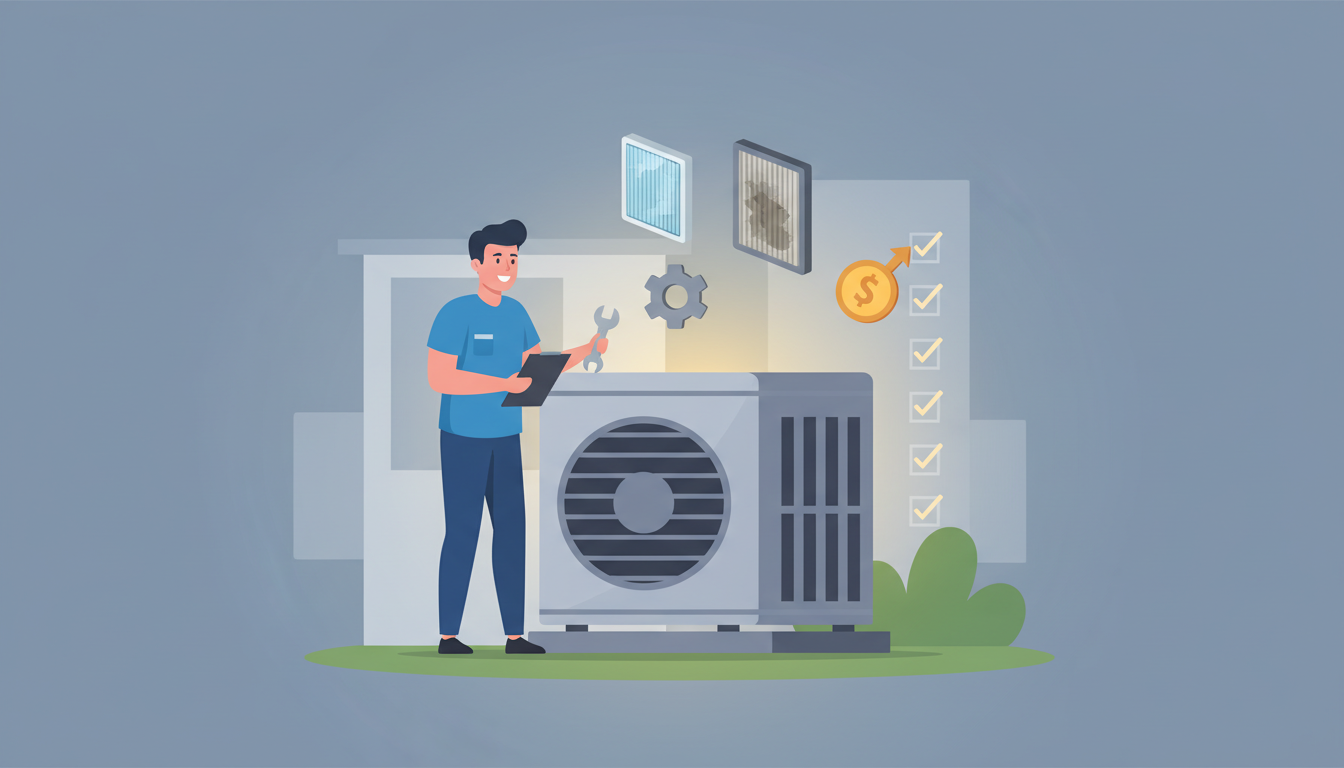
How to Reduce Future Central AC Repair Costs: 12 Proven Strategies
Are you tired of getting hit with unexpected AC repair bills that drain your wallet? You're not alone. The average central air conditioning repair costs homeowners between $150 and $650, with major component failures reaching $2,500 or more. But here's the good news: most of these costly repairs are preventable.
In this comprehensive guide, you'll discover 12 proven strategies to reduce central AC repair costs and keep your system running efficiently for years to come. By implementing these preventive measures, you can save thousands of dollars while enjoying consistent comfort in your home.
Why Central AC Repair Costs Keep Rising
Before we dive into solutions, it's important to understand why AC repair costs continue to climb. Several factors contribute to expensive repairs:
- Neglected maintenance allows small issues to escalate into major breakdowns
- Aging systems require more frequent component replacements
- Rising labor costs and technician shortages increase service fees
- Refrigerant phase-outs make older systems more expensive to service
- Emergency repairs during peak season can cost 30-50% more
The U.S. Department of Energy reports that lack of maintenance is the leading cause of premature HVAC system failure. Understanding these cost drivers helps you take proactive steps to avoid them.
1. Schedule Annual Professional Maintenance
The single most effective way to reduce central AC repair costs is investing in annual professional maintenance. Think of it as an insurance policy for your cooling system.
A comprehensive tune-up typically costs between $150 and $250, but it can prevent repairs costing thousands. During a professional inspection, HVAC technicians will:
- Clean evaporator and condenser coils
- Check refrigerant levels and test for leaks
- Inspect electrical connections and tighten loose components
- Lubricate moving parts to reduce friction
- Calibrate your thermostat for accuracy
- Test system controls and safety mechanisms
- Clear condensate drain lines to prevent water damage
According to Consumer Reports, preventive maintenance can extend your AC system's lifespan by several years. More importantly, it catches small problems before they turn into expensive emergencies.
Best practice: Schedule your annual tune-up in spring (March or April) before cooling season begins. You'll get better availability, lower rates, and ensure your system is ready when temperatures rise.
For comprehensive guidance on maintaining your entire HVAC system, check out our complete HVAC repair guide.
2. Change Air Filters Religiously
If you do nothing else on this list, make filter changes a non-negotiable habit. A dirty air filter is the number one cause of preventable AC problems.
When filters become clogged with dust, pet hair, and debris, your system works significantly harder to push air through your home. This extra strain leads to:
- Frozen evaporator coils (repair cost: $600-$2,000)
- Overworked blower motors that burn out prematurely (repair cost: $200-$700)
- Compressor failure from inadequate airflow (repair cost: $900-$2,500)
- Reduced energy efficiency that increases your utility bills by 15% or more
How often to change filters:
- Standard 1-inch filters: Every 30-60 days
- Pleated filters: Every 90 days
- Homes with pets: Every 30 days
- During high pollen seasons: Check monthly
Set a recurring reminder on your phone, or sign up for a filter subscription service that delivers new filters to your door. The $20-$80 you spend annually on filters is the best investment you'll make.
3. Keep Your Outdoor Unit Clean and Clear
Your outdoor condenser unit works hard to release heat from your home. When it becomes blocked by debris, leaves, grass clippings, or overgrown vegetation, it can't do its job efficiently.
A dirty or obstructed condenser forces your compressor to work harder and run longer. Over time, this excessive strain causes premature compressor failure—one of the most expensive repairs you can face.
Maintenance steps:
- Maintain at least 2 feet of clearance on all sides of the unit
- Remove leaves, grass clippings, and debris after lawn maintenance
- Trim back shrubs, bushes, and vegetation regularly
- Gently rinse the exterior fins with a garden hose (never use a pressure washer)
- Remove any items stored near the unit (tools, toys, equipment)
Spend 15 minutes each month inspecting and cleaning around your outdoor unit. This simple habit prevents overheating and extends compressor life significantly.
4. Install a Programmable or Smart Thermostat
Upgrading to a programmable or smart thermostat might seem like an expense, but it's actually a cost-saving investment that reduces central AC repair costs in multiple ways.
Smart thermostats optimize your cooling schedule based on your habits, weather conditions, and energy rates. This reduces system runtime, which means:
- Less wear and tear on critical components
- Fewer compressor cycles that cause mechanical stress
- Lower energy bills (savings of 10-23% according to EPA studies)
- Remote monitoring that alerts you to system problems early
Advanced features to look for:
- Maintenance reminders for filter changes and tune-ups
- Performance monitoring that detects efficiency drops
- Usage reports showing when your system works hardest
- Vacation modes that prevent unnecessary cooling
Quality smart thermostats range from $200 to $500 installed. Many utility companies offer rebates that reduce your out-of-pocket cost significantly.
5. Recognize Warning Signs Early
Learning to identify early warning signs prevents small issues from becoming expensive repairs. When you catch problems early, fixes are simpler and more affordable.
Red flags that need immediate attention:
- Unusual noises: Grinding, squealing, or banging sounds indicate mechanical problems
- Weak airflow: Could signal duct leaks, blower issues, or clogged filters
- Warm air blowing: Suggests refrigerant leaks or compressor problems
- Frequent cycling: Short on-off cycles indicate thermostat, electrical, or sizing issues
- High humidity indoors: Points to coil problems or incorrect refrigerant levels
- Water leaks: Blocked condensate drains can cause significant water damage
- Strange odors: Musty smells suggest mold; burning smells indicate electrical issues
- Rising energy bills: Unexplained increases often mean efficiency problems
Don't ignore these warning signs hoping they'll resolve themselves. A $150 service call today prevents a $2,000 emergency repair tomorrow.
For detailed information on diagnosing common issues, visit our central AC repair guide.
6. Maintain Proper Insulation and Seal Air Leaks
Your AC system doesn't just cool air—it battles against heat entering your home. Poor insulation and air leaks force your system to work overtime, accelerating wear and tear.
Cost-effective improvements:
- Seal air leaks around windows and doors with weatherstripping
- Add insulation to your attic (aim for R-38 to R-60 in most climates)
- Seal ductwork leaks that waste 20-30% of cooled air
- Install door sweeps to prevent conditioned air from escaping
- Use window treatments to block heat during peak sun hours
These upgrades reduce your AC's workload, which translates to fewer repairs and longer system life. As a bonus, you'll see immediate savings on your energy bills.
7. Address Small Repairs Immediately
When you notice a minor problem with your AC, it's tempting to delay the repair—especially if the system still works. This mindset costs homeowners thousands in preventable damage.
How small problems escalate:
- A refrigerant leak that starts small eventually causes compressor failure
- A loose electrical connection creates arcing that damages control boards
- A partially clogged drain line leads to water damage and mold growth
- A worn belt that squeals will eventually snap and damage other components
Most HVAC technicians offer diagnostic services for $75-$200. This small investment identifies problems when they're still inexpensive to fix.
Pro tip: Many companies waive the diagnostic fee when you proceed with the recommended repair. Ask about this policy when scheduling service.
8. Understand Your Warranty Coverage
Your AC system likely came with manufacturer warranties covering parts for 5-10 years. However, many homeowners don't realize they have coverage until they've already paid for expensive repairs.
Types of warranty coverage:
- Parts warranty: Covers component replacement but not labor costs
- Labor warranty: Usually shorter (1-2 years) and covers installation work
- Extended warranties: Optional coverage purchased separately
- Homeowner's insurance: May cover AC damage from specific events
Important warranty requirements:
Most manufacturer warranties require documented annual maintenance by licensed technicians. Skipping professional tune-ups can void your coverage entirely.
Keep these documents organized:
- Original installation paperwork and receipts
- Warranty certificates and registration
- Annual maintenance records and invoices
- Repair history with dates and work performed
Before paying for any major repair, verify whether components are still under warranty. This simple check can save you hundreds or thousands of dollars.
9. Choose the Right HVAC Contractor
Not all HVAC companies deliver equal quality. Choosing the right contractor affects both your repair costs and how well your system performs long-term.
What to look for:
- Proper state licensing and insurance coverage
- NATE (North American Technician Excellence) certification
- Established local reputation with verifiable reviews
- Transparent pricing without hidden fees
- Written estimates for all work performed
- Warranty on both parts and labor
- Emergency service availability
Red flags to avoid:
- Quotes significantly lower than competitors (often indicates shortcuts)
- Pressure to replace your entire system without proper diagnosis
- Requests for full payment before work begins
- Unlicensed or uninsured technicians
- Inability to provide references or credentials
Get at least three quotes for major repairs. This helps you understand fair market pricing and identify outliers on both ends.
For help understanding what constitutes reasonable pricing, read our guide on making sense of AC repair estimates.
10. Consider a Maintenance Agreement
Many HVAC companies offer maintenance agreements (also called service contracts) that provide multiple benefits:
Typical agreement benefits:
- Annual or bi-annual tune-ups included
- Priority scheduling during peak season
- Discounts on repairs (typically 10-15%)
- No overtime charges for emergency calls
- Extended warranties on parts and labor
- Transferable to new homeowners (adds value)
Cost analysis:
Agreements typically range from $150-$400 annually. If you receive:
- Two annual tune-ups (spring and fall) worth $400
- 15% discount on a $500 repair = $75 saved
- Priority service preventing emergency fees = $150 saved
You're receiving $625 in value for a $300 investment.
Maintenance agreements make the most sense for homeowners who:
- Own systems older than 5 years
- Live in climates with long cooling seasons
- Want predictable annual expenses
- Struggle to remember scheduling maintenance
11. Time Your Repairs Strategically
When you schedule non-emergency repairs significantly impacts your costs. HVAC contractors experience seasonal demand fluctuations that affect pricing and availability.
Best times to schedule service:
- Spring (March-April): Before cooling season demand surges
- Fall (October-November): After summer rush ends
- Weekday mornings: Generally lower rates than evenings or weekends
During these off-peak periods, contractors offer:
- More flexible scheduling
- Lower hourly labor rates
- More time for thorough diagnostics
- Better availability of parts
- Potential promotional discounts
Peak season challenges:
Calling for repair during a summer heat wave means:
- Multi-day wait times for appointments
- Premium pricing for limited availability
- Rushed service due to high demand
- Emergency fees adding $100-$250 to your bill
If your system shows warning signs during peak season, don't wait for complete failure. Schedule service at the first sign of trouble—before you're competing with hundreds of other emergency calls.
12. Know When to Replace Instead of Repair
Sometimes the most cost-effective decision is replacing your system rather than continuing to repair it. The "$5,000 rule" helps you decide:
The $5,000 Rule: Multiply the repair cost by your system's age. If the result exceeds $5,000, replacement is usually more economical.
Examples:
- $800 repair × 8-year-old system = $6,400 → Consider replacement
- $400 repair × 5-year-old system = $2,000 → Proceed with repair
Other replacement indicators:
- System is 15+ years old (average lifespan: 15-20 years)
- Uses R-22 refrigerant (phase-out makes repairs increasingly expensive)
- Requires frequent repairs (multiple service calls annually)
- Energy bills increasing despite normal usage
- Uneven cooling throughout your home
- Major component failure (compressor, heat exchanger)
Replacing an old, inefficient system with a modern Energy Star model can reduce your cooling costs by 20-40%. Factor these savings into your replacement decision.
Frequently Asked Questions
How much does AC preventive maintenance cost?
Annual professional AC maintenance typically costs between $150 and $250. This includes cleaning coils, checking refrigerant, inspecting electrical connections, and testing system performance. Maintenance agreements offering two visits per year range from $250-$400 annually.
Can I perform AC maintenance myself?
You can handle basic maintenance like changing filters, cleaning around the outdoor unit, and checking your thermostat. However, tasks involving refrigerant, electrical components, and internal mechanisms require professional certification and specialized tools. DIY work on these components can void warranties and create safety hazards.
How often should I have my central AC serviced?
Schedule professional service at least once annually, ideally in spring before cooling season. Homes in hot climates or with heavy AC usage benefit from bi-annual service (spring and fall). Between professional visits, change filters monthly and inspect the outdoor unit for debris.
What's the most expensive AC repair?
Compressor replacement is the costliest common repair, ranging from $900 to $2,500 including parts and labor. Compressor failure often results from preventable issues like dirty coils, refrigerant leaks, and inadequate maintenance. When compressors fail on systems older than 10 years, replacement is usually more economical than repair.
Does homeowners insurance cover AC repairs?
Standard homeowners insurance typically covers AC damage caused by covered perils (storms, vandalism, fire) but not normal wear and tear or maintenance-related failures. Review your policy to understand coverage limits and deductibles. Some policies offer optional equipment breakdown coverage that includes HVAC systems.
How can I tell if my AC technician is trustworthy?
Verify state licensing, insurance coverage, and NATE certification. Check online reviews on multiple platforms (Google, BBB, Angie's List). Request written estimates before work begins. Trustworthy technicians explain problems clearly, show you damaged components, and discuss multiple repair options rather than pushing immediate replacements.
Conclusion: Start Protecting Your Investment Today
Reducing future central AC repair costs doesn't require a huge investment—just consistent attention and smart preventive measures. By implementing these 12 strategies, you can save thousands of dollars while extending your system's lifespan and maintaining reliable comfort.
Your action plan:
- Schedule your annual maintenance appointment today
- Set monthly reminders to check and change air filters
- Inspect your outdoor unit and clear any debris
- Research smart thermostat options and available rebates
- Document your warranty coverage and maintenance records
Remember, every dollar spent on preventive maintenance saves you $4-$10 in avoided repairs. The U.S. Department of Energy confirms that well-maintained systems use up to 15% less energy, providing additional savings on every utility bill.
Don't wait for a breakdown to take action. Start protecting your AC investment now, and you'll enjoy years of reliable, efficient cooling without the stress of unexpected repair bills.
Ready to take the next step? Contact a licensed HVAC professional in your area to schedule your comprehensive system evaluation. Your future self—and your wallet—will thank you.