
Refrigerant Leak Symptoms Every Homeowner Should Recognize
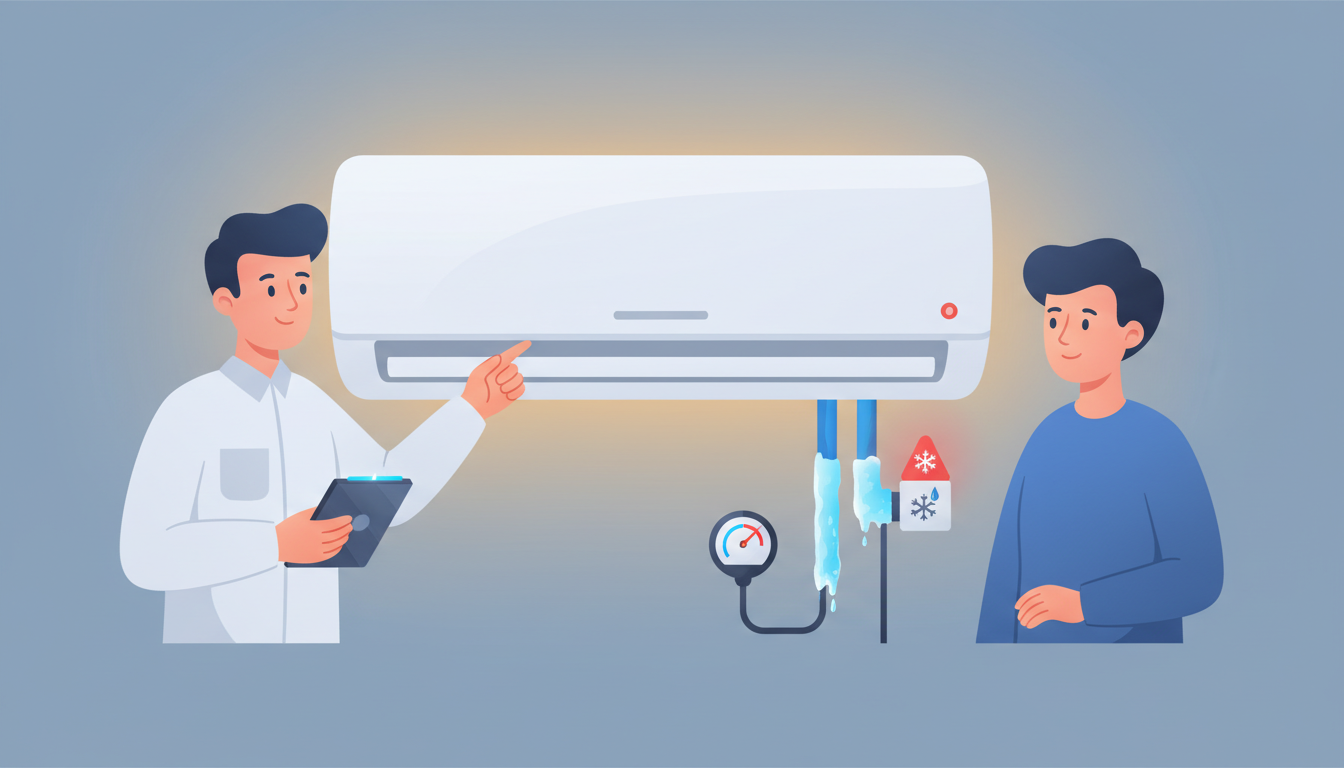
Refrigerant Leak Symptoms Every Homeowner Should Recognize
Is your air conditioner running but barely cooling your home? You might be dealing with one of the most common—and costly—HVAC problems: a refrigerant leak. Understanding refrigerant leak symptoms can save you hundreds of dollars in energy bills and prevent a complete system breakdown. In this guide, you'll learn the telltale warning signs that every homeowner needs to recognize before a small leak becomes a major repair.
What Is Refrigerant and Why Does It Matter?
Refrigerant is the lifeblood of your air conditioning system. This specialized chemical compound circulates through your HVAC unit, absorbing heat from inside your home and releasing it outdoors. Without adequate refrigerant levels, your AC simply can't do its job.
Unlike fuel in your car, refrigerant doesn't get "used up" during normal operation. Your air conditioning unit operates as a closed system, meaning the refrigerant continuously cycles through without being consumed. If levels drop, there's almost always a leak somewhere in the system.
Modern AC systems typically use R-410A refrigerant, while older units may still contain R-22 (commonly known as Freon). Both types are under high pressure and any breach in the system—no matter how small—will cause gradual refrigerant loss.
The Top Refrigerant Leak Symptoms You Can't Ignore
1. Warm Air Blowing From Your Vents
The most obvious sign of a refrigerant leak is warm or lukewarm air coming from your air vents when the AC is running. When refrigerant levels drop, your system loses its ability to absorb and transfer heat effectively.
You might notice your AC running constantly but never reaching the temperature set on your thermostat. This is your cooling system working overtime to compensate for insufficient refrigerant. The compressor continues cycling, but without enough refrigerant to carry heat away, the air stays warm.
If you've already ruled out simple fixes—like a dirty air filter or incorrect thermostat settings—reduced cooling capacity often points to low refrigerant caused by a leak.
2. Ice Buildup on the Evaporator Coil
It might seem counterintuitive, but ice forming on your AC's evaporator coil is actually a sign of a refrigerant leak, not excess cooling. When refrigerant levels are too low, the pressure inside the coil drops, causing the temperature to plummet below freezing.
Moisture in the air then freezes on the coil surface, creating a thick layer of ice. You might see frost on the copper refrigerant lines or ice accumulating on the indoor unit. This ice buildup restricts airflow and further reduces your system's cooling performance.
Don't try to chip away the ice yourself. Turn off your AC immediately and contact a professional HVAC technician. Running your system with frozen coils can damage the compressor—the most expensive component to replace.
3. Hissing or Bubbling Sounds
Your ears can often detect a refrigerant leak before you see other symptoms. Listen for unusual sounds coming from your HVAC system, particularly:
-
Hissing sounds: High-pressure refrigerant escaping through a small crack or pinhole produces a distinctive hissing or whistling noise. You'll typically hear this near the refrigerant lines, coils, or connection points.
-
Bubbling sounds: If refrigerant is leaking from a larger opening, you might hear a bubbling or gurgling noise as the liquid refrigerant escapes and rapidly evaporates.
These sounds are most noticeable when your AC is running. Check around the outdoor condenser unit, the indoor evaporator coil housing, and along the refrigerant lines that connect them.
4. Higher Energy Bills Without Explanation
Have your electricity bills suddenly spiked even though you haven't changed your usage patterns? A refrigerant leak forces your air conditioning unit to work much harder and run much longer to achieve even minimal cooling.
Low refrigerant reduces cooling efficiency, meaning your system must cycle more frequently and stay on for extended periods. This constant operation can increase your energy consumption by 20-30% or more, depending on the severity of the leak.
Compare your current bills to the same months from previous years. If you notice a significant increase without a corresponding change in usage or electricity rates, schedule an HVAC system inspection to check for refrigerant issues.
5. Excess Humidity Indoors
Your air conditioner does more than just cool your home—it also removes moisture from the air. When refrigerant levels drop due to a leak, your AC's dehumidification capacity decreases significantly.
You might notice:
- Sticky or clammy feeling indoors
- Condensation forming on windows
- Musty odors in certain rooms
- Indoor humidity levels consistently above 60%
A properly functioning HVAC system should maintain indoor humidity between 30-50%. If your home feels more humid than usual despite the AC running, refrigerant loss could be the culprit.
6. Visible Oil Stains or Residue
Refrigerant circulates through your system mixed with lubricating oil that keeps the compressor running smoothly. When refrigerant leaks out, it often carries some of this oil with it, leaving telltale greasy stains.
Check these common leak locations:
- Around valve connections on the outdoor unit
- At the service ports where refrigerant is added
- Along copper refrigerant line joints
- Near the evaporator coil housing
Look for dark, oily residue or stains. While not every leak leaves visible oil marks, finding this residue is a strong indicator that refrigerant is escaping from that location.
7. Chemical or Sweet Odor
Some refrigerants emit a faint, slightly sweet smell that's been compared to chloroform or ether. While modern refrigerants like R-410A are designed to be nearly odorless, a significant leak can sometimes be detected by smell.
The odor is often most noticeable:
- Near the indoor air handler
- Around air vents when the system first starts
- In the area immediately surrounding the outdoor condenser
If you notice an unusual chemical smell when your AC runs, don't ignore it. While it might not always be refrigerant, any strange odor from your HVAC system warrants professional investigation.
8. System Takes Longer to Cool Your Home
Pay attention to how long your AC runs before your home reaches the desired temperature. A system with adequate refrigerant should cool your home relatively quickly, typically cycling off once the thermostat setpoint is reached.
With a refrigerant leak, you'll notice:
- AC runs continuously without ever shutting off
- Takes twice as long to cool your home
- Some rooms never reach comfortable temperatures
- Frequent cycling on and off
This reduced cooling capacity puts enormous stress on your compressor and other components, potentially leading to premature system failure if not addressed promptly.
Understanding Different Types of Refrigerant Leaks
Not all refrigerant leaks are created equal. Understanding the difference can help you assess the urgency of the situation.
Slow Leaks vs. Fast Leaks
Slow leaks are the most common type. These tiny pinholes or cracks in the refrigerant lines might only lose a few ounces of refrigerant over weeks or months. You'll notice gradual performance decline—your AC gets progressively worse at cooling over time.
Fast leaks occur when there's significant damage to the refrigerant lines or coils. You might experience sudden, dramatic loss of cooling capacity within days. Fast leaks often result from physical damage, corrosion, or failed connections.
Common Leak Locations
Professional HVAC technicians know that certain areas are more prone to refrigerant leaks:
- Evaporator coil: Indoor humidity and chemical reactions can corrode the coil over time
- Condenser coil: Outdoor exposure to weather and debris increases leak risk
- Line sets: Vibration, improper installation, or physical damage can cause leaks
- Service valves: Worn valve cores or loose connections are common culprits
- Solder joints: Improperly soldered connections may develop leaks years after installation
Why Refrigerant Leaks Happen
Understanding the root causes can help you prevent future problems and assess whether your system's leak was preventable.
Age and Normal Wear
Most refrigerant leaks occur in AC systems that are 7-15 years old. Over time, vibration, temperature fluctuations, and normal wear create tiny cracks in coils and connections.
Corrosion
The evaporator coil is particularly vulnerable to formicary corrosion—a type of damage caused by exposure to formaldehyde and other volatile organic compounds (VOCs) in indoor air. This creates ant tunnel-like pathways through the copper, eventually leading to leaks.
Poor Installation
Improperly brazed joints, over-tightened connections, or inadequate support for refrigerant lines can all cause premature leaks. Quality installation by certified HVAC professionals significantly reduces this risk.
Physical Damage
Lawnmowers, weed trimmers, falling debris, or accidental impacts can damage the outdoor condenser unit and puncture refrigerant lines. Even minor dents can eventually develop into leak points.
Manufacturing Defects
While less common, some systems develop leaks due to defective coils or components. Most manufacturers offer warranties that cover these issues if detected early.
Is a Refrigerant Leak Dangerous?
Beyond the inconvenience and cost, many homeowners wonder: is a refrigerant leak dangerous? The short answer is yes—under certain conditions.
Health Risks
In normal residential scenarios, small refrigerant leaks pose minimal health risks. However, exposure to high concentrations in enclosed spaces can cause:
- Dizziness and lightheadedness
- Difficulty breathing
- Irregular heartbeat
- Loss of consciousness (in extreme cases)
If you suspect a large refrigerant leak, open windows for ventilation and leave the area until a professional can assess the situation.
Environmental Impact
R-22 (Freon) is a hydrochlorofluorocarbon (HCFC) that depletes the ozone layer. Production of new R-22 ended in 2020, making it increasingly expensive and environmentally harmful. Even newer R-410A refrigerant has a high global warming potential.
Allowing refrigerant to leak into the atmosphere is not only wasteful—it's also illegal under EPA regulations. Licensed HVAC technicians must properly recover refrigerant before making repairs.
Fire Hazard
While refrigerant itself isn't flammable, a leak can displace oxygen in confined spaces. Additionally, refrigerant exposed to open flames or extremely high temperatures can break down into toxic compounds.
What to Do If You Suspect a Refrigerant Leak
If you've identified one or more refrigerant leak symptoms in your HVAC system, here's exactly what to do.
Step 1: Turn Off Your System
Continuing to run your AC with low refrigerant damages the compressor, which can cost $1,500-$2,500 to replace. Turn off the system at the thermostat to prevent further damage.
Step 2: Avoid DIY Refrigerant Recharging
Home refrigerant recharge kits are available, but using them is a bad idea for several reasons:
- You can't fix the leak—you're just temporarily masking the problem
- Overcharging the system causes serious damage
- Handling refrigerant without proper certification violates EPA regulations
- You might void your equipment warranty
Step 3: Call a Licensed HVAC Technician
Professional refrigerant leak detection and repair requires specialized equipment and expertise. A qualified technician will:
- Locate the leak: Using electronic leak detectors, UV dye, or nitrogen pressure tests
- Assess the damage: Determining whether repair or replacement makes financial sense
- Repair the leak: Properly fixing or replacing damaged components
- Evacuate the system: Removing all refrigerant and moisture
- Recharge the system: Adding the manufacturer-specified refrigerant amount
- Test the repair: Ensuring the leak is fully resolved
Step 4: Get Multiple Quotes for Major Repairs
If your evaporator coil or condenser coil needs replacement, get at least two estimates. Prices can vary significantly between contractors, and some may recommend full system replacement if your unit is older.
Refrigerant Leak Repair Costs: What to Expect
Understanding typical costs helps you budget appropriately and identify unreasonable quotes.
Leak Detection: $200-$400
Most HVAC companies charge a diagnostic fee to locate refrigerant leaks. This may be applied toward repair costs if you hire them for the work.
Minor Repairs: $300-$800
Small leaks in accessible locations—like a loose service valve or pinhole in a line set—are relatively inexpensive to fix.
Major Repairs: $1,000-$2,500
Evaporator coil or condenser coil replacement falls into this range. If your system uses R-22, refrigerant costs alone can add $500-$1,000 to the bill.
System Replacement: $3,500-$7,500
If your AC is more than 12-15 years old and needs major refrigerant leak repairs, replacing the entire system often makes more financial sense than repairing it.
Preventing Future Refrigerant Leaks
While you can't prevent all refrigerant leaks, these strategies minimize your risk.
Schedule Annual HVAC Maintenance
Professional maintenance visits catch small leaks before they become major problems. Technicians check refrigerant levels, inspect coils and lines, and tighten connections during routine tune-ups.
Protect Your Outdoor Unit
Keep the area around your condenser clear of debris, vegetation, and lawn equipment. Consider installing a protective cage or fence if the unit is in a high-traffic area.
Change Air Filters Regularly
Dirty filters restrict airflow, causing the evaporator coil to freeze. Repeated freeze-thaw cycles stress the coil and can eventually cause cracks. Change filters every 1-3 months depending on usage.
Address Indoor Air Quality
Reducing VOCs in your home can slow formicary corrosion of the evaporator coil. Use low-VOC cleaning products, paints, and building materials when possible.
Choose Quality Installation
If you're installing a new HVAC system, invest in quality installation from certified professionals. Proper brazing, appropriate line sizing, and correct refrigerant charging prevent premature leaks.
Frequently Asked Questions About Refrigerant Leak Symptoms
Can I smell a refrigerant leak in my home?
Some refrigerants have a faint, sweet chemical odor similar to chloroform or ether, though modern R-410A is nearly odorless. If you detect an unusual smell near your AC, it could indicate a leak, but not all leaks produce noticeable odors. Visual inspection and professional leak detection are more reliable.
How long can I run my AC with a refrigerant leak?
You should not run your AC with a suspected refrigerant leak. Operating the system with low refrigerant damages the compressor due to insufficient lubrication and overheating. Turn off your system and call a technician immediately to prevent a minor leak from becoming a major repair.
Will adding more refrigerant fix the leak?
No. Recharging your system without fixing the leak is a temporary band-aid that wastes money and refrigerant. The leak will continue, requiring repeated recharges while potentially damaging your compressor. Always repair the leak first, then properly recharge the system.
How do HVAC technicians find refrigerant leaks?
Professional technicians use several methods: electronic leak detectors that sense refrigerant molecules in the air, UV dye added to the system that glows under black light at leak points, nitrogen pressure testing to identify leaks by pressure drop, and soap bubble testing for suspected leak locations.
Is it worth repairing a refrigerant leak in an old AC?
If your air conditioner is more than 12-15 years old and needs expensive refrigerant leak repairs (over $1,000), replacement often makes better financial sense. Consider the repair cost as a percentage of replacement cost, the system's remaining lifespan, and energy efficiency improvements you'd gain with a new unit.
Take Action on Refrigerant Leak Symptoms Today
Recognizing refrigerant leak symptoms early can save you thousands of dollars and prevent a complete air conditioning system breakdown. If you've noticed warm air from your vents, ice on your coils, hissing sounds, higher energy bills, or any other warning signs discussed in this guide, don't wait.
The longer you delay addressing a refrigerant leak, the more damage your system sustains—and the higher your repair costs climb. Turn off your AC, contact a licensed HVAC technician, and get your cooling system back to peak performance before the next heat wave hits.
Your comfort and your wallet will thank you for acting quickly on these critical refrigerant leak symptoms.