
Why Refrigerant Problems Often Start as Airflow Problems
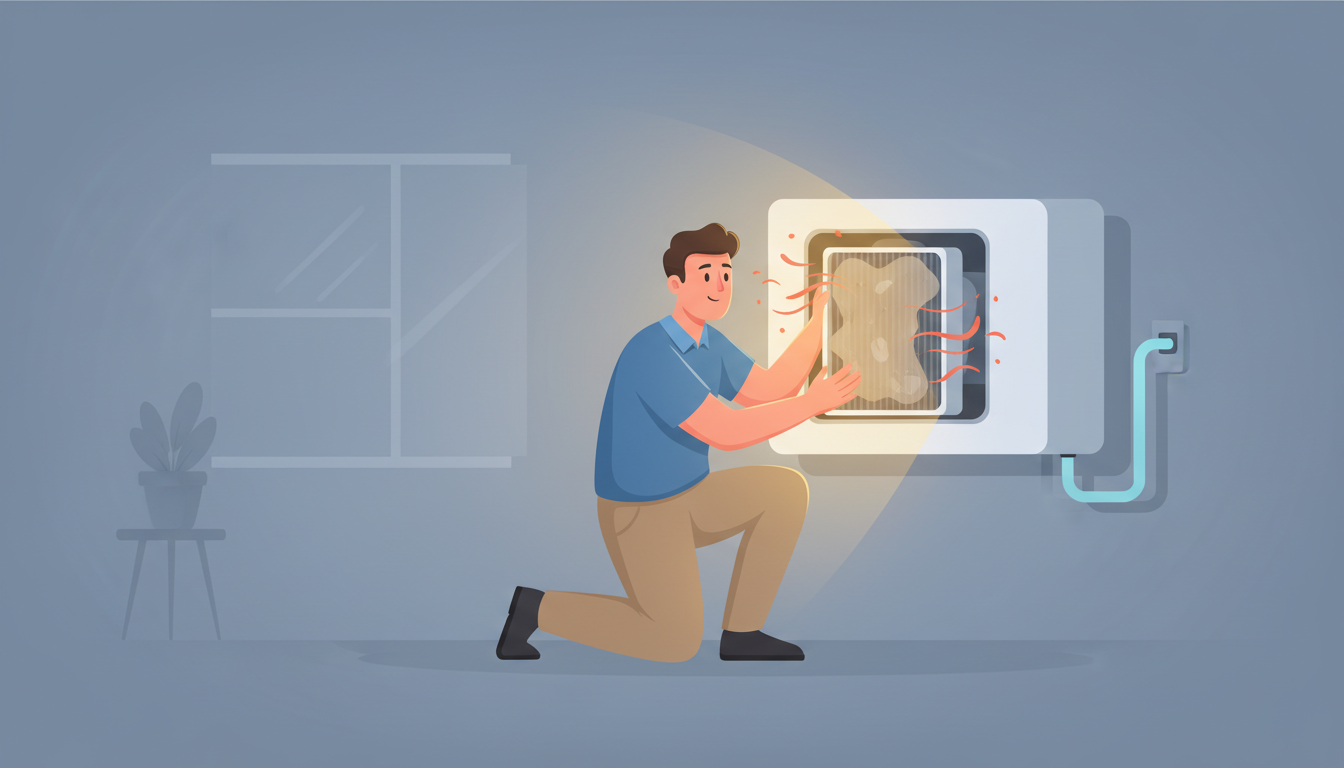
Why Refrigerant Problems Often Start as Airflow Problems
Have you ever called an HVAC technician for what seemed like a refrigerant leak, only to discover the real culprit was something as simple as a dirty air filter? You're not alone. Many homeowners are surprised to learn that refrigerant problems and airflow issues are intimately connected—and that most refrigerant problems actually begin as airflow restrictions.
Understanding this connection can save you hundreds of dollars in unnecessary repairs and prevent catastrophic system failures. Let's explore how these two critical HVAC functions interact and why fixing airflow problems early is your best defense against costly refrigerant issues.
The Critical Connection Between Airflow and Refrigerant
Your air conditioning system relies on two essential processes working in perfect harmony: refrigerant circulation and proper airflow. When one fails, the other quickly follows.
How Your HVAC System Actually Works
To understand why airflow problems lead to refrigerant issues, you need to grasp the basic heat exchange process happening inside your AC unit. Your evaporator coil contains cold refrigerant that absorbs heat from the air passing over it. This warm air is essential—without it, the coil temperature drops dangerously low.
When airflow is restricted, the evaporator coil doesn't receive enough warm air to absorb heat from. The refrigerant inside becomes excessively cold, causing the temperature to drop below 32°F. At this point, the moisture in the air condensing on the coil begins to freeze.
The Cascade Effect: From Airflow to Refrigerant Failure
Here's where things get serious. When ice forms on your evaporator coil due to poor airflow, a cascade of problems begins:
- Ice buildup blocks airflow further - Creating a vicious cycle where less air reaches the coil
- System pressure drops abnormally - The frozen coil can't properly regulate refrigerant pressure
- Compressor works overtime - Struggling to compensate for the pressure imbalance
- Refrigerant lines develop stress - Temperature extremes cause expansion and contraction
- Leaks eventually form - Stressed connections and joints begin to fail
What started as a $20 air filter problem has now become a $1,500 refrigerant leak repair—or worse, a $3,000 compressor replacement.
Common Airflow Problems That Cause Refrigerant Issues
Understanding which airflow problems trigger refrigerant failures helps you catch issues early. Here are the most common culprits.
Dirty or Clogged Air Filters
Your air filter is the first line of defense—and the most frequent cause of airflow-related refrigerant problems. A clogged filter restricts airflow dramatically, preventing warm air from reaching your evaporator coil.
Most HVAC manufacturers recommend changing filters every 1-3 months, but homes with pets, dust, or allergies may need monthly replacements. When you skip this simple maintenance task, you're setting the stage for frozen coils and eventual refrigerant problems.
Warning signs: Reduced cooling, ice on refrigerant lines, higher energy bills, system running constantly.
Blocked or Closed Supply Vents
Many homeowners mistakenly close vents in unused rooms, thinking they'll save energy. This creates a pressure imbalance in your HVAC system that can lead to frozen coils and refrigerant issues.
Your system is designed to move a specific volume of air through all your vents. Closing even a few vents increases air pressure in the ductwork, reduces flow across the evaporator coil, and creates the perfect conditions for freezing.
Best practice: Keep at least 80% of your vents open at all times, even in unused rooms.
Dirty Evaporator or Condenser Coils
When dust and debris coat your evaporator coil, it acts as insulation that prevents proper heat exchange. The refrigerant can't absorb heat efficiently, causing coil temperatures to plummet and ice to form.
Similarly, a dirty condenser coil (located in your outdoor unit) prevents heat from being released properly. This causes system pressure to rise, forcing your compressor to work harder and increasing the likelihood of refrigerant leaks from stressed connections.
Ductwork Blockages and Leaks
Your ductwork is the highway system for conditioned air. When ducts are blocked by debris, crushed by settling, or leaking into your attic or crawlspace, airflow across your evaporator coil drops significantly.
Studies show that typical duct systems lose 20-30% of airflow through leaks and poor connections. This lost airflow means less warm air reaching your evaporator coil, lowering coil temperature and creating freeze conditions.
Blower Motor or Fan Problems
Your blower motor is responsible for moving air across the evaporator coil. When the motor weakens, bearings wear out, or the fan itself gets dirty, airflow decreases even if nothing is blocking the vents or ducts.
A failing blower motor doesn't provide enough airflow to keep the evaporator coil warm, leading to ice formation and the cascade of refrigerant problems that follow.
How to Tell If It's Airflow or Refrigerant Causing Your AC Problems
Diagnosing the root cause saves you money and prevents unnecessary repairs. Here's how to identify whether you're dealing with an airflow problem, a refrigerant issue, or both.
Visual Inspection: What to Look For
Check your evaporator coil (located in your indoor air handler). If you see ice or frost on the coil or refrigerant lines, you have a freezing problem. The question is: what's causing it?
Examine your air filter. If it's visibly dirty, clogged, or hasn't been changed in months, airflow restriction is likely your primary problem. Replace the filter, turn off your system for several hours to let the ice melt, then restart. If the problem doesn't return, it was airflow all along.
Inspect all vents and registers. Make sure nothing is blocking them—furniture, curtains, or closed dampers are common culprits.
Performance Clues: System Behavior
Different symptoms point to different root causes:
Airflow problems typically cause:
- Ice visible on evaporator coil or refrigerant lines
- Weak air coming from vents
- Some rooms much warmer than others
- System running constantly but not cooling
- Recently noticed after skipping filter changes
Refrigerant problems typically cause:
- Hissing or bubbling sounds near refrigerant lines
- Oily residue around connections
- System short-cycling (turning on and off frequently)
- Gradually declining cooling over weeks or months
- No ice visible on coils
Both problems together show up as:
- Ice on coils AND weak cooling that doesn't improve when ice melts
- System that worked fine after filter change but problems returned quickly
- Visible damage or oil stains on refrigerant lines
When to Call a Professional
If you've replaced your filter, cleared all vents, and let the ice melt but problems persist, it's time for professional diagnosis. An HVAC technician can:
- Measure actual airflow using specialized equipment
- Check refrigerant pressure and charge levels
- Inspect for leaks using electronic detectors
- Identify ductwork problems
- Test blower motor performance
Don't skip professional inspection if you suspect refrigerant loss. Refrigerant leaks require proper handling and EPA-certified technicians to repair safely and legally.
Preventing Refrigerant Problems Through Better Airflow Maintenance
Prevention is always cheaper than repair. These proactive steps keep airflow optimal and prevent refrigerant problems before they start.
Regular Filter Replacement Schedule
Create a filter replacement schedule and stick to it religiously. Set recurring phone reminders or subscribe to a filter delivery service. For most homes:
- Standard filters: Replace every 30-60 days
- Homes with pets: Replace every 20-30 days
- Allergy sufferers: Replace every 20-30 days or use HEPA filters
- Minimal use: Replace every 90 days maximum
Never exceed the manufacturer's recommended interval, even if the filter looks clean.
Annual Professional Maintenance
A yearly HVAC tune-up catches airflow problems before they damage your refrigerant system. During maintenance, technicians:
- Clean evaporator and condenser coils
- Check and adjust blower motor
- Inspect ductwork for leaks
- Measure airflow at multiple points
- Test refrigerant pressure
- Identify potential problems early
This $100-150 annual investment prevents the $1,000+ repairs that result from neglected airflow issues.
Keep Outdoor Unit Clear
Your outdoor condenser unit needs proper airflow too. Maintain at least 2 feet of clearance around all sides. Trim bushes, remove debris, and occasionally spray down the coils with a garden hose (when the unit is off) to remove dust and pollen.
Poor airflow around your outdoor unit causes high system pressure, which stresses refrigerant connections and can lead to leaks.
Monitor Your System Performance
Pay attention to your system's normal operation. Notice how long it runs on a typical summer day, what the temperature difference is between supply and return vents, and how quickly it cools your home. Changes in these patterns often indicate developing airflow problems.
Early detection means you can address airflow restrictions before they cause frozen coils and refrigerant damage.
The Cost of Ignoring Airflow Problems
Understanding the financial impact of neglecting airflow issues puts prevention in perspective.
Repair Cost Comparison
Addressing airflow problems early:
- Air filter replacement: $15-40
- Professional duct cleaning: $300-500
- Blower motor cleaning: $150-250
- Coil cleaning: $100-300
Repairing resulting refrigerant damage:
- Refrigerant recharge only: $200-500
- Small leak repair + recharge: $500-1,500
- Large leak repair: $1,000-2,500
- Compressor replacement: $1,500-3,000
- Complete system replacement: $5,000-10,000
The math is clear. A $30 filter change prevents thousands in repairs.
Energy Cost Impact
Restricted airflow forces your HVAC system to run longer to achieve the same cooling. Studies indicate that a dirty filter alone can increase energy consumption by 5-15%. Combine that with frozen coils, stressed compressor operation, and refrigerant loss, and you could see energy bills increase 20-40%.
For the average homeowner spending $150-200 monthly on summer cooling, that's an extra $30-80 per month—$270-720 over a single cooling season.
System Lifespan Reduction
HVAC systems are designed to last 15-20 years with proper maintenance. Chronic airflow problems can cut that lifespan in half by:
- Forcing the compressor to work under abnormal conditions
- Causing repeated freeze-thaw cycles that stress components
- Creating refrigerant pressure fluctuations that damage seals
- Overworking the blower motor
Replacing your entire system 7-10 years early costs thousands more than maintaining proper airflow throughout its life.
Understanding the Physics: Why Airflow and Refrigerant Are Inseparable
For those who want to understand the deeper science, here's how thermodynamics connects airflow and refrigerant performance.
Pressure-Temperature Relationship
Refrigerant operates on a pressure-temperature curve. When pressure drops, temperature drops proportionally. Here's what happens when airflow is restricted:
- Less warm air crosses the evaporator coil
- Refrigerant absorbs less heat than designed
- Refrigerant temperature drops below normal operating range
- System pressure decreases to compensate
- Lower pressure means even colder refrigerant
- Temperature drops below freezing (32°F)
- Condensation on the coil freezes into ice
This feedback loop continues until the entire evaporator coil is encased in ice.
Heat Exchange Requirements
Your HVAC system is engineered for specific airflow volumes—typically 400 cubic feet per minute (CFM) per ton of cooling capacity. A 3-ton system needs 1,200 CFM of airflow across the evaporator coil.
When airflow drops below design specifications, heat exchange becomes inefficient. The refrigerant can't absorb enough heat, temperatures plummet, and ice forms. This is why even seemingly minor airflow restrictions can trigger major refrigerant-related problems.
Compressor Protection
Your compressor is designed to handle refrigerant in a specific temperature and pressure range. When frozen coils cause abnormal pressure conditions, the compressor works outside these parameters.
Modern HVAC systems often include safety switches that shut down the system when abnormal conditions are detected. While frustrating, these shutdowns protect your compressor from damage that would cost thousands to repair.
FAQ: Airflow and Refrigerant Problems
Can a dirty air filter really cause refrigerant leaks?
Yes, indirectly. A dirty filter restricts airflow, causing evaporator coil freezing. The freeze-thaw cycles and abnormal pressure conditions stress refrigerant line connections, eventually causing leaks to develop at joints and seals.
How quickly can airflow problems damage my HVAC system?
It depends on severity. A completely clogged filter can cause frozen coils within hours. However, the refrigerant leaks that result from chronic freezing typically develop over weeks or months of repeated freeze-thaw cycles.
Will adding refrigerant fix my AC if the real problem is airflow?
No. Adding refrigerant without fixing the underlying airflow problem wastes money and potentially damages your system further. You must address the airflow restriction first, then assess whether refrigerant was actually lost.
What's the most common airflow problem that leads to refrigerant issues?
Dirty or clogged air filters are responsible for the majority of airflow-related refrigerant problems. This simple, preventable issue causes thousands of dollars in unnecessary repairs annually.
How do I know if my evaporator coil is frozen?
Turn off your system and remove the access panel on your air handler (indoor unit). Look for ice or frost on the coil or refrigerant lines. You may also notice water leaking from the unit as ice melts, or drastically reduced airflow from your vents when the system runs.
Take Action Before Airflow Problems Become Refrigerant Disasters
The connection between airflow and refrigerant is undeniable. What begins as a simple airflow restriction can cascade into frozen coils, refrigerant leaks, and catastrophic compressor failure.
The good news? Most airflow problems are preventable with basic maintenance:
✓ Replace air filters every 1-3 months without exception
✓ Keep all supply vents at least 80% open
✓ Schedule annual professional HVAC maintenance
✓ Keep your outdoor unit clear of debris
✓ Monitor system performance and address changes immediately
Don't wait until you're facing a multi-thousand dollar repair bill. If you're experiencing weak cooling, ice on refrigerant lines, or unusual system behavior, address it now. Start with the simple fixes—change your filter and clear your vents—then call a professional if problems persist.
Understanding how airflow problems manifest helps you catch issues early and prevent the refrigerant damage that follows. Your HVAC system is a significant investment. Protect it by maintaining proper airflow, and you'll avoid the refrigerant problems that start when airflow fails.
Need expert help diagnosing whether your AC problems are airflow or refrigerant related? Contact a qualified HVAC professional to inspect your system before minor issues become major expenses.