Repair Now or Wait? The Hidden Cost of Delaying HVAC Service
Repair Now or Wait? The Hidden Cost of Delaying HVAC Service
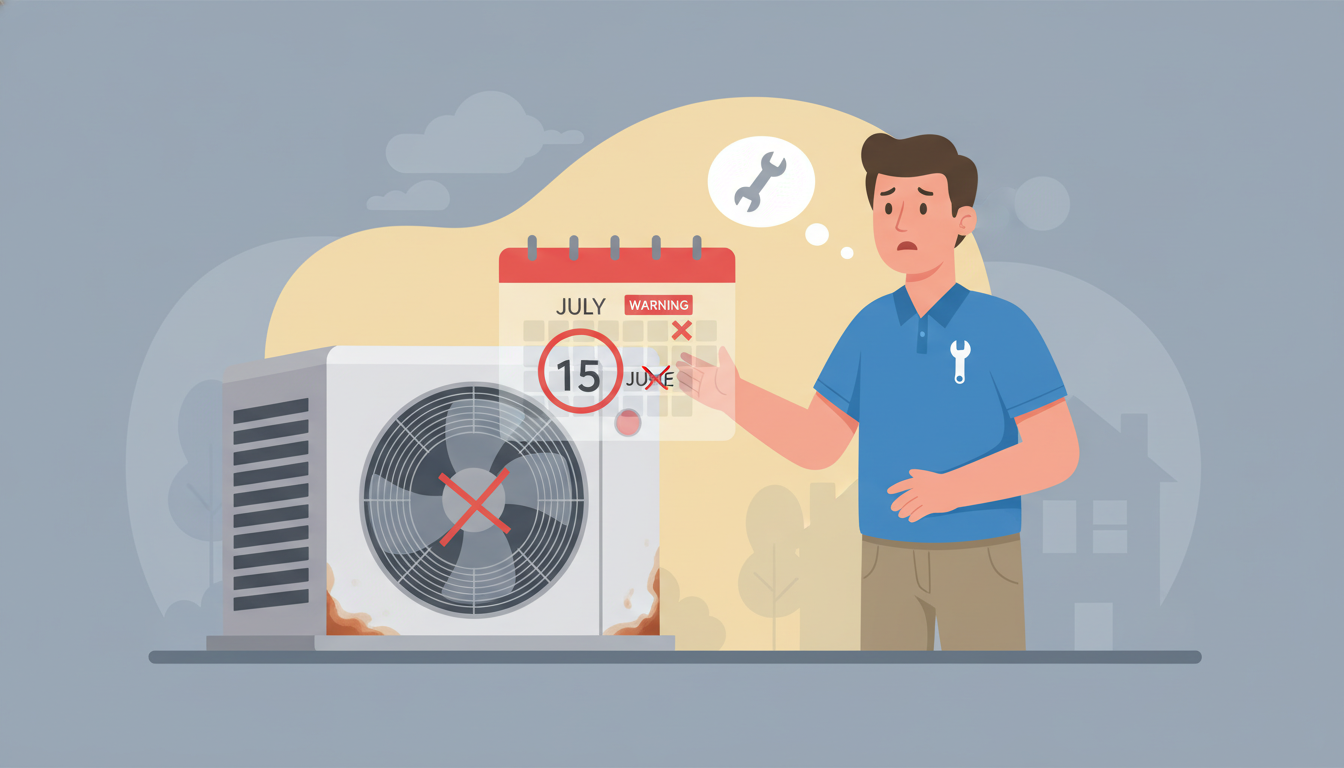
Every homeowner faces this dilemma: your HVAC system is making strange noises, your energy bills are climbing, or your home just isn't as comfortable as it used to be. You know something's wrong, but the system still runs. So you ask yourself, "Can I wait a little longer before calling a technician?"
The short answer is no—and here's why. Delaying HVAC service might save you a few hundred dollars today, but it can cost you thousands tomorrow. Let's break down the real, hidden costs of postponing that repair call.
The True Cost of Delaying HVAC Repair
When you put off HVAC repairs, you're not just risking a breakdown. You're opening the door to a cascade of expenses that add up fast.
1. Your Energy Bills Skyrocket
A malfunctioning HVAC system doesn't just stop working—it works harder. Much harder. And that extra effort shows up on your monthly utility bill.
When components like dirty coils, clogged filters, or refrigerant leaks go unaddressed, your system loses efficiency. Studies show that neglected HVAC systems can lose 10-20% of their efficiency, which translates to significantly higher energy consumption.
Here's what that means in real dollars: if your monthly cooling or heating bill is $150, a 15% efficiency loss costs you an extra $22.50 per month. Over a year, that's $270 in wasted energy—money you're literally throwing away because of a repair you didn't make.
The longer you wait, the more you pay. A minor refrigerant leak that would cost $200 to fix today can add $50-100 to your monthly bills until you address it. Wait six months, and you've already lost more money than the repair would have cost.
2. Minor Problems Become Major Expenses
HVAC systems are interconnected. When one component fails, it puts stress on everything else. What starts as a $150 fan motor repair can quickly escalate into a $1,500 compressor replacement if you wait too long.
Think of it like dental care: ignoring a cavity doesn't make it go away. It turns into a root canal. The same principle applies to your HVAC system.
Real-world example: A homeowner ignored a strange grinding noise from their air conditioner. The issue was a worn-out blower motor bearing—a $200 repair. Three months later, the motor seized completely, damaging the blower wheel and overheating the electrical components. The final bill? $1,800, plus emergency service fees.
Common escalation patterns include:
- Refrigerant leak ($200 fix) → Compressor failure ($1,500-2,500 replacement)
- Dirty coils ($150 cleaning) → Frozen evaporator coil ($800+ repair)
- Thermostat malfunction ($180 fix) → Short cycling damage ($600-1,200 repair)
- Clogged condensate drain ($100 service) → Water damage & mold ($2,000+ remediation)
The pattern is clear: every day you delay compounds the problem and multiplies the cost.
3. Emergency Repairs Cost 50-100% More
When your furnace dies on the coldest night of the year or your AC quits during a summer heatwave, you don't have the luxury of shopping around or waiting for regular business hours. You need help immediately—and you'll pay premium prices for it.
Emergency HVAC service typically costs 50-100% more than scheduled repairs. Here's why:
- After-hours fees: Evening, weekend, and holiday service calls come with surcharges ranging from $75 to $200 or more
- Limited availability: During peak seasons, emergency calls may involve multi-day waits, meaning you're without heating or cooling when you need it most
- Rush part orders: If a technician needs to overnight a replacement part, expect to pay premium shipping fees
- No time to compare: Emergency situations eliminate your ability to get multiple quotes or find the best price
A routine $300 repair during normal business hours can easily become a $600-900 emergency call. And that doesn't account for the discomfort and stress of living without climate control while you wait for service.
4. Your System's Lifespan Gets Cut Short
HVAC systems are designed to last 15-20 years with proper maintenance. But when you defer repairs, you're asking damaged components to keep working—and every day they operate in a compromised state, they wear out faster.
Neglecting maintenance and repairs can shave 3-7 years off your system's expected lifespan. If a new HVAC system costs $5,000-10,000, losing even three years of service means you're replacing the unit $750-1,500 per year sooner than necessary.
How delays accelerate aging:
- Dirty filters and coils force the system to run longer cycles, increasing wear on motors and compressors
- Refrigerant leaks cause compressors to work harder and overheat, dramatically shortening their life
- Electrical issues create power surges that damage sensitive control boards and sensors
- Ignoring strange noises allows mechanical wear to continue unchecked until components fail catastrophically
Regular maintenance costs about $150-200 per year. A new HVAC system costs $5,000-10,000. The math is simple: spending $200 annually to extend your system's life by 5+ years saves you thousands in the long run.
5. Voided Warranties Leave You Paying Full Price
Most HVAC manufacturers require proof of annual professional maintenance to honor warranty claims. If you skip maintenance or delay obvious repairs, you're potentially voiding thousands of dollars in warranty coverage.
Manufacturer warranties typically cover major components like compressors, heat exchangers, and coils—the expensive parts. But these warranties often include a critical clause: the homeowner must maintain the system according to manufacturer specifications.
What this means: If your 5-year-old compressor fails and you can't provide maintenance records, the manufacturer may deny your warranty claim. Instead of paying just labor costs, you're now responsible for a $1,500-2,500 compressor replacement out of pocket.
Many homeowners don't realize they've voided their warranty until it's too late. By then, a covered repair becomes a full-price expense.
6. Poor Indoor Air Quality Affects Your Health
Your HVAC system does more than control temperature—it filters and circulates the air you breathe. When the system isn't working properly, your indoor air quality suffers, and so does your health.
Delayed HVAC repairs can lead to:
- Increased allergens: Dirty filters and coils become breeding grounds for dust mites, mold spores, and bacteria that circulate through your home
- Humidity problems: A malfunctioning AC can't properly dehumidify, creating conditions for mold growth
- Poor ventilation: System inefficiencies reduce air exchange, trapping pollutants indoors
- Carbon monoxide risks: Cracked heat exchangers in furnaces can leak this deadly, odorless gas into your living space
For families with asthma, allergies, or respiratory conditions, poor air quality isn't just uncomfortable—it's a genuine health hazard. The cost of medical visits, medications, and missed work can far exceed the price of timely HVAC repairs.
7. Decreased Comfort and Property Value
An unreliable HVAC system makes your home less comfortable and less valuable. Temperature fluctuations, inconsistent airflow, and noisy operation all detract from your quality of life.
When it comes time to sell, home inspectors will identify HVAC problems, and buyers will either demand repairs or negotiate the price down. A poorly maintained system can reduce your home's value by $1,000-5,000 or more, depending on the severity of the issues.
Smart homebuyers know to check the age and condition of major systems. If yours shows signs of neglect, expect it to become a negotiating point that costs you at closing.
When Should You Actually Repair Your HVAC System?
The best time to repair your HVAC is the moment you notice something wrong. But here are the specific warning signs that demand immediate attention:
Red Flag Signs That Require Immediate Service
Don't wait if you notice:
- Strange noises: Grinding, squealing, banging, or rattling sounds indicate mechanical problems that will worsen
- Weak airflow: Reduced airflow from vents suggests blower problems, ductwork leaks, or failing motors
- Short cycling: If your system turns on and off frequently without completing full cycles, it's working inefficiently and wearing out fast
- Rising energy bills: Unexplained increases in utility costs (10% or more) often signal efficiency problems
- Uneven temperatures: Hot or cold spots in your home indicate distribution or capacity issues
- Moisture or leaks: Water pooling around your indoor unit or refrigerant leaks require immediate attention
- Bad odors: Musty smells suggest mold, while burning odors could indicate electrical problems
- Age over 10 years with no maintenance: If your system is a decade old and you haven't had regular service, it's overdue for professional inspection
The 24-Hour Rule for HVAC Problems
If you notice a new symptom—a strange sound, weak performance, or unusual behavior—give it 24 hours. If the problem persists or worsens, call a technician. Waiting longer rarely makes things better and almost always makes them more expensive.
HVAC Repair vs. Replacement: Making the Right Call
Sometimes repair isn't the right answer—replacement is. Here's how to know which path makes financial sense.
The 50% Rule
If your repair costs more than 50% of a replacement system's price AND your unit is over 10 years old, replacement is often the smarter choice. For example:
- Your system: 12 years old
- Repair estimate: $2,500 for compressor replacement
- New system cost: $5,000
- The math: $2,500 is 50% of replacement cost, and the system is past its expected midpoint—replacement makes more sense
The $5,000 Rule
Add your system's age to the repair cost. If the total exceeds $5,000, replacement is usually the better investment.
Example 1:
- Age: 15 years
- Repair: $1,200
- Total: 15 + 1,200 = 1,215 → Repair makes sense
Example 2:
- Age: 14 years
- Repair: $3,000
- Total: 14 + 3,000 = 3,014 → Borderline; get a second opinion
Example 3:
- Age: 18 years
- Repair: $1,500
- Total: 18 + 1,500 = 1,518 → Consider replacement
These aren't perfect formulas, but they provide a rational framework for a difficult decision.
For more guidance on this decision, check out our HVAC repair vs. replacement guide.
How to Avoid These Hidden Costs
The best way to avoid the hidden costs of delayed HVAC service is to stay ahead of problems with preventative maintenance and quick action.
1. Schedule Annual Professional Maintenance
Professional HVAC maintenance costs $150-200 per year and includes:
- Filter replacement or cleaning
- Coil cleaning and inspection
- Refrigerant level check and adjustment
- Electrical connection testing
- Thermostat calibration
- Condensate drain cleaning
- Safety control verification
- Overall system performance assessment
Schedule maintenance twice yearly: once before cooling season (spring) and once before heating season (fall). This catches small issues before they become expensive repairs.
2. Change Filters Regularly
The simplest maintenance task is also the most important. Change or clean your HVAC filters every 1-3 months depending on usage, pets, and allergies. This $20-40 task can prevent thousands in damage caused by restricted airflow.
3. Address Problems Within 48 Hours
When you notice an issue, don't wait. The first 48 hours are your window to catch problems while they're still minor. After that, cascading damage begins.
4. Keep Maintenance Records
Document every service call, repair, and maintenance visit. These records prove warranty compliance, help technicians diagnose recurring issues, and add value when selling your home.
5. Work With a Trusted HVAC Professional
Build a relationship with a reliable HVAC contractor before you need emergency service. Having a trusted technician means:
- Priority scheduling when you need service
- Fair, transparent pricing without emergency gouging
- Familiarity with your system for faster, more accurate diagnosis
- Preventative recommendations based on your equipment's history
Find tips on avoiding overpriced estimates in our guide on how to spot an overpriced HVAC repair estimate.
Seasonal Considerations: Timing Your Repairs Strategically
While you should never delay necessary repairs, there are strategic advantages to timing non-emergency maintenance.
Best Times to Schedule HVAC Service
Spring (March-May): Before cooling season hits, book AC maintenance and repairs. Contractors are less busy, and you'll avoid summer emergency premiums.
Fall (September-November): Before heating season, schedule furnace service and repairs. Again, lower demand means better availability and pricing.
Avoid peak seasons: July-August and December-January are peak emergency times. Contractors charge premium rates and have limited availability.
If you discover a problem during peak season, don't wait until the off-season—repair it immediately to avoid the cascading costs discussed earlier. But for routine maintenance, off-peak scheduling saves money.
The Bottom Line: Repair Now, Save Later
The question isn't whether you can afford to repair your HVAC system now—it's whether you can afford NOT to. Every day you delay:
- Your energy bills increase by $2-5 per day
- Minor problems grow into major failures
- Your system ages faster than it should
- Your warranty protection erodes
- Your family's comfort and health suffer
A $200 repair today can prevent a $2,000 emergency tomorrow. A $150 maintenance visit can extend your system's life by years and save thousands in energy costs.
The hidden cost of delaying HVAC service isn't just money—it's stress, discomfort, and the risk of total system failure when you need it most.
Don't wait for a complete breakdown. If your HVAC system is showing warning signs, act now. The money you save will be your own.
For comprehensive guidance on HVAC repairs and when to take action, visit our HVAC repair guide.
Frequently Asked Questions
How long can you delay HVAC repairs?
You shouldn't delay HVAC repairs at all. While a system may continue running with minor issues, every day of delay increases energy costs, accelerates wear on other components, and raises the risk of total breakdown. Most minor problems should be addressed within 48 hours of detection to prevent escalation.
What happens if I ignore HVAC maintenance?
Ignoring HVAC maintenance leads to reduced efficiency (10-20% loss), higher energy bills, shortened system lifespan (potentially losing 3-7 years), voided manufacturer warranties, poor indoor air quality, and increased risk of expensive emergency breakdowns. Annual maintenance costs $150-200 but prevents thousands in avoidable repairs.
Is emergency HVAC repair more expensive?
Yes, emergency HVAC repair typically costs 50-100% more than scheduled service. After-hours fees, weekend surcharges, rush part orders, and peak-season demand all contribute to higher costs. A $300 standard repair can become $600-900 as an emergency call.
Should I repair or replace my HVAC system?
Use the 50% rule: if repair costs exceed 50% of replacement cost AND your system is over 10 years old, replacement often makes better financial sense. Also consider the $5,000 rule: add your system's age to the repair cost—if the total exceeds 5,000, lean toward replacement. Systems over 15 years old with major repairs needed are usually better replaced.
How much does delayed HVAC repair cost?
Delayed HVAC repairs cost far more than timely service. A 15% efficiency loss adds $270+ annually to energy bills. Minor repairs that cost $150-300 can escalate to $1,500-2,500 if delayed. Emergency repairs add $75-200 in after-hours fees. Over time, delayed maintenance can shorten system life by 3-7 years, costing $750-1,500+ per year in premature replacement.
Can I do HVAC repairs myself?
While homeowners can change filters and keep outdoor units clear of debris, most HVAC repairs require professional expertise, specialized tools, and EPA certification (for refrigerant work). DIY HVAC repairs often void warranties, violate local codes, and create safety risks including electrical hazards and carbon monoxide exposure. Always hire licensed HVAC technicians for repairs beyond basic maintenance.