When Repeated Repairs Mean It's Time to Replace Your HVAC System
When Repeated Repairs Mean It's Time to Replace Your HVAC System
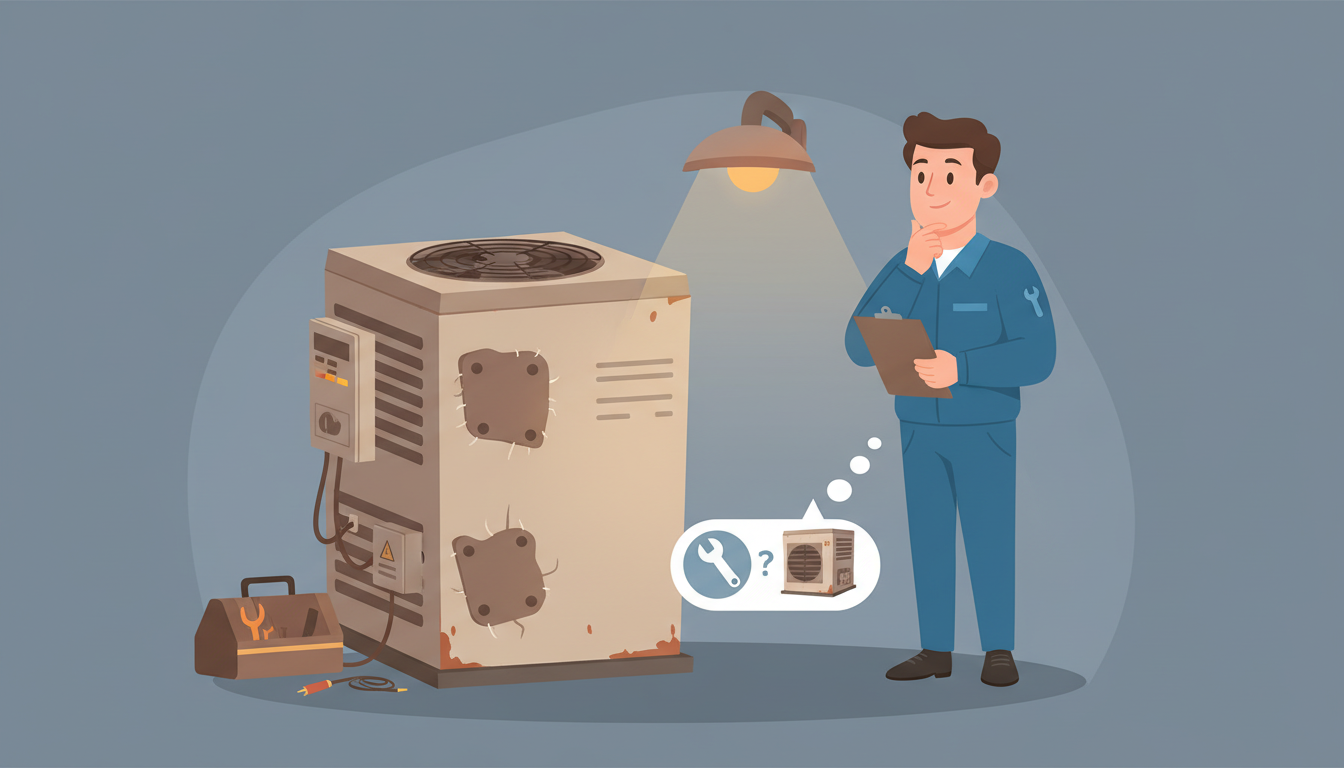
If you've found yourself on a first-name basis with your HVAC technician, you're not alone. Frequent breakdowns and mounting repair bills are frustrating realities for many homeowners—but they're also clear warning signs. At some point, fixing your aging air conditioner or furnace becomes less like maintenance and more like throwing money into a bottomless pit. So how do you know when it's time to stop repairing and start replacing? Let's break down the telltale signs that your HVAC system has reached the end of its road.
The Real Cost of Repeated Repairs
When your heating and cooling system breaks down once, it's an inconvenience. When it breaks down three or four times in a year, it's a pattern—and an expensive one. Each service call comes with diagnostic fees, labor costs, and parts expenses that add up faster than you might realize.
Here's what many homeowners don't track: the cumulative cost of repairs over time. That $200 fix in March, the $450 repair in June, and the $600 emergency call in August total $1,250—potentially enough to cover a significant portion of a new system's down payment. When you're making multiple repair calls within a single year, you're likely spending money on a system that's fundamentally failing rather than investing in long-term comfort and reliability.
The Industry's $5,000 Rule
HVAC professionals use a simple calculation to help homeowners make the repair-versus-replace decision. Multiply your system's age by the cost of the current repair. If the result exceeds $5,000, replacement typically makes better financial sense than another repair.
For example:
- Your air conditioner is 12 years old
- The current repair estimate is $500
- 12 × $500 = $6,000
Since $6,000 exceeds the $5,000 threshold, replacement is the smarter investment. This formula works because it accounts for both the system's remaining lifespan and the likelihood of future breakdowns. An older system requiring expensive repairs today will almost certainly need more expensive repairs tomorrow.
Common Patterns That Signal It's Time to Replace
Not all repairs are created equal. While occasional maintenance is normal for any mechanical system, certain patterns indicate your HVAC system is on its last legs.
The Same Component Keeps Failing
If you're replacing the same part multiple times—whether it's the capacitor, compressor, or blower motor—the underlying issue isn't the component itself. When the same failure happens repeatedly, it usually means other parts of your system are causing excessive wear and tear. Your HVAC system is an interconnected network, and when one component constantly fails, it's often a symptom of broader system deterioration.
Repairs Are Getting More Frequent
One repair every couple of years? That's normal system maintenance. Two or three repairs per year? That's a system in decline. According to industry experts at Trane, one or two repairs within a three-year span suggests your system still has viable life remaining. However, three or more repairs during this timeframe strongly indicates declining efficiency and that replacement offers better value.
You're Facing Major Component Failure
Some repairs are so expensive that they rival the cost of replacement. Compressor failure in an air conditioner, for instance, can cost $1,500 to $2,500 for parts and labor. Heat exchanger replacement in a furnace can run $1,000 to $3,000. When a single repair approaches 50% of a new system's cost, and your existing system is already 10+ years old, you're essentially paying premium prices for outdated, less efficient technology.
Emergency Repairs Are Becoming the Norm
Are you constantly calling for emergency service during the hottest summer days or coldest winter nights? Emergency repairs typically cost 1.5 to 2 times more than scheduled service calls, and they're a strong indicator that your system can't handle peak demand anymore. A reliable HVAC system should operate most efficiently when you need it most—not break down repeatedly during extreme weather.
How System Age Factors Into the Decision
Age isn't just a number when it comes to HVAC equipment—it's a critical factor in determining whether repairs make sense.
Expected Lifespan by Equipment Type
Different HVAC components have different life expectancies:
- Air Conditioners: 15-20 years with proper maintenance
- Heat Pumps: 15 years on average
- Furnaces: 15-20 years depending on fuel type and usage
- Boilers: 15-30 years with regular service
Once your system exceeds these benchmarks, even "minor" repairs become questionable investments. A 17-year-old air conditioner that needs a $400 repair might only have 1-3 years of remaining life—meaning you could face another breakdown (and another repair bill) within months.
The 50% Rule of Remaining Lifespan
If your system has already exceeded 50% of its expected lifespan and requires repairs costing more than 50% of a replacement's price, replacement is almost always the better choice. You're essentially financing a brand-new system either way—except with repairs, you're getting outdated technology with no warranty or efficiency improvements.
The Hidden Costs of Continuing to Repair
The price of the repair itself is only part of the equation. Older, frequently-breaking systems cost you money in ways you might not immediately notice.
Rising Energy Bills
As HVAC systems age, they lose efficiency. Your 15-year-old air conditioner might have a SEER (Seasonal Energy Efficiency Ratio) rating of 10, while modern units achieve SEER ratings of 16 or higher. That efficiency gap translates directly to your monthly utility bills. In fact, upgrading to a higher-efficiency system can reduce your cooling costs by 35% or more compared to units that are a decade old.
If you've noticed your energy bills creeping upward despite similar usage patterns, your aging system is likely working harder and longer to achieve the same comfort level—burning through energy and money in the process.
Lost Comfort and Productivity
Frequent breakdowns mean frequent discomfort. When your system fails during peak summer or winter, you're not just dealing with repair costs—you're dealing with uncomfortable temperatures, disrupted sleep, reduced productivity, and in extreme cases, health risks for vulnerable family members. The stress and inconvenience of repeated failures have real costs, even if they don't show up on an invoice.
The Repair Cycle Trap
Once you've invested in one or two major repairs, it's psychologically difficult to "waste" that investment by replacing the system. This thinking traps homeowners in an endless repair cycle, where each new repair feels necessary to justify the previous ones. Breaking this cycle requires looking at the big picture: what you've already spent is gone, and the only question that matters is whether future repairs or replacement offers better value moving forward.
When Replacement Makes the Most Financial Sense
Understanding when replacement beats repair isn't just about system age and repair frequency—it's about timing, incentives, and long-term value.
Before the Warranty Expires
If your system is still under warranty for major components, repairs might make sense—the manufacturer covers parts costs, and you only pay for labor. However, once the warranty expires, you're on the hook for both parts and labor, dramatically increasing repair costs. This is often the ideal time to consider replacement, especially if the system is 10+ years old.
When Financial Incentives Are Available
Federal tax credits, manufacturer rebates, and utility company incentives can significantly reduce the upfront cost of replacement. The federal Inflation Reduction Act currently offers tax credits up to 30% of the installation cost (maximum $2,000) for qualifying high-efficiency systems. Combined with manufacturer rebates and local utility incentives, you could save thousands on a replacement system—making the financial case for replacement even stronger.
These incentives won't last forever, so taking advantage while they're available can dramatically improve your return on investment. For guidance on navigating repair decisions and available options, check out our comprehensive HVAC repair guide.
During Off-Peak Seasons
Replacing your HVAC system during spring or fall—when demand is lower—often results in better pricing, more available installation dates, and more attention from contractors. Waiting until your system completely fails during peak summer or winter can mean emergency replacement at premium prices with limited equipment selection.
Making the Smart Choice: Repair vs. Replace Decision Framework
So how do you make the final call? Use this decision framework to evaluate your situation objectively.
Run the Numbers
Calculate the total repair costs you've incurred over the past 12-24 months. Add the current repair estimate. Compare this total to the cost of a new system (typically $3,500-$7,500 for most residential installations). If your cumulative repair costs exceed 50% of replacement cost, and your system is over 10 years old, replacement is likely the better investment.
For a detailed comparison of when repair makes sense versus replacement, see our in-depth analysis at HVAC Repair vs Replacement.
Consider the Total Cost of Ownership
Look beyond the immediate repair bill. Factor in:
- Ongoing energy costs with your current system versus a high-efficiency replacement
- Likelihood of additional repairs within the next 1-3 years
- Warranty coverage on a new system (typically 5-10 years on parts)
- Improved comfort and reliability
A new system costs more upfront but delivers predictable monthly expenses, lower energy bills, and peace of mind.
Assess Your Home Plans
If you're planning to sell your home within 1-2 years, a new HVAC system can add significant resale value and appeal to potential buyers. Most homebuyers view a recently replaced HVAC system as a major advantage, potentially justifying a higher asking price. However, if you're uncertain about your long-term plans, a strategic repair might be the safer short-term choice.
Get Professional Input
While online guides and formulas provide useful frameworks, nothing replaces a thorough assessment from a qualified HVAC professional. Request an honest evaluation from a licensed technician who can inspect your system, review its repair history, and provide an objective recommendation. Look for contractors who offer multiple options rather than pushing exclusively for replacement—you want advice, not a sales pitch.
Our simple repair vs replace checklist for homeowners can help you organize the key factors and make a confident decision.
What to Expect When Replacing Your HVAC System
If you've decided replacement is the right call, understanding the process helps you plan effectively and avoid surprises.
Choosing the Right Replacement System
Modern HVAC systems offer features that simply didn't exist when your current system was installed:
- Variable-speed technology that adjusts output to match demand, improving efficiency and comfort
- Smart thermostats with learning capabilities and remote control via smartphone
- Zoning systems that allow different temperature settings for different areas of your home
- Advanced air filtration for improved indoor air quality
- Quieter operation with improved insulation and design
Work with your contractor to right-size your new system. Bigger isn't always better—an oversized system cycles on and off too frequently, reducing efficiency and lifespan. A proper load calculation ensures your new system matches your home's actual heating and cooling needs.
Installation Timeline and Process
Most residential HVAC replacements take 1-3 days, depending on the complexity of the installation and whether ductwork modifications are needed. Your contractor should:
- Remove the old equipment
- Inspect and potentially modify ductwork
- Install the new indoor and outdoor units
- Connect refrigerant lines and electrical components
- Test the system thoroughly
- Review operation and maintenance with you
Plan to be home during installation or have someone available to answer questions and provide access to the equipment locations.
Immediate Benefits You'll Notice
The difference between your aging, failing system and a new high-efficiency unit is dramatic. Most homeowners immediately notice:
- Consistent temperatures throughout the home without hot or cold spots
- Quieter operation with less noise from the outdoor condenser and indoor air handler
- Faster recovery times when adjusting the thermostat
- Lower energy bills starting with the first full month of operation
- Improved air quality with better filtration and humidity control
Frequently Asked Questions
How many repairs are too many for an HVAC system?
As a general rule, if you're making three or more repair calls within a three-year period, your system is likely declining and replacement should be seriously considered. For systems over 10-15 years old, even two repairs in a single year can indicate it's time to replace rather than continue the repair cycle.
Is it better to repair or replace a 15-year-old HVAC system?
For a 15-year-old system, replacement is usually the better investment unless the repair is very minor (under $200-300). At 15 years, your system has reached or exceeded its expected lifespan, meaning additional breakdowns are likely. Modern systems also offer 35-50% better energy efficiency, which offsets replacement costs through lower utility bills.
Can I replace just the outdoor unit instead of the whole system?
While technically possible, replacing only the outdoor air conditioner unit while keeping an old indoor furnace or air handler is rarely recommended. Mismatched systems operate less efficiently, may void manufacturer warranties, and often fail to achieve the rated efficiency of the new outdoor unit. For optimal performance and warranty coverage, replace the entire system.
What's the average cost to replace an HVAC system?
Residential HVAC replacement typically costs $3,500-$7,500 for a complete system, with prices varying based on system size, efficiency rating, features, and local labor costs. High-efficiency systems and additional features like zoning or advanced air filtration increase costs but provide better long-term value through energy savings and improved comfort.
How can I avoid the repair cycle trap with my next system?
Preventive maintenance is key. Schedule annual professional inspections and tune-ups (before cooling season and before heating season). Change filters regularly, keep outdoor units clear of debris, and address small issues before they become major repairs. Proper maintenance can extend your system's lifespan by 5+ years and dramatically reduce the frequency of repairs.
Breaking the Cycle: Taking Action
If you're reading this article, you're probably already deep in the frustrating cycle of repeated HVAC repairs. The good news? You have the information you need to make an informed decision and break that cycle.
Start by calculating your cumulative repair costs over the past two years and comparing them to replacement costs. Run the $5,000 rule calculation. Consider your system's age and remaining expected lifespan. Factor in the value of reliability, comfort, and peace of mind.
Most importantly, recognize that continuing to repair a failing system isn't maintaining your investment—it's prolonging an inevitable replacement while spending money that could be funding a more efficient, reliable solution.
The decision to replace your HVAC system is significant, but when repeated repairs have become your new normal, replacement isn't just the smart financial choice—it's the path to ending the stress, frustration, and uncertainty that come with an unreliable system. Your home comfort and your wallet will thank you.