Is It Safe to Run the AC if It's Making Loud Noises?
Is It Safe to Run the AC if It's Making Loud Noises?
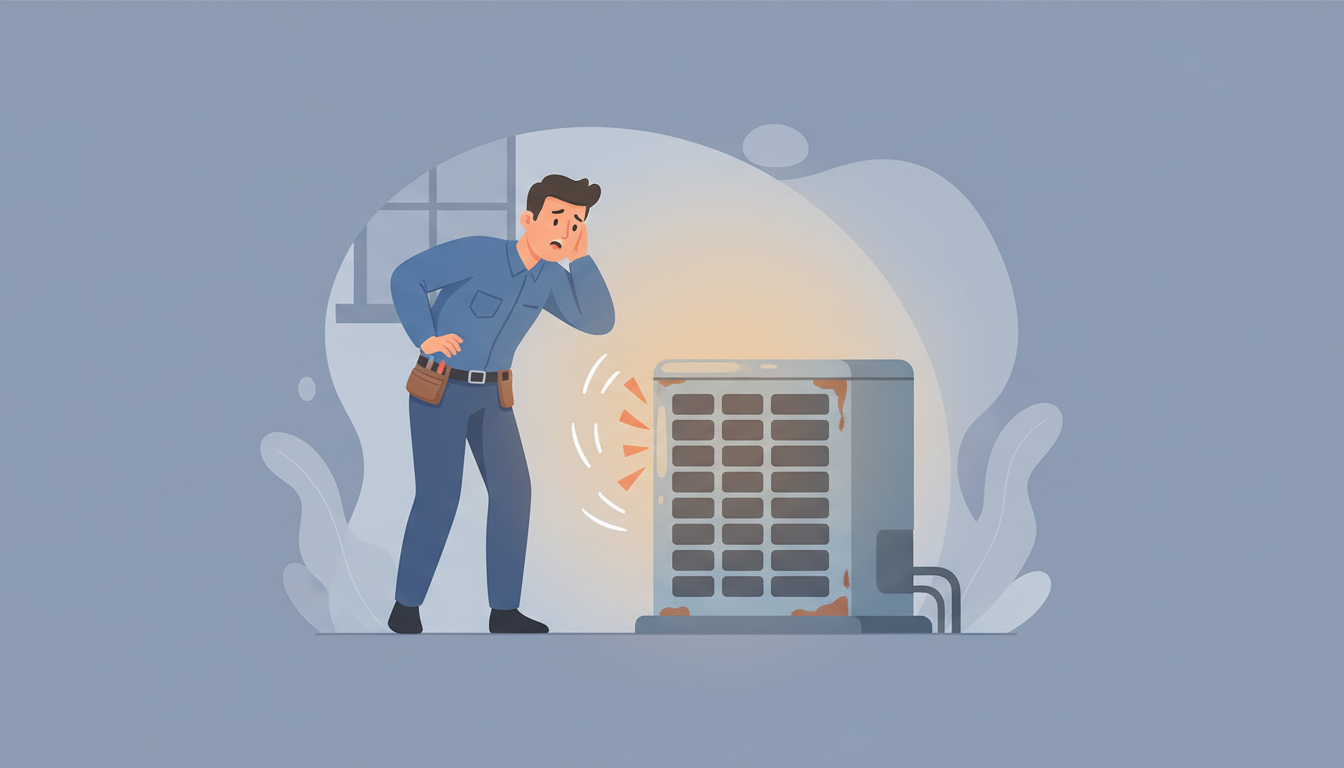
You're relaxing at home when suddenly you hear it—a loud banging, grinding, or hissing sound coming from your air conditioner. Your first thought might be, "Can I just ignore this until it goes away?" The short answer is no. Running your AC when it's making loud noises isn't just annoying—it can be dangerous and lead to costly repairs.
In this guide, we'll break down exactly what those sounds mean, when you should turn off your AC immediately, and how to prevent these issues from happening in the first place.
Why Your AC Makes Loud Noises (And Why You Shouldn't Ignore Them)
Air conditioners aren't silent machines, but there's a big difference between normal operational sounds and alarming noises that signal trouble. When your AC starts making unusual loud noises, it's essentially crying out for help. These sounds typically indicate mechanical wear, loose components, or system failures that will only get worse if you continue running the unit.
The bottom line: Most loud AC noises mean something inside your system is broken, loose, or leaking. Continuing to run your AC in this condition can transform a $150 repair into a $3,000 compressor replacement.
The Short Answer: Should You Keep Running Your AC?
No, you should not continue running your AC if it's making loud, unusual noises. Here's why:
- Safety risks: Certain noises indicate refrigerant leaks (toxic if inhaled) or electrical problems (potential fire hazards)
- Further damage: Running a malfunctioning AC causes additional wear on already-damaged components
- Higher repair costs: What starts as a minor issue can quickly escalate into a complete system failure
- Reduced efficiency: A struggling AC works harder and drives up your energy bills
If you hear banging, grinding, hissing, or screeching sounds, turn off your AC immediately and call a professional HVAC technician.
Common AC Noises and What They Mean
Understanding the specific type of noise your AC is making can help you assess the urgency of the situation. Here are the most common sounds and what they typically indicate.
1. Banging or Clanking Sounds
What it sounds like: Loud metallic crashes or repetitive banging noises
What it means: Banging noises usually indicate serious mechanical problems inside your compressor. This could be:
- Loose or broken connecting rods
- Damaged piston pins
- A failing compressor crankshaft
- Loose fan blades hitting other components
Is it safe to run? Absolutely not. Banging sounds mean internal components are colliding or breaking apart. Turn off your system immediately.
What to do: Shut off your AC at the thermostat and the circuit breaker. Contact an HVAC professional right away. Continuing to run the unit could lead to complete compressor failure, which often requires replacing the entire outdoor unit.
2. Grinding Noises
What it sounds like: A harsh, metallic scraping or grinding sound
What it means: Grinding almost always indicates worn-out motor bearings or mechanical parts rubbing against each other. Common causes include:
- Deteriorated blower motor bearings
- Worn compressor bearings
- Fan motor problems
- Lack of lubrication on moving parts
Is it safe to run? No. Grinding noises signal metal-on-metal contact, which generates excessive heat and can cause motor failure.
What to do: Turn off your AC immediately. A grinding noise that costs $150 to fix today could turn into a $3,000 compressor replacement if left unchecked. Have a professional inspect your motor bearings and blower assembly.
3. Hissing or Whistling Sounds
What it sounds like: A high-pitched hissing, similar to air or steam escaping
What it means: Hissing typically indicates one of two serious problems:
- Refrigerant leak: When refrigerant escapes from your system, it produces a hissing sound
- Dangerous pressure buildup: In some cases, hissing can signal dangerously high internal pressure
Is it safe to run? No. Refrigerant leaks pose health risks and reduce your AC's cooling efficiency. High pressure situations can be dangerous.
What to do: Turn off your system and call a professional immediately. Refrigerant is toxic and requires specialized equipment to handle safely. Don't attempt DIY repairs for refrigerant issues.
4. Screeching or Squealing Sounds
What it sounds like: A loud, high-pitched squeal or screech
What it means: Screeching sounds usually indicate:
- Worn or damaged fan belt (in older AC models)
- Bad motor bearings that need lubrication
- Metal parts rubbing due to lack of maintenance
Is it safe to run? Not recommended. While not as immediately dangerous as banging or hissing, screeching indicates significant wear that will worsen quickly.
What to do: Turn off your AC and schedule professional service within 24 hours. If caught early, this repair might only require bearing replacement or lubrication.
5. Buzzing or Humming Noises
What it sounds like: A persistent electrical buzzing or loud humming
What it means: Buzzing often points to electrical issues:
- Failing capacitor or contactor
- Loose electrical connections
- Frozen coil causing the compressor to struggle
- Debris in the outdoor unit
Is it safe to run? It depends on the severity. A slight hum is normal, but loud, persistent buzzing indicates electrical problems that could cause overheating or fire hazards.
What to do: Turn off your system if the buzzing is loud or accompanied by a burning smell. Check for obvious debris in the outdoor unit. If the noise persists after clearing debris, call a professional.
6. Rattling or Vibrating Sounds
What it sounds like: Loose parts shaking or rattling inside the unit
What it means: Rattling usually indicates:
- Loose screws, bolts, or panels
- Debris inside the unit (leaves, twigs, small objects)
- Loose fan blades
- Mounting brackets that have come loose
Is it safe to run? Minor rattling from loose panels might not be immediately dangerous, but loose internal components can cause damage if they break free.
What to do: Turn off your AC and inspect the outdoor unit for debris. Tighten any loose screws or panels you can safely access. If rattling comes from inside the unit or continues after clearing debris, call a professional.
7. Clicking or Popping Sounds
What it sounds like: Repetitive clicking or occasional popping noises
What it means:
- Normal clicking: A single click when the AC turns on or off is normal (it's the relay engaging)
- Repeated clicking: Could indicate a failing capacitor or electrical relay
- Popping: May be normal thermal expansion or could indicate issues with the ductwork
Is it safe to run? Occasional clicking at startup is fine. Rapid, continuous clicking requires attention.
What to do: If clicking is continuous or your AC won't start, turn it off and call a technician. The capacitor or contactor may need replacement.
When to Shut Off Your AC Immediately
Some situations require immediate action. Turn off your AC right away if you notice:
- High-pitched screeching or screaming sounds – Indicates severe mechanical stress or motor failure
- Loud banging or clanking – Suggests broken internal components that could cause catastrophic failure
- Hissing with a chemical smell – May indicate a significant refrigerant leak
- Buzzing accompanied by a burning smell – Points to electrical problems or overheating
- Grinding noises – Means metal parts are rubbing together without lubrication
- Any noise that suddenly gets worse – Indicates rapid deterioration
How to safely shut down your AC:
- Turn off the thermostat
- Switch off the circuit breaker to the AC unit
- Do not attempt to open or repair the unit yourself
- Call a licensed HVAC technician for inspection and repair
The Real Dangers of Running a Noisy AC
Beyond the annoying sounds, continuing to operate a malfunctioning AC creates several serious risks.
Health and Safety Hazards
Refrigerant exposure: Hissing sounds often indicate refrigerant leaks. Modern refrigerants, while less harmful than older types, can still cause:
- Respiratory irritation
- Headaches and dizziness
- In severe cases, refrigerant poisoning
Fire risk: Electrical problems that cause buzzing or humming can lead to:
- Overheating components
- Electrical shorts
- Potential fire hazards, especially in older systems
Carbon monoxide concerns: While rare in AC-only systems, dual heating/cooling units with gas furnaces could develop issues that affect overall system safety.
Equipment Damage and Costs
Running your AC with damaged components accelerates wear throughout the entire system:
- A loose fan blade might damage the motor housing
- Worn bearings generate excessive heat that damages surrounding components
- Refrigerant leaks force your compressor to work harder, shortening its lifespan
- Small repairs become major replacements when ignored
Cost comparison:
- Typical bearing replacement: $150-$400
- Compressor replacement: $1,500-$3,000
- Full system replacement: $3,500-$7,500+
Studies show that catching AC problems early saves an average of 70% on repair costs.
Energy Efficiency Loss
A struggling AC doesn't just make noise—it wastes energy. When your system has mechanical issues:
- It runs longer to achieve the same cooling
- The compressor works harder than designed
- Your energy bills can increase by 20-30%
- Overall system efficiency drops significantly
Quick Troubleshooting: What You Can Check Yourself
Before calling a professional (or while waiting for them to arrive), you can safely perform these basic checks:
1. Inspect the Outdoor Unit
- Look for debris: Clear leaves, grass clippings, or other obstructions from around and inside the unit
- Check the fan: Make sure the fan blades can spin freely and aren't hitting anything
- Examine panels: Tighten any loose screws or panels that might be rattling
2. Change Your Air Filter
A clogged filter forces your system to work harder and can cause various noises:
- Remove your current filter
- Check if it's visibly dirty or clogged
- Replace it with a new filter (most need changing every 1-3 months)
This simple step solves noise issues in about 15% of cases and should be part of your regular HVAC maintenance routine.
3. Check Your Thermostat Settings
- Ensure the thermostat is set to "cool" mode
- Verify the temperature setting is appropriate
- Try turning the system completely off for 30 minutes, then back on
4. Inspect Circuit Breakers
- Check if any breakers have tripped
- Ensure the AC unit is receiving power
- Never attempt to bypass safety switches
Warning: These are the ONLY troubleshooting steps you should attempt yourself. Never:
- Open the outdoor or indoor unit housing
- Touch electrical components
- Attempt to add refrigerant
- Disassemble any internal parts
For anything beyond visual inspection and filter changes, call a licensed HVAC professional.
When to Call a Professional HVAC Technician
While some minor rattling might wait until business hours, certain situations require immediate professional attention:
Call immediately for:
- Loud banging, grinding, or screeching noises
- Hissing sounds with chemical odors
- Electrical buzzing with burning smells
- Any noise that prevents your AC from cooling
- Sounds accompanied by visible damage or leaking
Schedule service within 24-48 hours for:
- Persistent rattling after clearing debris
- Clicking sounds when the AC tries to start
- Buzzing or humming that's louder than normal
- Any noise that's changed or worsened recently
What to expect from a professional visit:
- Diagnostic inspection: The technician will identify the source of the noise
- Safety assessment: They'll check for immediate hazards like refrigerant leaks
- Repair recommendations: You'll get a detailed explanation of the problem and repair options
- Cost estimate: Clear pricing before any work begins
When choosing an HVAC professional, look for:
- Proper licensing and insurance
- Good reviews and references
- Clear, upfront pricing
- Emergency service availability
For comprehensive guidance on finding the right technician, check out our detailed central AC repair guide.
Preventing AC Noise Problems: Maintenance Tips
The best way to handle AC noises is to prevent them from happening in the first place. Regular maintenance dramatically reduces the likelihood of sudden failures and loud noises.
Schedule Annual Professional Maintenance
When: Spring, before cooling season begins
Cost: $75-$200 annually
What's included:
- Complete system inspection
- Cleaning of coils and components
- Lubrication of moving parts
- Electrical connection testing
- Refrigerant level check
- Thermostat calibration
ROI: Annual maintenance extends your AC's lifespan by 5-10 years and prevents about 95% of sudden breakdowns.
Monthly DIY Maintenance Tasks
Change air filters regularly:
- Standard filters: Every 1-3 months
- High-efficiency filters: Every 3-6 months
- Homes with pets: Monthly
Keep the outdoor unit clear:
- Maintain 2-3 feet of clearance around the unit
- Trim nearby vegetation monthly
- Remove debris after storms or high winds
- Gently hose off the exterior fins (when unit is off)
Monitor system performance:
- Listen for changes in operational sounds
- Check that vents blow consistently cool air
- Watch for ice buildup on refrigerant lines
- Note any sudden changes in energy bills
Seasonal Maintenance Checklist
Spring (before cooling season):
- Schedule professional tune-up
- Replace air filter
- Clear winter debris from outdoor unit
- Test thermostat operation
- Check insulation on refrigerant lines
Summer (during heavy use):
- Check filter monthly
- Keep outdoor unit free of grass clippings
- Listen for unusual sounds during operation
- Ensure vents aren't blocked by furniture
Fall (before heating season):
- Give the outdoor unit a final cleaning
- Replace air filter
- Consider a professional inspection if you heard any unusual sounds during summer
Winter (off-season):
- Cover outdoor unit if in harsh climates (use a breathable cover)
- Check on the unit after major storms
Understanding AC Noise at Startup
One common question: "My AC makes a loud noise when starting—is that normal?" The answer depends on the type of noise.
Normal startup sounds:
- Single click as the relay engages
- Brief whooshing as air begins flowing
- Slight increase in fan noise as it spins up
- Low hum from the compressor engaging
Abnormal startup sounds requiring attention:
- Loud banging or clanking when turning on
- Grinding noises at startup
- Multiple clicking sounds without starting
- Screeching or squealing when the compressor engages
If your AC consistently makes loud noises when starting, don't ignore it. What begins as a startup noise often progresses to continuous operation problems. Early diagnosis can prevent the issue from worsening.
Real Cost of Ignoring AC Noises
To put the importance of addressing AC noises in perspective, let's look at real-world cost scenarios:
Scenario 1: Caught Early
- Initial symptom: Light squealing sound
- Problem: Dry motor bearings
- Action: Called technician immediately
- Repair cost: $175
- Total downtime: 2 hours
Scenario 2: Delayed Action
- Initial symptom: Same light squealing
- Inaction: Ran AC for 3 more weeks
- Problem escalation: Bearings failed, damaged motor shaft
- Repair cost: $850
- Total downtime: 3 days waiting for parts
Scenario 3: Complete Neglect
- Initial symptom: Same light squealing
- Inaction: Ignored for entire season
- Problem escalation: Motor seized, damaged compressor
- Repair cost: $2,400 for compressor replacement
- Total downtime: 1 week in mid-summer heat
The pattern is clear: addressing noises early saves significant money and discomfort.
FAQ About AC Noises and Safety
How long can I run my AC if it's making noise?
If the noise is minor rattling from a loose panel, you can run it briefly while scheduling service. For loud banging, grinding, hissing, or screeching, turn it off immediately. Don't run a severely noisy AC for more than a few minutes.
Can a noisy AC explode or catch fire?
While rare, electrical issues or severe pressure problems can potentially cause fires or component failures. Hissing sounds indicating high pressure or buzzing with burning smells should be treated as emergency situations.
Will my AC break down completely if I keep running it with noise?
Possibly. Many AC noises indicate progressive failures. What starts as a minor issue often leads to complete component failure if ignored. Compressors, motors, and bearings can all fail catastrophically when forced to operate while damaged.
Are some AC noises normal?
Yes. Normal sounds include a gentle hum when running, a single click at startup, and quiet air whooshing from vents. What's not normal: loud banging, grinding, continuous clicking, hissing, screeching, or any sound that's suddenly changed or gotten louder.
How much will it cost to fix my noisy AC?
Repair costs vary widely based on the problem:
- Simple fixes (loose parts, cleaning): $100-$200
- Motor bearing replacement: $150-$400
- Capacitor replacement: $150-$350
- Fan motor replacement: $450-$650
- Compressor replacement: $1,500-$3,000
- Full system replacement: $3,500-$7,500+
Most noise-related repairs fall in the $200-$600 range if caught early.
Can I just lubricate the parts myself to stop the noise?
No. Modern AC units have sealed components that require specific procedures and professional tools. DIY lubrication attempts often do more harm than good and may void your warranty.
Take Action to Protect Your AC and Your Safety
Loud AC noises are never something to ignore. They're warning signs that your system needs professional attention. Whether you're hearing banging, grinding, hissing, or buzzing, the smart move is always to turn off your AC and call a qualified HVAC technician.
Remember these key points:
- Most loud AC noises indicate damage that worsens with continued operation
- Safety risks include refrigerant exposure, fire hazards, and equipment failure
- Early intervention saves 70% on average repair costs
- Annual maintenance prevents 95% of sudden AC failures
- When in doubt, turn it off and call a professional
Don't gamble with your comfort, safety, or wallet. Address unusual AC noises promptly, maintain your system regularly, and work with qualified professionals for all repairs.
Your air conditioner works hard to keep you comfortable—return the favor by listening when it's trying to tell you something's wrong.
Need professional help with your noisy AC? Don't wait for a small problem to become a major expense. Contact a licensed HVAC technician today to diagnose and repair your system safely and effectively.