Why Seasonal HVAC Maintenance Matters Before Summer and Winter
Why Seasonal HVAC Maintenance Matters Before Summer and Winter
Picture this: It's the hottest day of summer, temperatures soaring past 95°F, and your air conditioner suddenly stops working. Or imagine a freezing winter night when your furnace decides to quit. These nightmare scenarios happen to thousands of homeowners every year—and they're almost always preventable.
Seasonal HVAC maintenance isn't just another item on your home care to-do list. It's your insurance policy against uncomfortable emergencies, skyrocketing energy bills, and costly repairs that always seem to happen at the worst possible time.
What Is Seasonal HVAC Maintenance?
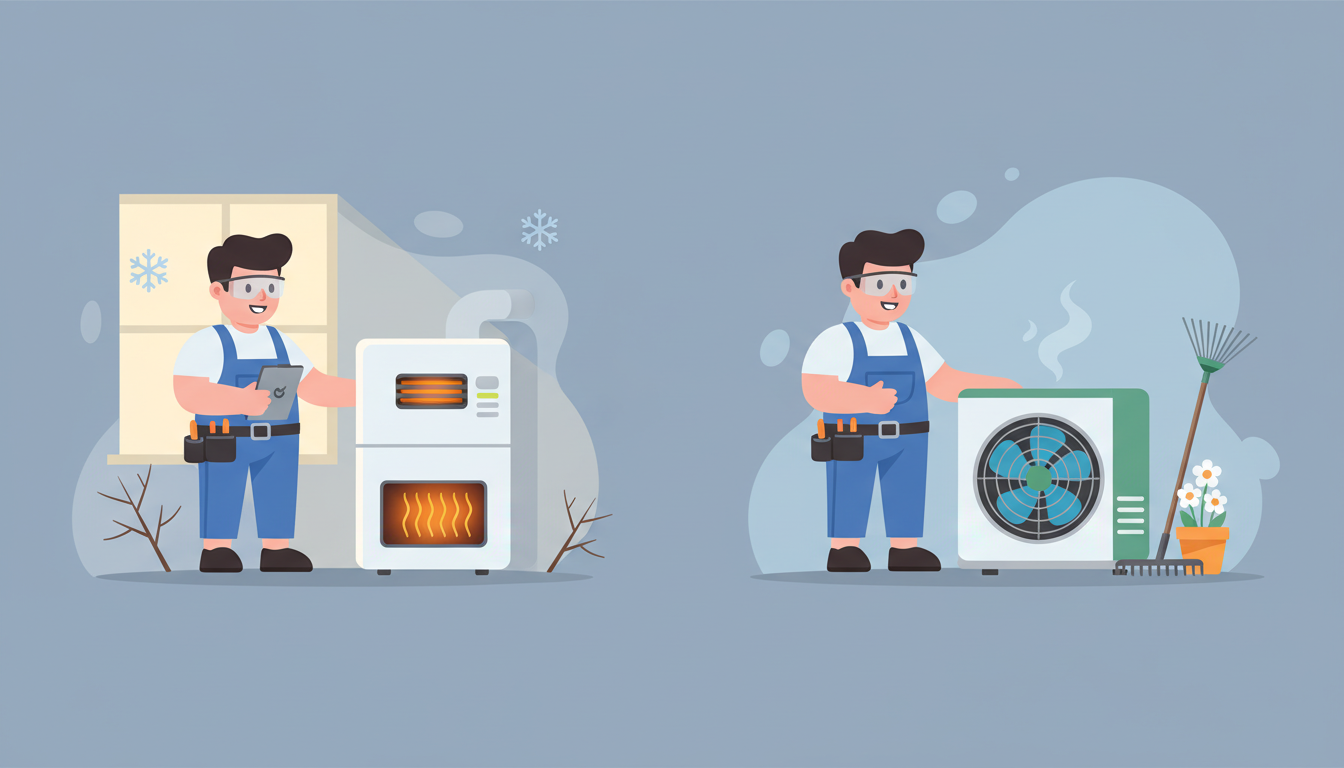
Seasonal HVAC maintenance means having a professional technician inspect, clean, and tune up your heating and cooling systems twice a year—once before summer and once before winter. Think of it like taking your car in for an oil change, except the stakes are higher because your home's comfort depends on it.
A pre-season HVAC tune-up typically includes:
- Inspecting electrical connections and controls
- Cleaning evaporator and condenser coils
- Checking refrigerant levels
- Testing thermostat calibration
- Replacing or cleaning air filters
- Examining the heat exchanger for cracks
- Lubricating moving parts like the blower motor
- Clearing drain lines and condensate pans
- Checking ductwork for leaks
- Testing system startup and shutdown cycles
These aren't just random tasks—each one plays a critical role in keeping your system running efficiently when you need it most.
The True Cost of Skipping Maintenance
Many homeowners skip seasonal maintenance because they don't want to spend $150-$200 on a tune-up. But here's what they don't realize: that small investment can save you thousands.
Emergency Repairs Cost 3-5 Times More
When your HVAC system breaks down in the middle of summer or winter, you're not just paying for the repair—you're paying premium rates for emergency service. A compressor replacement that might cost $1,200 during regular business hours can jump to $2,000 or more for after-hours emergency service.
According to industry data, the average emergency HVAC repair costs between $300 and $1,500, while routine maintenance typically costs $150-$200 per visit. Do the math: two maintenance visits per year ($300-$400 total) versus one emergency repair ($300-$1,500+). The choice is clear.
Your Warranty Might Be Void
Here's something most homeowners don't know: skipping regular maintenance can void your HVAC system's warranty. Manufacturers require proof of annual professional maintenance to honor warranty claims. If your system fails and you can't show maintenance records, you could be stuck paying for a $5,000+ replacement out of pocket.
Always keep your maintenance receipts. They're worth their weight in gold if something goes wrong.
Why Timing Matters: Before Summer and Before Winter
You might wonder, "Why can't I just do maintenance once a year?" The answer lies in how your HVAC system works differently in different seasons.
Spring Maintenance Before Summer
Your air conditioning system has been sitting idle all winter. During those months, dust accumulated on the coils, small animals may have nested near the outdoor unit, and moisture could have caused rust or corrosion. Before you fire it up for the first hot day, you need to ensure:
- The condenser unit is clean and free of debris
- Refrigerant levels are optimal (low refrigerant makes your AC work harder and less efficiently)
- Electrical connections haven't corroded over winter
- The condensate drain line isn't clogged (which can cause water damage)
Best time to schedule: March or early April, before temperatures climb and HVAC companies get overwhelmed with service calls.
Fall Maintenance Before Winter
Similarly, your heating system needs attention before winter arrives. Furnaces and heat pumps that haven't run since last winter need inspection to prevent dangerous situations like:
- Carbon monoxide leaks from cracked heat exchangers
- Gas line problems that could cause fires
- Blower motor failures that leave you without heat
- Thermostat miscalibrations that waste energy
Best time to schedule: September or early October, before the first cold snap hits.
The Hidden Benefits of Seasonal HVAC Maintenance
Beyond avoiding breakdowns, seasonal maintenance delivers benefits that affect your daily life and long-term finances.
Lower Energy Bills Every Month
A well-maintained HVAC system runs more efficiently, and efficiency directly impacts your utility bills. According to the U.S. Department of Energy, regular maintenance can reduce your system's energy consumption by 5-40%, depending on the current condition of your equipment.
Here's why: When your evaporator coil is covered in dust, your system has to work harder to cool your home. When your air filter is clogged, your blower motor strains to push air through. When refrigerant levels are low, your compressor runs longer cycles. Each of these problems burns extra electricity—and costs you money every single month.
A typical household spends $2,000-$3,000 annually on heating and cooling. A 15-20% reduction through proper maintenance means saving $300-$600 per year. That's twice the cost of your maintenance visits, making them free in terms of net cost.
Extended Equipment Lifespan
Your HVAC system is one of the most expensive appliances in your home. A new system can cost $5,000-$15,000 depending on size and features. Regular maintenance can extend your system's lifespan by 5-10 years.
Think about it: systems that receive seasonal maintenance typically last 15-20 years, while neglected systems often fail after 10-12 years. That's potentially a decade of extra service from a simple twice-yearly checkup.
The reason is simple: maintenance prevents the small problems that escalate into major failures. A $5 capacitor replacement during maintenance prevents a $1,200 compressor failure down the road. A cleaned coil reduces strain on the blower motor, preventing a $800 motor replacement.
Better Indoor Air Quality
Your HVAC system doesn't just heat and cool your home—it also filters the air you breathe. During a seasonal tune-up, technicians clean components that directly affect air quality:
- Air filters trap dust, pollen, pet dander, and allergens
- Evaporator coils can harbor mold and bacteria if not cleaned
- Ductwork leaks pull in dust from attics and crawl spaces
- Condensate drain lines can grow algae and mold
Neglecting these components means your family breathes contaminated air. This is especially important for people with asthma, allergies, or respiratory conditions.
Protection from Carbon Monoxide
This is the most serious reason for fall furnace maintenance. Furnaces contain a heat exchanger that separates combustion gases from the air circulating through your home. Over time, heat exchangers can crack from thermal stress.
A cracked heat exchanger allows carbon monoxide—a colorless, odorless, deadly gas—to enter your home's air supply. Carbon monoxide poisoning sends thousands of people to emergency rooms every year, and some cases are fatal.
Professional technicians inspect heat exchangers with specialized tools to detect cracks before they become dangerous. This alone makes fall maintenance non-negotiable for gas furnaces.
What Happens When Systems Fail During Peak Season
Let's talk about the real-world consequences of skipping seasonal maintenance.
Summer System Failures
When your AC fails during a heat wave:
- Indoor temperatures can exceed 90°F, creating dangerous conditions for children, elderly family members, and pets
- You'll wait 3-5 days for emergency service because every HVAC company is overwhelmed
- You'll pay premium rates for parts and labor
- You might need to leave your home and stay in a hotel
- Extreme heat can damage electronics, furniture, and stored items
One homeowner told us they spent $400 on hotel rooms while waiting for AC repair during a July heat wave—on top of the $1,800 emergency repair bill.
Winter System Failures
When your furnace fails during cold weather:
- Pipes can freeze and burst, causing thousands in water damage
- Your family faces potentially dangerous cold exposure
- Ice dams form on your roof from temperature fluctuations
- You'll use space heaters that spike your electric bill and pose fire hazards
- Emergency service calls cost more and take longer in bad weather
The reality is brutal: HVAC emergencies during extreme weather aren't just inconvenient—they're expensive, dangerous, and stressful.
Professional Maintenance vs. DIY: What You Need to Know
Some maintenance tasks you can handle yourself, but others require professional expertise and specialized tools.
DIY Tasks You Can Handle
Between professional visits, homeowners should:
- Replace air filters every 1-3 months (this is the single most important DIY task)
- Keep outdoor units clear of leaves, grass clippings, and debris
- Ensure vents and registers aren't blocked by furniture
- Check that your thermostat is working properly
- Listen for unusual noises that might indicate problems
These simple tasks help your system run efficiently between professional tune-ups.
What Requires a Professional
Never attempt these tasks yourself:
- Refrigerant handling: It's illegal for homeowners to purchase refrigerant, and improper handling can cause serious injuries and environmental damage
- Electrical work: HVAC systems use high-voltage electricity that can cause electrocution
- Gas line work: Mistakes with gas connections can cause explosions or carbon monoxide leaks
- Heat exchanger inspection: This requires specialized cameras and training
- Combustion analysis: Only professionals have the tools to measure furnace efficiency and safety
Professional HVAC technicians have years of training, specialized tools, and proper insurance. The $150-$200 you spend on professional service is money well spent for safety and thoroughness.
Signs You Need Maintenance Right Now
Don't wait for your scheduled maintenance if you notice these warning signs:
- Strange noises: Grinding, squealing, or banging sounds indicate mechanical problems
- Weak airflow: Could mean a failing blower motor or ductwork leaks
- Uneven temperatures: Some rooms much warmer or cooler than others
- Higher energy bills: Without changes in usage, this suggests efficiency problems
- Frequent cycling: System turning on and off too often
- Strange odors: Burning smells, musty odors, or gas smells (call immediately!)
- Visible moisture or leaks: Water around your indoor unit or rust on components
- System age over 10 years: Older systems need more frequent attention
If you notice any of these issues, don't wait—schedule service immediately. Small problems become expensive repairs when ignored. For guidance on when to repair versus replace your system, check out our HVAC maintenance vs repair guide.
How to Choose the Right Maintenance Schedule
Most homes need the standard twice-yearly maintenance schedule (spring and fall), but some situations call for more frequent service:
Standard Schedule (Most Homes)
- Spring tune-up: March or April, before cooling season
- Fall tune-up: September or October, before heating season
Increased Maintenance Needs
Consider more frequent service if you have:
- Pets that shed (increases filter changes and coil cleaning needs)
- Allergies or respiratory conditions (air quality is more critical)
- A home business (system runs more hours)
- An older system (over 10 years old)
- Harsh climate conditions (very hot summers or very cold winters)
Maintenance Plans Save Money and Hassle
Many HVAC companies offer maintenance plans that include:
- Two annual tune-ups at a discounted rate
- Priority scheduling (you get service faster)
- Discounts on repairs (typically 10-20% off)
- Extended warranties
- No overtime charges for emergency service
The convenience factor alone makes these plans worthwhile. You'll receive reminders when maintenance is due, so you never forget and risk voiding your warranty.
What's Included in a Quality Maintenance Visit
Not all maintenance is created equal. Here's what you should expect from a thorough seasonal tune-up:
For Air Conditioning (Spring)
- Inspect and clean condenser coils
- Check refrigerant levels and look for leaks
- Test capacitor and contactor
- Measure amperage draw of the compressor
- Clean or replace air filter
- Check thermostat calibration
- Clear condensate drain line
- Inspect electrical connections
- Test system startup and monitor operating pressures
- Examine ductwork for visible leaks
For Heating (Fall)
- Inspect heat exchanger for cracks or corrosion
- Test ignition system and burner operation
- Check gas pressure and connections
- Examine flue pipe and venting
- Clean or replace air filter
- Lubricate blower motor bearings
- Test thermostat and limit switches
- Measure temperature rise across the furnace
- Check for carbon monoxide leaks
- Inspect ductwork and sealing
A quality maintenance visit typically takes 60-90 minutes. If your technician is in and out in 20 minutes, you're not getting thorough service.
Understanding Your Maintenance Report
After each service visit, you should receive a detailed report showing:
- What was inspected and cleaned
- Current condition of major components
- Any problems found (and their urgency)
- Recommendations for repairs or upgrades
- System performance measurements
Keep these reports with your home maintenance records. They're valuable when selling your home (showing you maintained the HVAC system increases home value), and they're essential for warranty claims.
For more information about what should be included in a comprehensive maintenance report, visit our guide on what a maintenance report should include.
Frequently Asked Questions
How much does seasonal HVAC maintenance cost?
Most HVAC companies charge $150-$200 per visit for maintenance. Annual maintenance plans covering both spring and fall tune-ups typically cost $300-$400 per year and often include additional benefits like priority service and repair discounts.
Can I do HVAC maintenance myself?
You can handle basic tasks like changing air filters and keeping the outdoor unit clean, but professional maintenance requires specialized tools and training. Technicians can detect problems you'd miss and safely handle refrigerants, electrical components, and gas systems. For a complete understanding of what maintenance involves, see our HVAC repair guide.
How often should I change my air filter?
Standard filters should be changed every 1-3 months, depending on factors like pets, allergies, and system usage. Check your filter monthly—if it looks dirty, replace it. A clogged filter is the most common cause of HVAC efficiency problems.
Will maintenance really extend my system's life?
Yes. Studies show that well-maintained HVAC systems last 15-20 years, while neglected systems often fail after 10-12 years. Regular maintenance prevents small problems from escalating into major failures that shorten equipment lifespan.
What happens if I skip maintenance for a year or two?
Skipping maintenance increases your risk of breakdowns, voids most manufacturer warranties, reduces system efficiency (raising your energy bills), and shortens equipment lifespan. Even one missed year can allow problems to develop that cost hundreds more to fix later.
Take Action Now: Don't Wait for a Breakdown
Here's the bottom line: seasonal HVAC maintenance is the single most cost-effective investment you can make in your home comfort system. For $300-$400 per year, you get:
- Protection against expensive emergency repairs
- Lower energy bills every month
- Extended equipment lifespan worth thousands of dollars
- Better indoor air quality for your family
- Peace of mind knowing your system won't fail when you need it most
- Maintained warranty coverage
The question isn't whether you can afford seasonal maintenance—it's whether you can afford to skip it.
Don't wait until the first heat wave or cold snap to discover your system isn't working. Schedule your seasonal maintenance now, while HVAC companies have availability and before you're competing with hundreds of other homeowners for appointments.
Your comfort, your safety, and your wallet will thank you.
Ready to protect your home comfort? Contact a trusted HVAC professional today to schedule your pre-season maintenance. The best time to fix a problem is before it becomes one.