Signs Your HVAC System Has a Return Air Problem
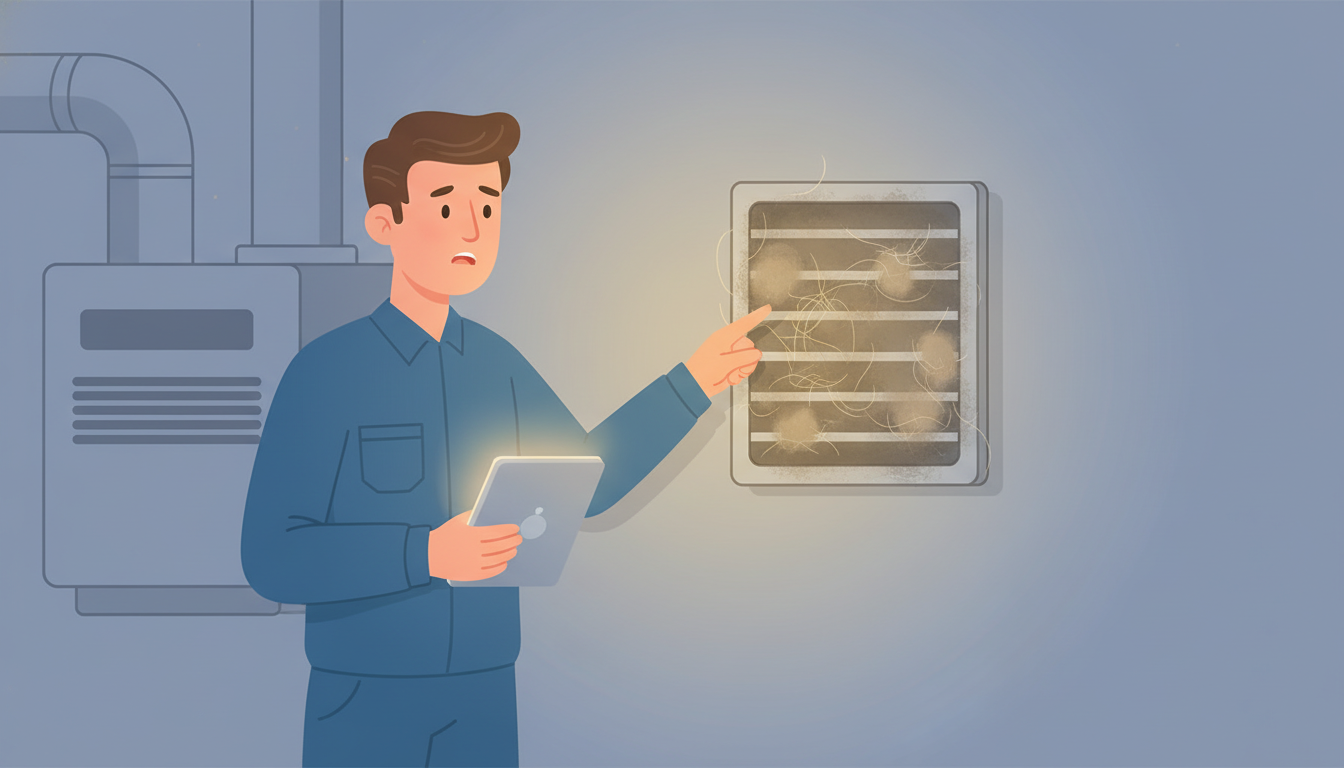
Signs Your HVAC System Has a Return Air Problem
Is your home feeling uncomfortable despite your HVAC system running constantly? Are some rooms freezing while others feel like a sauna? Your HVAC system might be suffering from a return air problem—one of the most overlooked yet critical issues that can sabotage your home's comfort and drain your wallet.
Return air problems affect thousands of homes, causing uneven temperatures, skyrocketing energy bills, and premature system failure. The good news? Once you know the warning signs, you can take action before minor issues become expensive repairs.
What Is Return Air and Why Does It Matter?
Before diving into the symptoms, let's understand what return air actually does. Your HVAC system works in a continuous loop: it pulls air from your home through return vents, conditions it (heating or cooling), and pushes it back out through supply vents.
Think of your HVAC system like your lungs. Return air is the "inhale"—if your system can't breathe in enough air, it can't breathe out effectively either. When return airflow gets restricted or insufficient, your entire system struggles, leading to a cascade of problems throughout your home.
The return air pathway includes your return vents, air filter, ductwork, and the blower motor. Any restriction in this pathway creates pressure imbalances that force your system to work harder while delivering worse results.
Temperature Inconsistencies Between Rooms
The most noticeable sign of return air problems is dramatic temperature differences from room to room. If your living room is comfortable but your bedroom feels 10-15 degrees warmer or cooler, insufficient return airflow is likely the culprit.
This happens because your HVAC system can't properly circulate conditioned air throughout your home. Rooms closer to the air handler might get plenty of airflow, while distant rooms become uncomfortable. You'll notice hot and cold spots that persist no matter how much you adjust the thermostat.
During summer, rooms far from the return vents often stay warmer because the system can't pull enough warm air back to cool it. In winter, the opposite occurs—these rooms stay colder because heated air can't circulate properly.
If you're constantly adjusting your thermostat or using space heaters and fans to compensate for temperature differences, your return air system needs attention. For more insights on maintaining balanced airflow, check out our comprehensive HVAC repair guide.
Weak Airflow from Supply Vents
Place your hand near a supply vent. Does the airflow feel weak or inconsistent? When return air is restricted, your system can't push out strong airflow through supply vents.
This symptom often confuses homeowners because the problem isn't with the supply vents themselves—it's with the return side. Your blower motor can only push out as much air as it can pull in. If return airflow is insufficient, supply airflow suffers proportionally.
You might notice that vents closest to your air handler have better airflow than those farther away. Or perhaps all your vents produce weak airflow, indicating a system-wide return air restriction.
Weak airflow means your HVAC system takes longer to reach your target temperature, runs more frequently, and struggles to maintain comfort. This directly translates to higher energy consumption and increased wear on system components. Learn more about weak airflow vents and their HVAC causes.
Your Air Conditioner Blows Warm Air
Nothing is more frustrating than your air conditioner running constantly but blowing warm or barely cool air. This is a telltale sign of severe return air restriction.
When your AC can't pull in enough air, several things happen simultaneously. First, the evaporator coil doesn't receive adequate airflow to absorb heat effectively. Second, the reduced airflow causes the coil to get too cold, potentially freezing over. Third, refrigerant flow becomes imbalanced, reducing cooling capacity.
The result? Your compressor works overtime trying to cool your home, but warm air keeps flowing from your vents. Your system might run continuously without ever reaching your target temperature, wasting enormous amounts of energy.
If you notice your AC blowing warm air along with ice forming on refrigerant lines or the outdoor unit, shut down your system immediately and call a professional. Continued operation can damage your compressor—an expensive component to replace.
Your Furnace Blows Cool or Lukewarm Air
The heating equivalent of the previous symptom, a furnace blowing cool air signals serious return air problems. Your furnace needs adequate airflow across its heat exchanger to transfer heat effectively to the air circulating through your home.
With insufficient return air, your furnace can't move enough air across the heat exchanger. The exchanger gets dangerously hot while the air coming out of your vents stays lukewarm. Most modern furnaces have safety sensors that shut down heating when temperatures exceed safe levels.
You might notice your furnace turns on briefly, then shuts off before your home warms up. This short-cycling behavior protects your system from overheating but leaves you in the cold. It also puts tremendous stress on your furnace components, shortening its lifespan.
Return air problems combined with dirty filters create the perfect storm for furnace issues. The restricted airflow can crack heat exchangers—a serious safety hazard that allows carbon monoxide to enter your home.
Air Pressure Imbalances Between Rooms
Walk through your home and pay attention to doors. Do interior doors slam shut on their own? Do you hear whistling sounds when doors are closed? These are classic signs of air pressure imbalances caused by return air problems.
When your return air system can't pull air evenly from throughout your home, pressure differences develop between rooms. Rooms with good return access become negative pressure zones, while rooms without return vents build up positive pressure.
These pressure imbalances force air through every available gap—under doors, through electrical outlets, around windows. The whistling or whooshing sounds you hear are air being forced through these small openings.
Closed interior doors make this problem worse. If you have return vents only in common areas but not in bedrooms, closing bedroom doors traps air with no way to return to the system. This creates significant pressure imbalances that reduce comfort and system efficiency.
You can test this yourself: open all interior doors and see if temperature consistency improves. If it does, you likely need additional return vents or transfer grilles to balance pressure when doors are closed.
Unusual Noises from Your HVAC System
Return air problems force your HVAC system to work harder, creating various unusual noises. Listen for these warning sounds:
Whistling or hissing: Air rushing through restricted return pathways or gaps in ductwork indicates pressure problems. The more restricted the return air, the higher-pitched the whistling becomes.
Rumbling or banging: When your blower motor strains to pull air through restricted returns, it can create rumbling noises. Ductwork expanding and contracting under extreme pressure differences causes banging sounds.
Constant running: While not technically a "noise," hearing your system run continuously without shutting off indicates it's struggling to maintain temperature due to airflow restrictions.
Rattling: Loose duct connections caused by pressure imbalances create rattling sounds as air rushes through gaps and vibrates loose components.
If noises started recently or have gotten progressively louder, don't ignore them. They're early warning signs that can help you catch return air problems before they cause major damage.
Rising Energy Bills Without Increased Usage
Check your utility bills from the past six months. Have they been steadily climbing despite no changes in your usage patterns or weather conditions? Return air restrictions can increase energy consumption by 20-30%.
Here's why: when your HVAC system can't get enough return air, it must run longer and work harder to achieve the same heating or cooling. Your blower motor draws more power trying to pull air through restrictions. Your compressor or furnace cycles more frequently.
All this extra work translates directly to higher energy bills. A system that normally runs 12 hours per day might run 16-18 hours to achieve the same results when return air is restricted.
Compare your current bills to the same months last year. If you see significant increases that weather alone doesn't explain, your HVAC system might be crying for help with a return air problem.
Excessive Dust Throughout Your Home
Are you constantly dusting your furniture only to find it covered again within days? Return air problems can dramatically increase dust circulation in your home.
When return pathways are blocked or insufficient, your system pulls air from wherever it can—including through gaps in your ductwork, unsealed crawl spaces, or attic spaces. These alternative pathways often contain accumulated dust, insulation fibers, and other particles.
Additionally, pressure imbalances force air through every tiny crack and gap in your home's envelope, bringing dust from wall cavities and other hidden spaces. You'll notice dust accumulating along baseboards, on ceiling fan blades, and in corners more quickly than normal.
Poor return airflow also means your air filter can't capture as many particles because air bypasses the filter through gaps or moves through too slowly for effective filtration. This allows dust to recirculate continuously through your home.
If family members experience worsening allergies or respiratory issues alongside increased dust, your return air system needs immediate attention.
Stuffy, Stale Indoor Air
Your home should feel fresh and comfortable, not stuffy and stagnant. Return air problems prevent proper air circulation, leaving your indoor air feeling heavy and uncomfortable.
Adequate return airflow is essential for ventilation. When air can't circulate properly, pollutants, odors, and carbon dioxide accumulate in your home. Rooms without adequate return access become particularly stuffy since fresh air never reaches them.
You might notice that opening windows provides immediate relief—a clear sign your HVAC system isn't circulating air effectively. Cooking odors linger longer, bathroom humidity takes forever to dissipate, and your home never feels quite fresh.
This problem worsens in modern, well-sealed homes where natural ventilation is minimal. Your HVAC system becomes your primary ventilation source, making adequate return air even more critical for indoor air quality.
Your System Short-Cycles
Short-cycling means your HVAC system turns on, runs briefly (less than 10 minutes), then shuts off, only to repeat this cycle continuously. This is one of the most damaging symptoms of return air problems.
Insufficient return airflow causes components to overheat quickly, triggering safety shutoffs. Your furnace might shut down to prevent heat exchanger damage. Your AC might stop to prevent frozen coils. But since the space didn't reach the target temperature, the system restarts shortly after.
This constant on-off cycling prevents your system from operating efficiently. Most HVAC equipment achieves peak efficiency after running for 10-15 minutes. Short-cycling means you never reach that efficiency, wasting energy and money.
Worse, short-cycling dramatically accelerates wear on components. Your compressor, blower motor, and control boards experience the most stress during startup and shutdown. Constant cycling can reduce your system's lifespan by years.
If your system short-cycles, address it immediately. The longer you wait, the more damage accumulates and the more expensive repairs become.
No Airflow from One or More Vents
Have you noticed that one particular room never seems to get airflow, regardless of what you try? This could indicate return air problems affecting your ductwork distribution. For detailed troubleshooting on this specific issue, check out our guide on causes of no airflow from one vent.
When return air is severely restricted, your system struggles to push air through longer duct runs. Vents farthest from your air handler receive little to no airflow because pressure imbalances prevent adequate distribution.
Sometimes return air problems cause ductwork to collapse or disconnect at weak joints. The negative pressure created by insufficient return air can literally suck in flexible ductwork, completely blocking supply runs to certain areas.
Walk through your home and test every vent. Make note of any with no airflow or significantly weaker airflow than others. This information helps HVAC professionals diagnose the problem more quickly.
Common Causes of Return Air Problems
Understanding what causes these symptoms helps you prevent future problems and make informed decisions about solutions:
Clogged air filters: The most common and easiest to fix. A severely dirty filter acts like a wall, preventing return airflow. Change filters every 1-3 months depending on your home environment.
Blocked return vents: Furniture, curtains, or storage boxes placed against return vents restrict airflow. Keep return vents clear with at least 6-12 inches of open space around them.
Undersized return ducts: Many homes were built with return ductwork too small for the HVAC system installed. This is a design flaw that requires professional ductwork modifications.
Insufficient return vents: Homes with only one or two return vents struggle to pull air from all rooms. Adding return vents in bedrooms and other closed-off spaces helps balance the system.
Leaking ductwork: Gaps and holes in return ductwork allow the system to pull in unconditioned air from attics or crawl spaces instead of from your living areas, reducing efficiency.
Closed interior doors: If bedrooms have no return vents, closing doors traps air with no return pathway. Install transfer grilles or undercut doors to allow air movement.
High-MERV filters without system modifications: While higher-rated filters capture more particles, they also restrict airflow more than standard filters. If you upgrade to MERV 11-13 filters, your system might need modifications to handle the increased resistance.
When to Call an HVAC Professional
Some return air problems require professional diagnosis and repair. Contact an HVAC technician if you experience:
- Multiple symptoms from this list simultaneously
- System short-cycling that doesn't resolve with filter changes
- Ice formation on your AC unit or refrigerant lines
- Unusual smells (burning, gas, or musty odors) coming from vents
- Dramatically increased energy bills (20%+ higher than normal)
- Your system is more than 10 years old with worsening symptoms
- You've tried basic fixes (filter changes, clearing vents) without improvement
A qualified technician can measure static pressure, test airflow rates, inspect ductwork for damage, and recommend appropriate solutions. They have specialized tools to diagnose problems you can't see, like crushed ducts inside walls or undersized return pathways.
Simple Fixes You Can Try First
Before calling a professional, try these DIY fixes for return air problems:
Replace your air filter: Check your filter monthly. If it looks dirty, replace it immediately. This simple fix resolves return air problems in many cases.
Clear all return vents: Move furniture, remove vent covers and vacuum inside, and ensure at least 12 inches of clearance around each return vent.
Open interior doors: Test your system with all interior doors open. If comfort improves dramatically, you need better air transfer between rooms.
Check for duct tape failures: Inspect visible ductwork in your basement or attic. Look for disconnected joints or gaps that might have developed over time.
Balance your system: Partially close supply vents in rooms near the air handler to force more air to distant rooms. Do this gradually to avoid creating new pressure problems.
Upgrade your thermostat: A programmable or smart thermostat helps your system run more efficiently and can reduce strain from return air restrictions.
If these basic fixes don't improve your symptoms within a week, it's time to call a professional. Don't continue running a struggling system—the damage and energy waste compound daily.
The Cost of Ignoring Return Air Problems
Delaying repairs for return air issues costs you in multiple ways:
Shortened equipment lifespan: Systems struggling with return air problems fail 3-5 years earlier than properly functioning systems. Replacing an entire HVAC system costs $5,000-$15,000 or more.
Higher energy bills: Return air restrictions can increase your heating and cooling costs by 20-30%. On a $200 monthly bill, that's $40-$60 wasted every month.
Reduced comfort: Living in an uncomfortable home affects your quality of life, sleep quality, and productivity.
Health impacts: Poor air circulation exacerbates allergies, asthma, and respiratory problems. Mold growth from humidity imbalances creates serious health risks.
Expensive emergency repairs: Components failing due to return air problems often fail catastrophically, requiring expensive emergency service calls and rushed replacement decisions.
Addressing return air problems early saves thousands of dollars and years of discomfort. The investment in proper diagnosis and repair pays for itself through lower energy bills and extended equipment life.
FAQ About HVAC Return Air Problems
How many return vents should a house have?
Most homes need at least one return vent per floor, ideally with additional returns in bedrooms and large rooms. A general rule: you should have one return vent for every 700-1,000 square feet of living space. Homes with only one central return often experience temperature imbalances and return air restriction.
Can I close return vents to direct air to other rooms?
No—never close return vents. Unlike supply vents, closing return vents always reduces system efficiency and can damage your HVAC system. Return vents need to remain open to allow proper airflow. If you want to redirect air, partially close supply vents instead, but do so cautiously.
What size should my return air duct be?
Return ducts should be sized to handle your system's airflow requirements, typically 1-2 square feet of return duct area per ton of air conditioning. A 3-ton system needs 3-6 square feet of return duct area. Undersized returns are a common problem in older homes. An HVAC professional can measure your static pressure to determine if your returns are adequately sized.
Will adding more return vents solve my problem?
Adding return vents can help if your home has inadequate return access, particularly in bedrooms with closed doors. However, if your return ductwork itself is undersized, adding more vents won't fully resolve the issue. A professional assessment determines whether your return pathway can handle additional vents or needs ductwork modifications.
How often should I change my filter if I have return air problems?
If your system has return air restrictions, change filters more frequently—every 30-60 days instead of 90 days. Check your filter monthly and replace it when it looks dirty. Consider using lower-MERV filters (MERV 8 instead of MERV 11) to reduce airflow restriction until you address underlying return air problems.
Take Action to Restore Your Home's Comfort
Return air problems don't fix themselves—they only get worse over time, causing more damage and costing more money. If you've recognized multiple symptoms from this guide, your HVAC system needs attention now.
Start with the simple fixes: replace your filter, clear your vents, and ensure interior doors aren't blocking airflow. Monitor your system for a week to see if symptoms improve. If problems persist, contact a qualified HVAC professional for a thorough system evaluation.
Your HVAC system is one of your home's most important investments. Proper return airflow keeps it running efficiently, maintains consistent comfort, and prevents expensive premature failures. Don't wait until a minor return air issue becomes a major system breakdown—take action today to restore your system's health and your home's comfort.