Why Skipping Tune-Ups Leads to More Midseason Failures
Why Skipping Tune-Ups Leads to More Midseason Failures
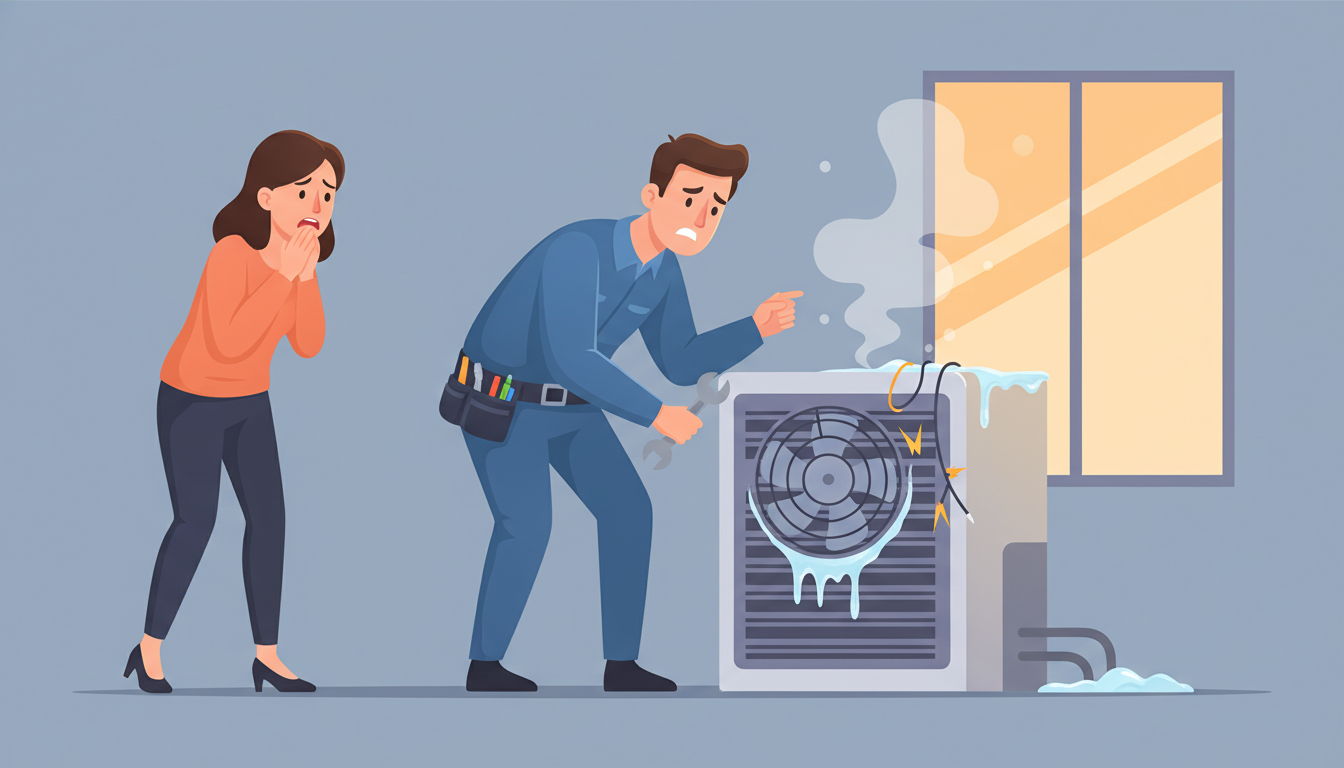
Picture this: It's the hottest day of summer, temperatures are soaring above 95°F, and your air conditioner decides to call it quits. You're sweating, your family is uncomfortable, and now you're facing an emergency repair bill that could've been prevented. Sound familiar?
This scenario plays out thousands of times every summer across the country. The culprit? Skipping those "unnecessary" HVAC tune-ups. While it might seem like you're saving money by avoiding seasonal maintenance, you're actually setting yourself up for the worst possible timing for a breakdown—right when you need your system most.
Let's explore why skipping tune-ups leads to more midseason failures and what you can do to prevent becoming another summer horror story.
The Hidden Cost of Skipping HVAC Maintenance
When you skip your annual HVAC tune-up, you're not just postponing maintenance—you're allowing small problems to grow into system-killing failures. Think of it like ignoring the check engine light in your car. Sure, it might keep running for a while, but eventually, that small issue becomes a major breakdown.
According to the U.S. Department of Energy, neglected HVAC systems lose approximately 5% of their efficiency each year. Over just three years without maintenance, your system could be operating at 15% below its original capacity. That's not just wasted energy—it's extra strain on every component, accelerating wear and tear throughout your entire system.
Why Failures Happen During Peak Season
Your HVAC system doesn't break down randomly. Midseason failures during the hottest summer days or coldest winter nights happen for very specific reasons.
Maximum Demand Meets Hidden Wear
During extreme temperatures, your air conditioner runs longer and works harder than any other time of year. A system that's been neglected all year might limp along fine during mild weather, but peak season exposes every weakness.
That dirty condenser coil? It can't dissipate heat efficiently when the outside temperature hits 100°F. Those worn capacitors? They fail under the sustained electrical load of continuous operation. The refrigerant leak that's been slowly dripping? It finally drops below critical levels right when you need maximum cooling capacity.
Off-Season Degradation Reveals Itself
Between cooling seasons, your AC sits dormant for months. During this time, several problems develop silently:
- Dust and debris accumulate on coils and internal components
- Seals and gaskets dry out and crack
- Electrical connections loosen from temperature fluctuations
- Refrigerant slowly leaks through microscopic cracks
- Moisture creates corrosion on metal parts
- Insects and rodents can nest in outdoor units
When you fire up your system on the first truly hot day, all these hidden problems get stressed simultaneously. Without a pre-season tune-up catching problems early, your system faces an overwhelming combination of issues right when demand is highest.
The Domino Effect: How One Problem Becomes a System Failure
HVAC systems are complex machines where every component depends on others working correctly. When you skip maintenance, you're not just risking one component—you're creating conditions for cascading failures.
The Dirty Filter Chain Reaction
Let's trace how a simple clogged air filter can destroy your system:
- Restricted airflow forces your blower motor to work harder
- Overworked blower motor draws more electricity and generates excess heat
- Reduced airflow over evaporator coils causes them to freeze
- Frozen coils block all airflow and prevent heat absorption
- Lack of heat absorption causes refrigerant to return liquid to the compressor
- Liquid refrigerant damages compressor valves and pistons
- Compressor failure costs $1,500-$2,500 to replace
All because of a $15 filter that should've been changed.
The Refrigerant Leak Progression
A small refrigerant leak might only cost $200-$400 to repair if caught early during a tune-up. But when left undetected:
- Your system runs longer cycles to achieve the same cooling
- Longer run times increase electricity costs by 10-20%
- The compressor operates under improper pressure conditions
- Excessive heat builds up within the compressor
- Compressor lubrication breaks down from overheating
- Internal components wear rapidly and eventually seize
- Total system replacement: $3,500-$7,000+
The initial $200 leak repair becomes a multi-thousand dollar disaster.
The Electrical Component Cascade
Capacitors and contactors are electrical components that help start and run your compressor and fan motors. When they begin to fail:
- Voltage fluctuations stress other electrical components
- Motors struggle to start, drawing excessive amperage
- Circuit boards experience power surges
- Wiring connections overheat
- Multiple components fail in rapid succession
A $150 capacitor replacement during maintenance prevents a $1,200+ repair involving multiple failed parts.
Why Midseason Repairs Cost More
When your system fails during peak season, you pay a premium in multiple ways.
Emergency Service Charges
Most HVAC companies charge 1.5 to 2 times their normal rates for emergency after-hours or weekend service. During a heat wave, even standard business-hour calls command premium pricing due to high demand. What would've been a $150 tune-up becomes a $500-$1,500 emergency repair call.
Limited Technician Availability
During the hottest weeks of summer, HVAC technicians are booked solid. You might wait 2-5 days for service while temperatures inside your home climb to dangerous levels. Some families end up paying for hotels, portable AC units, or rushing to buy a new system at retail prices because they can't wait for repairs.
Parts Shortages
Popular replacement parts often run out of stock during peak season. A repair that could happen same-day in spring might require waiting a week for parts in July. Contractors may substitute premium parts at higher costs just to get you running again quickly.
No Time for Competitive Quotes
When you're desperate for cooling, you accept the first available technician's quote. Without time to compare prices or get second opinions, you might pay significantly more than necessary. Understanding the difference between maintenance and repair helps you avoid being pressured into unnecessary services during emergency situations.
Component-Specific Failures from Neglected Maintenance
Different HVAC components fail in predictable ways when maintenance is skipped. Understanding these failure patterns shows exactly why tune-ups matter.
Compressor Failure: The Most Expensive Problem
Your compressor is the heart of your AC system and the most expensive component to replace. Compressor failure typically results from:
- Dirty coils causing excessive head pressure and overheating
- Low refrigerant creating improper operating conditions
- Electrical issues causing hard starts and voltage problems
- Lack of lubrication from refrigerant leaks or acid buildup
- Liquid slugging from frozen evaporator coils
A compressor replacement typically costs $1,500-$2,500, often making economic sense to replace the entire system instead. Regular tune-ups identify and correct these issues before compressor damage occurs.
Coil Problems: Silent Efficiency Killers
Both evaporator and condenser coils require annual cleaning during tune-ups. When neglected:
- Condenser coils covered in dirt, pollen, and debris can't release heat effectively
- Blocked airflow causes system pressures to rise dangerously high
- Evaporator coils collect dust that insulates them from airflow
- Reduced heat transfer forces longer run times and higher energy bills
- Frozen coils block all airflow and cause compressor damage
Cleaning coils during a tune-up takes 30 minutes and prevents efficiency losses of 15-30%.
Blower Motor Failures
Your blower motor runs thousands of hours each year. Without maintenance:
- Lack of lubrication increases friction and heat
- Dirty blower wheels create imbalance and vibration
- Worn bearings make loud squealing noises before failure
- Overheating from restricted airflow accelerates wear
- Motor burnout leaves you with no airflow at all
Blower motor replacement costs $450-$850, while simple maintenance during tune-ups keeps motors running for 15-20 years.
Condensate Drain Clogs
Your AC removes humidity from indoor air, producing gallons of water daily. The condensate drain removes this water, but when clogged:
- Water backs up into the drain pan
- Overflow damages ceilings, walls, and flooring
- Standing water promotes mold and bacteria growth
- Biological buildup creates foul odors throughout your home
- Safety switches shut down your system to prevent water damage
Clearing condensate drains takes minutes during a tune-up but can prevent thousands in water damage repairs.
The Comfort Cost Beyond Temperature
Midseason failures don't just affect temperature—they impact your entire living environment.
Humidity Control Problems
A properly functioning AC controls humidity as much as temperature. When your system struggles or cycles improperly:
- Indoor humidity rises above 60%, creating muggy conditions
- Mold and mildew growth accelerate in bathrooms and basements
- Wood floors and furniture absorb moisture and warp
- Dust mites thrive in humid environments, worsening allergies
- Your home feels warmer than the thermostat indicates
Maintaining proper humidity requires a well-maintained system running at peak efficiency.
Indoor Air Quality Degradation
Your HVAC system is also your home's primary air filtration system. A failing system means:
- Reduced airflow prevents proper air circulation and filtration
- Mold growth within the system spreads spores throughout your home
- Dust and allergens accumulate instead of being filtered out
- Uneven temperatures create uncomfortable hot and cold spots
- Poor ventilation allows cooking odors and VOCs to linger
For comprehensive solutions, check out our complete HVAC repair guide covering common air quality issues.
The Real Numbers: Maintenance vs. Emergency Repair Costs
Let's break down the actual financial impact of skipping maintenance versus investing in tune-ups.
Annual Maintenance Investment
- Spring tune-up: $80-$150
- Fall tune-up (if you have heating): $80-$150
- Total annual investment: $160-$300
Typical Midseason Emergency Repair Costs
- Service call (emergency rates): $150-$300
- Refrigerant leak repair: $200-$600
- Capacitor/contactor replacement: $150-$400
- Blower motor repair: $450-$850
- Compressor replacement: $1,500-$2,500
- Complete system replacement: $3,500-$7,000+
Five-Year Comparison
With Regular Maintenance:
- Maintenance costs: $1,500 ($300/year × 5 years)
- Minor repairs: $300-$500
- Total: $1,800-$2,000
- System runs efficiently, comfortable home, peace of mind
Without Maintenance:
- No upfront costs: $0
- Emergency repairs: $1,500-$3,000
- Increased energy bills (15% higher): $900 over 5 years
- Shortened system lifespan (replace 5 years earlier): $4,000+
- Total: $6,400-$7,900+
- Uncomfortable breakdowns, higher stress, reduced equipment life
The math is clear: maintenance costs less than half of what you'll pay for neglect.
Early Warning Signs Your System Is Heading for Failure
Between tune-ups, watch for these red flags indicating your system needs attention before it fails completely:
- Weak airflow from vents indicates blower or ductwork problems
- Warm air blowing suggests refrigerant leaks or compressor issues
- Unusual noises like grinding, squealing, or banging signal mechanical problems
- Frequent cycling on and off indicates electrical or sensor issues
- Higher energy bills without usage changes reveal efficiency loss
- Moisture or leaks around indoor unit suggest drain problems
- Unpleasant odors indicate mold growth or electrical issues
- System won't start points to electrical or capacitor failure
Don't ignore these warning signs. A service call before complete failure often prevents far more expensive emergency repairs.
The Warranty Factor: Don't Void Your Protection
Most HVAC manufacturers require annual maintenance to maintain warranty coverage. If you skip tune-ups and your compressor fails:
- Manufacturer denies warranty claim due to lack of documented maintenance
- You pay full replacement cost instead of warranty covering parts
- Extended warranties become void without proof of regular service
- Installation warranty may also be voided by neglect
Keep maintenance receipts and documentation. That $150 tune-up protects thousands of dollars in warranty coverage.
How Tune-Ups Prevent Midseason Failures
Professional tune-ups address every common failure point before they cause breakdowns:
- Refrigerant levels checked and adjusted preventing compressor damage
- Electrical connections tightened preventing voltage issues and component failures
- Coils cleaned thoroughly maintaining efficiency and proper pressures
- Condensate drains cleared preventing water damage and shutdowns
- Belts and motors inspected catching wear before failure
- Capacitors tested replacing weak components before they fail
- Thermostat calibrated ensuring accurate temperature control
- Safety controls verified preventing dangerous malfunctions
- Airflow measured identifying restriction problems
- Refrigerant pressures recorded establishing baseline for comparison
Each of these preventive actions stops a potential midseason failure before it happens.
Frequently Asked Questions
How often should I schedule HVAC tune-ups?
Schedule tune-ups twice yearly—once before cooling season (spring) and once before heating season (fall). This ensures your system is ready for peak demand periods and catches problems before they cause failures.
Can I skip a year if my system is running fine?
While your system might seem fine, problems develop invisibly. Efficiency drops, refrigerant slowly leaks, and components wear gradually. Skipping even one year accelerates this degradation and increases your risk of midseason failure when you need reliability most.
What's the average lifespan of a well-maintained HVAC system?
Properly maintained systems typically last 15-20 years. Neglected systems often fail after 8-12 years. Regular maintenance can literally double your system's lifespan, saving thousands in premature replacement costs.
Why do so many AC units fail on the hottest day of the year?
Peak temperatures create maximum demand on systems already weakened by neglect. Dirty coils can't dissipate heat when it's 100°F outside. Weak capacitors fail under sustained electrical load. Low refrigerant becomes critically insufficient. All hidden problems get exposed simultaneously under extreme stress.
Is emergency repair really more expensive than preventive maintenance?
Yes, significantly. Emergency service typically costs 1.5-2× normal rates, you have no time for competitive quotes, parts may cost premium prices due to demand, and you'll likely need hotel rooms or portable AC units while waiting for repairs. A $150 tune-up prevents $1,500+ emergency situations.
Take Action Before Peak Season Hits
Don't wait until your system fails during a heat wave to take action. Schedule your HVAC tune-up now, before peak season arrives. A small investment in preventive maintenance delivers:
- Peace of mind knowing your system is ready for extreme temperatures
- Lower energy bills from maximum efficiency operation
- Extended equipment life saving thousands on premature replacement
- Fewer breakdowns and no emergency repair bills
- Better comfort with consistent temperatures and humidity control
- Protected warranty coverage maintaining manufacturer guarantees
Your HVAC system is one of the largest investments in your home. Protect it with regular maintenance, and it will reward you with reliable comfort when you need it most.
The choice is clear: spend a little on prevention now, or spend a lot on emergency repairs later. Which scenario sounds better when it's 95°F outside?
Don't become another midseason breakdown statistic. Schedule your tune-up today and keep your system running strong all season long.