What Static Pressure Is and Why It Matters for HVAC Repair
What Static Pressure Is and Why It Matters for HVAC Repair
Is your home suffering from uneven temperatures, with some rooms too hot and others too cold? Are your energy bills climbing even though you haven't changed your thermostat settings? Your HVAC system might be struggling with a hidden problem that most homeowners have never heard of: static pressure.
Static pressure in HVAC systems is one of the most important metrics that determine whether your heating and cooling equipment operates efficiently—or struggles to keep your home comfortable. Understanding what static pressure is and why it matters can help you identify problems early, avoid costly repairs, and extend the life of your HVAC equipment.
What Is Static Pressure in HVAC Systems?
Static pressure is the resistance to airflow within your ductwork. Think of it like blood pressure in your body—just as your heart must work harder when blood vessels are constricted, your HVAC system's blower motor must work harder when air encounters resistance in your ducts.
When air moves through your heating and cooling system, it travels through a network of supply and return ducts. Every bend, transition, filter, and length of ductwork creates resistance that the blower motor must overcome. This resistance is measured as static pressure, typically expressed in inches of water column (in. w.c.).
External Static Pressure (ESP) Explained
HVAC professionals often refer to External Static Pressure or ESP when discussing system performance. ESP is the measurement taken on both the supply side (where conditioned air leaves your air handler) and the return side (where air comes back to be heated or cooled again).
Your HVAC manufacturer specifies a maximum ESP rating for each system. Operating above this rating forces your equipment to work harder than it was designed to, leading to premature wear and system failure.
How Static Pressure Affects Your HVAC System
The impact of improper static pressure extends throughout your entire HVAC system. Here's how it affects different components and your home comfort:
Impact on Energy Efficiency
When static pressure is too high, your blower motor consumes significantly more electricity trying to push air through restricted ductwork. This increased energy consumption shows up on your utility bills every month.
Studies show that excessive static pressure can increase energy costs by 20-30% compared to a properly balanced system. For most homeowners, this translates to hundreds of dollars in wasted energy annually.
Equipment Wear and Premature Failure
High static pressure forces your blower motor to run at maximum capacity constantly. This additional strain shortens the lifespan of critical components including:
- Blower motor: Works overtime and overheats, leading to early failure
- Heat exchanger: Restricted airflow causes overheating, potentially creating dangerous cracks
- Evaporator coil: Inadequate airflow can cause the coil to freeze, leading to refrigerant issues
- Compressor: Improper airflow affects refrigerant temperatures and pressures, damaging the compressor
Most HVAC equipment is designed to last 15-20 years with proper maintenance. Poor static pressure can cut this lifespan in half.
Temperature Inconsistencies Throughout Your Home
One of the most noticeable symptoms of static pressure problems is uneven heating or cooling. When your system can't move air properly, some rooms receive too little conditioned air while others may get too much.
You might notice:
- Hot and cold spots in different rooms
- Second-floor rooms that never reach the desired temperature
- Rooms far from the air handler that barely get any airflow
- One side of your home that's always uncomfortable
These issues often lead homeowners to constantly adjust their thermostat, which only increases energy waste without solving the underlying airflow problem.
Noise and Comfort Issues
Excessive static pressure creates various noise problems throughout your HVAC system:
- Whistling sounds at supply registers when air forces through restricted openings
- Banging or popping in ductwork as air pressure builds and releases
- Loud rushing sounds from the air handler
- Rattling or vibrating ducts
Beyond noise, high static pressure can create uncomfortable drafts as air velocity increases through undersized ducts or registers.
What Causes High Static Pressure in HVAC Systems?
Understanding the root causes of high static pressure helps you prevent problems before they damage your equipment. Here are the most common culprits:
Undersized or Poorly Designed Ductwork
Many homes have ductwork that was never properly sized for the installed HVAC equipment. This often happens when:
- A higher-capacity system is installed without upgrading the ductwork
- Original ductwork was designed incorrectly (skipping Manual D calculations)
- Ducts have too many bends, transitions, or restrictions
Proper duct sizing follows ACCA Manual D standards, which calculate the appropriate duct dimensions based on your system capacity, home layout, and airflow requirements.
Dirty or High-MERV Air Filters
Air filters are necessary for indoor air quality, but they also create resistance to airflow. A dirty filter clogged with dust and debris acts like a barrier, dramatically increasing static pressure.
High-MERV filters (rated MERV 13 or higher) capture smaller particles but create more resistance than standard filters. If your system wasn't designed for high-MERV filters, installing them can push static pressure beyond acceptable limits.
Pro tip: Check your HVAC repair guide to learn proper filter maintenance schedules.
Closed or Blocked Supply Registers
Many homeowners close registers in unused rooms thinking they'll save energy. Unfortunately, this creates additional resistance, increases static pressure, and can actually waste more energy than cooling an empty room.
Blocked registers—furniture placed against vents, curtains covering returns—have the same effect as closing them.
Duct Leaks and Disconnections
Leaky ductwork affects static pressure in complex ways. Large supply-side leaks in unconditioned spaces (attics, crawlspaces) waste conditioned air and reduce airflow to living spaces. Return-side leaks pull in unconditioned air, affecting system capacity and creating negative pressure imbalances.
According to Energy Star, typical duct systems lose 20-30% of conditioned air through leaks, gaps, and poor connections.
Inadequate Return Air Pathways
Your system needs a clear path for air to return to the air handler. Common return air problems include:
- Too few return air vents for the system capacity
- Return vents located in one central area instead of distributed throughout the home
- Closed interior doors that block return airflow from bedrooms
- Undersized return air ducts
Equipment Sizing Mismatches
An oversized HVAC system paired with original ductwork creates airflow problems. Bigger equipment moves more air, requiring larger ducts to maintain proper static pressure.
What Causes Low Static Pressure?
While less common than high static pressure, low static pressure also indicates problems:
- Oversized ductwork: Ducts that are too large for your system capacity
- Major duct leaks: Large gaps or disconnections in supply ductwork
- Undersized equipment: A system that's too small for your home's ductwork
- Blower motor issues: Failing motor that can't generate adequate pressure
Low static pressure typically results in weak airflow from vents, difficulty maintaining temperature, and longer run times.
Normal Static Pressure Readings for Residential HVAC
Understanding what's "normal" helps you recognize when your system has problems. For residential HVAC systems:
- Ideal range: 0.3 to 0.8 inches of water column (total ESP)
- Acceptable range: Up to 1.0 inches of water column for most systems
- High pressure: Above 1.0 inches typically indicates problems
- Very high pressure: Above 1.5 inches requires immediate attention
However, always check your equipment manufacturer's specifications. Some high-efficiency systems are designed to operate at slightly different pressure ranges.
Static pressure readings vary based on:
- System size and capacity
- Blower speed setting
- Filter type and cleanliness
- Ductwork design and length
How HVAC Technicians Measure Static Pressure
Professional HVAC technicians use specialized tools to measure static pressure accurately:
Using a Manometer
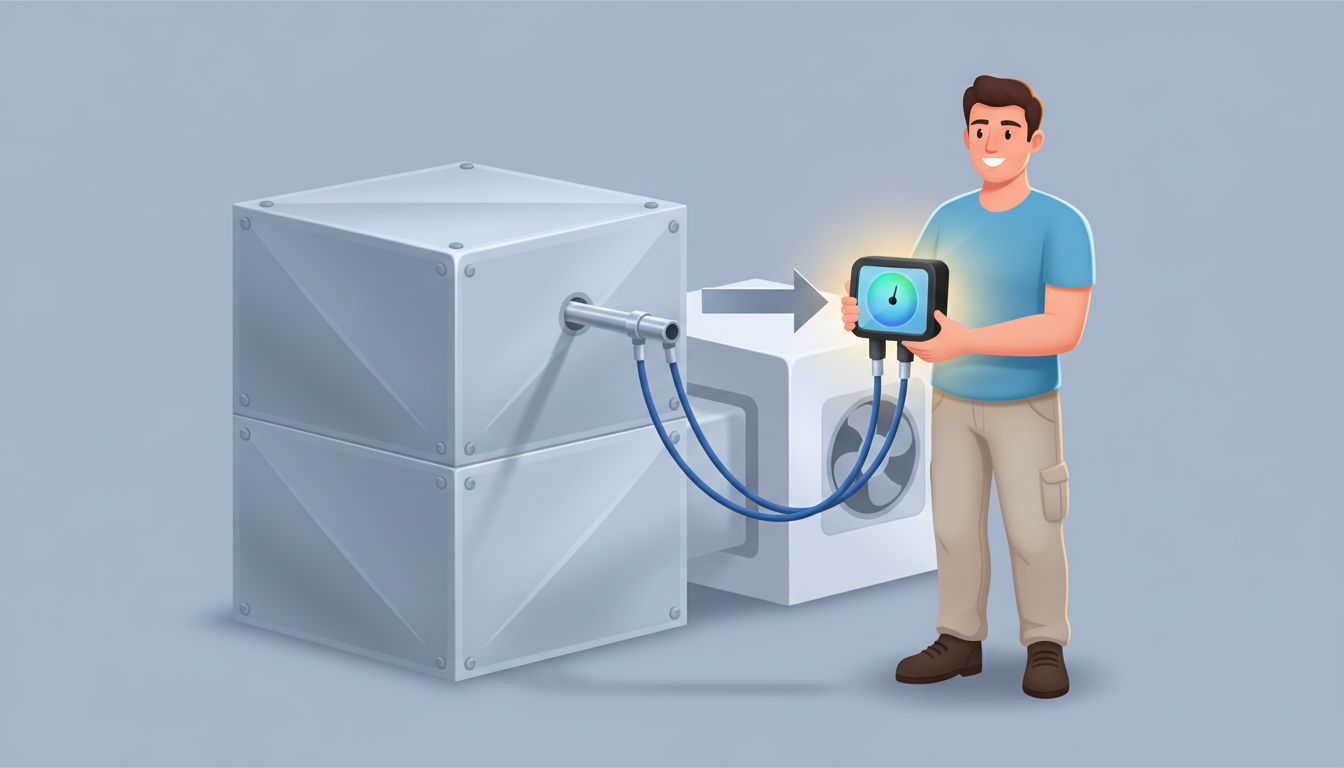
A manometer is the primary tool for measuring static pressure. This device measures the pressure difference in inches of water column. Technicians drill small test ports in the supply and return ductwork near the air handler, insert the manometer probes, and take readings while the system operates.
The process involves:
- Measuring supply-side static pressure
- Measuring return-side static pressure
- Calculating total external static pressure (ESP)
- Comparing results to manufacturer specifications
Why Static Pressure Testing Matters
Airflow testing should be part of regular HVAC maintenance. Static pressure measurements help technicians:
- Diagnose airflow problems before equipment fails
- Verify proper system operation after installations
- Identify ductwork issues that need correction
- Ensure your system operates within manufacturer specifications
- Predict potential failure points
How to Fix Static Pressure Problems
Resolving static pressure issues often requires professional HVAC expertise, but the specific solution depends on the root cause:
For Dirty or Restrictive Filters
DIY Solution: Replace your air filter regularly—every 1-3 months depending on conditions. Consider switching to a lower-MERV filter if you're using MERV 13+ filters and your system wasn't designed for them.
Cost: $10-$30 for standard filters
For Duct Leaks
Professional Repair: HVAC technicians use mastic sealant or specialized tape to seal duct joints, connections, and leaks. Major repairs might involve replacing damaged duct sections.
Cost: $300-$1,500 depending on accessibility and extent of repairs
For Undersized Ductwork
Professional Redesign: This is the most expensive repair but sometimes necessary. A complete duct system evaluation and redesign following Manual D calculations ensures proper airflow.
Cost: $2,000-$6,000+ for whole-home duct replacement or major modifications
For Closed or Blocked Vents
DIY Solution: Open all supply registers throughout your home, even in unused rooms. Ensure furniture, curtains, and other items aren't blocking vents.
Cost: Free
For Equipment Sizing Issues
Professional Evaluation: If your equipment is significantly oversized or undersized for your home and ductwork, replacement might be necessary. This should include proper load calculations (Manual J) and duct design (Manual D).
Cost: $3,000-$10,000+ for equipment replacement
Can You Measure Static Pressure Yourself?
While HVAC professionals use calibrated manometers, homeowners can identify static pressure problems through observation:
- Listen for whistling, rushing, or excessive noise from vents
- Check for hot and cold spots throughout your home
- Monitor energy bills for unexplained increases
- Feel airflow strength at registers—weak airflow often indicates problems
- Look for ice buildup on your AC's evaporator coil
For accurate measurements, invest in a residential-grade digital manometer ($100-$300) or hire a professional for a comprehensive evaluation ($150-$300 for diagnostics).
How Often Should Static Pressure Be Checked?
Include static pressure testing in your regular HVAC maintenance:
- During annual tune-ups: Your technician should check static pressure as part of routine maintenance
- After duct modifications: Any ductwork changes require verification that static pressure remains within acceptable ranges
- When symptoms appear: If you notice temperature inconsistencies, increased noise, or rising energy bills
- After equipment replacement: New equipment should be commissioned with static pressure testing
The Connection Between Static Pressure and Indoor Air Quality
Proper static pressure doesn't just affect comfort and efficiency—it impacts your indoor air quality too. When your system operates within the correct pressure range:
- Air filters work effectively at removing particulates
- Humidity control systems function as designed
- Proper air exchange rates are maintained
- Duct leaks don't pull contaminated air from attics or crawlspaces
- UV lights and air purifiers receive adequate airflow to function
Poor static pressure can compromise all these factors, potentially affecting your family's health.
Warranty and Insurance Considerations
Many HVAC equipment warranties require professional installation and regular maintenance. Operating your system with excessive static pressure could:
- Void manufacturer warranties on failed components
- Disqualify warranty claims if damage results from improper airflow
- Affect home insurance claims if equipment failure causes water damage
Document all maintenance, including static pressure measurements, to protect your warranty coverage.
Preventing Static Pressure Problems
Prevention is always easier and less expensive than correction:
- Change filters regularly: Set calendar reminders every 1-3 months
- Keep all vents open: Don't close registers in unused rooms
- Schedule annual maintenance: Professional tune-ups catch problems early
- Consider duct cleaning: Every 3-5 years, especially if you have pets
- Upgrade thoughtfully: When replacing equipment, ensure ductwork can handle new capacity
- Address problems promptly: Small issues become expensive repairs when ignored
When to Call a Professional
Contact an HVAC professional if you notice:
- Persistent hot and cold spots despite a functioning system
- Unusual noises from ductwork or air handler
- Rapidly increasing energy bills
- Weak airflow from multiple vents
- Your system runs constantly but doesn't maintain temperature
- Ice buildup on indoor or outdoor AC components
Professional static pressure testing and diagnosis typically costs $150-$300 but can save thousands in prevented damage.
Frequently Asked Questions
What is a normal static pressure reading for residential HVAC?
Most residential systems should operate between 0.3 and 0.8 inches of water column for total external static pressure. Readings above 1.0 inches typically indicate airflow problems that need correction. Always check your specific equipment manufacturer's specifications.
Can high static pressure damage my air conditioner?
Yes, absolutely. High static pressure reduces airflow across your evaporator coil, causing it to freeze. This affects refrigerant temperatures and pressures throughout the system, potentially damaging your compressor—the most expensive component to replace. Restricted airflow also reduces cooling capacity and increases energy consumption.
How much does it cost to fix static pressure problems?
Costs vary widely depending on the cause. Simple fixes like replacing filters cost $10-$30. Sealing duct leaks runs $300-$1,500. Major ductwork redesign or replacement can cost $2,000-$6,000 or more. Equipment replacement for sizing issues ranges from $3,000-$10,000+. A professional diagnosis ($150-$300) identifies the specific problem and cost.
Will fixing static pressure lower my energy bills?
Yes, correcting static pressure problems typically reduces energy consumption by 15-30%. Your blower motor won't have to work as hard, your system will run more efficiently, and your home will reach desired temperatures faster. Most homeowners see noticeable utility bill reductions within the first month after repairs.
Is static pressure testing included in regular HVAC maintenance?
It should be, but not all service contracts include it. Ask your HVAC contractor specifically if static pressure measurements are part of their tune-up service. Quality maintenance should always include airflow verification to ensure your system operates within manufacturer specifications.
Conclusion: Static Pressure Is Critical for HVAC Performance
Static pressure might be invisible and unfamiliar to most homeowners, but it's one of the most important factors determining whether your HVAC system operates efficiently or struggles to keep your home comfortable. High static pressure wastes energy, shortens equipment life, and leaves you with hot and cold spots throughout your home.
The good news? Static pressure problems are diagnosable and fixable. Regular maintenance, prompt attention to warning signs, and professional expertise can keep your system operating in the optimal range for years to come.
If you're experiencing any symptoms of static pressure problems—temperature inconsistencies, unusual noises, weak airflow, or climbing energy bills—don't wait for equipment failure. Contact a qualified HVAC professional for a comprehensive evaluation including static pressure testing.
Your comfort, your wallet, and your HVAC equipment will all thank you for addressing static pressure issues before they become expensive emergencies.