
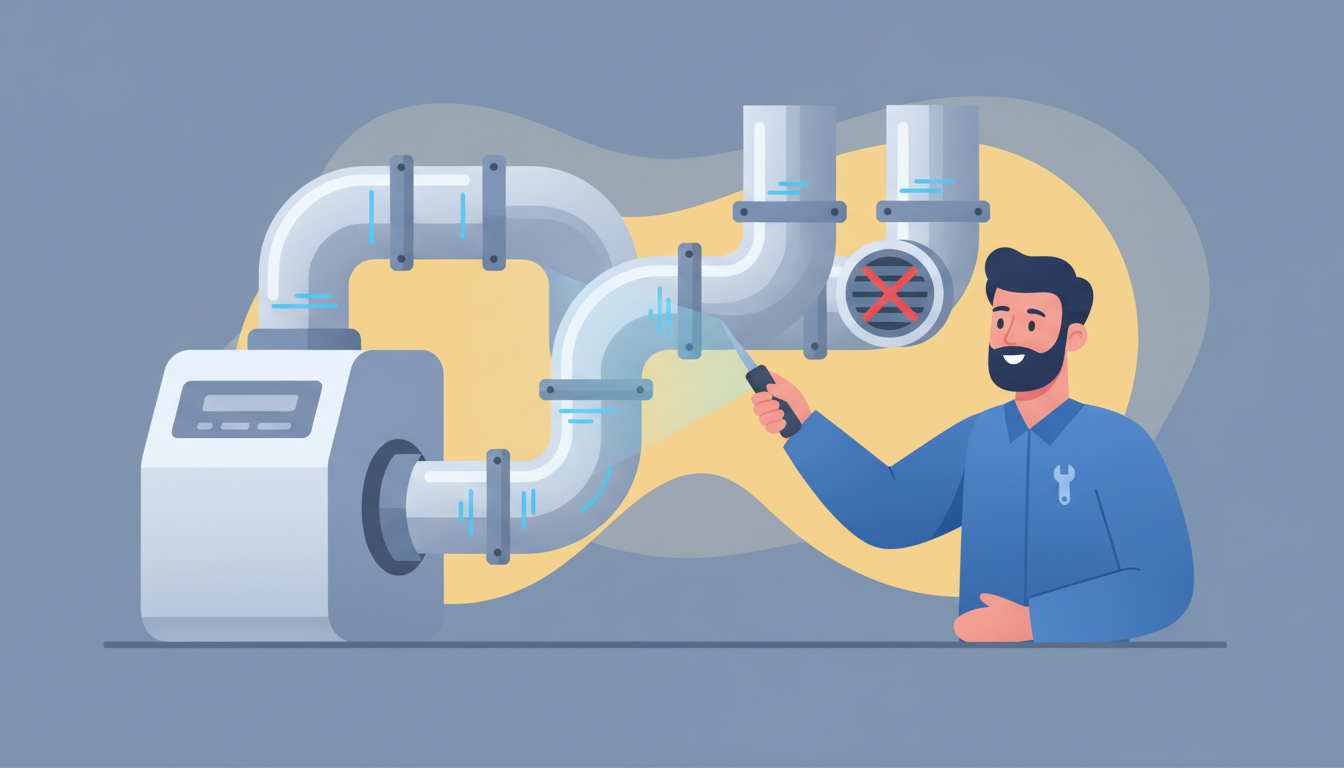
How to Tell if Your HVAC Problem Is Really a Duct Problem
How to Tell if Your HVAC Problem Is Really a Duct Problem
Is your home feeling uncomfortable despite your HVAC system running constantly? Before you assume your furnace or air conditioner needs replacing, there's a hidden culprit that causes up to 30% of all HVAC complaints: your ductwork. The air distribution system running through your walls, attic, and crawlspace might be the real source of your comfort problems, and recognizing the signs early can save you thousands of dollars in unnecessary repairs.
Understanding Your HVAC Duct System
Your ductwork is the circulatory system of your home's heating and cooling. While your furnace or air conditioner generates conditioned air, your ducts are responsible for delivering that comfort to every room. A typical residential duct system includes supply ducts (which carry heated or cooled air from your air handler to your living spaces) and return ducts (which pull air back to be reconditioned).
Here's what most homeowners don't realize: according to ENERGY STAR, the average home loses 20-30% of the air moving through its duct system to leaks, holes, and poorly connected ducts. That means nearly one-third of the air you're paying to heat or cool never reaches its intended destination. This makes duct problems one of the most common—and most overlooked—sources of HVAC inefficiency.
The Diagnostic Challenge: Ducts vs. Other HVAC Problems
The tricky part about diagnosing HVAC duct problems is that many duct symptoms mimic issues with your furnace, air conditioner, or thermostat. Before assuming you need expensive equipment replacement, it's worth investigating whether your ductwork might be the actual problem—especially since duct sealing and repair typically cost 50-70% less than replacing major HVAC components.
The key difference: if your HVAC equipment is running properly but you're still experiencing comfort issues, your ducts are often the culprit. On the other hand, if your system isn't turning on at all, makes grinding noises from the unit itself, or shows error codes on the thermostat, you're likely dealing with equipment failure rather than duct problems. Understanding proper HVAC repair diagnostics can help you identify the root cause faster.
8 Clear Signs Your HVAC Problem Is Actually a Duct Problem
1. Uneven Temperatures Between Rooms
The Symptom: Your living room is comfortable, but your bedroom is always too hot in summer or freezing in winter. You've got persistent hot and cold spots throughout your home that never seem to balance out.
Why This Indicates Duct Problems: When ducts leak or disconnect, conditioned air escapes before reaching distant rooms. The rooms closest to your air handler get plenty of airflow, while rooms at the end of the duct run receive whatever's left after leaks siphon off the supply. This creates the classic "one room is always uncomfortable" complaint.
Other Possible Causes: Inadequate insulation in specific rooms, windows that leak air, or closed dampers in your duct system. However, if multiple rooms show temperature inconsistencies, ducts are the most likely cause.
2. Weak Airflow From Certain Vents
The Symptom: When you place your hand over different registers throughout your home, some blow strongly while others barely produce any air. You might notice that weak airflow from vents affects specific rooms or entire floors of your house.
Why This Indicates Duct Problems: Weak airflow typically results from duct leakage, crushed flexible ductwork, or disconnected duct joints. If ducts in your attic or crawlspace have been damaged by pests, settled over time, or were improperly installed, air pressure drops before reaching your vents.
Other Possible Causes: A clogged air filter (check this first—it's the easiest fix), a failing blower motor, or undersized ductwork. The distinction: if only certain vents have weak flow while others are strong, you're almost certainly dealing with duct issues rather than equipment problems.
3. Your Energy Bills Keep Climbing
The Symptom: Your utility bills have increased significantly despite similar weather conditions and usage patterns. Your system runs longer cycles but delivers less comfort, and you're paying more for worse results.
Why This Indicates Duct Problems: Leaky ductwork forces your HVAC system to work overtime. When 20-30% of your conditioned air escapes into unconditioned spaces like attics or crawlspaces, your system must run much longer to reach the temperature set on your thermostat. This extended runtime directly translates to higher energy consumption and increased bills.
Other Possible Causes: An aging HVAC system losing efficiency, a malfunctioning thermostat causing excessive cycling, or increased energy rates. To distinguish duct issues from equipment failure, note whether your system runs for abnormally long periods but struggles to reach the set temperature—that's the hallmark of air distribution problems.
4. Unusual Noises From Your Vents and Ductwork
The Symptom: You hear rattling, whistling, popping, or banging sounds coming from your walls, ceiling, or vents when your HVAC system operates. These noises may be consistent or occur only when the system starts or stops.
Why This Indicates Duct Problems: Whistling sounds indicate air rushing through gaps or holes in your ductwork. Rattling suggests loose duct connections or inadequate support strapping. Popping noises often result from poorly insulated ducts expanding and contracting with temperature changes. Banging can indicate disconnected duct sections knocking against framing.
Other Possible Causes: Debris in your ductwork, loose register covers, or mechanical sounds from the air handler itself. If the noise clearly originates from duct runs rather than from your furnace or AC unit location, ductwork is the likely culprit.
5. Excessive Dust Throughout Your Home
The Symptom: You're dusting constantly, but surfaces get dirty again within days. You notice dust accumulating quickly on furniture, and you may see visible dust blowing out of your vents when the system starts.
Why This Indicates Duct Problems: Leaky return ducts pull unfiltered air from attics, crawlspaces, and wall cavities—spaces filled with insulation particles, construction debris, and settled dust. This contaminated air bypasses your filter entirely and gets distributed throughout your living spaces. Additionally, leaky supply ducts create negative pressure that draws in more dusty air from unconditioned areas.
Other Possible Causes: A dirty or missing air filter, inadequate filtration for your needs, or recent construction work. The telltale sign of duct problems: if you're changing your filter regularly but still experiencing excessive dust, your ducts are likely compromised.
6. Visible Duct Damage in Accessible Areas
The Symptom: During a visual inspection of exposed ductwork in your basement, attic, or crawlspace, you can see obvious problems: disconnected joints, holes, crushed flexible ducts, missing insulation, or sections hanging loose from their supports.
Why This Indicates Duct Problems: This is the most definitive sign—visible confirmation of duct damage. What you can see in accessible areas often represents only a fraction of the total damage, since most ductwork remains hidden behind walls and above ceilings.
How to Safely Inspect: If you're comfortable accessing your attic or crawlspace, look for these specific issues:
- Disconnected joints where rigid duct sections should connect
- Flexible ductwork that's been crushed, kinked, or torn
- Missing or deteriorated duct insulation (especially in unconditioned spaces)
- Duct tape that's dried out and no longer providing a seal
- Condensation or water stains indicating temperature imbalances
- Evidence of pest damage or nesting in ducts
7. Strange Odors When Your System Runs
The Symptom: You smell musty, moldy, or stale odors when your heating or cooling system operates. These smells may be strongest when the system first starts or may persist throughout operation.
Why This Indicates Duct Problems: Leaky ducts in unconditioned spaces create condensation problems as warm, humid air contacts cold surfaces (or vice versa). This moisture promotes mold and mildew growth inside your ductwork. Additionally, disconnected or leaky ducts may pull in air from spaces containing insulation, pest droppings, or other contaminants that create unpleasant odors.
Other Possible Causes: A dirty evaporator coil, a clogged condensate drain, mold in your air handler, or insufficient ventilation creating humidity problems. If odors seem to come from specific vents rather than being centralized at the air handler, duct problems are the more likely explanation.
8. Your HVAC System Runs Constantly But Struggles to Maintain Temperature
The Symptom: Your furnace or air conditioner seems to run endlessly, but your home never quite reaches the comfortable temperature you've set on your thermostat. The system isn't shutting off when it should, indicating it's working hard but accomplishing little.
Why This Indicates Duct Problems: When significant air leakage occurs in your duct system, the conditioned air being produced never makes it to the living spaces where your thermostat measures temperature. Your thermostat keeps calling for heating or cooling because it's not sensing the temperature change it expects, even though your equipment is functioning correctly. This creates a frustrating cycle of constant runtime without corresponding comfort.
Other Possible Causes: An undersized HVAC system for your home's square footage, extreme outdoor temperatures exceeding your system's capacity, or a failing compressor or heat exchanger. The key distinction: if this problem occurs during moderate weather when your system should easily maintain temperature, suspect ductwork rather than equipment capacity.
When Duct Problems Masquerade as Equipment Failure
Many homeowners—and unfortunately, some inexperienced HVAC technicians—jump straight to equipment replacement recommendations without thoroughly evaluating the duct system. Here's why that's a costly mistake:
A leaky duct system can make even a brand-new, high-efficiency furnace or air conditioner perform poorly. If you replace your equipment without addressing duct problems, you'll simply have a newer system struggling with the same air distribution issues. Professional airflow testing should be a standard part of any HVAC diagnosis before major equipment replacement.
Conversely, aging equipment often gets blamed for problems actually caused by deteriorating ductwork. If your 15-year-old furnace is "losing efficiency," the real culprit might be ducts that have developed leaks over those same 15 years.
The Cost Factor: Why Duct Diagnosis Matters
Understanding whether you have a duct problem versus an equipment problem has significant financial implications:
Duct sealing and repair: Typically costs $1,000-$2,500 for a comprehensive professional job, with improvements in efficiency that can reduce energy bills by 20-40%.
HVAC equipment replacement: Ranges from $3,500-$12,000+ depending on system size and efficiency level.
The problem: If you replace equipment without fixing duct issues, you'll spend thousands on new equipment that still won't perform properly. But if you address duct problems first, your existing equipment may perform well for additional years, or at minimum, your new equipment will operate at its designed efficiency.
Professional Duct Diagnostics: What to Expect
If you suspect duct problems based on the symptoms above, a professional duct inspection should include:
- Visual inspection of accessible ductwork for obvious damage, disconnections, and deterioration
- Duct leakage testing using specialized equipment to measure exactly how much air is escaping
- Airflow measurements at each register to quantify distribution problems
- Static pressure testing to ensure your duct system isn't creating excessive resistance
- Thermal imaging to identify hidden leaks and insulation problems
A thorough diagnostic evaluation costs $150-$300 but can save you thousands by identifying the real problem before expensive repairs begin.
DIY Duct Inspection: What You Can Check Yourself
While comprehensive duct testing requires professional equipment, you can conduct a basic inspection that might reveal obvious problems:
Safety First: Attics can be hot, cramped, and filled with insulation that irritates skin and lungs. Wear appropriate protective equipment including a dust mask, gloves, and long sleeves. Never step between joists—you could fall through the ceiling.
What to Look For:
- Disconnected duct sections (look where ducts connect to boots or plenums)
- Flexible ductwork that's been crushed, torn, or kinked
- Duct tape (the cloth-backed tape) that's dried out and no longer sticky
- Missing or deteriorated duct insulation
- Condensation or water stains on ducts
- Evidence of pest intrusion
Even if you can only inspect a small percentage of your system, finding problems in accessible areas suggests similar issues exist in hidden sections.
When to Call a Professional
You should schedule professional duct evaluation if you experience:
- Two or more of the symptoms listed above
- Recent increases in energy bills without obvious explanation
- New comfort problems in a home where HVAC previously worked well
- Planning to replace HVAC equipment (get ducts checked first!)
- Purchasing a home (duct inspection should be part of your evaluation)
- After pest problems in attics or crawlspaces where ducts are located
The Bottom Line: Don't Overlook Your Ducts
Your ductwork is the unsung hero of your home comfort system—when it works properly. But when ducts leak, disconnect, or deteriorate, they become the hidden villain behind mysterious comfort problems, high energy bills, and premature HVAC equipment failure.
The good news? Duct problems are often more affordable to fix than equipment replacement, and addressing them can dramatically improve your comfort and efficiency. By recognizing the signs of bad ductwork and understanding how to differentiate duct issues from other HVAC problems, you can make informed decisions that save money and restore comfort to your home.
Frequently Asked Questions
How long does ductwork typically last?
Properly installed and maintained ductwork can last 15-25 years, though flexible ductwork may deteriorate faster (10-15 years). However, even newer ducts can develop problems if they were poorly installed initially or if your home has settled, causing connections to separate.
Can I seal duct leaks myself?
Small, visible leaks in accessible ductwork can be sealed with mastic sealant (not duct tape, which ironically isn't effective for ducts). However, most duct leaks occur at connections hidden in walls, attics, and crawlspaces. Professional duct sealing using aerosol-based systems can address these hidden leaks more effectively.
Will new HVAC equipment fix duct problems?
No. New equipment won't overcome air distribution problems caused by leaky or damaged ducts. In fact, installing new equipment without addressing duct issues means your new system will underperform from day one, and you'll miss out on the efficiency improvements you paid for.
How much can duct sealing save on energy bills?
According to ENERGY STAR, professional duct sealing typically reduces heating and cooling costs by 20-30% in homes with significant leakage. Actual savings depend on the severity of your duct problems and your local climate.
Are some rooms supposed to be warmer or cooler than others?
Minor temperature variations (2-3 degrees) between rooms are normal due to factors like sun exposure, insulation differences, and distance from the air handler. However, significant temperature differences (5+ degrees) or rooms that are consistently uncomfortable indicate a problem—often with air distribution through your ductwork.