Thermostat Repair vs Replacement: Which Makes More Sense?
Thermostat Repair vs Replacement: Which Makes More Sense?
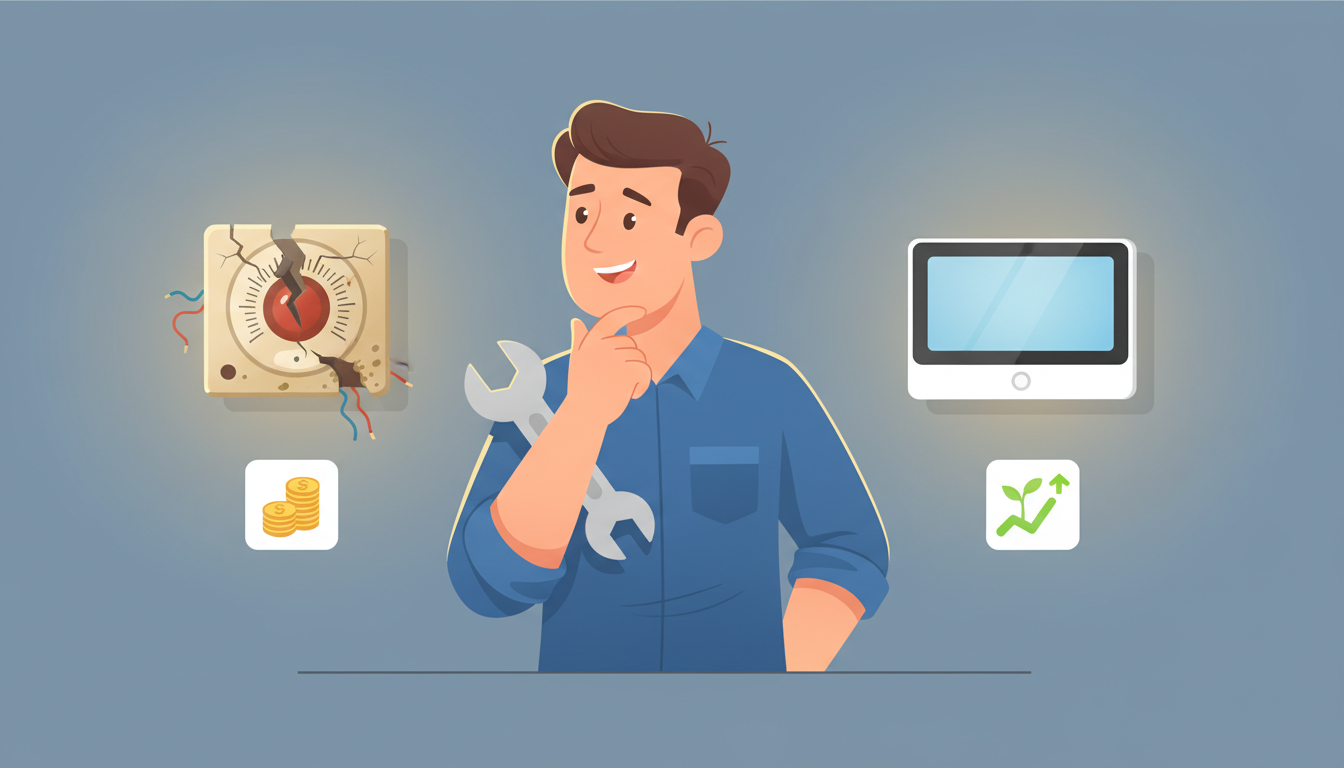
Is your thermostat acting up, leaving you wondering whether to repair or replace it? You're not alone. This decision affects thousands of homeowners every year, and making the wrong choice can cost you hundreds of dollars in wasted repairs or premature replacements. The good news? By understanding a few key factors, you can make a smart, cost-effective decision that keeps your home comfortable and your wallet happy.
In this guide, we'll walk you through everything you need to know about thermostat repair vs replacement, including cost breakdowns, warning signs, and a simple decision-making framework that takes the guesswork out of the equation.
How Long Do Thermostats Last?
Before diving into repair vs replacement decisions, it's important to understand your thermostat's expected lifespan. Most thermostats last between 10 and 20 years, depending on the type and how well they're maintained.
Mechanical thermostats (the older dial-style models) typically last 20-35 years because they have fewer electronic components that can fail. However, they're far less accurate and energy-efficient than modern options.
Digital and programmable thermostats generally last 10-15 years. Smart thermostats, being newer technology, are expected to last around 10 years, though many manufacturers design them with longer lifespans in mind.
Age is your first clue: If your thermostat is approaching or exceeding its expected lifespan and experiencing problems, replacement usually makes more sense than repair. A 15-year-old programmable thermostat that's malfunctioning is living on borrowed time—investing in repairs may only buy you another year or two.
Signs Your Thermostat Needs Attention
How do you know if your thermostat is the problem? Sometimes thermostat issues mimic bigger HVAC failures, but the thermostat is often the real culprit. Here are the most common warning signs:
Temperature Inconsistencies
If your home feels warmer or cooler than the temperature displayed on your thermostat, you've got a problem. This could indicate a faulty temperature sensor or calibration issues. Minor calibration problems can sometimes be fixed, but sensor failures typically require replacement.
Unresponsive Display or Controls
A blank screen is often the easiest problem to solve—it usually just means your batteries are dead. Before panicking, try replacing the batteries. If the display remains unresponsive after a battery change, you're likely looking at a more serious electrical issue or complete system failure.
Short Cycling
Does your HVAC system turn on and off repeatedly in short bursts? This is called short cycling, and it's terrible for your heating and cooling equipment. While short cycling can be caused by various HVAC issues, a malfunctioning thermostat is a common culprit. If your thermostat keeps rebooting or cycling erratically, it needs immediate attention.
HVAC System Won't Turn On or Off
When your thermostat calls for heating or cooling but nothing happens—or conversely, when your system runs continuously despite reaching the set temperature—the thermostat is often to blame. This typically indicates wiring problems or a failed internal relay.
Frequent Temperature Swings
If your home temperature swings wildly throughout the day, even with a consistent thermostat setting, your thermostat may not be communicating properly with your HVAC system. This leads to discomfort and wasted energy.
When Thermostat Repair Makes Sense
Not every thermostat problem requires a full replacement. Here's when repair is your best bet:
The Thermostat Is Relatively New (Under 5 Years Old)
If your thermostat is less than five years old and experiencing issues, repair is almost always the right choice. Modern thermostats should easily last a decade or more, so early failures are usually due to specific fixable problems like loose wiring or software glitches.
The Problem Is Simple and Inexpensive to Fix
Certain issues are quick and cheap to resolve:
- Dead batteries: $5-10 fix you can do yourself
- Dirty contacts: Simple cleaning by a technician ($75-100)
- Loose wiring: Quick reconnection ($75-150)
- Software updates or resets: Often free or minimal cost for smart thermostats
If your HVAC technician quotes a repair under $100, it's almost always worth fixing rather than replacing.
You're Happy with Your Current Thermostat
If you have a basic programmable thermostat that meets your needs, and the repair cost is reasonable, there's no compelling reason to upgrade. Not everyone needs or wants a smart thermostat, and if your current model works for your lifestyle, repairing it makes perfect sense.
Average Thermostat Repair Costs
Most homeowners spend between $114 and $319 on thermostat repairs, with a national average around $215. Here's a more detailed breakdown:
- Basic repairs (battery replacement, minor adjustments): $50-100
- Wiring repairs or sensor issues: $100-250
- Smart thermostat troubleshooting: $150-350
Keep in mind that these costs include both parts and labor. If you're handy, some repairs like battery replacement or basic cleaning can be DIY projects that cost virtually nothing.
When Thermostat Replacement Makes More Sense
Sometimes replacement is the smarter investment. Here are the scenarios where you should seriously consider a new thermostat:
The 50% Rule
Here's a simple decision-making framework used by HVAC professionals: If the repair cost exceeds 50% of the replacement cost, opt for replacement instead.
For example, if a technician quotes $200 to repair your thermostat, but a comparable new model costs $250 installed, replacement makes more financial sense. You'll get a brand-new unit with a warranty for just $50 more.
Your Thermostat Is Over 10 Years Old
Once your thermostat reaches 10 years old, replacement becomes increasingly attractive. Even if a repair would work, you're fixing an aging device that may fail again soon. Technology has also advanced significantly in the past decade—a new thermostat will likely offer better accuracy, features, and energy efficiency.
You Want to Upgrade to a Smart Thermostat
Smart thermostats offer compelling benefits that can justify replacement even when your current thermostat is working fine:
- Energy savings: Smart thermostats can reduce heating and cooling costs by 10-23% through learning algorithms, auto-scheduling, and geofencing
- Remote control: Adjust your home temperature from anywhere using your smartphone
- Usage reports: See exactly how much energy you're using and when
- Smart home integration: Works with Alexa, Google Home, and other smart devices
- Rebates and incentives: Many utility companies offer rebates on smart thermostat installations
If you're interested in these features, don't wait for your old thermostat to fail—upgrade proactively and start saving immediately.
Your Thermostat Has Obsolete Wiring
Older mechanical thermostats sometimes use wiring configurations that are no longer compatible with modern HVAC systems or are difficult for technicians to service. If your HVAC professional tells you your thermostat has outdated wiring, replacement is usually more practical than trying to maintain an obsolete system.
You're Replacing Your HVAC System
If you're getting a new furnace, air conditioner, or heat pump, this is the perfect time to replace your thermostat too. New HVAC systems work best with modern thermostats designed to communicate efficiently with them. Many HVAC contractors bundle thermostat replacement with system installations at discounted rates.
Important: Can an old thermostat damage a new HVAC system? While rare, it's possible. Incompatible thermostats can cause your new HVAC equipment to short cycle, reducing efficiency and potentially shortening its lifespan. When you invest thousands in a new HVAC system, don't skimp on a $200 thermostat that ensures it operates correctly.
Thermostat Replacement Costs: What to Expect
Understanding replacement costs helps you make an informed decision. Here's what you can expect to pay in 2026:
By Thermostat Type
- Basic non-programmable: $50-125 (unit) + $100-200 (installation) = $150-325 total
- Programmable thermostat: $100-250 (unit) + $100-200 (installation) = $200-450 total
- Smart thermostat: $150-500 (unit) + $100-300 (installation) = $250-800 total
Premium smart thermostats like the Nest Learning Thermostat or Ecobee SmartThermostat typically run $200-300 for the device, plus installation.
Factors That Affect Installation Costs
Installation costs vary based on:
- Wiring complexity: Simple swaps are cheaper; running new wires costs more
- System compatibility: Some systems require additional adapters or C-wire installation
- Smart features: WiFi setup and configuration add to labor time
- Geographic location: Labor rates vary significantly by region
DIY vs Professional Installation
Can you replace a thermostat yourself? If you're replacing a similar type (swapping one programmable for another), and your existing wiring is compatible, DIY installation is feasible for handy homeowners. Most manufacturers provide detailed instructions.
However, professional installation is recommended if:
- You're upgrading from mechanical to digital/smart
- Your home lacks a C-wire (common wire) needed for most smart thermostats
- You're uncomfortable working with electrical wiring
- Your HVAC system has complex zoning
Professional installation ensures proper configuration and prevents problems that could damage your HVAC system. For most people, the $100-200 installation cost is worth the peace of mind.
The Hidden Costs of Delaying Action
Whether you choose repair or replacement, don't delay when your thermostat is malfunctioning. A faulty thermostat creates several costly problems:
Higher Energy Bills
An inaccurate or malfunctioning thermostat can cause your HVAC system to run longer than necessary, significantly increasing your utility bills. Even a 2-3 degree calibration error can add 10-15% to your heating and cooling costs.
HVAC System Damage
Short cycling caused by thermostat problems puts excessive wear on your furnace or air conditioner. Starting and stopping repeatedly is far harder on equipment than steady operation. This can shorten your HVAC system's lifespan by years and lead to expensive repairs.
Comfort Issues
The most immediate impact is on your comfort. Temperature swings, rooms that never reach the right temperature, and unpredictable heating or cooling make your home uncomfortable for your family.
Making the Right Decision: A Simple Framework
Still unsure whether to repair or replace? Follow this decision tree:
Step 1: How old is your thermostat?
- Under 5 years: Lean toward repair unless it's a recurring problem
- 5-10 years: Consider both options based on repair cost
- Over 10 years: Lean toward replacement
Step 2: What's the repair cost vs replacement cost?
- Repair cost under 50% of replacement: Repair makes sense
- Repair cost over 50% of replacement: Replace instead
Step 3: Are you interested in smart features?
- Yes: This is a great opportunity to upgrade
- No: Base decision on Steps 1-2
Step 4: Is your HVAC system new or being replaced?
- Yes: Replace the thermostat to ensure compatibility
- No: Base decision on Steps 1-3
Choosing the Right Replacement Thermostat
If you've decided replacement is the way to go, here's how to choose the right model:
Match Your Lifestyle
- Simple needs: A basic programmable thermostat offers good value
- Consistent schedule: A 7-day programmable model works perfectly
- Variable schedule: Smart thermostats adapt to changing routines
- Tech enthusiast: Top-tier smart models offer the most features and integrations
Check HVAC Compatibility
Not all thermostats work with all HVAC systems. Check:
- Voltage requirements: Most residential systems use low-voltage thermostats, but some electric heating uses line voltage
- System type: Ensure compatibility with your furnace, heat pump, or multi-stage system
- Wiring: Count how many wires you have and verify compatibility
Most manufacturers provide online compatibility checkers—use them before purchasing.
Consider Future-Proofing
Technology evolves quickly. Look for thermostats with:
- Regular software updates
- Open integration with multiple smart home platforms
- Good manufacturer support and warranty coverage
- Energy Star certification
Maximizing Your Thermostat Investment
Once you've repaired or replaced your thermostat, these tips help you get the most value:
Proper Placement Matters
Your thermostat should be:
- On an interior wall away from exterior doors and windows
- Away from heat sources (lamps, appliances, direct sunlight)
- In a commonly used room that represents your home's average temperature
- About 5 feet off the ground
Poor placement can cause inaccurate readings even with a brand-new thermostat.
Learn All the Features
If you've upgraded to a programmable or smart thermostat, take time to:
- Set up schedules that match your routine
- Enable energy-saving features
- Configure smart home integrations
- Review energy reports regularly
Many people never program their programmable thermostats, missing out on significant energy savings.
Maintain It Properly
Simple maintenance extends thermostat life:
- Replace batteries annually (for battery-powered models)
- Gently clean the screen and housing
- Keep the area around it clear for accurate temperature sensing
- Update software when prompted (for smart models)
Regular HVAC Maintenance
Your thermostat is just one component of your heating and cooling system. Regular HVAC maintenance ensures all components work together efficiently. Professional tune-ups catch problems early before they turn into expensive emergencies.
Frequently Asked Questions
How do I know if my thermostat is bad or if it's my HVAC system?
The easiest way is to check if your thermostat display is working and responding to inputs. If the display works but your HVAC system doesn't respond to temperature changes, the problem might be with your furnace or air conditioner. If the display is blank, unresponsive, or shows error messages, the thermostat is likely the issue. When in doubt, call an HVAC technician to diagnose the problem—they can quickly determine whether it's the thermostat or another component.
Can I replace just the thermostat without replacing my HVAC system?
Absolutely. Thermostats and HVAC systems are independent components. You can upgrade to a modern smart thermostat even if you have an older HVAC system, as long as they're compatible. Check compatibility before purchasing, and consider professional installation to ensure proper configuration.
Is it worth upgrading to a smart thermostat if my current one works fine?
If you're interested in energy savings, remote control, and smart home integration, yes. Smart thermostats typically pay for themselves within 2-3 years through reduced energy bills. However, if you're perfectly happy with your current setup and don't value those features, there's no pressing need to upgrade. Wait until your current thermostat needs replacement.
Do smart thermostats really save money on energy bills?
Yes, when used properly. Studies show smart thermostats can reduce heating and cooling costs by 10-23%. The actual savings depend on your home, climate, HVAC system efficiency, and how well you utilize the thermostat's features. Homes with variable schedules and people who previously didn't use programmable thermostats see the biggest savings.
Should I replace my thermostat at the same time as my HVAC system?
Generally, yes. When you invest thousands in a new HVAC system, replacing the thermostat ensures optimal compatibility and performance. Many contractors bundle thermostat replacement with HVAC installations at discounted rates. A modern thermostat paired with a new HVAC system maximizes efficiency and longevity.
Final Thoughts: Make the Smart Choice
The decision between thermostat repair vs replacement doesn't have to be complicated. By considering your thermostat's age, the repair cost relative to replacement cost, and your interest in upgraded features, you can make a confident, cost-effective choice.
Remember the key takeaways:
- Thermostats typically last 10-20 years
- Apply the 50% rule: if repair costs exceed half the replacement cost, replace instead
- Smart thermostats offer compelling energy savings and convenience features
- Don't delay addressing thermostat problems—they lead to higher bills and HVAC damage
- Professional installation ensures proper configuration and prevents issues
Whether you're dealing with a malfunctioning thermostat or considering a proactive upgrade, the right choice protects your comfort, your HVAC system, and your wallet.
Need expert help deciding? Contact our HVAC professionals for an honest assessment of your thermostat and guidance on the best solution for your home. We'll help you make the choice that makes the most sense—both financially and for your long-term comfort.