How to Troubleshoot Your Air Conditioner Before Calling for Repair
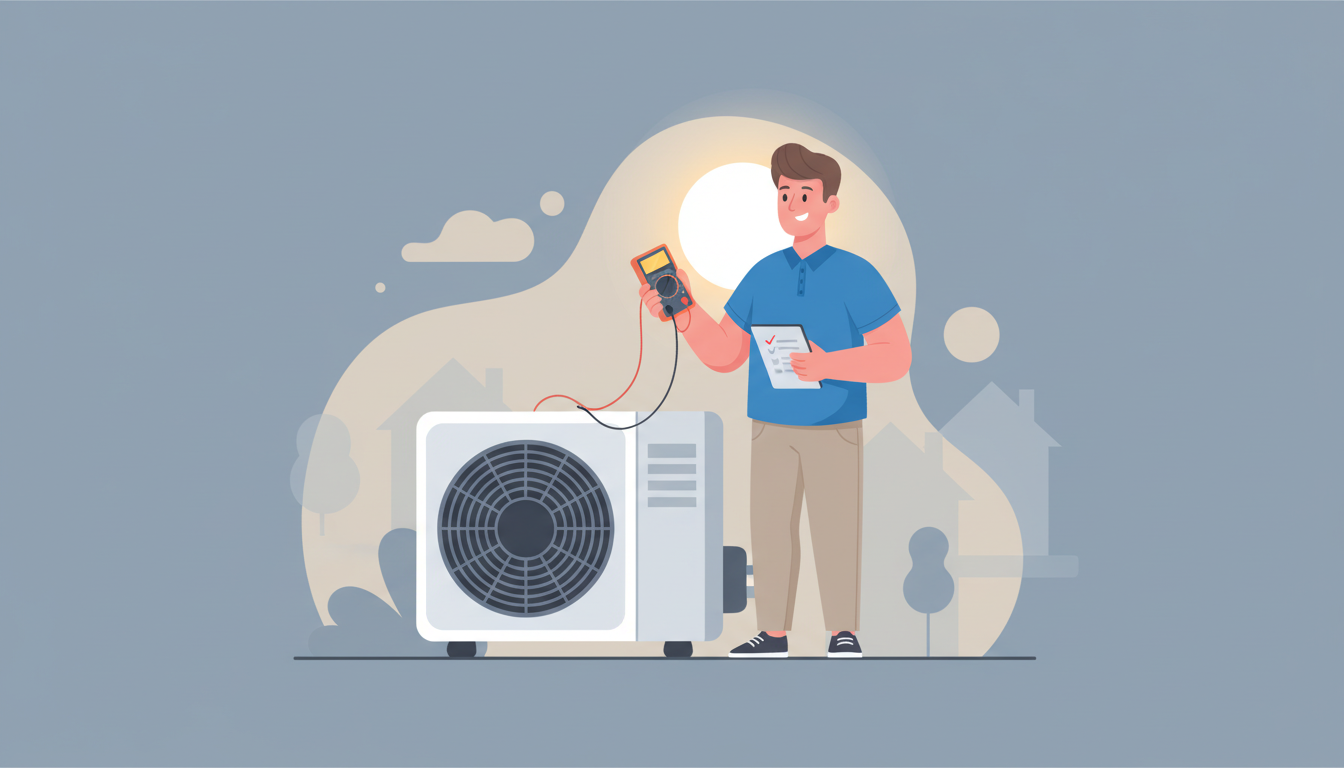
How to Troubleshoot Your Air Conditioner Before Calling for Repair
Is your air conditioner acting up right when you need it most? Before you reach for the phone to call an expensive HVAC technician, there are several simple troubleshooting steps you can take yourself. Many common AC problems have easy fixes that don't require professional help—and knowing how to troubleshoot air conditioner issues can save you both time and money. Let's walk through the most common problems and their solutions so you can get your cooling system back up and running.
Why Your AC Might Not Be Working Properly
Air conditioners are complex systems with many components that need to work together seamlessly. When one part fails or becomes obstructed, it can affect the entire system's performance. The good news? Many AC problems stem from simple issues like dirty filters, incorrect settings, or minor electrical hiccups that you can fix yourself in just a few minutes.
Understanding the basics of how your cooling system works will help you identify problems faster. Your air conditioner pulls warm air from your home, removes the heat and humidity, then circulates cool air back through your vents. This process involves several key components: the thermostat, air filter, evaporator coil, condenser unit, refrigerant lines, and electrical connections.
Check Your Thermostat Settings First
The thermostat is your AC's brain, so it's always the first place to start when troubleshooting. You'd be surprised how many "broken" air conditioners are actually just dealing with incorrect thermostat settings.
First, make sure your thermostat is set to "COOL" mode, not "HEAT" or "OFF." It sounds obvious, but this simple mistake happens more often than you'd think, especially in households where different family members adjust the settings.
Next, verify that the temperature setting is at least 3-5 degrees lower than the current room temperature. If it's too close to the actual temperature, your AC won't kick on because it thinks the room is already cool enough.
Check if your thermostat has fresh batteries. If the screen is blank or dim, dead batteries could be preventing it from communicating with your AC unit. Replace them and see if that solves the problem.
For smart thermostats, make sure they're connected to your Wi-Fi network and that any programming schedules aren't overriding your manual settings. Sometimes a scheduled temperature change can make it seem like your AC isn't responding to your commands.
Inspect and Replace Your Air Filter
A dirty air filter is the single most common cause of air conditioner problems. When your filter gets clogged with dust, pet hair, and debris, it restricts airflow throughout your entire HVAC system—and that creates a cascade of issues.
Signs Your Filter Needs Changing
Your air conditioner might not be blowing cold air if the filter is too dirty. Reduced airflow means less air passing over the evaporator coil, which can cause several problems:
- Weak airflow from your vents
- Rooms that won't cool down properly
- Ice forming on the indoor unit or refrigerant lines
- The AC running constantly but not cooling effectively
- Higher than normal energy bills
- Musty odors when the system runs
How to Check and Replace Your Filter
Locate your air filter—it's usually in the return air vent, the blower compartment, or a slot near your indoor AC unit. Pull it out and hold it up to the light. If you can't see light passing through easily, it's time for a replacement.
Most homes should change their filters every 1-3 months depending on usage, pets, and allergies. During peak cooling season, check your filter monthly. This simple maintenance task can prevent many costly repairs down the road and is a key part of any HVAC repair guide.
Reset Tripped Circuit Breakers
Electrical issues are another common culprit when your air conditioner not turning on. Your AC system actually has two separate circuit breakers: one for the indoor air handler and one for the outdoor condenser unit.
Head to your home's electrical panel and look for any breakers in the "OFF" position or stuck in the middle between "ON" and "OFF." Air conditioners draw significant power, especially when they first start up, which can occasionally trip the breaker.
To reset a tripped breaker, first push it firmly to the "OFF" position, then flip it back to "ON." Don't just try to push it to "ON" from the middle position—it won't reset properly.
If the breaker trips again immediately or within a few hours, don't keep resetting it. This indicates a more serious electrical problem that requires professional diagnosis. Repeatedly resetting a breaker that keeps tripping can damage your electrical system or create a fire hazard.
Also check the disconnect box near your outdoor unit—this safety switch should be in the "ON" position. Sometimes it gets accidentally switched off during yard work or by curious kids.
Clean Your Outdoor Condenser Unit
Your outdoor condenser unit needs proper airflow to function efficiently. When it gets covered in dirt, leaves, grass clippings, or other debris, it can't dissipate heat properly—which means your AC runs but doesn't cool your home effectively.
Walk outside and inspect your condenser unit. Clear away any vegetation, leaves, or debris within at least two feet of the unit. Plants, shrubs, or overgrown grass should be trimmed back to allow proper air circulation on all sides.
Look at the metal fins on the outside of the unit. These thin aluminum fins can easily get clogged with cottonwood seeds, grass, and dirt. You can gently rinse them with a garden hose (not a pressure washer, which can bend the fins). Always turn off the power to the unit before cleaning it.
If the fins are bent, you can carefully straighten them with a fin comb (available at hardware stores), but be gentle—they're delicate and can break easily.
The outdoor unit should also be level. If it's settled or tilted over time, it can affect performance and lead to compressor problems. Check that it sits level on its pad.
Examine All Air Vents and Registers
Blocked or closed air vents can make your air conditioner work much harder than necessary and create uneven cooling throughout your home. Each closed vent forces more air through the remaining open vents, which can stress your system and reduce efficiency.
Walk through your home and make sure all supply vents (where cool air blows out) and return vents (where warm air gets pulled in) are open and unobstructed. Move furniture, curtains, or boxes that might be blocking airflow.
Never close off more than 20% of your home's vents, even in unused rooms. Your ductwork was designed to handle a specific volume of air, and closing too many vents can increase pressure in the ducts, potentially causing leaks or damage to your blower motor.
If you notice that certain rooms are always warmer than others despite open vents, you might have ductwork leaks or insulation issues. This is covered in more detail in our central AC repair guide.
Look for Ice or Frost Buildup
Finding ice on your air conditioner is never normal, even on the hottest days. An air conditioner freezing up indicates a problem with airflow or refrigerant levels.
Check both your indoor evaporator coil (inside the air handler) and the refrigerant lines running to your outdoor unit. If you see frost or ice, turn off your AC immediately and switch the thermostat to "FAN ONLY" mode. This allows the ice to melt without forming more.
Common Causes of Ice Buildup
Ice typically forms when:
- The air filter is extremely dirty (restricting airflow)
- Airflow is blocked by closed vents or dirty coils
- Refrigerant levels are low due to a leak
- The outdoor temperature is below 60°F (AC units aren't designed to run in cool weather)
- The blower motor is failing or running too slowly
After the ice melts completely (this can take several hours), replace your air filter and make sure all vents are open. Try running the AC again. If ice reforms quickly, you likely have a refrigerant leak that needs professional repair.
Listen for Unusual Noises
Your air conditioner should run relatively quietly with just a gentle hum. Any strange noises are your AC's way of telling you something is wrong.
Identifying AC Sounds and What They Mean
Buzzing or humming: Could indicate electrical issues, a failing capacitor, or loose parts. If the outdoor unit hums but doesn't start, the capacitor may need replacement.
Grinding or squealing: Usually points to a problem with the blower motor bearings or belt (in older systems). This needs prompt attention before the motor fails completely.
Clicking: A single click when the AC starts is normal. Repeated clicking that doesn't lead to the AC starting often means a faulty relay or control board.
Hissing: May indicate a refrigerant leak or a valve problem. Refrigerant leaks require professional repair.
Rattling or banging: Suggests loose components, debris in the outdoor unit, or a failing compressor.
If your AC makes loud or concerning noises, turn it off and call a professional. Continuing to run a malfunctioning unit can turn a simple repair into an expensive replacement.
Check for Water Leaks
Finding water pooled around your indoor AC unit or dripping from vents is a sign of a drainage problem. Your air conditioner removes humidity from the air, and that moisture needs to drain away properly.
The most common cause is a clogged condensate drain line. Over time, algae, mold, and debris can block this drain, causing water to back up and overflow.
Locate your condensate drain line (usually a PVC pipe coming from your indoor unit). You can try clearing it yourself by pouring a cup of white vinegar or a bleach-water solution (1 part bleach to 10 parts water) down the drain line. This can dissolve minor clogs and kill algae growth.
If water continues to leak after this treatment, you may have a more serious blockage or a broken condensate pump that requires professional service. Never ignore water leaks—they can cause significant water damage, mold growth, and damage to your AC components.
Assess Strange Smells Coming from Vents
Your air conditioner should blow cool, odorless air. Any unusual smells indicate a problem that needs addressing.
Musty or moldy odor: Points to mold or mildew growing in your ductwork, evaporator coil, or drain pan. This is both a health concern and an AC issue. Change your filter and consider having your ducts professionally cleaned.
Burning smell: Could mean overheating electrical components, a failing motor, or dust burning off at the start of the season. Turn off your AC immediately if you smell burning and call for service.
Rotten egg smell: While rare with AC systems, this could indicate a dead animal in your ductwork or, more seriously, a natural gas leak if you have gas heating. Evacuate and call your gas company.
Chemical or sweet smell: May indicate a refrigerant leak. Refrigerant has a sweet, chemical odor and exposure can be harmful. Turn off your AC and call a professional immediately.
Recognize When Short Cycling Is a Problem
Short cycling happens when your air conditioner turns on and off repeatedly without completing a full cooling cycle. Instead of running for 15-20 minutes, it might run for just 5 minutes before shutting off, then starting again a few minutes later.
This is hard on your equipment, wastes energy, and prevents your home from cooling properly. Short cycling can be caused by:
- An oversized AC unit for your home's square footage
- A dirty air filter restricting airflow
- Low refrigerant levels
- A malfunctioning thermostat
- Frozen evaporator coils
- Electrical problems
Try the basic troubleshooting steps first: change your filter, check your thermostat, and look for ice buildup. If short cycling continues, professional diagnosis is needed to identify the root cause.
Know When to Stop and Call a Professional
While many AC problems have DIY solutions, some issues require professional expertise and specialized tools. Understanding when to call for help prevents you from making problems worse—or putting yourself in danger.
Call an HVAC Technician If:
- Your AC has no power even after resetting breakers
- You suspect a refrigerant leak (hissing sounds, ice buildup, sweet chemical smell)
- The compressor won't start or makes loud noises
- Ice keeps forming even after changing filters and ensuring proper airflow
- Circuit breakers repeatedly trip
- You smell burning or see smoke
- Water damage is occurring from leaks
- Your AC is more than 10-15 years old and having frequent problems
Refrigerant handling requires EPA certification, and electrical repairs can be dangerous without proper training. Don't risk your safety or your equipment trying to fix complex issues yourself.
For a comprehensive checklist of what to verify before making that service call, review our guide on AC not turning on start checks.
Prevent Future AC Problems with Regular Maintenance
The best way to avoid AC emergencies is to stay on top of regular maintenance. A little prevention saves a lot of money on repairs.
Monthly Tasks
- Check and change your air filter
- Ensure all vents are open and unobstructed
- Listen for unusual sounds during operation
- Check that your thermostat is working correctly
Seasonal Tasks (Spring and Fall)
- Clean the outdoor condenser unit
- Inspect refrigerant lines for damage or ice
- Test the condensate drain line
- Verify proper airflow from all vents
- Schedule a professional tune-up before peak season
Annual Professional Maintenance
Even if your AC seems to be working fine, annual professional maintenance catches small problems before they become expensive failures. A technician will:
- Check refrigerant levels and add if needed
- Clean and inspect the evaporator and condenser coils
- Test all electrical connections and controls
- Lubricate moving parts
- Measure airflow and system performance
- Identify potential problems before they cause breakdowns
Regular maintenance can extend your AC's lifespan by years and reduce energy costs by keeping it running efficiently.
Understanding Repair vs. Replace Decisions
Sometimes troubleshooting reveals that your air conditioner needs significant repairs—or might be nearing the end of its useful life. How do you decide whether to repair or replace?
Use the "$5,000 rule": Multiply the repair cost by your AC's age in years. If the result exceeds $5,000, replacement is usually the better investment.
For example, a $400 repair on a 10-year-old unit = $4,000 (repair makes sense). But a $600 repair on a 12-year-old unit = $7,200 (replacement is probably smarter).
Also consider:
- Energy efficiency: New AC units are significantly more efficient, potentially cutting cooling costs by 20-40%
- Remaining lifespan: The average AC lasts 15-20 years with good maintenance
- Repair frequency: If you're calling for service every season, replacement may save you money and hassle
- Refrigerant type: Older systems using R-22 refrigerant face increasing costs as this refrigerant is phased out
Frequently Asked Questions
Why is my AC running but not cooling the house?
The most common causes are a dirty air filter restricting airflow, a dirty outdoor condenser unit that can't dissipate heat, low refrigerant levels, or frozen evaporator coils. Start by changing your filter and cleaning your outdoor unit. If the problem persists after these fixes, you likely need professional service to check refrigerant levels or diagnose compressor issues.
How often should I change my AC filter?
Most standard 1-inch filters should be changed every 30-90 days depending on factors like pets, allergies, and system usage. During peak cooling season (summer), check your filter monthly. If you have pets or allergies, plan on monthly changes. Homes without pets might extend to every 2-3 months. Thicker 4-inch or 5-inch filters typically last 6-12 months.
Can I run my AC if it's freezing up?
No, never run your air conditioner if you see ice forming. Turn it off immediately and switch the thermostat to "FAN ONLY" to help melt the ice. Running an AC with ice buildup can damage the compressor—an expensive repair. After the ice melts, change your filter and check for airflow blockages before trying to run it again.
What temperature should I set my thermostat to?
For optimal efficiency and comfort, most experts recommend setting your thermostat to 78°F when you're home and awake. Each degree lower increases your energy costs by about 3-5%. When you're away or sleeping, raising the temperature by 7-10 degrees can save 10% on cooling costs without sacrificing comfort.
Why does my AC smell musty when it first turns on?
Musty odors usually indicate mold or mildew growth in your ductwork, on the evaporator coil, or in the drain pan. This happens when moisture doesn't drain properly or when the system sits unused for extended periods. Change your filter, ensure proper drainage, and consider having your ducts and coils professionally cleaned to eliminate the source of the odor.
Take Control of Your Cooling Comfort
Knowing how to troubleshoot air conditioner problems empowers you to solve many common issues yourself, saving money and reducing downtime during hot weather. Most AC problems have simple solutions: a new filter, a reset breaker, or a quick cleaning can get your system back to peak performance.
Start with the basics—thermostat settings, air filters, and circuit breakers—before moving on to more complex troubleshooting. Many "emergency" service calls turn out to be simple fixes that homeowners can handle in just a few minutes.
However, also recognize when professional help is necessary. Refrigerant leaks, electrical problems, and compressor issues require specialized tools and training. Attempting complex repairs yourself can void warranties, create safety hazards, and potentially make problems worse.
By combining DIY troubleshooting with regular professional maintenance, you'll keep your air conditioner running efficiently for years to come—and stay cool and comfortable no matter how hot it gets outside.
Ready to tackle those AC issues? Start with the simplest checks first, work your way through this guide systematically, and you'll be back to enjoying cool comfort in no time. And remember: when in doubt, calling a qualified HVAC technician is always the right choice for your safety and your system's longevity.