When Water Around Your HVAC Equipment Becomes an Emergency
When Water Around Your HVAC Equipment Becomes an Emergency
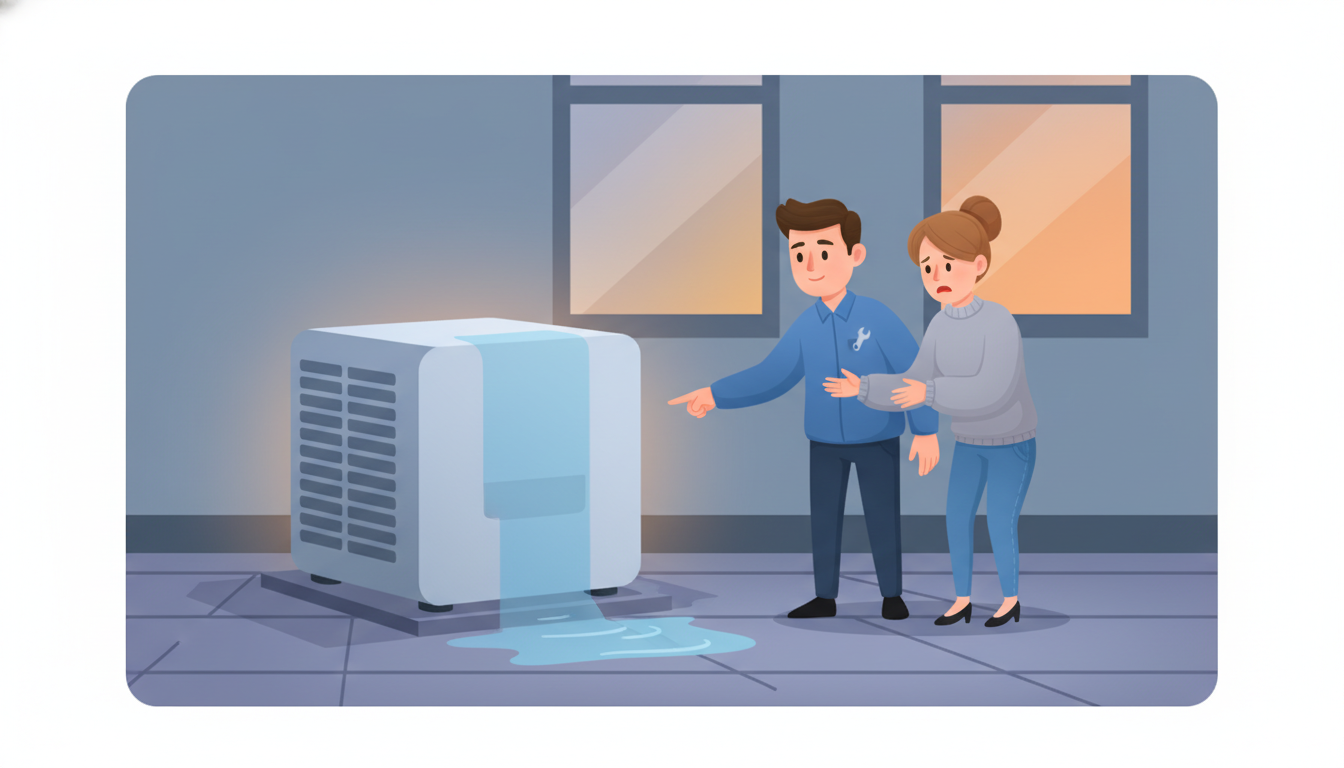
You walk into your basement and freeze. There's a puddle spreading across the floor beneath your air handler. Is this an emergency, or can it wait until Monday morning? When it comes to water around HVAC equipment, knowing the difference between a minor issue and a true emergency can save you thousands of dollars in damage—and protect your family's health.
Not all HVAC water leaks are created equal. Some situations require immediate professional intervention, while others can be monitored and addressed during regular business hours. This guide will help you identify when water around your HVAC equipment becomes a genuine emergency that demands urgent action.
Understanding HVAC Water Leaks: Normal vs. Emergency
Your HVAC system naturally produces water through condensation, especially during cooling season. But how do you know when that moisture crosses the line from normal operation to a problem requiring immediate attention?
What's Normal Condensation?
During summer months, your air conditioning system removes moisture from indoor air as part of the cooling process. This water collects on the evaporator coil and should drain away through your condensate drain line. A properly functioning system produces significant amounts of water—up to 20 gallons per day in humid climates—but you should never see it pooling around your equipment.
Red Flags That Signal an Emergency
Water becomes an emergency when it poses an immediate threat to your home's structure, your HVAC equipment's electrical components, or your family's health. The key is recognizing situations where water damage is actively occurring or imminent, rather than potential future problems.
7 Emergency Situations That Require Immediate Action
Understanding these critical scenarios helps you make informed decisions about when to call for emergency HVAC repair versus when you can safely wait.
1. Rapid Water Accumulation or Flooding
If water is actively flowing from your HVAC unit or accumulating faster than you can contain it with towels and buckets, you're facing an emergency. This indicates a complete failure of your drainage system, and the longer water flows, the more extensive the damage becomes. Rapid flooding can soak through subflooring, saturate drywall, and spread into adjacent rooms within hours.
2. Water Reaching Electrical Components
Water and electricity create a dangerous combination. If you see water dripping onto electrical connections, pooling near your circuit breaker, or spreading toward outlets and switches, this is a critical emergency. Turn off power to the affected area immediately at your main electrical panel, and call both an HVAC technician and electrician if needed. Never operate electrical equipment that has been exposed to water until it's been inspected by a professional.
3. Ceiling or Wall Water Damage
Water stains spreading across your ceiling or running down interior walls signal that your HVAC water leak has compromised your home's structure. Attic-mounted units present particularly high risk because water can damage ceiling joists, insulation, and drywall before you even notice the leak. Once you see visible ceiling damage, significant hidden damage has likely already occurred behind the surface.
4. Water in Critical Living Spaces
An HVAC leak that deposits water directly into finished living areas, bedrooms, or spaces containing valuable belongings constitutes an emergency. Unlike garage or utility room leaks where water may be contained on concrete, leaks into carpeted or hardwood-floored areas cause immediate damage that worsens by the hour. Water quickly saturates carpets, padding, and wood flooring, creating conditions perfect for mold growth.
5. Persistent Leaking After System Shutdown
If you've turned off your HVAC system but water continues flowing from the unit, this indicates a problem beyond simple condensation backup. Persistent leaking suggests a cracked drain pan, disconnected plumbing, or water source unrelated to normal system operation. This requires immediate professional diagnosis to identify and stop the water source.
6. Visible Mold or Musty Odors
The presence of mold or strong musty smells near your HVAC unit means water has been present long enough for microbial growth to establish itself. This transforms your situation from a plumbing issue to a health hazard requiring professional remediation. Mold spores spread through your HVAC system can contaminate your entire home's air supply.
7. Complete Drain System Failure
When your condensate drain line becomes completely blocked and your safety overflow mechanisms fail simultaneously, you're facing a system-wide drainage emergency. This often manifests as water backing up into the air handler cabinet itself, potentially damaging sensitive electronic controls, motors, and circuit boards. Emergency service prevents thousands of dollars in component replacement costs.
The 24-72 Hour Mold Window: Why Time Matters
Understanding the timeline of water damage progression helps you grasp why some HVAC water situations require emergency response. This isn't just about protecting your equipment—it's about preventing a cascade of increasingly serious problems.
0-24 Hours: Water begins saturating porous materials like drywall, insulation, carpet, and wood. Materials swell, and some furniture finishes begin deteriorating. This is your critical action window before permanent damage occurs.
24-48 Hours: Mold and mildew start growing. In humid conditions or warm temperatures, mold spores can germinate in as little as 24 hours when moisture is present. Unpleasant odors develop, and materials continue absorbing water, expanding the damage zone.
48-72 Hours: Mold growth accelerates significantly. Structural materials may begin warping, cracking, or crumbling. The cost and complexity of remediation increases dramatically. What could have been a simple repair becomes a major restoration project involving mold specialists.
Beyond 72 Hours: Serious structural damage occurs. Mold colonies are well-established throughout affected areas. Health risks increase substantially, especially for family members with allergies, asthma, or compromised immune systems. Complete material replacement often becomes necessary.
This timeline explains why an HVAC water leak discovered on Friday afternoon shouldn't wait until Monday for attention. The difference between a same-day response and a 72-hour delay can mean the difference between a $300 repair and a $5,000 remediation project.
Common Causes of HVAC Water Emergencies
Knowing what typically causes water around HVAC equipment helps you understand the urgency level and describe the problem accurately when you call for help. Check our comprehensive HVAC repair guide for more detailed troubleshooting information.
Clogged Condensate Drain Line
Your condensate drain line carries water away from your HVAC unit through a small pipe, usually ¾ inch in diameter. Over time, algae, mold, dirt, and debris accumulate inside this line, eventually creating a complete blockage. When water can't drain, it backs up into the drain pan and overflows onto your floor.
Clogged drains are the single most common cause of HVAC water emergencies, particularly in systems that haven't received regular maintenance. The emergency nature depends on how quickly water overflows and where it goes.
Frozen Evaporator Coil
When airflow across your evaporator coil becomes restricted—usually due to dirty air filters—the coil temperature drops below freezing. Ice builds up on the coil surface, blocking even more airflow in a self-perpetuating cycle. When the system finally shuts off or you turn it off yourself, that ice melts, often producing far more water than your drain pan was designed to handle.
A frozen coil melt-off can release several gallons of water in a short period, quickly overwhelming drainage systems and creating emergency flooding conditions. This scenario often occurs overnight or when you're away from home, allowing maximum time for damage to develop unnoticed.
Cracked or Overflowing Drain Pan
Your drain pan sits beneath the evaporator coil to catch condensation. Standard metal drain pans typically last 12-15 years before rust and corrosion create holes. When the pan cracks or rusts through, water drips directly through the bottom rather than flowing to the drain line.
Secondary overflow pans, installed beneath the primary pan in attic units, provide emergency backup. But if both pans fail or the overflow pan lacks a proper drain connection, water cascades into your home's living spaces.
Failed Condensate Pump
Systems located in basements or where the drain line must run upward to reach the main drain require a condensate pump to lift water against gravity. When this pump fails—due to motor burnout, float switch malfunction, or debris blockage—water quickly accumulates in the pump reservoir and overflows.
Pump failures often manifest suddenly after years of reliable operation, creating unexpected emergency situations. The small reservoir size means you have minimal time to respond before overflow occurs.
Refrigerant Leaks
Low refrigerant levels cause your system to operate at incorrect pressures, often resulting in evaporator coil freezing similar to restricted airflow scenarios. When the coil ices up and later thaws, emergency flooding can result.
Refrigerant leaks also represent a separate environmental and health concern beyond the water issue, adding urgency to professional service calls. Never attempt to handle refrigerant yourself—this requires licensed technician expertise and specialized equipment.
Disconnected Drain Lines
Installation errors, vibration over time, or amateur repair attempts can cause drain line connections to separate. A disconnected drain line dumps all condensate water directly onto your floor rather than routing it to the exterior or main drain.
This creates an immediate emergency because water flows continuously whenever your system operates. A disconnected line in an attic or concealed location can run unnoticed for extended periods, causing extensive hidden damage before discovery.
Immediate Steps to Take When You Discover Water
Quick, decisive action minimizes damage when you discover water around your HVAC equipment. Follow this protocol before the professional arrives.
Step 1: Turn Off Your System
Immediately shut down your HVAC system using the thermostat. Set it to "Off" rather than just raising or lowering the temperature. This stops condensation production and prevents additional water from entering an already-failed drainage system.
Step 2: Shut Off Power
Locate your HVAC system's dedicated electrical disconnect switch—usually mounted on or near the indoor unit—and turn it off. If water is near electrical components or you can't safely reach the disconnect, shut off the circuit breaker at your main electrical panel instead. This critical safety step prevents electrical shock hazards and potential fire risks.
For gas furnaces with water leaks, also shut off the gas supply valve as a safety precaution, though water and gas don't interact dangerously the way water and electricity do.
Step 3: Contain the Water
Use towels, mops, and buckets to contain and remove standing water. Place absorbent materials around the leak source to prevent water from spreading to unaffected areas. If water is dripping from a ceiling, place containers to catch drips and prevent floor damage.
For active leaks you can't stop, focus on directing water toward floor drains or outdoor areas if possible. Move furniture, electronics, and valuables away from the affected zone.
Step 4: Document the Damage
Take clear photos and videos of the water source, affected areas, and any visible damage before you begin cleanup. Document water levels, staining patterns, and the extent of saturation. This documentation proves invaluable for insurance claims and helps the repair technician understand what happened.
Note the time you discovered the leak and any relevant circumstances—unusual noises, when the system was last operating normally, recent weather events, or anything else that might provide diagnostic clues.
Step 5: Call a Professional
Contact an HVAC professional immediately, even if you've successfully contained the water for now. Describe the situation clearly: where the water is coming from, how much water you're seeing, how long it's been leaking, and whether you've noticed any other symptoms like strange noises or reduced cooling.
Use our emergency HVAC repair checklist for homeowners to ensure you're prepared for the service call.
If you can't reach your regular HVAC company, call an emergency HVAC service. The cost premium for emergency service is justified when dealing with active water damage situations.
Non-Emergency Water Issues You Can Monitor
Not every drop of water around your HVAC constitutes an emergency. Some situations allow time for scheduled service during normal business hours.
Minimal moisture on refrigerant lines: A small amount of condensation on your refrigerant lines is normal, especially in humid weather. If you notice dampness but no dripping or pooling, this doesn't require emergency service. However, schedule a maintenance check to ensure the condensate isn't indicating a larger developing problem.
Slow drips during peak usage: If your system drips only during the hottest part of the day when it's running continuously, and the drip is slow enough that it evaporates or you can catch it in a small container, this suggests a drainage system that's marginal but functional. Schedule service within a few days before this evolves into a full emergency.
Outdoor unit pooling: Water pooling around your outdoor condenser unit is generally not concerning. Outdoor units don't produce condensation in most climates, so this water usually comes from rain, lawn irrigation, or defrost cycles in heat pump systems. Unless water is affecting your home's foundation or entering your house, this isn't an emergency.
Resolved issues after filter change: If you discovered water, immediately changed your air filter, and the problem stopped with no recurring leaks, the emergency has passed. Still schedule a professional inspection within the week to ensure the issue won't return and to check for any damage that occurred.
The key distinction: emergency situations involve ongoing water discharge that's causing or threatening immediate damage. If you've successfully stopped the water flow and contained the situation, you've moved from emergency to urgent—important to address quickly, but not requiring middle-of-the-night service rates.
Location Matters: Risk Levels by HVAC Placement
Where your HVAC equipment is located dramatically affects the severity and urgency of water leaks. Understanding these risk levels helps you calibrate your response appropriately.
Attic Units (Highest Risk)
HVAC equipment in attics presents the highest emergency risk when water leaks occur. Water travels downward through insulation and ceiling materials before becoming visible, meaning by the time you notice ceiling stains, significant hidden damage has already occurred. Attic leaks can affect multiple rooms as water spreads across ceiling joists.
The combination of difficult access, heat that accelerates mold growth, and extensive hidden damage potential makes attic HVAC leaks true emergencies requiring same-day professional response.
Basement Units
Basement installations offer moderate risk. While water may be more easily contained on concrete floors, basements provide ideal mold growth conditions—cool, dark, and humid. Water can seep into finished basement walls, carpet, and stored belongings. If your HVAC shares basement space with electrical panels, water heaters, or valuables, upgrade the urgency level.
Closet/Interior Units
HVAC equipment in interior closets presents high risk when leaks occur because water immediately affects finished living spaces. Drywall, carpeting, and adjacent rooms are vulnerable to rapid damage. The enclosed space and limited ventilation in closets accelerate mold growth once water is present.
Garage Units (Lowest Risk)
Equipment in garages represents the lowest emergency risk. Concrete floors contain water, and garage spaces typically lack sensitive materials or finishes. However, don't ignore garage leaks—they still indicate system problems requiring repair, and water can seep into adjacent living spaces or damage stored items.
Prevention: How to Avoid HVAC Water Emergencies
The best emergency is the one that never happens. These preventive measures dramatically reduce your risk of experiencing HVAC water disasters.
Regular Maintenance Schedule
Professional HVAC maintenance should occur twice annually—once before cooling season and once before heating season. During these visits, technicians clean condensate drains, inspect drain pans for damage, verify condensate pump operation, and check for potential problems before they cause failures.
This maintenance investment of $150-300 annually prevents emergencies that cost thousands to remediate. Consider it essential insurance against water damage disasters.
Seasonal Checks
Beyond professional service, perform these homeowner checks:
-
Monthly: Replace or clean your air filter. This simple task prevents most frozen coil scenarios that lead to water emergencies.
-
Spring/Summer: Pour a cup of water into your indoor unit's drain pan to verify water flows properly through the drain line. If water backs up, call for drain cleaning before cooling season demands begin.
-
Fall: After cooling season ends, inspect the area around your indoor unit for any signs of water staining, rust, or moisture damage that might indicate leaks occurred during summer.
DIY Monitoring Tips
-
Install a water alarm near your indoor unit. These battery-powered devices cost $15-30 and emit a loud alert when they detect moisture, allowing you to catch leaks immediately rather than after damage occurs.
-
Check your ceiling below attic units monthly for any discoloration, soft spots, or water stains.
-
Listen to your HVAC system. Gurgling sounds, excessive hissing, or dripping noises often precede visible water leaks.
-
Monitor humidity levels. If your home feels more humid than usual or you notice condensation on windows, your HVAC may not be removing moisture properly—a potential warning sign of drainage problems.
What to Expect: Costs and Timeline
Understanding typical costs helps you make informed decisions during emergency situations and sets realistic expectations.
Emergency Service Call: $150-400 depending on time of day and day of week. Evening, weekend, and holiday calls command premium rates.
Drain Line Cleaning: $100-250 for standard cleaning. This is the most common and affordable repair for water emergencies.
Drain Pan Replacement: $200-600 depending on unit location and whether secondary pans require replacement.
Condensate Pump Replacement: $300-500 for pump replacement including parts and labor.
Evaporator Coil Cleaning/Repair: $400-1,000 depending on severity of freezing damage and accessibility.
Water Damage Restoration: $1,000-5,000+ for professional water extraction, drying, mold remediation, and structural repairs. This is why rapid response to HVAC water leaks saves money—preventing these restoration costs.
Typical Timeline: For straightforward issues like clogged drains, technicians often resolve the problem in 1-2 hours during the emergency visit. More complex repairs requiring parts may take several days, during which the technician may implement temporary solutions to stop water flow while ordering components.
FAQ: Water Around HVAC Equipment Emergencies
How much water is normal around my HVAC unit?
No standing water is normal. While your system produces significant condensation during operation, you should never see water pooling around the equipment. All condensate should drain away through proper channels. Any visible water indicates a problem requiring attention.
Can I use my HVAC system if there's a small water leak?
No. Even small leaks indicate drainage system failure that will worsen with continued operation. Every hour the system runs produces more water that can't properly drain, expanding the damage. Turn the system off and call for repair before resuming operation.
Will homeowners insurance cover HVAC water damage?
Coverage depends on your specific policy and the cause of the leak. Many policies cover sudden, accidental water damage but exclude damage from lack of maintenance or gradual leaks. Document everything thoroughly, contact your insurance provider quickly, and request clear guidance about coverage before beginning repairs.
How long does it take for mold to grow after an HVAC water leak?
Mold can begin growing within 24-48 hours when moisture is present, with growth accelerating significantly after 72 hours. This is why water emergencies require same-day or next-day response—you're racing against this mold development timeline.
Can I fix a clogged condensate drain myself?
Homeowners can attempt basic condensate drain cleaning using wet/dry vacuums applied to the drain line terminus outside. However, if this doesn't immediately restore drainage, call a professional rather than continuing DIY attempts. Incorrect procedures can damage drain lines or push blockages deeper into the system, making professional repair more difficult and expensive.
Protect Your Home: Act Fast When Water Appears
Water around your HVAC equipment always signals a problem, but not every problem requires emergency response. The key is recognizing situations where water is causing or threatening immediate damage to your home's structure, your system's electrical components, or your family's health.
When you discover water, act quickly: shut down the system, cut power, contain the water, document the damage, and call for professional help. Remember the 24-72 hour mold development window—delays transform minor issues into major restoration projects.
Regular maintenance remains your best defense against HVAC water emergencies. Professional inspections twice yearly catch developing problems before they cause failures, saving you from middle-of-the-night emergency calls and expensive damage repairs.
Don't wait until water appears to think about your HVAC drainage system. Schedule your maintenance check today, install water alarms near your equipment, and keep emergency contact information readily available. When emergencies do occur, you'll be prepared to respond quickly and effectively, minimizing damage and protecting your most valuable investment—your home.
Experiencing an HVAC water emergency right now? Don't wait—turn off your system, cut power to the unit, and contact a qualified HVAC professional immediately. The faster you act, the more damage you'll prevent.