Stop HVAC Water Damage Before It Gets Worse: Your Emergency Action Plan
Stop HVAC Water Damage Before It Gets Worse: Your Emergency Action Plan
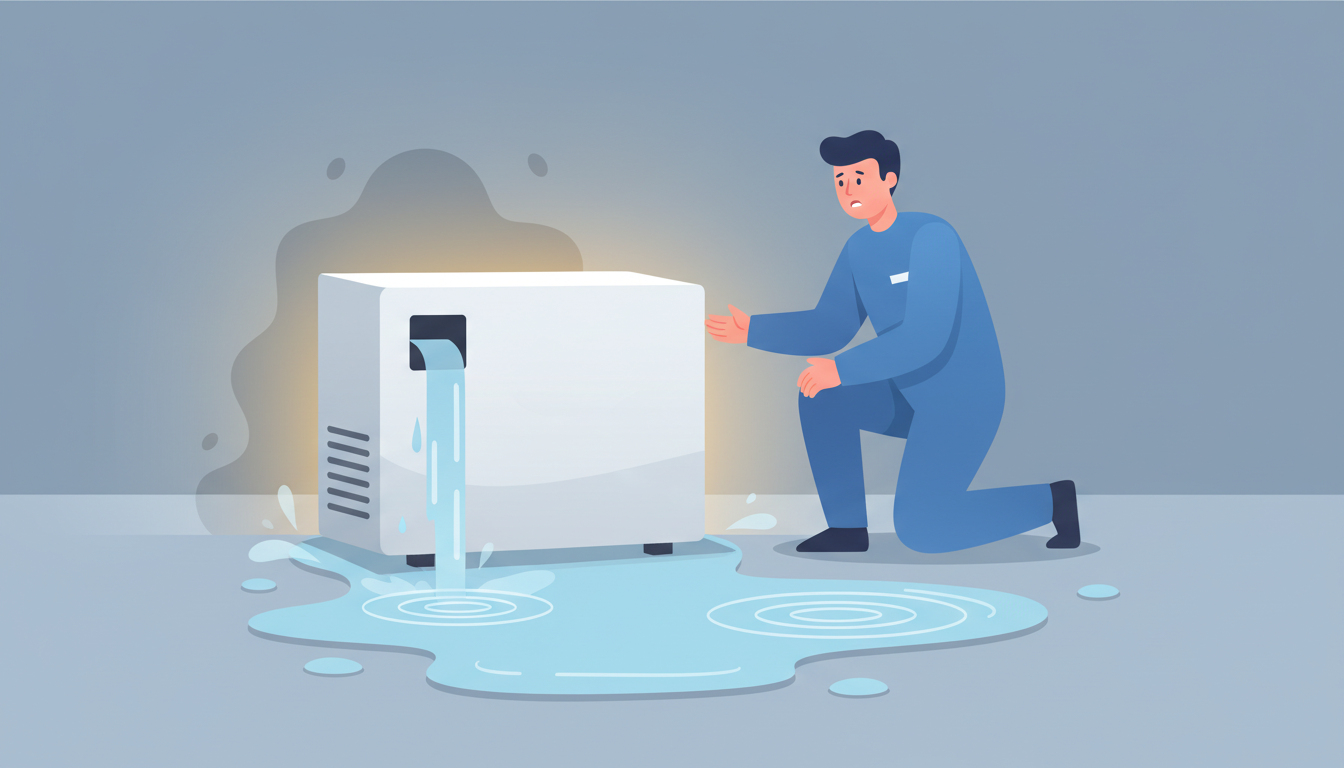
When you discover water pooling around your HVAC system, every minute counts. What starts as a small puddle can quickly escalate into thousands of dollars in water damage, mold growth, and costly repairs. The good news? Taking the right steps immediately can prevent minor HVAC leaks from turning into major disasters.
In this guide, you'll learn exactly what to do before water damage from HVAC leaks gets worse, including emergency response steps, damage prevention strategies, and when to call for professional help.
Why HVAC Water Leaks Are an Emergency
Your air conditioner produces condensation naturally as it cools your home. A typical central AC unit can generate 5-20 gallons of water per day during peak cooling season. When this moisture doesn't drain properly, it can cause serious problems fast.
Water damage spreads quickly. Within 24-48 hours, mold and mildew can start growing in damp areas. After just one week, structural damage to drywall, flooring, and framing can occur. The longer you wait, the more expensive the repairs become.
Health risks multiply. Standing water creates ideal conditions for mold spores, bacteria, and other contaminants that affect your indoor air quality and can trigger respiratory problems, especially for children and those with allergies.
Costs escalate dramatically. Addressing an AC leaking water emergency within the first few hours might cost $150-300 for drain line cleaning. Wait a few days, and you could face $2,000-10,000+ in water damage restoration, mold remediation, and structural repairs.
Immediate Actions: What to Do in the First 30 Minutes
When you spot water leaking from your HVAC system, follow these emergency steps to stop HVAC leak from spreading:
Step 1: Turn Off Your HVAC System Immediately
At the thermostat: Switch your system to "OFF" (not just to a higher temperature). This stops the unit from producing more condensation.
At the breaker box: Locate your HVAC circuit breaker and flip it to the OFF position. This is crucial for preventing electrical hazards when water is present near electrical components.
Why this matters: Continuing to run a leaking AC will only produce more water, making the problem worse. Plus, water and electricity are a dangerous combination.
Step 2: Contain the Water Spread
Place absorbent materials strategically:
- Put towels, blankets, or absorbent pads under dripping areas
- Position buckets or large containers to catch active drips
- Create barriers with rolled towels to prevent water from spreading to other rooms
Protect vulnerable items:
- Move furniture, electronics, and valuables away from wet areas
- Lift area rugs and remove items from floors
- Pull back curtains or fabric that might absorb moisture
Mark the affected area: Use painter's tape or caution signs to keep family members away from slippery, wet floors until you can clean them up.
Step 3: Remove Standing Water Quickly
Time is critical when it comes to water damage from air conditioner leaks. Remove standing water as quickly as possible using:
Wet/dry vacuum: The fastest method for larger puddles. Make sure the vacuum is rated for wet pickup and the electrical cord stays dry.
Towels and mops: For smaller amounts, absorb water with thick towels, wringing them out frequently. Mop remaining moisture thoroughly.
Squeegees: Push water toward floor drains if available, or into collection areas where you can vacuum it up.
Pro tip: Work from the outside of the puddle toward the center to prevent spreading water to dry areas.
Step 4: Start Air Circulation and Drying
Once you've removed standing water, begin the drying process immediately to prevent mold from HVAC leak:
Open windows and doors: Create cross-ventilation to help moisture evaporate (weather permitting).
Set up fans: Position box fans or oscillating fans to blow across wet surfaces. Point them toward open windows to push humid air outside.
Run a dehumidifier: If you have one, place it in the affected area to remove excess moisture from the air.
Turn on lights: Heat from light bulbs can help accelerate drying in small spaces like closets.
Don't forget hidden areas: If water seeped into HVAC closets, pull out stored items and aim fans into the space.
Step 5: Document Everything for Insurance
Before you start cleaning up, protect your rights to insurance coverage:
Take comprehensive photos and videos:
- Wide shots showing the full extent of water damage
- Close-ups of water pooling around the HVAC unit
- Damaged belongings, walls, flooring, and ceilings
- The HVAC system itself, showing where water is coming from
Note the timeline: Write down when you first noticed the leak, when you discovered it, and what actions you took.
Save receipts: Keep all receipts for emergency supplies, equipment rentals, and professional services.
Contact your insurance company: Report the HVAC water damage promptly. Many homeowner policies cover sudden water damage, but coverage depends on the cause and your specific policy.
Understanding Where HVAC Water Comes From
To prevent future problems, it helps to understand why your HVAC system is leaking water. During normal operation, your air conditioner removes moisture from indoor air as it cools. This condensation collects on cold evaporator coils and drips into a drain pan, then flows through a condensate drain line to the outside.
When any part of this drainage system fails, water backs up and overflows. Common problem areas include:
Condensate drain line clogs: Algae, mold, dust, and debris accumulate inside drain pipes over time, creating blockages that prevent water from flowing out.
Damaged or rusted drain pans: Older HVAC units (12-15+ years) often have metal drain pans that corrode and develop holes or cracks.
Frozen evaporator coils: When coils freeze due to restricted airflow or low refrigerant, ice melts and overwhelms the drainage system.
Malfunctioning condensate pumps: Units in basements or attics often need pumps to move water upward to drain lines. When these fail, water accumulates.
Disconnected drain lines: Vibration, improper installation, or deteriorated connections can cause drain pipes to separate, spilling water inside your home.
Assessing the Damage: What to Look For
After containing the immediate leak, inspect for water damage signs:
Visible Water Damage
Flooring issues:
- Warped, buckling, or discolored hardwood
- Spongy or soft spots in vinyl or laminate
- Wet carpet padding or separation from tack strips
- Stains or discoloration on tile grout
Wall and ceiling damage:
- Brown or yellow water stains
- Bubbling or peeling paint
- Soft or crumbling drywall
- Visible moisture or dampness to the touch
HVAC closet or utility room:
- Standing water at the base of the unit
- Wet insulation around pipes
- Moisture on walls behind the unit
- Water stains on nearby storage items
Hidden Damage Warning Signs
Water can travel far from the leak source through walls, ceilings, and floors. Look for these red flags:
Musty odors: Persistent moldy or musty smells indicate moisture trapped in walls, insulation, or subflooring.
Increased humidity: Rooms that feel unusually humid or sticky may have hidden water damage.
Pest activity: Insects and rodents are attracted to moisture. Increased pest activity near your HVAC can signal ongoing leaks.
Structural changes: Doors or windows that suddenly stick, or floors that feel uneven, may indicate water damage to framing or subflooring.
If you notice signs of damage spreading beyond the immediate leak area, especially into walls or ceilings, professional water damage restoration may be necessary to prevent long-term structural problems.
DIY Troubleshooting: What You Can Check Safely
While waiting for your HVAC repair technician, there are several safe checks you can perform:
Check Your Air Filter
Why it matters: A clogged air filter restricts airflow over the evaporator coil, causing it to freeze. When frozen coils thaw, excess water can overwhelm the drain pan.
How to check:
- Locate your air filter (usually in a return air vent or at the air handler)
- Remove the filter and hold it up to light
- If you can't see light through it, it needs replacement
Quick fix: Replace with a new filter of the same size. This simple step resolves many AC water leak issues.
Inspect the Condensate Drain Pan
Location: For indoor air handlers, the drain pan sits directly under the evaporator coil, usually accessible by removing a service panel.
What to look for:
- Standing water in the pan (indicates a drainage problem)
- Cracks, holes, or rust spots in the pan
- Overflowing water around the pan edges
Temporary fix for minor cracks: If you find small cracks and need a temporary solution until the technician arrives, you can apply waterproof epoxy or metal tape. This is NOT a permanent fix but can reduce active leaking temporarily.
Clear Visible Drain Line Blockages
Find the drain line: Look for a PVC pipe (usually 3/4" to 1" diameter) coming from your indoor unit. It typically exits through an exterior wall or routes to a floor drain.
Safe clearing methods:
For accessible cleanout ports:
- Locate the access tee with a cap on top (usually near the air handler)
- Remove the cap carefully
- Use a wet/dry vacuum to suction out debris from the opening
- Pour a cup of distilled white vinegar down the line to help dissolve organic buildup
- Replace the cap securely
Warning signs to stop: If you encounter resistance, see water backing up quickly, or notice any electrical components near the water, stop immediately and wait for professional help.
Test the Condensate Float Switch
Many modern HVAC systems have a safety float switch that should shut off the system when water levels get too high in the drain pan. If your system kept running despite water overflow, the float switch may be malfunctioning or may not be installed.
What to look for: A small plastic device in or near the drain pan with wires running to the HVAC control board.
Don't attempt repairs: Float switch testing and replacement requires electrical knowledge and should be left to HVAC professionals.
When Professional Help Is Essential
Some HVAC condensate leak damage situations are beyond DIY fixes and require immediate professional attention:
Call an HVAC Technician Right Away If:
The leak source is unclear: If you can't identify where water is coming from, or if it seems to be coming from the refrigerant lines, evaporator coil, or outdoor unit, professional diagnosis is needed.
The system won't turn off: If your AC continues running despite turning off the thermostat and breaker, you have a control system failure requiring immediate professional attention.
You smell gas or refrigerant: A sweet, chemical odor near the AC could indicate a refrigerant leak. This requires specialized equipment and EPA-certified technicians to repair safely.
Multiple components seem affected: If the drain pan is damaged AND the drain line is clogged AND the coil is frozen, you're dealing with compound failures that need professional assessment.
Water is coming from the outdoor unit: Outdoor condenser units shouldn't produce significant water drainage. If they do, you may have refrigerant problems or other complex issues.
Previous DIY attempts failed: If you've cleared the drain line and replaced the filter but water continues leaking, deeper problems exist.
Call a Water Damage Restoration Company If:
Water has spread extensively: If water has seeped into multiple rooms, soaked through carpeting, or affected walls in several areas, professional extraction and drying equipment is necessary.
Your HVAC closet is flooding: Confined spaces with poor ventilation are at high risk for mold growth and need thorough professional drying.
Mold is visible: If you see black, green, or brown fuzzy growth, or if musty odors persist after cleaning, you need professional mold remediation. Disturbing mold without proper containment can spread spores throughout your home.
Structural damage is evident: Soft drywall, sagging ceilings, or buckling floors require assessment and repair by professionals to ensure structural integrity and safety.
Water has been present for 48+ hours: After two days, the risk of permanent damage and mold proliferation increases dramatically. Professional restoration can salvage materials that might otherwise need replacement.
Preventing Future HVAC Water Damage
Once you've addressed the immediate emergency, take steps to prevent recurrence:
Schedule Professional Maintenance
Annual or bi-annual service: Professional HVAC maintenance is your best defense against water leaks. During a maintenance visit, technicians:
- Inspect and clean evaporator coils
- Flush condensate drain lines with algaecide
- Check drain pan condition and alignment
- Test condensate pump operation
- Verify proper refrigerant levels
- Replace or clean air filters
- Inspect all drainage connections
Cost vs. savings: A maintenance visit typically costs $80-150, while emergency repairs and water damage restoration can exceed $5,000. Preventive maintenance pays for itself many times over.
Install a Condensate Float Switch
If your system doesn't have one, ask your HVAC technician about installing a safety float switch. This inexpensive device (typically $50-150 installed) sits in your drain pan and automatically shuts off your AC when water reaches a critical level, preventing overflow damage.
How it works: When water rises to the trigger point, the floating mechanism breaks the electrical circuit to your AC compressor, stopping condensation production until the drainage problem is resolved.
Maintain Your System Between Professional Visits
Monthly tasks:
- Check and replace air filters (or every 1-3 months depending on type and usage)
- Look for water stains or moisture around indoor and outdoor units
- Listen for unusual sounds that might indicate problems
Quarterly tasks:
- Pour 1 cup of distilled white vinegar down the condensate drain line to prevent algae growth
- Inspect accessible drain line connections for looseness or deterioration
- Clear debris away from outdoor condenser units
Seasonal tasks:
- Before cooling season, have condensate drainage system inspected
- Clean area around indoor unit to ensure proper airflow
- Check that drain line outlets aren't blocked by landscaping or debris
Upgrade Vulnerable Components
If your system is older or has recurring issues, consider these upgrades:
Replace metal drain pans with plastic: Modern composite drain pans don't rust and last much longer than metal pans common in older systems.
Install a secondary drain pan: Adding an auxiliary overflow pan under the entire air handler provides a backup if the primary pan fails.
Upgrade to a better condensate pump: If you have an older, unreliable pump, replacing it with a quality model prevents failures.
Add drain line monitoring: Smart home devices can alert you to drainage problems before they cause visible leaks.
The Real Cost of Delayed Action
Understanding the financial impact of timing can motivate quick action when you discover water damage from air conditioner leaks:
Immediate response (same day):
- DIY drain clearing: $0-50 in supplies
- Professional drain cleaning: $100-200
- Basic water cleanup: $0-100 in supplies
- Total typical cost: $100-350
24-48 hour delay:
- Emergency HVAC repair: $200-500
- Professional water extraction: $500-1,500
- Damaged flooring/baseboards: $500-2,000
- Total typical cost: $1,200-4,000
One week or more:
- Major HVAC component replacement: $500-3,000
- Mold remediation: $1,500-6,000
- Drywall/ceiling replacement: $1,000-5,000
- Structural repairs: $2,000-10,000+
- Lost belongings: $500-5,000
- Total typical cost: $5,500-29,000+
These numbers make it clear: acting fast isn't just about convenience—it's about protecting your home and your wallet.
Frequently Asked Questions
How quickly does water damage spread from an HVAC leak?
Water damage can spread surprisingly fast. Standing water begins soaking into porous materials like drywall, wood, and carpet within minutes. Within 24-48 hours, mold spores can colonize damp surfaces. After one week, structural damage to framing and subflooring becomes likely, and affected materials may need complete replacement rather than simple drying.
Should I turn off my AC if it's leaking water?
Yes, absolutely. Turn off your AC immediately at both the thermostat and the circuit breaker when you discover a leak. Continuing to run the system produces more condensation, making the water problem worse. It also creates electrical hazards when water comes in contact with electrical components. Leave it off until a qualified HVAC technician identifies and repairs the cause.
Can I fix an HVAC water leak myself?
You can safely handle some basic fixes like replacing dirty air filters, clearing visible drain line blockages through cleanout ports, and performing routine drain line maintenance with vinegar flushes. However, repairs involving refrigerant, electrical components, frozen coils, or internal component replacement should only be performed by licensed HVAC professionals. Attempting complex repairs without proper training can damage your system, void warranties, and create safety hazards.
How much does HVAC water damage repair cost?
Costs vary widely depending on the extent of damage and how quickly you respond. Simple drain line cleaning by a professional typically costs $100-250. If water damage is extensive, expect to pay $1,200-4,000 for professional water extraction and drying, plus additional costs for damaged materials replacement. Mold remediation adds $1,500-6,000. Structural repairs can reach $10,000 or more. Acting within the first few hours keeps costs at the lower end of this range.
Will homeowners insurance cover HVAC water damage?
Coverage depends on your specific policy and the cause of the leak. Most homeowners insurance covers "sudden and accidental" water damage, which can include unexpected HVAC leaks due to system failures. However, damage resulting from lack of maintenance or gradual deterioration is typically not covered. Review your policy details, document everything thoroughly, and report the damage promptly to give yourself the best chance of coverage. Consider asking your insurance agent about adding equipment breakdown coverage if you have an older HVAC system.
Take Action Now to Protect Your Home
Water damage from HVAC leaks doesn't have to become a disaster. By taking immediate action—shutting off your system, containing the water, and starting the drying process—you can prevent minor leaks from escalating into major, expensive problems.
Remember these key points:
✓ Act within the first 30 minutes to minimize damage
✓ Turn off your HVAC system immediately at the thermostat and breaker
✓ Document everything for insurance purposes
✓ Start drying immediately to prevent mold growth
✓ Call professionals when the problem exceeds basic DIY solutions
✓ Invest in prevention through regular maintenance and safety devices
Don't wait until a small puddle becomes a major catastrophe. If your HVAC system is showing signs of water leaks, address it today to protect your home, your health, and your budget.
Need professional help with an HVAC water leak? Quick HVAC Fix provides emergency repair services and preventive maintenance to keep your system running safely and efficiently. Contact us for expert HVAC repair and protect your home from water damage.