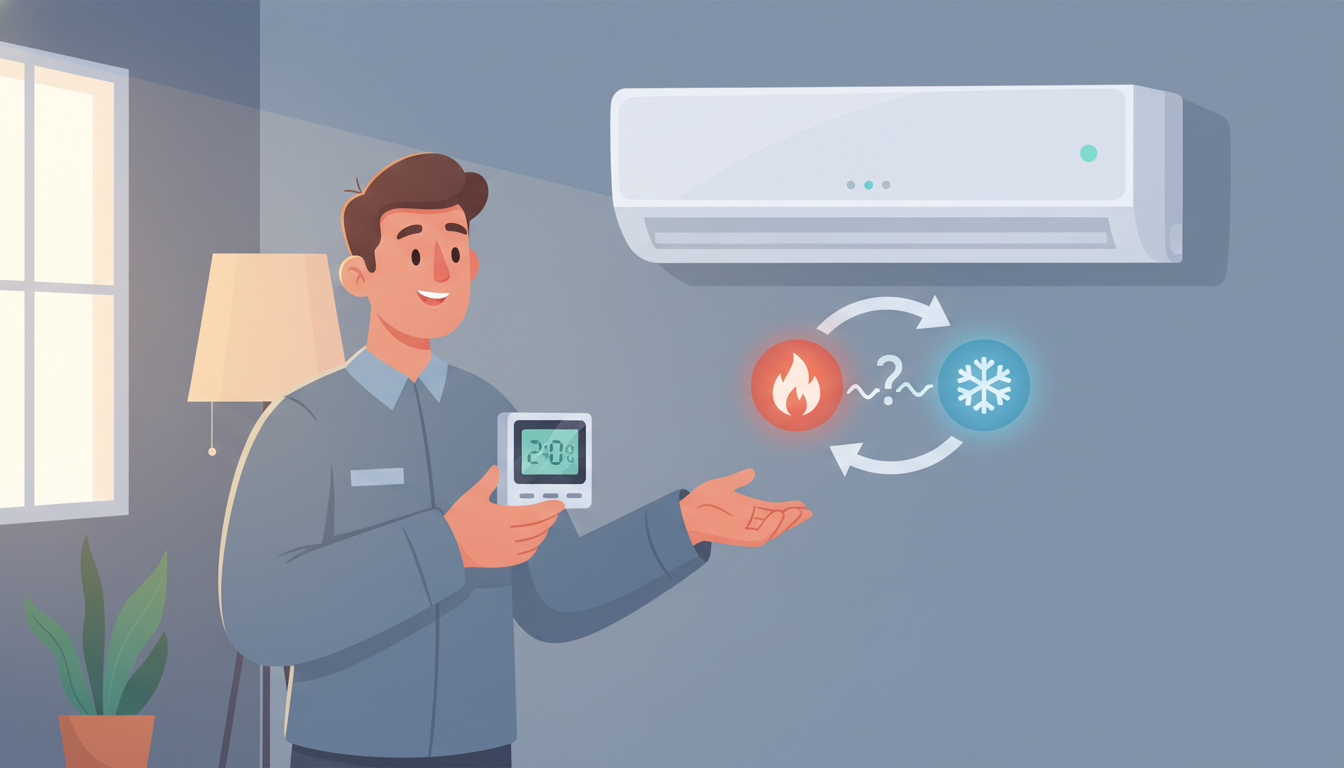
Why Won't My HVAC System Switch Between Heat and Cool?
Why Won't My HVAC System Switch Between Heat and Cool?
Have you ever noticed your HVAC system refusing to switch from heating to cooling mode—or vice versa? It's frustrating when you're expecting a comfortable temperature but your system stays stuck in one mode, leaving you too hot or too cold. This common problem affects thousands of homeowners, especially during seasonal transitions when you need your system to adapt quickly.
The good news? Most mode-switching issues have straightforward causes that you can often identify yourself. In this guide, we'll walk you through why your HVAC won't switch between heat and cool, what you can check on your own, and when it's time to call a professional.
Understanding How Your HVAC System Switches Modes
Before diving into problems, it helps to understand how your HVAC system actually changes from heating to cooling. If you have a heat pump, it uses a component called a reversing valve to change the direction of refrigerant flow. When the valve switches positions, your system transitions from heating mode to cooling mode (or back).
Your thermostat sends the signal to make this switch happen. When you change the setting from "heat" to "cool," the thermostat tells the reversing valve to flip, redirecting how refrigerant moves through your system. This process typically takes 1-3 minutes under normal conditions.
Traditional furnace-and-air-conditioner systems work differently—they have separate components for heating and cooling. Your thermostat simply activates one system or the other. But even these systems can experience mode-switching problems when the thermostat or control board malfunctions.
Common Reasons Your HVAC Won't Switch Modes
Reversing Valve Failure
The reversing valve is the heart of mode switching in heat pump systems. When this component fails or gets stuck, your heat pump becomes trapped in one mode. A stuck reversing valve typically happens due to internal mechanical failure, refrigerant contamination, or a malfunctioning solenoid that controls the valve.
Signs of reversing valve problems include:
- System blows cold air in heating mode (or hot air in cooling mode)
- Unusual hissing or clicking sounds near the outdoor unit
- System runs but doesn't change temperature effectively
Unfortunately, reversing valve issues require professional repair. The valve itself is expensive and requires specialized tools and refrigerant handling knowledge to replace safely.
Thermostat Problems
Your thermostat is the command center for your HVAC system. When it malfunctions, your system won't receive the proper signals to switch modes. Common thermostat issues include:
Dead batteries - Many thermostats use batteries as backup power. When batteries die, the thermostat may lose its ability to communicate with your HVAC system.
Incorrect wiring - If someone recently installed or serviced your thermostat, loose or incorrect wiring can prevent mode-switching signals from reaching your system.
Calibration issues - Over time, thermostats can become miscalibrated. They might think the temperature is 72°F when it's actually 68°F, causing your system to behave unpredictably.
Failed internal contacts - Inside your thermostat are small electrical contacts that complete circuits when you switch modes. These contacts can wear out or corrode over time.
If you have a smart thermostat, compatibility issues with your HVAC system can also cause problems. Not all smart thermostats work with all HVAC configurations, especially with older systems or dual-fuel setups. Check your thermostat troubleshooting guide for specific fixes.
Electrical Issues
Your HVAC system depends on electrical signals to function properly. When electrical components fail, your system may lose the ability to switch between heating and cooling modes.
Tripped circuit breakers - Your HVAC system uses one or more dedicated circuit breakers. If a breaker trips, your system might receive partial power—enough to run a fan but not enough to switch modes.
Blown fuses - Many HVAC systems have fuses near the air handler and outdoor unit. A blown fuse can interrupt the signals that control mode switching.
Control board malfunctions - The control board is like your HVAC system's brain. When it fails, it can't process signals from your thermostat or properly control system components.
Power surges, lightning strikes, and age can all damage electrical components. If your HVAC system turns on at the wrong time or behaves erratically, electrical problems might be the cause.
Low Refrigerant Levels
Refrigerant is essential for your heat pump to transfer heat. When refrigerant levels drop due to a leak, your system struggles to operate in either mode—and may refuse to switch modes entirely.
Signs of low refrigerant include:
- Ice buildup on refrigerant lines or the outdoor unit
- System runs constantly but doesn't reach the set temperature
- Hissing sounds near refrigerant lines
- Higher than normal energy bills
Refrigerant doesn't "run out" like gasoline—if levels are low, you have a leak somewhere in the system. A professional needs to find and repair the leak, then properly recharge your system.
Dirty or Clogged Air Filters
This might seem too simple, but dirty air filters cause a surprising number of HVAC problems. When airflow is restricted, your system can overheat or freeze up, triggering safety switches that prevent normal operation—including mode switching.
A severely clogged filter forces your system to work harder, which can lead to:
- Frozen evaporator coils
- Overheated components
- Reduced efficiency
- Premature system failure
Check and replace your air filter every 1-3 months, or more frequently if you have pets, allergies, or live in a dusty area.
Dirty Coils and Components
Both your indoor evaporator coils and outdoor condenser coils need clean surfaces to transfer heat effectively. When these coils get covered in dirt, dust, or debris, your system's efficiency drops dramatically.
Dirty coils can prevent your system from switching modes by:
- Causing temperature sensors to read incorrectly
- Triggering safety mechanisms that shut down components
- Creating ice buildup that blocks refrigerant flow
- Reducing pressure in the refrigerant system
The outdoor unit is especially vulnerable to dirt, leaves, grass clippings, and other debris. Keep vegetation trimmed at least 2 feet away from all sides of your outdoor unit.
Frozen Outdoor Unit
During cold weather, your outdoor unit can freeze up, especially if moisture accumulates on the coils. While modern heat pumps have defrost cycles to handle this, sometimes the defrost system fails or can't keep up with extreme conditions.
A frozen outdoor unit won't switch modes properly because:
- Ice blocks airflow through the unit
- The reversing valve may be frozen in position
- Temperature sensors give incorrect readings
If you see significant ice buildup that doesn't melt within a few hours, don't try to chip it off—you could damage the coils. Instead, turn off your system and let it thaw naturally, or call a professional.
DIY Troubleshooting Steps You Can Try
Before calling a technician, here are some safe troubleshooting steps you can perform yourself:
Check Your Thermostat Settings
It sounds obvious, but start with the basics. Make sure:
- Your thermostat is set to "auto" rather than "on" (which just runs the fan)
- You've selected the correct mode (heat or cool)
- The temperature setting is appropriate (set cooling to at least 5°F below current temp, or heating to 5°F above)
- Batteries are fresh if your thermostat uses them
Try manually switching between modes and listening for the click when the thermostat sends a signal.
Inspect and Replace Your Air Filter
Locate your air filter (usually at the return air vent or inside the air handler) and check its condition. Hold it up to a light—if you can't see light through it, it needs replacing.
Replace the filter with one that matches the size and MERV rating recommended for your system. Don't buy the most expensive, highest-MERV filter thinking it's better—overly restrictive filters can cause their own problems.
Reset Your HVAC System
Sometimes a simple reset clears temporary glitches:
- Turn off your system at the thermostat
- Locate the circuit breakers for your HVAC system (indoor and outdoor units)
- Turn off both breakers
- Wait 3-5 minutes
- Turn the breakers back on
- Wait another 5 minutes before turning on the thermostat
This reset allows capacitors to discharge and the system to restart fresh.
Check the Outdoor Unit
Take a walk outside and inspect your outdoor unit:
- Is it running when it should be?
- Do you see excessive ice buildup?
- Is the area around it clear of debris, vegetation, and obstructions?
- Does the fan spin freely when the unit is off?
Clear away any debris, but never use a pressure washer or spray water directly into the unit.
Test Manual Mode Changes
If you have a smart thermostat with an auto-changeover feature, try switching it to manual mode. Auto-changeover allows your system to switch automatically between heating and cooling based on indoor temperature. Sometimes this feature malfunctions, and manual control works fine.
When to Call a Professional
Some HVAC problems require professional expertise and specialized tools. Call an HVAC technician when:
You've Tried Basic Troubleshooting Without Success
If you've replaced filters, reset the system, checked the thermostat, and cleaned around the outdoor unit—but your HVAC still won't switch modes—it's time for professional help. The problem likely involves refrigerant, electrical components, or the reversing valve.
You Notice Unusual Noises or Smells
Strange sounds or odors can indicate serious problems:
- Grinding or metal-on-metal sounds suggest mechanical failure
- Electrical burning smells indicate wiring problems or overheating
- Hissing sounds near refrigerant lines suggest leaks
Don't ignore these warning signs—they often indicate problems that worsen rapidly if left unaddressed.
Your System Short Cycles
Short cycling means your system turns on and off repeatedly without completing a full heating or cooling cycle. This puts tremendous wear on components and drives up energy costs. Short cycling can prevent proper mode switching and often indicates:
- Thermostat problems
- Refrigerant issues
- Oversized equipment
- Control board malfunctions
A professional can diagnose the root cause and prevent expensive damage.
You See Persistent Ice Buildup
While some frost on outdoor units during winter is normal, thick ice that doesn't melt or ice on refrigerant lines indicates a problem. This could be:
- Refrigerant leaks
- Failed defrost system
- Airflow restrictions
- Incorrect refrigerant charge
Ice-related issues require professional diagnosis and repair.
Your System Is More Than 10 Years Old
Older HVAC systems develop age-related problems that affect reliability. Components wear out, efficiency drops, and parts become harder to find. If your system is older and having mode-switching problems, a professional can help you decide whether repair or replacement makes more financial sense.
For comprehensive guidance on common HVAC issues, check out our HVAC repair guide.
Preventing Future HVAC Mode Switching Problems
Prevention is always cheaper and easier than repair. Here's how to keep your system switching smoothly:
Schedule Regular Professional Maintenance
Annual HVAC maintenance (ideally before heating season and again before cooling season) allows technicians to:
- Clean coils and components
- Check refrigerant levels
- Test the reversing valve
- Inspect electrical connections
- Calibrate thermostats
- Identify potential problems before they cause failures
Most HVAC companies offer maintenance plans that include priority service and discounts on repairs.
Replace Filters Consistently
Set a reminder on your phone to check filters monthly. This simple habit prevents the majority of airflow-related problems. Buy filters in bulk so you always have replacements available.
Keep the Outdoor Unit Clear
Make outdoor unit inspection part of your routine:
- Trim vegetation quarterly
- Remove leaves and debris after storms
- Hose down the unit gently once or twice per year (with power off)
- Clear snow away from the unit in winter, but don't use salt near it
Upgrade to a Quality Thermostat
If your thermostat is more than 10 years old, consider upgrading. Modern programmable and smart thermostats offer:
- More accurate temperature control
- Better mode-switching reliability
- Energy-saving schedules
- Remote access and monitoring
- Alerts when problems occur
Make sure any new thermostat is compatible with your specific HVAC system configuration.
Avoid Constant Mode Switching
Frequently changing between heating and cooling puts stress on system components, especially the reversing valve. During spring and fall when temperatures fluctuate, try to minimize how often you switch modes. Consider using your system's auto-changeover feature if available, or choose one mode and adjust your clothing and home strategies instead.
Understanding Mode Switching Delays
It's important to know that some delay in mode switching is completely normal. When you change your thermostat from heat to cool (or vice versa), you might experience:
A 1-3 minute delay before the system responds. This is the reversing valve actuating and the system stabilizing in the new mode.
Brief periods of opposite-mode air. When switching from cooling to heating, you might feel a few seconds of cool air before warm air starts flowing. This is residual temperature in the ductwork.
A 5-10 minute defrost cycle during cold weather. Your heat pump may occasionally switch to cooling mode temporarily to defrost the outdoor coils. This is normal and automatic.
If delays extend beyond 10 minutes, or if your system never completes the switch, that indicates a problem requiring attention.
Emergency Heat Mode Explained
Many thermostats have an "Emergency Heat" or "EM Heat" setting. This bypasses your heat pump and uses backup electric resistance heating (or a gas furnace in dual-fuel systems). You should only use emergency heat when:
- Your heat pump has completely failed
- The outdoor temperature is below your heat pump's operating range
- Your technician has instructed you to use it temporarily
Emergency heat is expensive to run because it's less efficient than your heat pump. Don't use it as a regular heating option—it's a temporary solution until repairs can be made.
Seasonal Transition Best Practices
When switching your HVAC system for seasonal changes, follow these best practices:
Before cooling season:
- Change the air filter
- Clean around the outdoor unit
- Test your system on a mild day to ensure it works
- Schedule professional maintenance if you haven't recently
Before heating season:
- Change the air filter again
- Clear vents and registers of furniture or obstructions
- Test heating mode on a cool day
- Check that your backup heat source works (if applicable)
This proactive approach catches problems when they're small and easy to fix, rather than during the first heat wave or cold snap when HVAC companies are swamped with emergency calls.
Frequently Asked Questions
How long should it take for my HVAC system to switch modes?
Normal mode switching takes 1-3 minutes. Your thermostat sends a signal, the reversing valve actuates, and the system stabilizes in the new mode. If it takes longer than 5 minutes, or doesn't switch at all, you have a problem.
Is it bad to constantly switch between heat and cool?
Yes, frequent mode switching puts extra wear on your reversing valve and other components. Try to minimize switching during shoulder seasons. If temperature fluctuations are the issue, use fans, adjust blinds, or change your thermostat's temperature differential settings.
Why does my HVAC blow hot air when I first switch to cooling?
This is normal and temporary. The air in your ductwork and around your air handler is still warm from heating mode. After 2-3 minutes of operation, you should feel cool air. If hot air continues beyond 5 minutes, you have a mode-switching problem.
Can I manually force my HVAC to switch modes?
Your thermostat is the proper way to switch modes. Never try to manually manipulate the reversing valve or other components—you could cause serious damage or void your warranty. If your thermostat isn't successfully switching modes, that's the problem to address.
Do all HVAC systems have reversing valves?
No, only heat pumps have reversing valves. Traditional systems with separate furnaces and air conditioners don't need them because they use completely different components for heating and cooling. However, traditional systems can still experience mode-switching problems with thermostats and control boards.
Taking Action for Comfortable Year-Round Climate Control
When your HVAC won't switch between heat and cool, it's more than an inconvenience—it affects your comfort, energy bills, and system longevity. The good news is that many causes are relatively simple to fix, especially when caught early.
Start with the easy checks: thermostat settings, fresh air filters, and a system reset. These solve a surprising number of mode-switching issues. For problems involving the reversing valve, refrigerant, or electrical systems, professional help is your best option.
Don't let mode-switching problems persist. The longer you wait, the more likely you are to experience:
- Higher energy bills from inefficient operation
- Accelerated wear on system components
- Complete system failure at the worst possible time
- More expensive repairs
Regular maintenance and prompt attention to problems will keep your HVAC system switching smoothly between heating and cooling for years to come. When in doubt, consulting an HVAC professional provides peace of mind and protects your investment in home comfort.