
How Worn Bearings Affect HVAC Motors: Signs, Costs, and Solutions
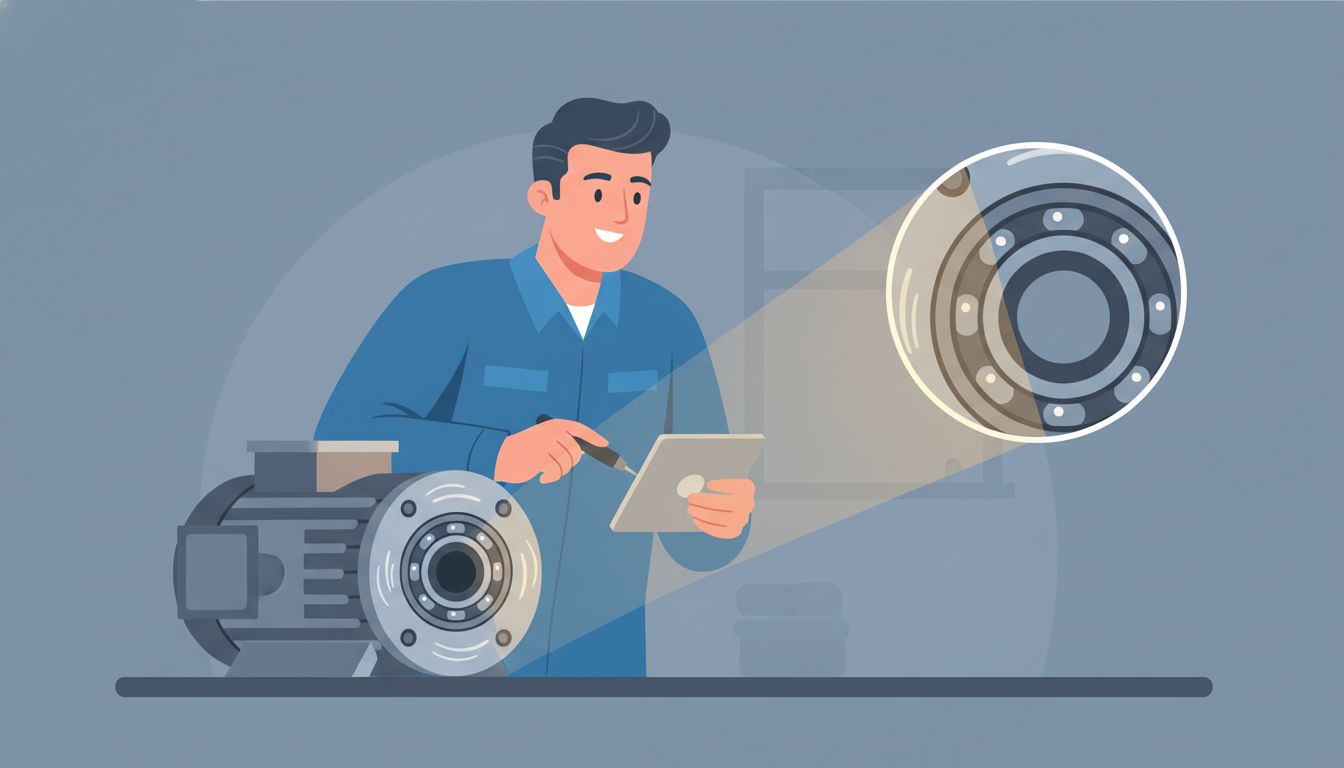
How Worn Bearings Affect HVAC Motors: Signs, Costs, and Solutions
Your HVAC system works tirelessly to keep your home comfortable, and at the heart of that system are motors that depend on bearings to operate smoothly. When those bearings wear out, the consequences ripple throughout your entire heating and cooling system. Understanding how worn bearings affect HVAC motors can save you hundreds—or even thousands—of dollars in repairs while preventing unexpected breakdowns.
What Role Do Bearings Play in HVAC Motors?
Bearings are small but mighty components that reduce friction between moving parts in your HVAC motor. Think of them as the unsung heroes that allow your blower motor, condenser fan, and other rotating components to spin smoothly and efficiently.
Without properly functioning bearings, metal would grind against metal, creating excessive heat, noise, and rapid wear. Your motor shaft rotates thousands of times per minute, and bearings ensure this happens with minimal resistance.
Types of Bearings in HVAC Systems
HVAC motors typically use one of two bearing types:
Ball Bearings feature small steel balls that roll between races, distributing the load evenly. They're ideal for:
- Commercial and industrial applications
- Belt-driven systems with higher shaft tension
- Motors with variable speed controllers
- High-load scenarios
Sleeve Bearings (also called bushings) rely on a thin film of oil on metal sleeves rather than rolling elements. They work best for:
- Residential and light commercial systems
- Direct-driven blower motors
- Condenser fan applications
- Situations where quiet operation matters
Most modern HVAC motors come with sealed bearings that don't require regular lubrication, though older systems may have serviceable bearings that need periodic maintenance.
How Do Worn Bearings Damage HVAC Motors?
When bearings begin to wear, they trigger a cascade of problems that can compromise your entire HVAC system. Here's exactly what happens:
Increased Friction and Heat Generation
As bearing surfaces degrade, friction increases dramatically. Your motor must work harder to overcome this resistance, consuming more electricity and generating unnecessary heat.
This excessive heat accelerates wear on other motor components, including:
- Motor windings and insulation
- Internal electrical connections
- Capacitors and start components
- Shaft seals
In extreme cases, the additional heat can cause thermal overload, tripping safety switches or even causing the motor to burn out completely.
Excessive Vibration and Mechanical Stress
Worn bearings create uneven rotation, causing the motor shaft to wobble rather than spin smoothly. This vibration stresses mounting brackets, fan blades, and motor housings.
You might notice:
- Rattling sounds from ductwork
- Loose mounting screws
- Cracks in motor mounts
- Misaligned belt drives in belt-driven systems
Persistent vibration can also damage connected components like the blower wheel or fan blades, potentially creating dangerous imbalances that worsen over time.
Reduced Energy Efficiency
A motor fighting against worn bearings can increase your energy consumption by 10-30% or more. That friction forces your system to run longer to achieve the same heating or cooling output.
Your energy bills climb while your comfort decreases—a lose-lose situation that worsens each month you delay repairs. For common issues affecting blower motors, check out our guide on blower motor not working common causes.
Risk of Complete Motor Failure
If you ignore worn bearings long enough, they'll eventually seize. When a bearing locks up, one of three things happens:
- The motor burns out from trying to overcome the seized bearing
- The circuit breaker trips repeatedly, shutting down your HVAC system
- Internal components break from the sudden resistance
Any of these scenarios means an expensive emergency repair call, often during the worst possible weather.
Warning Signs of Worn HVAC Motor Bearings
Catching bearing problems early dramatically reduces repair costs and prevents secondary damage. Watch for these telltale symptoms:
Unusual Noises
Sound is often your first clue that bearings are failing:
- Squealing or screeching indicates lack of lubrication or early-stage wear
- Grinding sounds mean bearing surfaces are severely degraded
- Rattling or knocking suggests loose or damaged bearing components
- High-pitched whining often occurs as bearings dry out
The noise typically worsens over time and may change pitch or volume as the motor heats up during operation.
Excessive Vibration
Place your hand near (but not on) the motor housing when it's running. Excessive vibration that you can feel from several inches away indicates worn bearings.
You might also notice:
- Visible shaking of supply vents
- Loose access panels that rattle
- A "buzzing" sensation through walls near the HVAC unit
Overheating
If the motor housing feels too hot to comfortably touch after running for 15-20 minutes, friction from worn bearings may be the culprit.
Modern motors have thermal overload protection that shuts them down when they overheat. If your system cycles on and off frequently without reaching temperature, worn bearings could be forcing thermal shutdowns.
Higher Energy Bills
Compare your current energy bills to the same months in previous years. An unexplained 15-25% increase in heating or cooling costs often points to mechanical problems, with worn bearings being a common cause.
Reduced Airflow
Worn bearings slow motor rotation, reducing fan speed and airflow throughout your system. You might notice:
- Weaker air coming from vents
- Longer run times to reach thermostat settings
- Uneven temperatures in different rooms
- Ice formation on the indoor coil (cooling mode)
For comprehensive troubleshooting, see our HVAC repair guide.
What Causes HVAC Motor Bearings to Wear Out?
Understanding the root causes helps you prevent premature bearing failure:
Insufficient Lubrication
Bearings need proper lubrication to function. When lubricant breaks down or leaks out, metal-on-metal contact accelerates wear.
In sealed bearings, the factory-installed lubricant gradually degrades over years of operation. Most sealed bearings last 10-15 years before lubrication failure becomes an issue.
Dust and Contamination
Dirt, dust, and debris infiltrate bearing assemblies, acting like sandpaper on precision surfaces. This is especially problematic in:
- Dusty environments
- Homes with pets
- Systems without regular filter changes
- Outdoor condenser units exposed to pollen and debris
Misalignment and Imbalance
When motors aren't mounted correctly or fan blades become unbalanced, uneven forces stress bearings beyond their design limits.
Common causes include:
- Improper installation
- Bent fan blades from impact or corrosion
- Loose mounting bolts
- Warped motor bases
Age and Normal Wear
Even under perfect conditions, bearings have a finite lifespan. Most HVAC motor bearings last 10-20 years with proper maintenance, though this varies based on:
- Operating hours per year
- Load conditions
- Temperature extremes
- Bearing quality and type
Excessive Load
Motors working harder than designed accelerate bearing wear:
- Dirty filters restricting airflow
- Blocked ductwork or registers
- Oversized or undersized fan wheels
- Belt tension issues in belt-driven systems
How Much Does It Cost to Fix Worn HVAC Motor Bearings?
Repair costs vary depending on whether you catch the problem early or wait until catastrophic failure:
Bearing Replacement Only
If caught early, replacing just the bearings costs $150-$400, including:
- Labor (1-2 hours)
- Replacement bearings
- Lubricant (if applicable)
This assumes the motor itself isn't damaged and bearings are accessible and serviceable.
Motor Replacement
If worn bearings caused motor damage, expect to pay $300-$800 for residential blower motors, or $400-$1,200 for commercial units, including:
- New motor assembly
- Labor (2-4 hours)
- Electrical connections and mounting
Emergency Service Premium
Waiting until your system fails completely often means paying:
- After-hours service fees: $100-$300 extra
- Rush shipping for parts: $50-$150 extra
- Lost comfort during extreme weather: Priceless
For detailed information about motor repairs, visit our guide on common motor repairs in residential HVAC.
The Cost of Doing Nothing
Ignoring worn bearings typically leads to:
- 20-30% higher energy bills for months before failure
- Secondary damage to other components ($200-$600 in additional repairs)
- Potential emergency replacement of the entire HVAC unit ($3,000-$10,000+)
Can You Lubricate HVAC Motor Bearings Yourself?
The answer depends on your motor type:
Sealed Bearings
Most modern HVAC motors use sealed bearings marked "2RS" (double rubber seal) or "2Z" (double metal shield). These cannot and should not be lubricated.
Attempting to add oil to sealed bearings:
- Doesn't reach the bearing surfaces
- Can damage seals and contaminate the motor
- May void warranties
- Provides no benefit
Serviceable Bearings
Older motors may have oil ports or grease fittings. If yours does:
- Check the manufacturer's specifications for the correct lubricant type
- Use very small amounts—over-lubrication causes more problems than it solves
- Clean the area first to prevent introducing contaminants
- Follow the recommended schedule (typically annually)
When in doubt, call a professional. Improper lubrication often accelerates failure rather than preventing it.
How Long Do HVAC Motor Bearings Last?
Bearing lifespan varies based on several factors:
Residential Systems (Average Use)
- Sealed ball bearings: 10-20 years
- Sleeve bearings: 8-15 years
- Serviceable bearings (with maintenance): 15-25 years
Commercial Systems (Heavy Use)
- Sealed ball bearings: 5-12 years
- Roller bearings: 8-15 years
- Industrial-grade bearings: 10-20 years
Factors That Extend Lifespan:
- Regular filter changes (monthly during peak seasons)
- Annual professional maintenance
- Clean installation environment
- Proper motor sizing for the application
- Quality bearing brands and motor construction
Factors That Shorten Lifespan:
- Neglected filter changes
- Dusty or contaminated environments
- Frequent cycling (oversized systems)
- Extreme temperature swings
- Improper installation or alignment
Bearing Failure Prevention: What You Can Do
Protect your investment with these proactive steps:
Change Filters Regularly
Dirty filters force motors to work harder, accelerating bearing wear. Replace filters:
- Monthly during heavy use seasons (summer/winter)
- Every 2-3 months during moderate seasons
- More frequently if you have pets or allergies
Schedule Annual Professional Maintenance
HVAC technicians inspect bearings, check for unusual noise or vibration, and catch problems before they become emergencies.
Annual maintenance typically costs $100-$200 but can prevent repairs costing 5-10 times that amount.
Keep the Area Clean
Minimize dust around your HVAC equipment:
- Clear debris from outdoor condenser units
- Keep the furnace/air handler area clean and uncluttered
- Seal ductwork properly to prevent dust infiltration
- Consider upgrading to high-efficiency filters
Address Problems Immediately
Don't ignore unusual noises or performance changes. What starts as a minor bearing issue can cascade into major motor damage within weeks.
Early intervention is always cheaper than emergency repairs.
Ensure Proper Installation
When installing new equipment or motors, hire qualified professionals who:
- Check shaft alignment carefully
- Balance fan wheels and blades
- Mount motors securely with proper vibration isolation
- Verify electrical connections and operating parameters
Repair vs. Replacement: Making the Right Decision
When faced with worn bearings, consider these factors:
Repair Makes Sense When:
- The motor is relatively new (less than 7-8 years old)
- Bearings are accessible and serviceable
- No other motor damage has occurred
- The system is otherwise in good condition
- Repair costs less than 40% of replacement cost
Replacement Makes Sense When:
- The motor is 10+ years old
- Multiple components show wear
- Energy efficiency upgrades would pay for themselves
- The motor has failed multiple times
- Repair costs approach 50%+ of replacement cost
- Technology improvements offer significant benefits
Consider Upgrading to High-Efficiency Motors
Modern ECM (electronically commutated motor) and variable-speed motors:
- Use 20-40% less energy than conventional motors
- Run quieter
- Provide better temperature control
- Often include premium bearings rated for longer life
The higher upfront cost often pays back within 3-5 years through energy savings.
FAQ: Common Questions About Worn HVAC Motor Bearings
How can I tell if my HVAC motor bearings are bad?
Listen for unusual noises like grinding, squealing, or rattling. Feel for excessive vibration when the system runs. Watch for higher energy bills, reduced airflow, or frequent thermal shutdowns. Any combination of these symptoms likely indicates worn bearings.
Can worn bearings cause my AC to freeze?
Yes, indirectly. Worn bearings reduce motor speed and airflow, which can cause the evaporator coil to get too cold and freeze. Insufficient airflow is one of the leading causes of frozen AC coils.
Will worn bearings cause a burning smell?
Absolutely. Excessive friction from worn bearings generates heat that can burn motor insulation, producing a distinct electrical or burning smell. If you smell burning, shut down your system immediately and call for service.
How much does it cost to replace HVAC motor bearings?
Simple bearing replacement runs $150-$400 if caught early. However, if bearing failure damages the motor, expect motor replacement costs of $300-$1,200 depending on the motor type and system size. Emergency service adds $100-$300 to these costs.
Should I replace bearings or the whole motor?
If the motor is less than 8 years old and the bearings are accessible, replacement alone may suffice. For motors 10+ years old or when bearings have caused secondary damage, full motor replacement usually makes more financial sense and provides better long-term value.
Take Action Before Worn Bearings Damage Your HVAC System
Worn bearings in HVAC motors aren't just an annoyance—they're an escalating problem that costs you money every day through higher energy bills and increasing system damage. The grinding noise you hear today becomes the emergency repair call tomorrow and the system replacement next month.
By understanding the warning signs, you can catch bearing problems early when repairs are simple and affordable. Regular maintenance, timely filter changes, and attention to unusual sounds or performance changes protect your investment and keep your home comfortable year-round.
Don't wait until your motor fails on the hottest day of summer or the coldest night of winter. If you're experiencing any of the symptoms described in this article, contact a qualified HVAC professional today for an inspection. A $200 bearing replacement now beats a $5,000 emergency system replacement later.
Your HVAC system works hard for you—give it the care it needs to keep running smoothly for years to come.