
How Zoning Problems Create Hot and Cold Rooms in Your Home
How Zoning Problems Create Hot and Cold Rooms in Your Home
Have you ever walked from your freezing living room into your sweltering bedroom and wondered why your HVAC system can't keep your whole house comfortable? You're not alone. Uneven temperatures throughout your home are one of the most frustrating problems homeowners face, and more often than not, zoning problems are the culprit creating those hot and cold rooms.
When your HVAC system lacks proper zone control or when your existing zoning system malfunctions, you end up wasting energy while certain rooms remain uncomfortable no matter what you set your thermostat to. Understanding how zoning problems create temperature inconsistencies is the first step toward solving them.
What Is HVAC Zoning and Why Does It Matter?
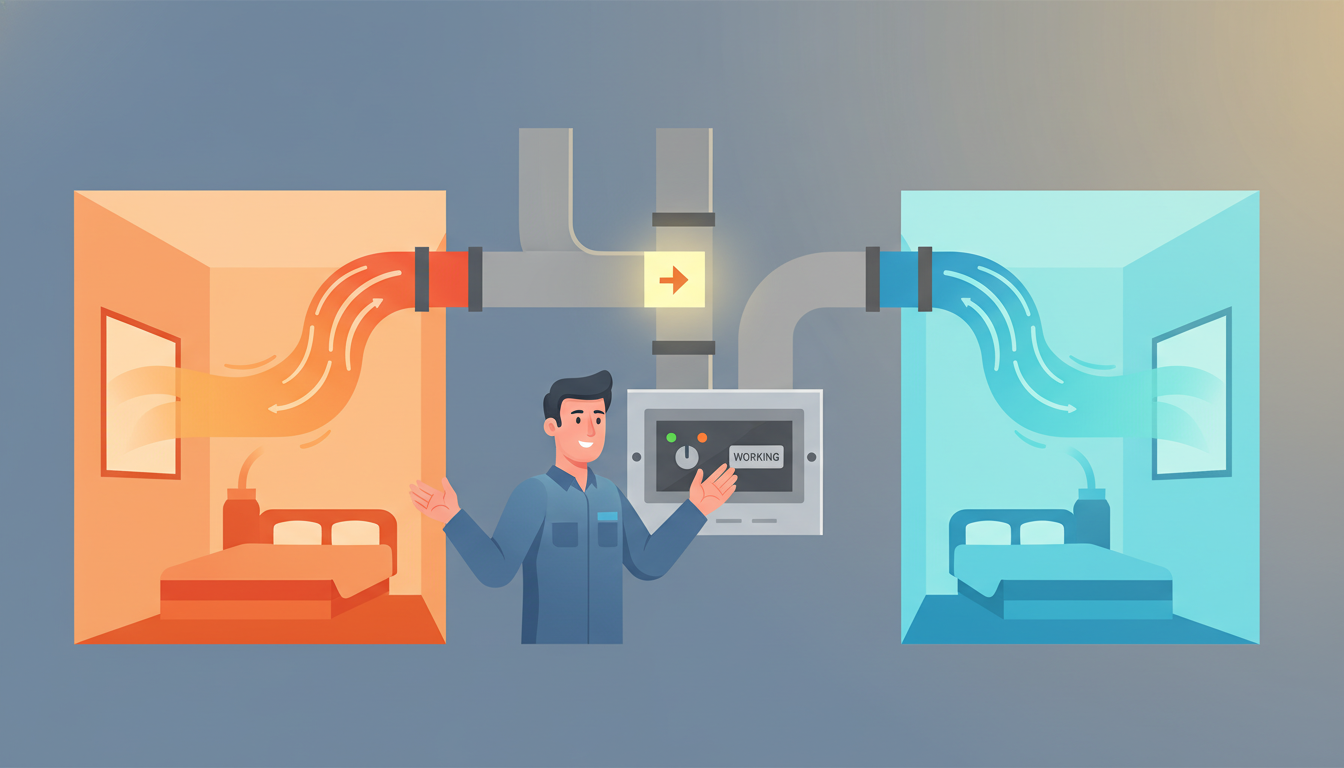
HVAC zoning divides your home into separate areas, each with its own thermostat and climate control. Instead of heating or cooling your entire house to one temperature, a zoning system uses motorized dampers inside your ductwork to direct conditioned air only where it's needed.
Think of it like having multiple light switches instead of one master switch for your entire house. You wouldn't light up every room when you only need the kitchen, right? The same logic applies to heating and cooling.
A properly functioning zoning system includes:
- Multiple thermostats (one per zone)
- A central control panel that coordinates the zones
- Motorized dampers in your ductwork that open and close automatically
- Zone sensors that communicate with the control panel
When any of these components fail or when your home lacks zoning altogether, temperature problems develop quickly.
The Most Common Zoning Problems That Create Hot and Cold Rooms
Lack of Any Zoning System
The biggest zoning problem is having no zones at all. If your entire home runs on a single thermostat, your HVAC system treats every room the same, even though they have vastly different heating and cooling needs.
Rooms farther from your HVAC unit receive less airflow. Spaces with large windows gain or lose heat faster. Upper floors naturally stay warmer because heat rises. Your single thermostat can't account for any of these differences.
The result? Some rooms reach the desired temperature quickly while others remain stubbornly hot or cold. When you're trying to cool down your second-floor bedroom in summer, your basement might feel like a freezer. In winter, your living room might be toasty while your home office stays frigid.
Stuck or Malfunctioning Dampers
Motorized dampers are the workhorses of your zoning system. These automated vents inside your ductwork open and close to control airflow to different zones. When they get stuck, your zoning system fails.
Dampers can stick for several reasons:
- Dust and debris accumulation on the damper blades
- Failed damper motors or actuators
- Loose or disconnected linkages
- Electrical problems preventing the damper from receiving signals
A stuck-open damper sends constant airflow to a zone whether it needs it or not, overheating or overcooling that space while starving other zones. A stuck-closed damper does the opposite, completely blocking airflow and leaving that zone uncomfortable regardless of your thermostat setting.
The tricky part is that stuck dampers often create problems gradually. You might not notice right away that your guest bedroom is getting too much airflow while your master bedroom isn't getting enough.
Control Panel Failures
Your zone control panel acts as the brain of your zoning system, coordinating signals from multiple thermostats and directing dampers to open or close accordingly. When this panel malfunctions, the entire system breaks down.
Common control panel issues include:
- Loose wiring connections
- Circuit board failures
- Software glitches
- Power supply problems
- Incorrect zone programming
A malfunctioning control panel might ignore signals from one or more thermostats, fail to activate dampers, or create erratic heating and cooling cycles. You might find that changing one zone's temperature setting affects other zones unexpectedly, or that your HVAC system runs constantly without improving comfort.
Poor Zone Design
Even when all your zoning components work perfectly, poor zone design creates hot and cold rooms. Your zones need to be laid out thoughtfully based on how you actually use your home and how different areas naturally gain or lose heat.
Common zone design mistakes include:
- Grouping rooms with different sun exposure into the same zone
- Combining multiple floors into a single zone
- Creating zones that are too large for your HVAC system's capacity
- Failing to account for rooms with high ceilings or large windows
- Ignoring how air flows through your home naturally
For example, putting your south-facing sunroom and your north-facing home office on the same zone sets you up for failure. The sunroom will always need more cooling, while the office needs less. One thermostat can't satisfy both spaces.
Thermostat Placement Problems
Your thermostat location significantly affects zoning system performance. A poorly placed thermostat gives your zone control panel inaccurate information about that zone's actual temperature.
Thermostats placed near windows, exterior doors, in direct sunlight, near heat-generating appliances, or in rarely used hallways don't accurately represent the rooms you actually live in. Your HVAC system responds to the wrong temperature data, leaving your living spaces uncomfortable.
If your bedroom thermostat sits in a hallway that stays naturally cooler, your system thinks the bedroom is colder than it actually is. It won't provide enough cooling in summer, leaving you tossing and turning in a hot room while the thermostat reads a comfortable 72°F.
How Multi-Story Homes Suffer Most from Zoning Problems
Multi-story homes face unique temperature challenges that make proper zoning absolutely essential. Physics works against you in these homes.
Heat rises naturally. Your second floor can easily be 5-10 degrees warmer than your first floor, especially in summer. In a two-story home without proper zoning, your air conditioner has to overcool the downstairs to make the upstairs comfortable, or it leaves the upstairs sweltering while the downstairs is perfectly fine.
Winter creates the reverse problem. Cold air sinks, so your basement or first floor stays colder while heat accumulates upstairs. Your furnace might run constantly trying to warm the lower levels while your bedrooms become uncomfortably hot.
The stack effect amplifies these problems. Warm air naturally rises through stairwells, creating a chimney effect that pulls cold air in at lower levels and pushes hot air out at upper levels. Without zone control to manage this air movement, you're fighting against basic physics.
Split-level homes face additional challenges because different levels have different ceiling heights and floor areas. A single HVAC setting simply cannot serve all these spaces equally.
Seasonal Variations: How Zoning Problems Change with Weather
Zoning problems don't stay constant year-round. The same zoning issue that creates a hot room in summer might cause a cold room in winter.
Summer Zoning Problems
In summer, upper floors become heat traps. Your attic heats up during the day, radiating warmth down into second-floor rooms. West-facing rooms get intense afternoon sun. Without proper zoning, you can't address these hot spots without overcooling the rest of your home.
Basements and north-facing rooms might become too cold as you try to cool down sun-drenched spaces. Your air conditioner runs excessively, your energy bills skyrocket, and you're still uncomfortable.
Winter Zoning Problems
Winter flips the script. Now your basement is freezing while upstairs bedrooms are too warm. Rooms with large windows or poor insulation lose heat quickly, but your single thermostat might be located in a naturally warmer interior room.
Your furnace cycles on and off based on that warmer room's temperature, never adequately heating the colder spaces. You layer on sweaters in your home office while the hallway thermometer shows a comfortable temperature.
Shoulder Season Challenges
Spring and fall present unique problems. Different zones need different solutions—some rooms might need cooling while others need heating, or some need climate control while others are comfortable with just fresh air.
Without zoning, you're forced to choose: heat, cool, or run the fan only. You can't customize comfort to each room's actual needs during these transitional seasons.
Signs Your Zoning System Is Failing
Recognizing zoning system problems early helps you address them before they become major issues. Watch for these warning signs:
Temperature inconsistencies. If specific rooms are consistently hotter or colder than their thermostat setting, your zoning system likely has a problem.
Unusually high energy bills. A malfunctioning zoning system wastes energy by overcooling or overheating zones unnecessarily.
Constant HVAC cycling. Your system turning on and off frequently might indicate that zones are fighting each other or that dampers aren't regulating airflow properly.
Weak airflow in certain rooms. If some vents blow strong while others barely push air, you probably have stuck dampers or zone control issues.
Unresponsive thermostats. When changing a zone's temperature setting produces no change in comfort, the problem might be your zone control panel, wiring, or dampers.
Strange noises from ductwork. Clicking, banging, or whooshing sounds when your HVAC system cycles often indicate dampers struggling to open or close.
How to Troubleshoot Common Zoning Problems
Before calling a professional, you can check a few things yourself.
Test your thermostats. Change each zone's temperature setting and listen for dampers activating. You should hear a faint mechanical sound from your ductwork when dampers move. If you don't, that zone's damper might be stuck or the thermostat isn't communicating properly.
Check airflow from vents. Go room by room and feel the airflow from each vent when that zone's HVAC is running. Weak or absent airflow indicates a stuck closed damper or ductwork problems.
Inspect visible ductwork. If you can access your ductwork in a basement, attic, or crawlspace, look for visible dampers. They often have a small motor attached and an indicator showing whether they're open or closed. Verify that the indicator position matches what that zone needs.
Test zone independence. Set one zone to heat and another to cool (if your system supports this). They should operate independently. If changing one zone's setting affects another zone, your control panel or zone configuration has problems.
Listen for unusual sounds. Have someone change zone settings while you listen near your HVAC unit and at accessible ductwork. Grinding, clicking without damper movement, or complete silence when dampers should activate all indicate mechanical problems.
When DIY troubleshooting doesn't solve the problem, it's time to call an HVAC professional. Damper motor replacement, control panel repairs, and zone rebalancing require specialized knowledge and tools.
Solutions: Fixing Zoning Problems for Consistent Comfort
Adding Zones to Your Existing System
If your home lacks zoning entirely, retrofitting your HVAC system with zone control is often the best solution. This involves installing:
- Additional thermostats in each zone
- Motorized dampers in your existing ductwork
- A zone control panel to coordinate everything
A qualified HVAC technician will evaluate your home's layout, ductwork capacity, and heating/cooling needs to design an effective zoning plan. Most homes benefit from at least two zones (upstairs/downstairs), while larger homes might need three or more.
The investment typically pays for itself through energy savings. You'll only condition the spaces you're actually using instead of heating or cooling your entire home constantly.
Repairing Existing Zoning Systems
For homes with malfunctioning zoning systems, repairs depend on what's failing:
Stuck dampers usually need cleaning, motor replacement, or actuator repair. Sometimes the fix is as simple as removing accumulated dust, but failed motors need professional replacement.
Control panel issues might require rewiring, circuit board replacement, or complete panel replacement if your system is old.
Thermostat problems could mean replacing outdated thermostats with modern programmable or smart models that communicate better with your zone control system.
Professional HVAC technicians have specialized tools to diagnose exactly which component is causing problems, saving you from replacing parts unnecessarily.
Smart Thermostat Integration
Modern smart thermostats can dramatically improve zoning system performance. These devices learn your schedule and preferences, automatically adjusting each zone's temperature for optimal comfort and efficiency.
Smart thermostats also provide remote control via smartphone apps, letting you adjust zones before you arrive home. Some can even detect whether rooms are occupied and adjust accordingly, further reducing energy waste.
When upgrading to smart thermostats, ensure they're compatible with your existing zone control system. A professional can integrate them properly so all your zones work together seamlessly.
Ductless Mini-Split Systems as an Alternative
For some homes, particularly those with ductwork problems or challenging layouts, ductless mini-split systems offer an alternative to traditional zoning. These systems provide independent heating and cooling to specific rooms without requiring ductwork modifications.
Each mini-split indoor unit serves as its own zone with independent temperature control. They're particularly effective for:
- Room additions where extending ductwork is difficult or expensive
- Converted garages or finished basements
- Home offices that need different temperatures than adjacent rooms
- Problem rooms that existing ductwork can't serve effectively
While ductless mini-splits cost more upfront than adding zones to existing ductwork, they provide precise control and excellent efficiency for challenging spaces.
Preventing Future Zoning Problems
Once you've fixed your zoning issues, preventive maintenance keeps your system working properly.
Schedule annual HVAC maintenance. A professional tune-up should include testing all zone dampers, verifying control panel operation, and ensuring thermostats communicate properly. Technicians can catch small problems before they become major failures.
Change air filters regularly. Dirty filters restrict airflow, forcing dampers and motors to work harder. This accelerates wear and can cause premature failures. Check filters monthly and replace them at least every three months.
Keep thermostats clean and unobstructed. Dust buildup can affect temperature sensing accuracy. Furniture, curtains, or decorations blocking thermostats prevent proper air circulation around them, leading to inaccurate temperature readings.
Monitor your energy bills. Sudden increases often indicate HVAC efficiency problems, including zoning system failures. Catching these early can prevent expensive repairs.
Address ductwork issues promptly. Leaky ducts, poor insulation, or blocked vents affect zoning system performance. When you notice airflow problems, investigate and repair them quickly.
When to Call a Professional
While some troubleshooting is DIY-friendly, zoning systems involve electrical components, complex controls, and ductwork modifications that require professional expertise.
Call an HVAC professional when:
- Dampers don't respond to thermostat changes
- You hear unusual noises from dampers or ductwork
- Multiple zones have temperature problems simultaneously
- Your control panel shows error codes or doesn't power on
- You're planning to add zones to your existing system
- Energy bills spike without explanation
- Your HVAC system short-cycles constantly
Professional HVAC technicians have diagnostic equipment that pinpoints exact problems, from stuck dampers to wiring issues to control panel failures. They can also assess whether your current HVAC system has sufficient capacity for your zoning needs.
If you're experiencing persistent temperature problems, our HVAC repair guide can help you understand what to expect from professional service.
Frequently Asked Questions About Zoning Problems
Why is my upstairs hotter than my downstairs?
Heat naturally rises, so upper floors accumulate warm air from lower levels. Without proper zoning, your HVAC system can't compensate for this physics reality. In summer, your attic also radiates heat downward into second-floor rooms. A properly designed zoning system with separate thermostats for each floor solves this by allowing different climate settings for each level.
What causes some rooms to be colder than others?
Several factors create cold rooms: distance from your HVAC unit (longer duct runs mean less airflow), poor insulation, large windows that lose heat, exterior walls exposed to wind, and lack of zoning control. Rooms on north-facing sides of your home receive less sunlight and stay naturally cooler. If your thermostat isn't working properly, it can also fail to trigger adequate heating for all rooms.
How do I know if my zoning system is broken?
Key signs include: specific rooms that won't reach their thermostat setting, weak or no airflow from certain vents, unusual noises when your HVAC cycles, zones that seem to affect each other's temperatures, and rapidly increasing energy bills. If you suspect problems, our guide to troubleshooting HVAC zoning problems provides detailed diagnostic steps.
Can a stuck damper cause temperature problems?
Absolutely. A stuck-open damper continuously sends conditioned air to a zone whether it needs it or not, overheating or overcooling that space while starving other zones of airflow. A stuck-closed damper blocks airflow entirely, leaving that zone unable to heat or cool regardless of thermostat settings. Dampers typically stick due to dust accumulation, failed motors, or electrical issues.
Should I add zones to my existing HVAC system?
If you have persistent hot and cold rooms, dramatically different temperatures between floors, or find yourself constantly adjusting your thermostat without achieving comfort, adding zones is likely worthwhile. Homes over 2,000 square feet, multi-story homes, and homes with varied sun exposure benefit most from zoning. The energy savings from conditioning only occupied spaces often offset the installation cost within a few years.
Conclusion: Take Control of Your Home's Comfort
Zoning problems create frustrating hot and cold rooms that waste your money and compromise your comfort. Whether your home lacks zoning entirely, has a malfunctioning system, or suffers from poor zone design, the good news is that effective solutions exist.
Understanding how zoning problems develop—from stuck dampers and control panel failures to poor thermostat placement and inadequate zone design—empowers you to identify issues early and address them appropriately. While some troubleshooting is DIY-friendly, professional HVAC service ensures your zoning system works optimally for years to come.
Don't settle for a home where you're comfortable in only one or two rooms. Proper HVAC zoning brings consistent comfort to every space while reducing energy waste. If you're tired of hot and cold rooms, start by having a qualified HVAC technician evaluate your current system and recommend zoning solutions tailored to your home's unique needs.
Your comfort is worth the investment.