A2L Refrigerants Explained: What Every Homeowner Needs to Know
A2L Refrigerants Explained: What Every Homeowner Needs to Know
If you've heard about new refrigerant regulations or your HVAC contractor mentioned "A2L refrigerants," you're probably wondering what this means for your home. The good news? You don't need to panic or rush to replace your air conditioner. But understanding A2L refrigerants for homeowners will help you make smart decisions about your cooling system now and in the future.
Let's break down everything you need to know in simple terms.
What Are A2L Refrigerants?
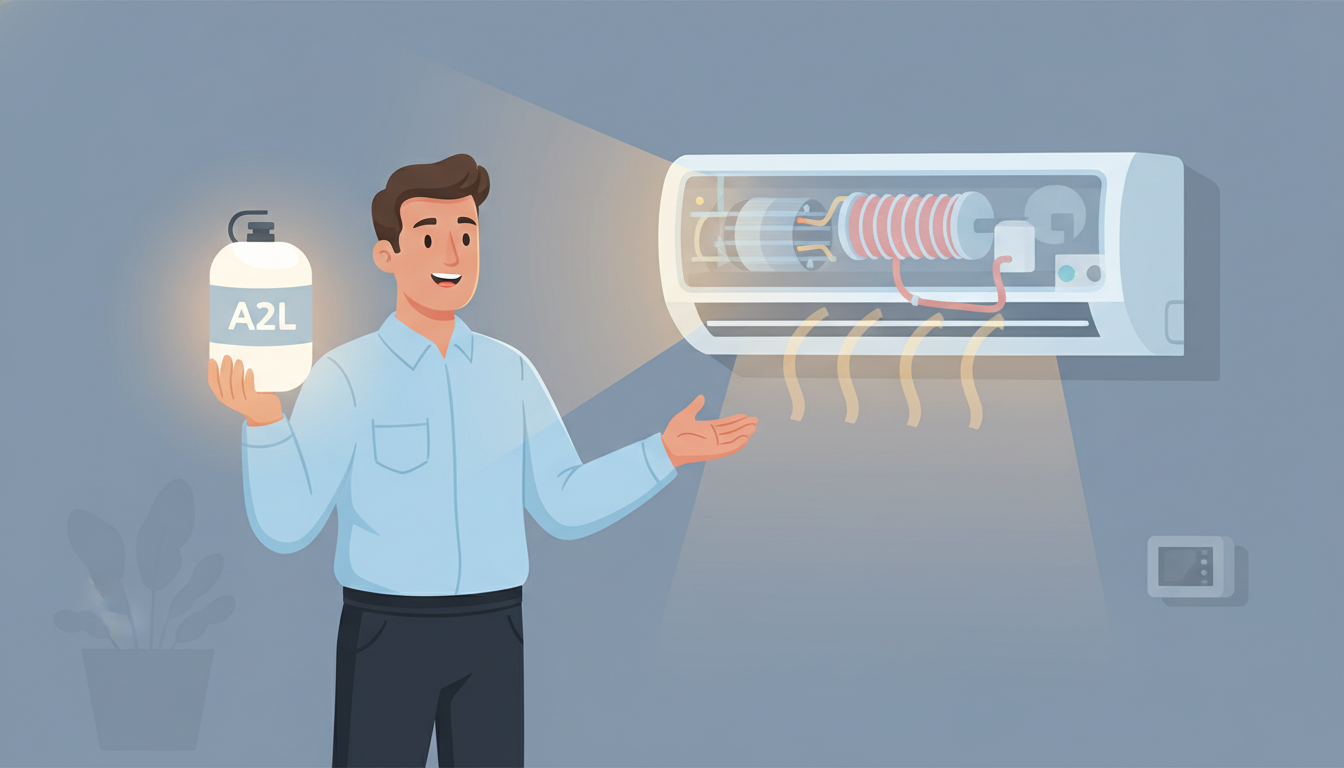
A2L refrigerants are a new generation of cooling chemicals used in air conditioners and heat pumps. The "A2L" designation comes from safety classification standards and tells us two important things:
- "A" means the refrigerant has low toxicity (safe to breathe in normal conditions)
- "2L" means it has mild flammability (much lower flammability than something like propane)
Think of A2L refrigerants as the "Goldilocks" solution. They're not too harmful to the environment like older refrigerants, not too flammable to be dangerous, and they still cool your home effectively.
The most common A2L refrigerants you'll hear about are R-32 and R-454B. These are replacing the current standard refrigerant, R-410A, which has been used in most home air conditioners for the past 20 years.
Why Is the Refrigerant Changing?
You might be thinking, "If R-410A works fine, why change it?" The answer comes down to climate change and environmental protection.
The Global Warming Problem
Every refrigerant has something called a Global Warming Potential (GWP). This measures how much a substance contributes to climate change if it escapes into the atmosphere. Here's how they compare:
- R-410A (current standard): GWP of 2,088
- R-32 (new A2L option): GWP of 675
- R-454B (another A2L option): GWP of 466
That's a reduction of 67-78% in global warming impact. When you multiply this across millions of air conditioners nationwide, it makes a significant difference.
EPA Regulations Driving the Change
The Environmental Protection Agency (EPA) didn't just suggest this change—they mandated it. Starting January 1, 2025, manufacturers can no longer produce new air conditioners and heat pumps using R-410A for residential use.
This follows international agreements like the Kigali Amendment, where countries worldwide committed to phasing out high-GWP refrigerants. The United States joined this effort to help slow climate change while maintaining effective cooling technology.
Do I Need to Replace My Current AC System?
This is the question we hear most often, and the answer is simple: No, you do not need to replace your existing system.
If your air conditioner currently uses R-410A and it's working properly, you can continue using it. There's no law requiring homeowners to replace functional systems. You can keep your current AC running for its entire lifespan, which is typically 15-20 years with proper maintenance.
What About Repairs and Refrigerant Availability?
Here's where it gets a bit more complicated. While you can keep your R-410A system, you need to consider:
R-410A will still be available for repairs—The EPA regulation only bans manufacturing new equipment with R-410A. Companies can still produce R-410A refrigerant for servicing existing systems. However, as fewer systems use it over time, the price may increase due to reduced demand.
Your system should rarely need refrigerant—A properly functioning air conditioner operates as a closed system. You shouldn't need to add refrigerant unless there's a leak. If your HVAC technician says you need frequent refrigerant top-ups, you likely have a leak that needs repair.
Plan for eventual replacement—If your AC is already 10-15 years old, it makes sense to start budgeting for an A2L system as your next replacement. But if you just installed a new R-410A system in 2024, you'll get many good years from it.
Are A2L Refrigerants Safe for Homes?
Safety is naturally a top concern when you hear "mildly flammable." Let's put this in perspective.
Understanding "Mildly Flammable"
A2L refrigerants have what's called a low burning velocity. This means they resist ignition and won't sustain a flame easily. They're far less flammable than common household items like:
- Natural gas (used in your furnace or stove)
- Propane (used in outdoor grills)
- Gasoline (in your car and lawn mower)
You already safely use more flammable substances in and around your home every day.
Built-In Safety Features
Modern HVAC systems using A2L refrigerants include multiple safety features:
- Refrigerant sensors that detect leaks
- Automatic shutoff valves that stop refrigerant flow if a leak is detected
- Improved ventilation in mechanical rooms
- Spark-proof electrical components near refrigerant lines
Manufacturers have spent years testing and engineering these systems to meet strict safety codes from ASHRAE (American Society of Heating, Refrigerating and Air-Conditioning Engineers) and other regulatory bodies.
What About Installation and Maintenance?
HVAC technicians must complete specialized training and certification to work with A2L refrigerants. This ensures they understand proper handling procedures, safety protocols, and installation requirements.
When you need service, ask your contractor if they're certified for A2L refrigerant work. Reputable HVAC companies have already trained their technicians in preparation for this transition.
A2L vs R-410A: What's the Difference?
Beyond the environmental benefits, you might wonder how A2L refrigerants compare to what you currently have.
Energy Efficiency
New A2L systems typically offer improved energy efficiency compared to older R-410A systems. This translates to:
- Lower monthly utility bills
- Reduced energy consumption
- Better temperature control
- Quieter operation
Keep in mind that efficiency improvements also come from updated compressor technology, variable-speed fans, and better system design—not just the refrigerant itself.
Performance in Extreme Temperatures
A2L refrigerants perform well in both heating and cooling modes. R-32, in particular, has shown excellent performance in heat pump applications, even in colder climates. This makes A2L refrigerants a good choice if you're considering a heat pump system.
Cost Considerations
This is where things get interesting. A2L systems currently cost slightly more than R-410A systems cost a few years ago, typically $200-$800 more for a residential installation. However, prices are dropping as production scales up and competition increases.
Factor in potential energy savings over the system's lifetime, and the total cost of ownership may actually be lower with an A2L system.
Can I Convert My R-410A System to A2L?
Unfortunately, no—you cannot convert an R-410A system to use A2L refrigerants. Here's why:
Different System Requirements
A2L refrigerants require specific equipment designed for their properties:
- Different compressor types and lubricants
- Specialized safety sensors and controls
- Modified refrigerant line sizes and materials
- Updated electrical components
Simply draining R-410A and adding A2L refrigerant would damage your system and create safety hazards. The two types aren't compatible.
When System Replacement Makes Sense
Consider replacing your R-410A system with a new A2L system if:
- Your current system is 12-15+ years old
- Repair costs exceed 50% of replacement cost
- You're experiencing frequent breakdowns
- Your energy bills have increased significantly
- You're planning a major home renovation
If your system is newer and working well, there's no rush. Continue with regular maintenance and enjoy the cooling while planning for an eventual upgrade.
What If My AC Breaks After 2025?
Let's talk about a common worry: "What happens if my AC breaks down in 2026 or 2027, and I can't afford a new A2L system?"
Repair Options Still Exist
Even after the manufacturing ban takes effect, you have options:
Repair with R-410A—As mentioned earlier, R-410A will remain available for servicing existing equipment. Your HVAC contractor can still repair your system using the appropriate refrigerant.
Used or refurbished equipment—If your system needs a major component replacement (like a compressor), refurbished R-410A parts will be available for years.
Flexible financing—Many HVAC companies offer payment plans, financing options, and seasonal promotions to make system replacement more affordable.
Understanding the Transition Timeline
The transition isn't a cliff where everything changes overnight:
- 2025: New equipment must use A2L refrigerants
- 2025-2030: Both R-410A and A2L systems in use, both refrigerants available
- 2030+: Gradually, A2L becomes the dominant standard
- Beyond: R-410A continues for legacy system maintenance
This gradual transition gives you time to plan and budget for an upgrade on your schedule.
How to Choose the Right A2L System
When you're ready to purchase a new system, here's what to consider:
Work with a Qualified Contractor
Choose an HVAC contractor who:
- Has A2L refrigerant certification
- Offers multiple equipment brands
- Provides detailed written estimates
- Includes warranty information
- Has positive customer reviews
Don't be afraid to ask questions about their experience with A2L installations. A knowledgeable contractor will be happy to explain the technology and address your concerns.
System Sizing Matters
Proper system sizing is critical for efficiency and comfort. Your contractor should perform a Manual J load calculation to determine the right size system for your home based on:
- Square footage
- Insulation levels
- Window types and locations
- Local climate
- Ductwork condition
Oversized or undersized systems waste energy and cause comfort problems, regardless of which refrigerant they use.
Consider Energy Efficiency Ratings
Look for systems with high SEER2 (Seasonal Energy Efficiency Ratio) ratings. Higher numbers mean better efficiency:
- Minimum standard: 14 SEER2
- Good efficiency: 16-18 SEER2
- Excellent efficiency: 20+ SEER2
Balance efficiency ratings with your budget and climate. In moderate climates, a mid-efficiency system might offer the best value. In hot climates with heavy AC use, investing in higher efficiency pays off faster.
Understand Your Warranty
New HVAC systems typically come with:
- 10-year parts warranty (sometimes longer)
- 1-5 year labor warranty (varies by contractor)
- Extended warranty options (often available for purchase)
Register your equipment with the manufacturer after installation to activate warranty coverage.
Maintaining Your HVAC System During the Transition
Whether you have an R-410A system or upgrade to A2L, proper maintenance extends system life and prevents problems.
Essential Maintenance Tasks
Change filters regularly—Replace your air filter every 1-3 months depending on usage, pets, and air quality. This simple task improves efficiency and indoor air quality. Learn more in our complete HVAC repair guide.
Schedule annual professional maintenance—Have a qualified technician inspect your system every year, preferably before cooling season. They'll check refrigerant levels, clean coils, test electrical connections, and catch small issues before they become expensive repairs.
Keep outdoor units clear—Remove leaves, grass clippings, and debris from around your outdoor condenser unit. Trim plants to maintain at least 2 feet of clearance on all sides for proper airflow.
Monitor for refrigerant leaks—If you notice ice forming on refrigerant lines, reduced cooling performance, or hissing sounds, you may have a leak. Addressing refrigerant leak symptoms quickly prevents compressor damage and reduces environmental impact.
Watch for coil corrosion—Corroded coils are a common cause of refrigerant loss. Learn how coil corrosion leads to refrigerant leaks and what you can do to prevent it.
When to Call a Professional
Don't delay calling an HVAC technician if you experience:
- No cooling or heating
- Strange noises (grinding, squealing, banging)
- Unusual odors
- Drastically increased energy bills
- Ice on refrigerant lines or coils
- Water leaks around indoor unit
Early intervention prevents minor issues from becoming major repairs.
Frequently Asked Questions About A2L Refrigerants
Is R-410A being banned completely?
No. The EPA is banning the manufacture of new residential air conditioners and heat pumps using R-410A starting January 1, 2025. Existing R-410A systems can continue operating, and R-410A refrigerant will still be produced for servicing these existing systems.
Will my homeowner's insurance change?
No. A2L refrigerants are approved for residential use and meet all safety standards. Your homeowner's insurance won't increase due to A2L refrigerants in your HVAC system. The technology has been thoroughly vetted for residential applications.
How long will R-410A refrigerant be available?
R-410A will remain available for servicing existing systems for many years—likely decades. Similar to how R-22 refrigerant is still available for older systems (despite being phased out in 2010), R-410A won't disappear overnight. However, prices may gradually increase as demand decreases over time.
Can I buy a portable AC or window unit with R-410A after 2025?
No. The manufacturing ban applies to all new residential air conditioning equipment, including portable and window units. However, stores can continue selling existing inventory, so you might find R-410A units for sale for a while after January 2025.
Are there any tax credits or rebates for A2L systems?
This varies by location and changes frequently. Check with your local utility company for rebate programs on high-efficiency HVAC systems. The federal government may offer tax credits for energy-efficient home improvements—consult a tax professional or visit the IRS website for current information.
The Bottom Line: What Homeowners Should Do Now
The transition to A2L refrigerants for homeowners doesn't require immediate action, but it does call for awareness and planning.
If You Have a Working R-410A System
Continue normal maintenance and enjoy your air conditioning. Budget for an eventual replacement but don't feel pressured to upgrade prematurely. A well-maintained R-410A system will serve you well for years to come.
If You Need a New System Soon
Now is a great time to purchase an A2L system. The technology is mature, multiple brands offer options at various price points, and you'll benefit from improved energy efficiency and environmental performance.
If You're Experiencing Issues
Contact a qualified HVAC contractor to assess whether repair or replacement makes more sense based on your system's age, condition, and repair costs. Make sure they're certified to work with both R-410A and A2L refrigerants so they can provide unbiased recommendations.
Ready to Learn More?
Understanding A2L refrigerants helps you make informed decisions about your home's cooling system. While the technical details can seem overwhelming, remember that manufacturers, contractors, and regulations all work together to ensure safe, efficient, and environmentally responsible cooling for your home.
If you're ready to explore your options for HVAC repair or replacement, reach out to a certified HVAC professional in your area. They can assess your specific situation and provide personalized recommendations based on your home, budget, and cooling needs.
The future of home cooling is here—and it's safer for both your home and our planet.