
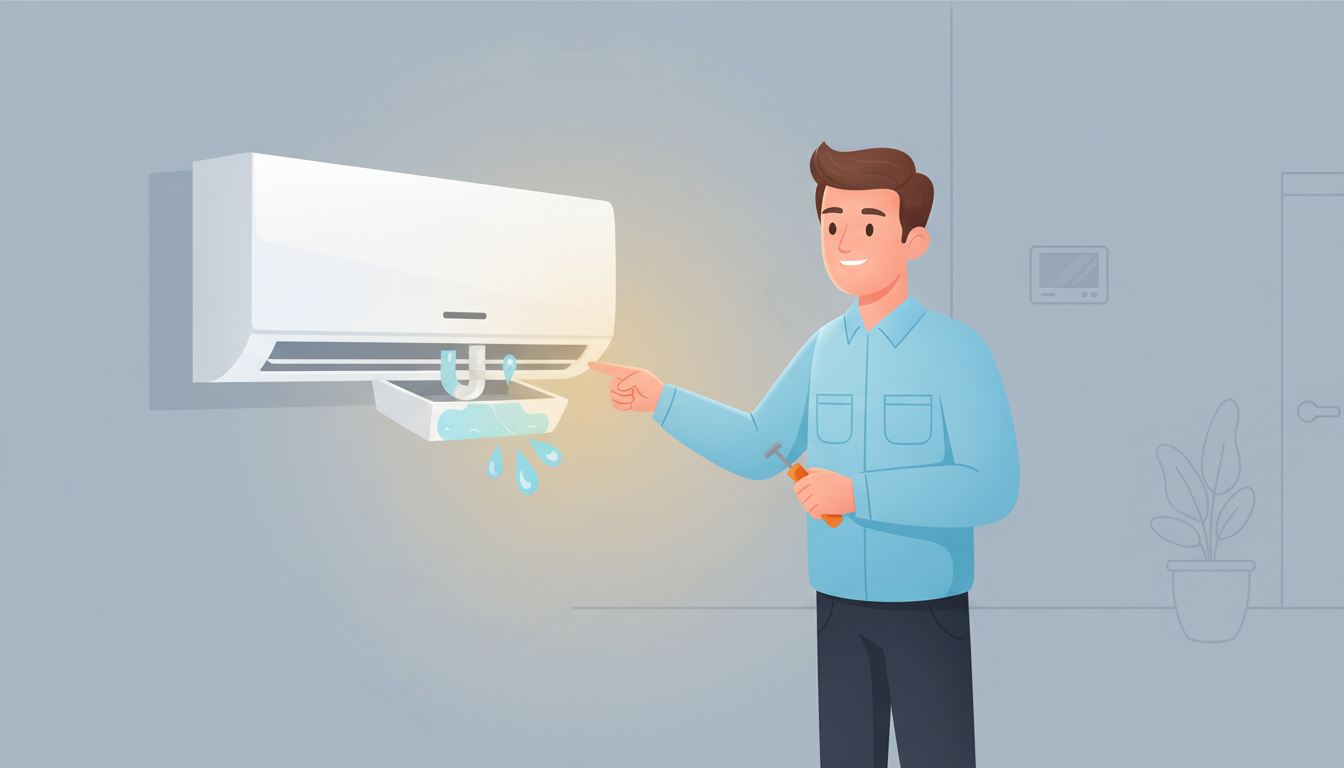
Why AC Condensate Problems Shouldn't Be Ignored
Why AC Condensate Problems Shouldn't Be Ignored
When your air conditioner is running smoothly on a hot day, the last thing you're thinking about is what's happening with the water it produces. But ignoring AC condensate problems can turn a simple $100 repair into thousands of dollars in water damage, mold remediation, and emergency HVAC replacements. Your AC system produces gallons of water every day, and when that drainage system fails, the consequences go far beyond a puddle on your floor.
What Are AC Condensate Problems?
Your air conditioning system doesn't just cool air—it removes moisture from it. As warm air passes over the cold evaporator coil, water vapor condenses into liquid, just like droplets forming on a cold glass of water. This condensation drips into a drain pan and flows out through the condensate drain line.
AC condensate problems occur when this drainage system gets interrupted. The drain line can clog with algae, mold, or debris. The drain pan can crack or overflow. The condensate pump might fail. When any part of this system breaks down, water has nowhere to go except into your home.
How Much Water Does Your AC Produce?
On a typical summer day, your central air conditioner can produce 5-20 gallons of condensate water. In humid climates, that number jumps even higher. That's a lot of water that needs proper drainage, and when it doesn't drain correctly, problems escalate quickly.
The Hidden Dangers of AC Condensate Problems
Many homeowners don't realize they have condensate drain problems until they see water damage. By then, the issue has often been building for weeks or months. Understanding what happens when you ignore these problems helps you recognize why quick action matters.
Water Damage to Your Home
When your AC drain line clogs or your drain pan overflows, that water needs to go somewhere. It seeps into ceilings, walls, floors, and insulation. A steady drip might seem minor, but over days and weeks, it saturates building materials.
Drywall becomes soft and crumbles. Wood framing can rot. Flooring warps and buckles. The water can travel through walls and appear in rooms far from your HVAC unit, making the source hard to identify.
Professional water damage restoration typically costs $2,500-$7,500. That's 25-75 times more expensive than a routine drain line cleaning that could have prevented the whole problem.
Mold Growth and Health Risks
Dark, damp areas around your HVAC system create perfect conditions for mold. When condensate water overflows, mold spores begin growing within 24-48 hours. The problem compounds because your HVAC system then circulates these mold spores throughout your entire home.
Mold exposure causes respiratory problems, allergic reactions, asthma attacks, and chronic sinus issues. Children, elderly family members, and anyone with compromised immune systems face the highest risks. Understanding proper HVAC maintenance helps prevent these health hazards before they start.
Mold remediation costs $500-$6,000 depending on how far it spreads. Professional mold removal requires special equipment, containment procedures, and often replacing contaminated materials.
HVAC System Damage
Excess condensate water doesn't just damage your home—it damages your AC system too. When water backs up, it can flood the evaporator coil area, corrode electrical components, and damage the blower motor.
Rust and corrosion weaken metal components. Circuit boards short out when exposed to moisture. Your system works harder and less efficiently, driving up energy bills. Eventually, critical components fail completely, potentially requiring a full system replacement instead of a simple repair.
A new evaporator coil costs $600-$2,000. A new air handler costs $1,500-$3,500. A complete AC replacement costs $3,500-$7,500 or more. Compare that to a $75-150 drain line cleaning service.
Higher Energy Bills
When your AC condensate system isn't working correctly, your entire cooling system becomes less efficient. A clogged drain line often indicates a dirty evaporator coil, which forces your system to run longer to achieve the same cooling.
Frozen coils caused by drainage issues make your AC work overtime. Poor humidity control from condensate problems means your home feels less comfortable at the same temperature, so you turn the thermostat down even further. These efficiency losses can increase your cooling costs by 20-40%.
Common Causes of AC Condensate Problems
Understanding why condensate problems happen helps you prevent them. Most issues develop gradually, giving you warning signs if you know what to watch for.
Clogged Condensate Drain Line
This is the most common condensate problem. Your drain line is a small pipe (usually 3/4 inch PVC) that carries water from the drain pan outside your home. Over time, algae, mold, slime, and debris accumulate inside this pipe.
The warm, dark, damp environment inside the drain line is perfect for biological growth. Even a small amount of buildup restricts water flow. Eventually, the pipe clogs completely and water backs up into the drain pan.
Dirty or Cracked Drain Pan
The drain pan sits under your evaporator coil and catches condensation as it drips. Older drain pans develop rust and corrosion that creates holes and cracks. Even small cracks let water escape into areas where it shouldn't go.
Drain pans also collect dust, debris, and biological growth. When the pan gets too dirty, it can't drain properly even if the drain line is clear. Proper central AC maintenance includes regular drain pan inspection and cleaning.
Failed Condensate Pump
If your air handler is in a basement or attic below the outdoor drainage point, you probably have a condensate pump. This small pump lifts water from the drain pan to a higher drainage point.
Condensate pumps have float switches that activate when water reaches a certain level. These switches can stick or fail. The pump motor itself can burn out. When the pump fails, water quickly overflows the reservoir.
Frozen Evaporator Coil
When your evaporator coil freezes, ice blocks proper condensation drainage. As the ice melts, it can overwhelm your drainage system with more water than it can handle, causing overflow.
Several issues cause frozen coils: dirty air filters restricting airflow, low refrigerant levels, or problems with the blower motor. A frozen coil is always a symptom of another problem that needs professional diagnosis.
Improper Installation
Sometimes condensate problems trace back to installation mistakes. The drain line needs proper slope—at least 1/4 inch per foot—so water flows by gravity. Lines installed without adequate slope allow water to pool and promote algae growth.
Missing P-traps can create air pressure issues that prevent proper drainage. Drain lines that are too long, have too many bends, or lack proper support can develop low spots where water pools and clogs form.
Warning Signs You Have AC Condensate Problems
Catching condensate problems early prevents major damage. Watch for these warning signs:
Water Around Your AC Unit: Puddles, wet spots, or moisture around your indoor air handler or furnace indicate water isn't draining properly. This is the most obvious sign you shouldn't ignore.
Musty Odors: Mold and mildew growing in your drain pan or around water leaks create distinctive musty smells. If your home smells musty when the AC runs, investigate immediately.
Higher Humidity Levels: When your AC isn't removing moisture effectively due to drainage problems, your home feels more humid even when the thermostat says it should be comfortable.
Water Stains on Ceilings or Walls: Brown or yellow stains near your HVAC system indicate water leaking behind surfaces. Don't wait for the stain to grow—address it immediately.
AC Shuts Off Unexpectedly: Many modern AC systems have float switches that shut off the unit when water rises too high in the drain pan. If your AC shuts off randomly, a full drain pan might be the cause.
Gurgling Sounds from Drain Line: Unusual sounds coming from your condensate drain line often indicate partial clogs or improper drainage.
How to Prevent AC Condensate Problems
Prevention is always cheaper and easier than repairs. These proactive steps keep your condensate drainage system working correctly:
Regular Drain Line Cleaning
Schedule professional drain line cleaning at least once a year, preferably before cooling season starts. HVAC technicians use wet/dry vacuums or compressed air to clear clogs before they cause problems.
Between professional cleanings, you can pour a cup of diluted vinegar (50% vinegar, 50% water) down the drain line every 2-3 months. The vinegar helps prevent algae and mold growth without damaging your system.
Change Air Filters Regularly
Dirty air filters restrict airflow over the evaporator coil, which can cause freezing and drainage issues. Replace standard filters every 30-90 days depending on your home environment. Understanding when AC leaks occur in humid weather helps you time maintenance appropriately.
High-efficiency filters may need monthly changes. Homes with pets, smokers, or high dust should change filters more frequently.
Schedule Annual HVAC Maintenance
Professional maintenance includes condensate system inspection and cleaning. Technicians check the drain pan for cracks, verify proper drain line slope, test condensate pumps, and ensure the float switch works correctly.
Annual maintenance costs $80-150 but prevents problems that cost hundreds or thousands to repair. Most HVAC companies offer maintenance plans that include priority service and discounts on repairs.
Install a Drain Line Safety Switch
A safety switch attaches to your condensate drain line and shuts off your AC if water backs up. This inexpensive device ($30-60 installed) prevents overflow damage when you're away from home or sleeping.
The switch detects rising water levels and cuts power to your AC before the drain pan overflows. While it doesn't fix the clog, it prevents water damage while you arrange for repairs.
Keep the Area Around Your AC Clean
Dust, pet hair, and debris near your air handler can get sucked into the system and contribute to drain line clogs. Keep the area clean and maintain proper clearance around your indoor unit.
DIY vs. Professional Repairs: What You Need to Know
Some condensate problems you can handle yourself. Others require professional expertise and equipment.
Safe DIY Tasks
You can safely pour vinegar down your drain line, change air filters, and inspect the visible drain pan for obvious problems. Many homeowners successfully clear minor clogs using a wet/dry vacuum on the outdoor drain line opening.
Cleaning the drain line access point and adding algae prevention tablets designed for condensate lines are simple maintenance tasks most people can handle.
When to Call a Professional
Call an HVAC technician for stubborn clogs that don't respond to simple cleaning, any signs of mold growth in the drain pan or around the air handler, water damage that requires investigating the source, frozen evaporator coils, failed condensate pumps, or cracked drain pans that need replacement.
Professionals have specialized tools like drain line cameras to find clogs, industrial wet/dry vacuums with enough power to clear stubborn blockages, proper equipment to safely work with electrical components near water, and expertise to identify underlying problems causing drainage issues.
Attempting complex repairs without proper knowledge risks damaging your system further, voiding manufacturer warranties, electrical shock hazards, or missing underlying problems that will cause the same issue to recur.
The Cost of Ignoring AC Condensate Problems
Understanding the financial impact of ignoring condensate problems puts prevention costs in perspective.
Minor Issues (Caught Early):
- Drain line cleaning: $75-150
- Drain pan treatment: $30-80
- New air filter: $10-40
Moderate Problems (Ignored for Weeks):
- Condensate pump replacement: $150-400
- Drain pan replacement: $200-500
- Mold remediation (small area): $500-1,500
Major Problems (Ignored for Months):
- Water damage restoration: $2,500-7,500
- Extensive mold remediation: $2,000-6,000
- Evaporator coil replacement: $600-2,000
- Full AC system replacement: $3,500-12,000
The pattern is clear: a $100 maintenance call prevents $5,000+ in damage. Ignoring small problems doesn't make them go away—it makes them exponentially more expensive.
What to Do If You Discover AC Condensate Problems
If you notice signs of condensate problems, take action immediately:
- Turn off your AC to prevent additional water damage
- Clean up any standing water to prevent immediate mold growth
- Call an HVAC professional for diagnosis and repair
- Document the damage with photos if you need to file an insurance claim
- Address water damage quickly to prevent mold and structural issues
Don't restart your AC until a technician identifies and fixes the problem. Running your system with drainage issues causes more damage every hour it operates.
Frequently Asked Questions
How often should I clean my AC condensate drain line?
Clean your condensate drain line at least once per year before cooling season begins. In humid climates or if you run your AC heavily, increase cleaning to twice per year. Monthly vinegar treatments between professional cleanings help prevent buildup.
Can a clogged condensate drain damage my AC?
Yes. A clogged drain causes water to back up and can damage electrical components, corrode metal parts, cause coil freezing, and eventually lead to system shutdown. The excess moisture also promotes rust and mold growth that degrades your entire system.
Why does my AC condensate drain keep clogging?
Recurring clogs usually indicate an underlying issue: improper drain line slope that lets water pool, lack of a P-trap creating negative pressure, excessive biological growth from lack of preventive treatment, or a drain line that's too long or has too many turns. A professional can identify and correct the root cause.
Is it normal for my AC to produce a lot of water?
Yes. Your AC produces 5-20 gallons of water per day depending on system size, climate, and humidity levels. This is completely normal. What's not normal is seeing that water anywhere except flowing out through the outdoor drain line.
Can I use bleach to clean my AC condensate drain?
While some sources recommend bleach, it can corrode metal components and damage your drain pan. Diluted vinegar (50% vinegar, 50% water) or products specifically designed for condensate line treatment are safer choices that effectively prevent biological growth without risking system damage.
Conclusion: Don't Wait Until It's Too Late
AC condensate problems start small but grow into expensive disasters when ignored. That small puddle under your air handler, that musty smell when your AC runs, or that occasional water stain on your ceiling are all early warnings that demand immediate attention.
The cost difference between prevention and repair speaks for itself. A $100 maintenance visit prevents thousands in water damage, mold remediation, and AC repairs. Your comfort, your health, and your home's structural integrity all depend on a properly functioning condensate drainage system.
Don't wait for a problem to become an emergency. Schedule your AC maintenance today, and make condensate system inspection a priority. Your future self—and your wallet—will thank you for acting now instead of paying for it later.