
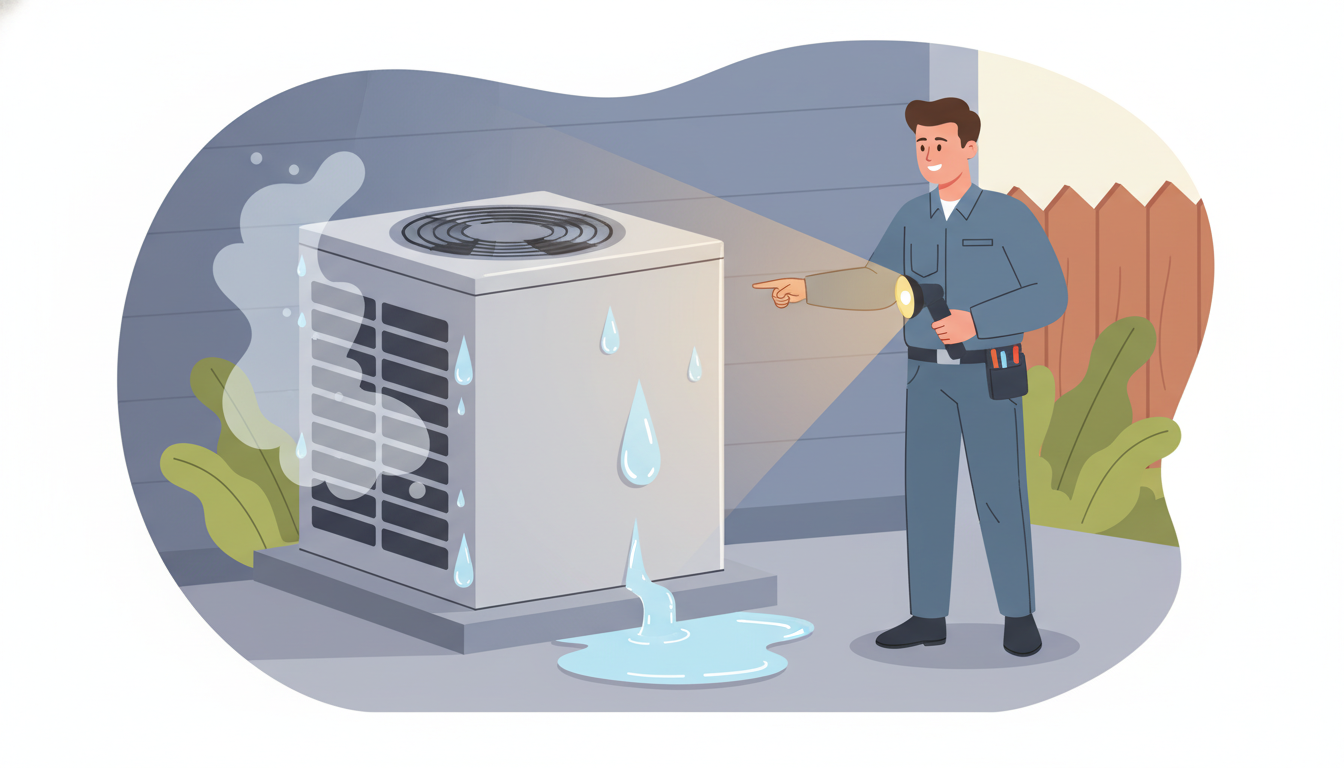
Why Does My AC Leak More During Humid Weather?
Why Does My AC Leak More During Humid Weather?
If you've noticed puddles forming around your air conditioner when the weather gets sticky and humid, you're not alone. Many homeowners experience increased AC leaking during humid conditions, and it's more than just a coincidence. Understanding why your AC leaks more during humid weather can help you prevent water damage and keep your cooling system running efficiently all summer long.
The Science Behind AC Leaks and Humidity
Your air conditioner doesn't just cool your home—it also acts as a powerful dehumidifier. When humid air passes over the cold evaporator coils inside your AC unit, moisture in the air condenses into water droplets. This is the same process that causes water to form on the outside of a cold glass on a hot day.
During humid weather, the air contains significantly more moisture. When humidity levels soar, your AC has to work much harder to remove all that extra moisture from the air. This means your system produces dramatically more condensation than it would on a dry day.
The water that forms on your evaporator coils should drain away through your condensate drain line into a drain pan, then exit your home safely. But when humidity spikes, the sheer volume of water can overwhelm your drainage system—and that's when leaks start to appear.
Why Humidity Creates the Perfect Storm for AC Leaks
Increased Condensation Production
The higher the humidity level, the more water vapor exists in the air. Your evaporator coil can only handle so much moisture at once. On a typical day with moderate humidity, your AC might produce a gallon or two of condensate. But during extremely humid weather, that number can double or even triple.
This sudden surge in condensation puts enormous stress on every component of your drainage system. If any part of that system has even a minor issue—a partial clog, a slightly tilted drain pan, or a sluggish condensate pump—humid weather will expose that weakness immediately.
Overwhelmed Drainage Systems
Your condensate drain line was designed to handle normal moisture loads. During periods of high humidity, the drain line may struggle to move water away fast enough. This is especially true if:
- Your drain line has a long horizontal run (water drains slower)
- The line has bends or dips that trap water
- Algae or biofilm has started growing inside the pipe
- Your system is older and the drain line diameter is too small for modern AC capacity
When water can't drain quickly enough, it backs up into the drain pan. If the pan fills faster than it can empty, water spills over the edges and onto your floor, ceiling, or walls.
Continuous Runtime Prevents Drain Pan Drying
On humid days, your AC runs almost constantly trying to remove moisture from the air. This means the drain pan never gets a chance to dry out between cycles. Constant moisture creates an ideal environment for mold, algae, and bacteria growth—which can quickly clog your drain line and make the problem worse.
Common Causes of Humidity-Related AC Leaks
Clogged Condensate Drain Line
This is the number one culprit behind AC leaks during humid weather. Your condensate drain line is a magnet for algae, mold, slime, and debris. During humid conditions when moisture flow increases, even a partial clog can cause major backup problems.
The warm, dark, moist environment inside your drain line is perfect for biological growth. Over time, this growth narrows the pipe opening, reducing water flow. When humidity spikes and condensation production surges, the restricted drain line simply can't keep up.
Warning signs of a clogged drain line:
- Water pooling around your indoor air handler
- Musty odors near your AC unit
- AC shutting off unexpectedly (many systems have overflow switches)
- Visible water dripping from ceiling vents or air handler cabinet
If you're experiencing AC condensate problems, addressing drainage issues should be your first priority.
Overflowing Drain Pan
Your drain pan sits beneath the evaporator coil to catch condensation. During humid weather, the pan can fill up faster than the drain line can empty it—especially if the drain line has any restrictions.
Additionally, drain pans don't last forever. Older pans can develop rust, cracks, or holes that allow water to leak out before it reaches the drain line. Metal pans are particularly susceptible to corrosion from constant moisture exposure.
Check your drain pan for:
- Rust spots or corrosion
- Visible cracks or holes
- Standing water that isn't draining
- Improper slope (should tilt slightly toward the drain outlet)
Frozen Evaporator Coil
When your evaporator coil freezes, it stops removing moisture from the air effectively. When the ice eventually melts (often when the AC turns off), it can release a large volume of water all at once—more than your drain system can handle.
Frozen coils are more common during humid weather because:
- Dirty air filters restrict airflow, causing coils to get too cold
- Low refrigerant levels reduce system pressure and temperature
- The AC runs continuously, preventing defrost cycles
When the coil thaws, you might see a sudden rush of water leaking from your air handler or vents.
Improperly Sized AC System
If your air conditioner is too large for your home, it will cool the space quickly but won't run long enough to adequately remove humidity. This is called "short cycling."
Short cycling creates two problems:
- Indoor humidity stays high because the AC shuts off before dehumidifying properly
- When the system does run, it produces intense bursts of condensation that can overwhelm drainage components
Conversely, an undersized system will run constantly during humid weather, producing non-stop condensation that taxes your drain line's capacity.
For guidance on proper AC sizing and repair needs, check out our comprehensive HVAC repair guide.
Dirty Air Filter
A clogged air filter restricts airflow over the evaporator coil, which can lead to two humidity-related problems:
- Reduced dehumidification: Less air moving means less moisture removal, so your home stays more humid
- Coil freezing: Restricted airflow causes the coil temperature to drop below freezing, leading to ice buildup and eventual flooding when it melts
During humid weather when your AC works overtime, air filters get dirty faster. What might normally be a 30-day filter could need replacement in just 2-3 weeks during peak humidity season.
How Indoor and Outdoor Humidity Affect Your AC Differently
High Outdoor Humidity
When outdoor humidity is high, your AC pulls in moisture-laden air (if you have fresh air intake) or battles heat and humidity infiltrating through walls, windows, and doors. The system works harder to cool and dehumidify, producing more condensation.
This is why coastal areas, tropical climates, and regions with monsoon seasons see more AC leaking problems during certain times of year.
High Indoor Humidity
Indoor humidity can remain high even when your AC is running if:
- Your home has poor ventilation
- You're generating moisture from cooking, showering, or indoor plants
- Your AC is short-cycling
- You have ductwork leaks that introduce humid attic air
High indoor humidity means your evaporator coil faces a constant barrage of moisture to remove, keeping condensation production elevated around the clock.
Preventing AC Leaks During Humid Weather
Regular Drain Line Maintenance
The single most effective way to prevent humidity-related AC leaks is keeping your condensate drain line clear. Here's what you should do:
Monthly: Pour a cup of white vinegar down the drain line to kill algae and bacteria Quarterly: Use a wet/dry vacuum to suction out debris from the drain line opening Annually: Have a professional flush the entire drain line with specialized cleaning solutions
Many homeowners overlook drain line maintenance until they have a problem. Being proactive saves you from water damage and emergency repair bills.
Install a Secondary Drain Line
Building codes in many humid climates require a secondary (backup) drain line. This safety drain takes over if the primary line gets clogged. It typically drains to a visible location—like above a window or near your outdoor unit—so you'll notice immediately if it starts flowing.
If your system doesn't have a secondary drain, ask your HVAC technician about adding one. It's an inexpensive upgrade that provides valuable protection.
Add an Overflow Safety Switch
An overflow safety switch detects when water levels in the drain pan get too high and automatically shuts off your AC before water can spill over. This protects your home from water damage.
The AC won't restart until the drain line is cleared and water levels drop. While this means temporary loss of cooling, it's far better than dealing with ceiling damage, mold growth, or ruined flooring.
Use a Condensate Pump
If your air handler is located in a basement or crawlspace where gravity drainage isn't possible, a condensate pump is essential. This small pump actively moves water up and out of your home.
During humid weather, condensate pumps work overtime. Make sure yours is:
- Properly sized for your AC's condensation output
- Kept clean and free of debris
- Equipped with a backup pump or alarm for redundancy
Maintain Your Air Filter
Change or clean your air filter every 30-60 days during normal conditions, and every 2-3 weeks during peak humidity season. This simple step prevents numerous humidity-related problems:
- Maintains proper airflow over evaporator coil
- Prevents coil freezing
- Ensures maximum dehumidification efficiency
- Reduces strain on your entire system
Set a calendar reminder so you don't forget. The few dollars spent on filters saves hundreds in repair costs.
Schedule Professional Maintenance
Before humid weather arrives, schedule a professional AC tune-up. A qualified technician will:
- Clean your evaporator coil thoroughly
- Flush and sanitize drain lines
- Check refrigerant levels
- Inspect drain pan for damage
- Test condensate pump operation
- Measure airflow and make adjustments
This preventive maintenance catches small issues before they become big problems during the high-demand humid season.
For central AC systems, our central AC repair guide covers essential maintenance and troubleshooting steps.
Consider a Whole-Home Dehumidifier
If you live in a consistently humid climate, a whole-home dehumidifier installed in your ductwork can dramatically reduce the moisture load on your AC system. By removing humidity before air reaches the evaporator coil, you'll see:
- Less condensation production
- Lower risk of drain overflow
- Better indoor comfort
- Reduced AC runtime (lower energy bills)
- Less strain on cooling components
Whole-home dehumidifiers are particularly beneficial in basements, coastal homes, and regions with year-round humidity concerns.
When to Call a Professional
Some AC leak problems can be handled with DIY maintenance, but others require professional expertise. Call an HVAC technician if:
- Water leaks persist after cleaning the drain line
- You see ice forming on refrigerant lines or evaporator coil
- Your AC makes gurgling or bubbling sounds
- Water appears suddenly in large volumes
- You notice musty odors or mold growth
- The drain pan is cracked, rusted, or damaged
- Your AC short-cycles frequently
- Humidity levels remain high even when AC runs constantly
Don't ignore ongoing leaks, even small ones. Water damage spreads quickly, and moisture promotes mold growth that can affect your family's health. What starts as a minor drip can turn into thousands of dollars in repairs if left unaddressed.
Understanding Your AC's Dehumidification Capacity
Modern air conditioners are rated not just for cooling capacity (measured in BTUs or tons) but also for moisture removal capacity (measured in pints per hour). During humid weather, you need an AC that can handle both the heat load AND the moisture load.
If your AC struggles during humid weather, it might not have sufficient dehumidification capacity for your climate. Variable-speed and two-stage AC systems generally dehumidify better than single-stage units because they can run at lower speeds for longer periods, removing more moisture without overcooling your home.
The Connection Between AC Leaks and Indoor Air Quality
When your AC leaks during humid weather, the water doesn't just disappear. It creates conditions for:
- Mold growth: Mold spores thrive in damp conditions and can spread through your ductwork
- Musty odors: Standing water in drain pans produces unpleasant smells
- Dust mite proliferation: These allergens multiply rapidly in humid environments
- Reduced air quality: Biological growth in drain lines can release particles into your air stream
Addressing humidity-related AC leaks isn't just about preventing property damage—it's about protecting your indoor air quality and your family's health.
Seasonal Patterns: When to Expect More AC Leaks
AC leaks due to humidity follow predictable seasonal patterns:
Spring: As temperatures rise and humidity increases, your AC system faces its first real test after months of inactivity. Drain lines that developed algae growth over winter may clog when condensation production ramps up.
Summer: Peak humidity season brings the highest risk of AC leaks. Your system runs constantly, producing maximum condensation while dealing with accumulated debris in drain lines.
Fall: As humidity drops, leak problems typically decrease. This is the ideal time to perform maintenance before next year's humid season.
Winter: In humid climates where AC runs year-round, drain line problems can persist. In colder regions, drain lines may develop ice blockages if located in unconditioned spaces.
FAQ: AC Leaks and Humid Weather
Is it normal for my AC to leak more water when it's humid?
Yes, increased condensation during humid weather is completely normal. Your AC removes moisture from the air, and humid air contains more moisture. However, the water should drain away properly—not leak onto your floor or ceiling. If you see visible leaks, you have a drainage problem that needs attention.
How much water should my AC produce during humid weather?
A typical residential AC produces 5-20 gallons of condensate per day, depending on system size, runtime, and humidity levels. During extremely humid weather, production can increase significantly. All of this water should drain away through your condensate system without any visible leaking.
Can I just let my AC leak during humid weather?
Absolutely not. Even small leaks can cause serious problems:
- Water damage to ceilings, walls, and floors
- Mold and mildew growth
- Structural damage to your home
- Damage to your AC system components
- Higher energy bills from inefficient operation
Address leaks promptly to avoid costly repairs.
Why does my AC only leak on the humid days?
Humid weather exposes weaknesses in your drainage system. A partially clogged drain line or undersized drain pan might handle normal condensation loads just fine, but fail when humidity spikes and condensation production increases. The problem was always there—humid weather just makes it obvious.
How can I tell if my drain line is clogged?
Common signs include:
- Water pooling around the indoor unit
- AC shutting off unexpectedly
- Gurgling sounds from drain line
- Musty odors
- Visible water backing up in the drain pan
- Reduced cooling efficiency
You can also check the drain line outlet (usually outside near your outdoor unit) to see if water is flowing when the AC runs.
Take Action Before the Next Humid Day
Don't wait until you're dealing with water damage to address your AC's drainage system. Humid weather is predictable—and so are the AC problems that come with it. By maintaining your condensate drain line, changing air filters regularly, and scheduling professional maintenance, you can keep your AC running smoothly no matter how humid it gets.
If you're currently experiencing AC leaks or want to prevent problems before humid weather arrives, contact a qualified HVAC professional to inspect your system. A small investment in maintenance today can save you from expensive emergency repairs and water damage down the road.
Remember: Your air conditioner works hardest during humid weather. Give it the maintenance and attention it needs to handle the extra load, and it will keep you cool and comfortable all season long.