AC Fan Motor Repair vs Replacement: What to Know
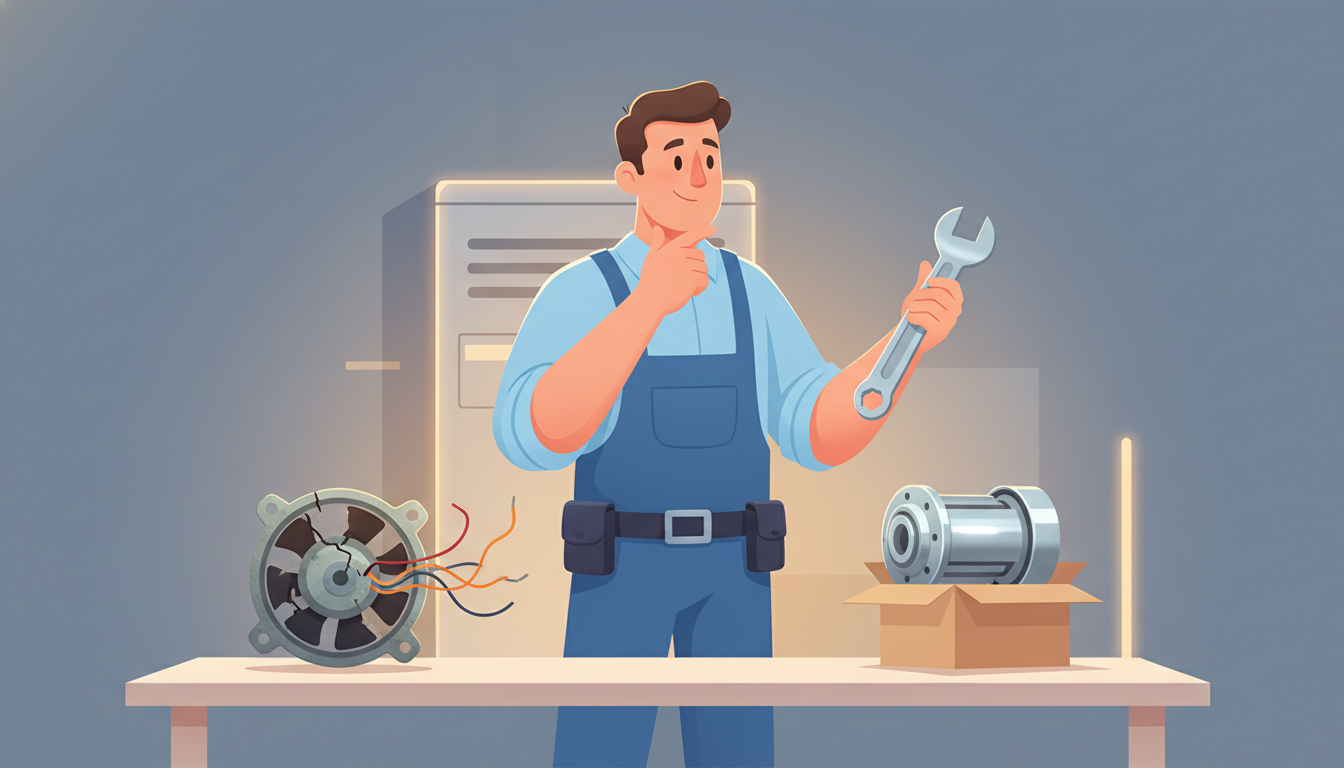
AC Fan Motor Repair vs Replacement: What to Know
Your AC stopped working on the hottest day of summer. You head outside to check the outdoor unit, and that's when you notice it—the fan isn't spinning. Before you panic about replacing your entire system, you need to understand whether your AC fan motor needs a simple repair or a full replacement. This decision could save you hundreds of dollars and extend your system's life.
Understanding Your AC Fan Motor and Why It Matters
Your air conditioning system relies on two critical fan motors to keep your home cool. The condenser fan motor sits in your outdoor unit and pulls air across the condenser coils to release heat outside. The blower motor lives inside your indoor unit and pushes cooled air through your ductwork into your home.
When either motor fails, your entire cooling system stops working efficiently. The condenser can't release heat, and your compressor may overheat. Understanding which motor is failing and whether to repair or replace it is crucial for making a cost-effective decision.
Warning Signs Your AC Fan Motor Is Failing
Catching motor problems early can help you avoid more expensive repairs down the road. Here are the telltale signs that your AC fan motor needs attention:
The Fan Won't Start or Spins Slowly
If you turn on your AC and the outdoor fan doesn't start spinning, or it takes several minutes to get going, your motor is struggling. Sometimes the fan will spin if you give it a gentle push with a stick—this indicates the motor still has some life but needs help getting started.
Strange Noises Coming From Your Unit
Listen for grinding, squealing, or rattling sounds from your outdoor unit. These noises typically mean the motor bearings are wearing out or internal components are loose. A humming sound without the fan spinning often indicates the motor is stuck or seized.
Burning Smell or Overheating
If you smell something burning or notice excessive heat coming from your AC unit, shut it off immediately. This could indicate burnt motor windings or electrical problems that pose a fire risk.
Higher Energy Bills Without Explanation
A struggling motor works harder and draws more electricity to maintain operation. If your energy bills suddenly spike without changes in usage, your fan motor might be the culprit.
Inconsistent Cooling Throughout Your Home
When your blower motor starts failing, you'll notice some rooms cool better than others, or the airflow from your vents becomes weak and inconsistent.
AC Fan Motor Repair vs Replacement: The Decision Framework
Making the right choice between repair and replacement isn't just about the immediate cost. You need to consider several factors that affect both short-term expenses and long-term value.
When AC Fan Motor Repair Makes Sense
Repairing your fan motor is typically the best option in these situations:
Your AC System Is Less Than 10 Years Old
If your air conditioner is relatively new and has been well-maintained, repairing the motor makes financial sense. The rest of your system still has plenty of life left, and you'll get years of use from the repair.
The Motor Problem Is Minor
Sometimes the motor itself is fine, but a related component has failed. A faulty capacitor, which helps the motor start and run, costs only $150-$300 to replace. Similarly, worn bearings can sometimes be lubricated or replaced without changing the entire motor.
Your System Is Still Under Warranty
Check your warranty documentation before paying for repairs. Many AC systems come with 5-10 year parts warranties that cover motor replacement. You might only pay for labor, making repair the obvious choice. If you need guidance on HVAC repairs covered by warranties, check out our comprehensive HVAC repair guide.
The Repair Cost Is Less Than $400
As a general rule, if the repair costs less than one-third of a full motor replacement, go with the repair. This gives you more cooling time while you budget for eventual replacement.
When AC Fan Motor Replacement Is the Better Choice
Replacement becomes the smarter investment in these scenarios:
Your Motor Is Over 10-15 Years Old
AC fan motors typically last 10-15 years with proper maintenance. An older motor that's failed once will likely fail again soon. Replacing it now prevents repeated service calls and ensures reliability.
You've Had Multiple Repairs Recently
If you've already repaired your motor once or twice, or if other AC components keep failing, you're throwing good money after bad. The cumulative cost of repairs often exceeds replacement, especially when you factor in multiple service call fees.
The Motor Has Severe Damage
Seized bearings, burnt windings, or significant physical damage mean the motor is beyond economical repair. These conditions require complete motor replacement—there's no halfway fix.
Energy Efficiency Is Important to You
Newer motors, especially variable-speed ECM (electronically commutated motor) models, use 20-30% less electricity than older single-speed motors. The energy savings can offset the replacement cost over time. If you're concerned about system efficiency issues, our article on AC compressor overheating explains how motor problems affect your entire system.
Your Entire AC System Is Aging
If your air conditioner is 12-15 years old, replacing just the motor might not be wise. Consider whether investing $500-800 in a motor for a system that might need full replacement in 2-3 years makes sense. Sometimes the better decision is replacing the entire outdoor unit.
Understanding AC Fan Motor Replacement Cost
Cost is obviously a major factor in your decision. Here's what you need to know about the financial side of motor replacement.
Professional AC Motor Replacement Costs
Expect to pay $250-$800 for professional motor replacement, depending on several factors:
Motor Type and Quality
- Basic single-speed motor: $100-$250 (parts only)
- High-efficiency variable-speed motor: $300-$600 (parts only)
- OEM (original equipment manufacturer) vs. aftermarket affects price and warranty
Labor and Service Costs
- Standard labor: $150-$400
- Emergency or after-hours service: Add $100-$200
- Accessibility issues (rooftop units, tight spaces): Add $50-$150
Geographic Location Labor rates vary significantly by region. Urban areas with higher costs of living typically charge more for HVAC services.
DIY vs. Professional Replacement
Some homeowners consider DIY motor replacement to save money. A DIY replacement might cost $150-$450 in parts and tools, but consider these important factors:
Risks of DIY Replacement:
- High-voltage electrical work (240V) poses serious injury risk
- Incorrect installation can damage other AC components
- Voided warranties if not performed by licensed technicians
- Potential permit and code violations in some areas
- No guarantee if something goes wrong
When to Call a Professional: Most homeowners should hire a licensed HVAC technician for motor replacement. The safety risks, warranty implications, and complexity make professional service worthwhile. For central AC systems specifically, read our central AC repair guide to understand when professional help is essential.
Common Causes of AC Fan Motor Failure
Understanding why motors fail helps you prevent future problems and make better repair-or-replace decisions.
Normal Wear and Tear
Like any mechanical device, AC fan motors have a finite lifespan. Bearings wear out, lubrication degrades, and internal components deteriorate over 10-15 years of constant use.
Lack of Maintenance
Dirty air filters force your blower motor to work harder, shortening its life. Similarly, debris accumulation around your outdoor unit restricts airflow and causes the condenser fan motor to overheat.
Electrical Issues
Power surges, voltage fluctuations, and faulty capacitors stress motor windings. Over time, these electrical problems cause permanent damage that requires motor replacement.
Environmental Factors
Outdoor condenser fan motors face harsh conditions—extreme heat, cold, rain, and debris. Units in coastal areas deal with salt corrosion. These environmental stressors accelerate motor deterioration.
Overheating and Poor Ventilation
When your AC's refrigerant level drops or airflow becomes restricted, motors work harder and run hotter than designed. This overheating significantly reduces motor lifespan.
How to Extend Your AC Fan Motor Lifespan
Preventive maintenance dramatically extends motor life and helps you avoid unexpected failures.
Change Air Filters Regularly
Replace your air filters every 1-3 months depending on usage and conditions. Clean filters reduce strain on your blower motor and improve overall system efficiency.
Keep Your Outdoor Unit Clean
Remove leaves, grass clippings, and debris from around your condenser unit. Maintain at least 2 feet of clearance on all sides. Gently clean the condenser fins annually to ensure proper airflow.
Schedule Professional Maintenance Annually
A yearly tune-up allows HVAC technicians to spot motor problems before they cause failures. Technicians lubricate bearings, check electrical connections, test capacitors, and verify proper operation.
Don't Ignore Strange Sounds
If your AC starts making unusual noises, call for service immediately. Early intervention can turn a $200 repair into a prevented $800 replacement.
Consider Surge Protection
Installing a whole-home surge protector or a dedicated AC surge protector shields your motors from electrical damage that shortens their lifespan.
Should You Replace Your Entire AC System Instead?
Sometimes the smartest financial decision isn't repairing or replacing just the motor—it's replacing your entire air conditioning system.
The 50% Rule for AC Repairs
Many HVAC professionals recommend the 50% rule: If your repair costs more than 50% of a new system's price, and your AC is past the halfway point of its expected lifespan, replace the whole system.
For example, if your AC is 10 years old (expected life: 15-20 years) and motor replacement costs $800 while a new system costs $3,500, you're at the borderline. Factor in:
- Energy efficiency improvements with newer systems
- Warranty coverage on new equipment (typically 10 years parts, 1-5 years labor)
- Likelihood of other component failures in your aging system
- Potential rebates and tax credits for high-efficiency systems
Signs You Should Replace Your Entire AC
Consider full system replacement if:
- Your AC is 15+ years old regardless of the repair needed
- You've spent more than $500 on repairs in the past 2 years
- Your system uses R-22 refrigerant (being phased out, expensive to recharge)
- Your energy bills have steadily increased despite proper maintenance
- New systems would qualify for utility rebates or tax credits
What to Expect During Professional Motor Replacement
Understanding the replacement process helps you know what's normal and ensures your technician does thorough work.
Step 1: Diagnosis and Confirmation
A qualified technician will test your motor with a multimeter to confirm it's failed. They'll also check the capacitor, check for voltage issues, and ensure the problem isn't something else.
Step 2: Power Disconnect and Safety
The technician will shut off power to your AC at the breaker and disconnect box. This critical safety step prevents electrical shock during the repair.
Step 3: Motor Removal
After removing the fan blade, the old motor is unbolted from its mount. Electrical connections are photographed (for reference) and carefully disconnected.
Step 4: New Motor Installation
The replacement motor is mounted, properly secured, and all electrical connections are made according to the wiring diagram. The technician ensures the motor is level and stable.
Step 5: Testing and Verification
Power is restored, and the technician tests the motor under actual operating conditions. They verify proper rotation direction, check amp draw, listen for unusual sounds, and confirm adequate airflow.
Step 6: Final Inspection
A thorough technician will check your capacitor (often replaced preventively during motor replacement), verify all electrical connections are secure, and test your entire system's operation.
Frequently Asked Questions About AC Fan Motor Repair and Replacement
How long does an AC fan motor last?
Most AC fan motors last 10-15 years with proper maintenance. Factors like climate, usage frequency, maintenance quality, and environmental conditions affect lifespan. Regular tune-ups can help motors reach the upper end of this range.
Can I replace just the capacitor instead of the motor?
Sometimes, yes. If your motor won't start but still runs when manually started, the capacitor is likely the problem. Capacitor replacement costs $150-$300 and takes less than an hour. Have a technician test both components to confirm the diagnosis.
How do I know if my blower motor or condenser fan motor failed?
The blower motor is inside your home's air handler—if it fails, you'll have weak or no airflow from vents. The condenser fan motor is in your outdoor unit—if it fails, the outdoor fan won't spin but you'll still hear the compressor running. Different motors, different symptoms.
Will my homeowner's insurance cover AC motor replacement?
Standard homeowner's insurance typically doesn't cover normal wear and tear or maintenance-related repairs. However, if your motor failed due to a covered peril (lightning strike, power surge from a storm), you might have coverage. Check your policy and file a claim to find out.
How quickly can a motor be replaced?
Most motor replacements take 1-3 hours depending on accessibility and complexity. Emergency service often means same-day or next-day replacement. During peak cooling season, you might wait 2-5 days for non-emergency service.
Should I upgrade to a variable-speed motor?
If your system supports it, variable-speed ECM motors offer significant benefits: 20-30% lower energy costs, quieter operation, better humidity control, and longer lifespan. The extra $200-300 upfront cost typically pays for itself within 3-5 years through energy savings.
Making Your Final Decision: Repair or Replace?
The choice between AC fan motor repair and replacement isn't always clear-cut, but these guidelines will point you in the right direction:
Choose repair if:
- Your AC is under 10 years old and well-maintained
- The repair costs less than $400
- Your system is under warranty
- Only the capacitor or a minor component needs replacement
Choose motor replacement if:
- Your motor is 10+ years old
- The motor has severe damage (seized, burnt windings)
- You want improved energy efficiency
- You've already made multiple repairs recently
Consider full system replacement if:
- Your AC is 15+ years old
- Repair costs exceed 50% of new system price
- You've spent $500+ on repairs in the past 2 years
- Your system uses outdated R-22 refrigerant
The key is balancing immediate costs against long-term value. A $600 motor replacement makes perfect sense for a 5-year-old AC that should last another decade. That same $600 isn't wise for a 14-year-old system that might need full replacement next year.
Get Professional Help Making the Right Choice
When your AC fan motor fails, don't let a sales pitch pressure you into unnecessary replacement or convince you to repair something that's truly beyond saving. Get a second opinion if you're unsure. A trustworthy HVAC technician will explain your options honestly, show you the failed components, and help you make the decision that's right for your situation and budget.
Your comfort depends on a properly functioning AC system. Whether you choose repair or replacement, acting quickly prevents further damage and gets your home cool again. Make the informed choice that gives you reliable cooling for years to come.