
Why Does My AC Keep Freezing? 8 Common Causes and How to Fix Them
Why Does My AC Keep Freezing? 8 Common Causes and How to Fix Them
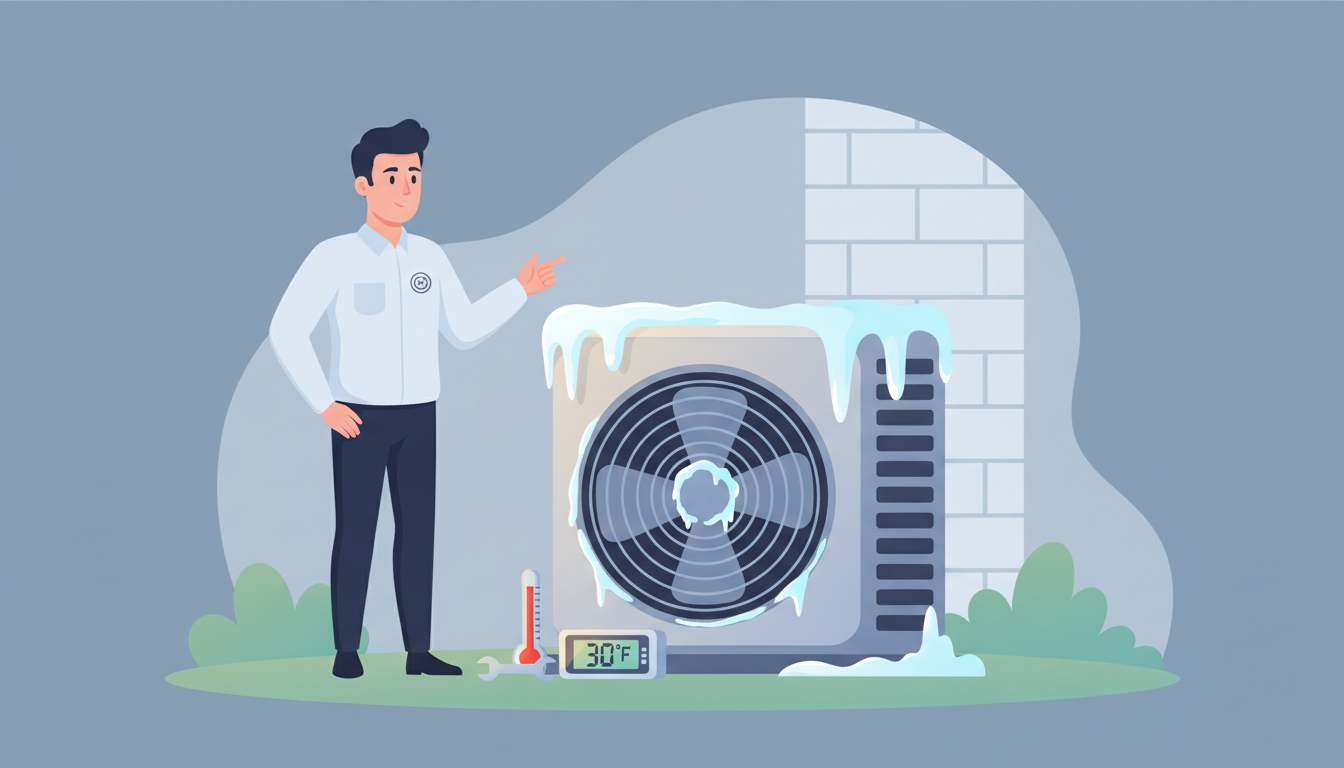
Picture this: it's a scorching summer day, and you walk over to your air conditioner only to find it covered in ice. If your AC keeps freezing up, you're not alone—this is one of the most common HVAC problems homeowners face. But why does it happen, and more importantly, how can you fix it?
When your air conditioner freezing becomes a recurring problem, it's usually signaling an underlying issue with your cooling system. The good news? Many causes of a frozen evaporator coil can be fixed with simple maintenance, while others require professional help. In this guide, we'll walk you through everything you need to know about why your AC keeps freezing and what you can do about it.
What's Actually Happening When Your AC Freezes?
Before we dive into the causes, let's understand what's happening inside your system. Your air conditioner works by absorbing heat from your indoor air through the evaporator coil. When warm air passes over this coil filled with cold refrigerant, the heat exchange happens efficiently.
However, when something disrupts this process—whether it's restricted airflow, low refrigerant, or other issues—the evaporator coil gets too cold. When the coil temperature drops below freezing (32°F), moisture in the air begins to freeze on the coil surface. This ice formation creates a vicious cycle: ice blocks more airflow, making the coil even colder, which creates more ice.
Left unchecked, a frozen AC can lead to serious compressor damage, turning a simple fix into a costly repair.
The 8 Most Common Reasons Your AC Keeps Freezing Up
1. Dirty or Clogged Air Filters
This is the number one culprit behind most frozen AC units. Your air filter's job is to catch dust, pet dander, and other particles before they enter your HVAC system. But when filters become clogged, they block airflow to your evaporator coil.
Without adequate air circulation, the coil can't absorb enough heat, causing its temperature to plummet. The result? Frost buildup and eventually a completely frozen coil.
The Fix: Check your air filter monthly and replace it every 1-3 months depending on usage. If you have pets or allergies, you may need to change filters more frequently. This simple step can prevent most AC freezing problems and improve your system's cooling capacity.
2. Blocked or Closed Return Vents
Even with a clean filter, your AC needs unrestricted airflow throughout your home. When return vents are blocked by furniture, curtains, or closed doors, airflow restriction occurs. Your supply vents might be pumping out cold air, but if the return vents can't pull warm air back to the system, the evaporator coil doesn't get the heat it needs.
The Fix: Walk through your home and check all return vents. Make sure they're not covered by rugs, furniture, or drapes. Keep interior doors open to allow proper air circulation. You need at least 400 cubic feet per minute of airflow per ton of cooling for your system to work properly.
3. Low Refrigerant Levels or Refrigerant Leaks
Your air conditioner relies on the right amount of refrigerant to function correctly. When refrigerant levels drop—usually due to a leak somewhere in the system—the pressure inside your evaporator coil decreases. Lower pressure means lower temperature, and before you know it, your indoor coil is freezing solid.
Signs of a refrigerant leak include:
- Hissing or bubbling sounds near the AC unit
- Ice formation on refrigerant lines
- Reduced cooling performance
- Higher energy bills
The Fix: This isn't a DIY job. Refrigerant leaks require a professional HVAC technician to locate the leak, repair it, and properly recharge your system. Never try to add refrigerant yourself—it requires specialized equipment and certification.
4. Dirty Evaporator Coils
Over time, even the best air filters let some dust through. This dust accumulates on your evaporator coil, acting as an insulator that prevents proper heat exchange. When the coil can't absorb heat effectively, it gets too cold and frost develops.
Dirty coils are especially common in homes with:
- Poor indoor air quality
- Rarely changed filters
- Lack of regular maintenance
- Pet hair and dander
The Fix: Professional coil cleaning is the safest option. HVAC technicians have specialized tools and cleaners to remove buildup without damaging the delicate coil fins. As part of your regular HVAC maintenance, coils should be inspected and cleaned annually.
5. Malfunctioning Blower Fan
Your blower fan is responsible for pushing air across the evaporator coil. If the fan isn't working properly—whether due to a worn motor, broken belt, or electrical issue—airflow drops dramatically. Without that constant flow of warm air, the coil temperature plummets.
Warning signs of blower fan problems:
- Weak airflow from vents
- Strange noises (squealing, grinding)
- AC runs but doesn't cool effectively
- Fan doesn't turn on at all
The Fix: Blower fan issues range from simple (like cleaning the fan blades) to complex (like replacing the motor). Start by checking that nothing is blocking the fan. If the problem persists, call an HVAC professional to diagnose and repair the issue.
6. Thermostat Issues and Incorrect Settings
Sometimes the problem isn't mechanical—it's how your system is programmed. If your thermostat is set too low or malfunctioning, it can cause your AC to run continuously, leading to frozen coils. Additionally, running your air conditioner when outdoor temperatures drop below 60°F can cause freezing, as the system isn't designed to operate efficiently in cool weather.
The Fix: Set your thermostat to a reasonable temperature (68-72°F is ideal). Avoid setting it below 65°F. If you suspect thermostat malfunction, test it by adjusting the temperature and seeing if the system responds correctly. A faulty thermostat should be replaced by a professional.
7. Clogged Condensate Drain Line
Your AC removes humidity from the air, and that moisture has to go somewhere. It typically drains away through the condensate drain line. When this line gets clogged with algae, mold, or debris, water backs up and can overflow onto the evaporator coil.
As this water contacts the cold coil, it freezes, contributing to ice buildup. You might notice water pooling around your indoor air handler when this happens.
The Fix: You can often clear minor clogs yourself by pouring a mixture of vinegar and water down the drain line. For stubborn blockages, use a wet/dry vacuum to suction out the clog. Severe blockages may require professional attention with specialized tools.
8. Damaged or Leaking Ductwork
Your ductwork is the highway system that delivers conditioned air throughout your home. When ducts develop leaks, holes, or poor insulation, they allow warm, humid air from unconditioned spaces (like attics) to enter the system. This excess moisture can freeze on your evaporator coil.
Additionally, leaky return ducts can pull in excessive humidity, while leaky supply ducts reduce overall system efficiency, both contributing to freezing problems.
The Fix: Inspect visible ductwork for obvious damage. Look for disconnected sections, holes, or areas where insulation has deteriorated. While you can seal small leaks with mastic sealant (not duct tape), significant ductwork issues should be addressed by HVAC professionals who can perform a proper duct sealing and insulation job.
Step-by-Step: What to Do When Your AC Freezes
If you discover your AC coil frozen, follow these steps:
Step 1: Turn Off Your AC Immediately
Switch your thermostat to "OFF" to stop the cooling cycle. Running a frozen AC can damage the compressor—a repair that can cost $1,500 or more.
Step 2: Turn the Fan to "ON"
While keeping the AC off, switch your fan setting from "AUTO" to "ON." This circulates room-temperature air over the frozen coil, speeding up the defrosting process.
Step 3: Check the Obvious Culprits
While waiting for the ice to thaw:
- Check and replace your air filter if dirty
- Open all closed vents
- Clear any obstructions around return vents
- Ensure the thermostat is set correctly
Step 4: Let It Defrost Completely
Depending on how badly your system is frozen, defrosting can take 1-24 hours. Don't try to chip away the ice or use heat guns—you could damage the coil. Be patient and let it thaw naturally.
Step 5: Dry Any Standing Water
As ice melts, water will collect in the drain pan. Use towels to soak up excess water and prevent overflow. Check that your condensate drain is flowing freely.
Step 6: Restart and Monitor
Once completely thawed, restart your system and monitor it closely for the next few hours. If it freezes again quickly, you have an underlying issue that needs professional diagnosis.
How to Prevent Your AC From Freezing
Prevention is always better than repair. Here's your maintenance checklist to keep your air conditioner from freezing:
Monthly Tasks:
- Check and replace air filters as needed
- Inspect vents for blockages
- Look for ice formation or unusual frost
Seasonal Tasks:
- Schedule professional maintenance before cooling season
- Clean around your outdoor unit
- Test your thermostat functionality
- Inspect condensate drain for clogs
Annual Professional Maintenance:
- Evaporator and condenser coil cleaning
- Refrigerant level check
- Blower fan inspection and cleaning
- Ductwork inspection
- Full system performance test
Regular maintenance not only prevents freezing but also extends your system's lifespan and maintains energy efficiency. Most central AC repair issues can be caught early during routine maintenance visits.
When to Call a Professional HVAC Technician
While some frozen AC fixes are DIY-friendly, certain situations require professional expertise:
Call a professional if:
- Your AC keeps freezing even after you've replaced filters and cleared vents
- You suspect a refrigerant leak (ice on refrigerant lines, hissing sounds)
- The blower fan isn't working
- Your evaporator coil keeps freezing up repeatedly
- You notice water damage around your air handler
- The system is more than 10 years old and freezing frequently
- You're uncomfortable performing the troubleshooting steps
What to expect from a professional visit:
A qualified HVAC technician will perform a comprehensive diagnostic that includes:
- Refrigerant pressure testing
- Airflow measurement
- Coil inspection and cleaning if needed
- Electrical system check
- Ductwork evaluation
- Thermostat calibration
Cost considerations:
Simple fixes like filter replacement or vent clearing cost nothing to under $50. Professional service calls typically range from $75-$200 for diagnosis. Repairs can range from $150 for minor issues to $2,000+ for major refrigerant leaks or compressor replacement.
Emergency Situations: When Freezing Becomes Urgent
Most frozen AC situations aren't emergencies, but certain scenarios require immediate action:
Seek emergency HVAC service if:
- Water is actively flooding your home from the unit
- You smell electrical burning
- The compressor is making loud grinding or banging noises
- Ice has completely encased the outdoor unit
- The system repeatedly freezes within hours of defrosting
These situations can indicate serious mechanical failure that could worsen if left unaddressed.
Understanding AC Freezing in Different Seasons
Summer Freezing (Most Common)
When your AC freezes during hot weather, it's almost always due to airflow restriction or low refrigerant. The system is working hard to cool your home, and any impediment to heat exchange causes rapid ice formation.
Night-Time Freezing
If your AC freezes up at night but works fine during the day, temperature fluctuations are likely the culprit. As outdoor temperatures drop in the evening, running your AC at the same settings can cause the coil to get too cold. Consider adjusting your thermostat higher at night or using a programmable thermostat.
Unexpected Cold Weather Operation
Never run your air conditioner when outdoor temperatures are below 60°F. The system can't dissipate heat effectively in cool weather, leading to frozen coils. If you need cooling during a cool snap, use fans instead or switch to your heat pump's cooling mode if equipped.
FAQ: Common Questions About Frozen AC Units
How long does it take for a frozen AC to thaw?
Typically 1-24 hours depending on the severity of ice buildup. Running the fan in "ON" mode speeds the process. Never use external heat sources to accelerate thawing as this can damage the coil.
Can I run my AC while it's defrosting?
No. Always turn the cooling function OFF while defrosting. You can run the fan to circulate air, but running the compressor while frozen can cause permanent damage.
Will a frozen AC fix itself?
No. While the ice will eventually thaw on its own, the underlying cause remains. If you don't identify and fix the root problem, your system will freeze again—possibly causing compressor damage that costs thousands to repair.
Is it normal for my AC to have a little frost?
No amount of frost or ice is normal on your indoor evaporator coil. Even light frost indicates a problem developing. A small amount of condensation is normal, but ice formation always signals an issue.
Can low refrigerant damage my compressor?
Yes. Running an AC with low refrigerant forces the compressor to work harder, generating excessive heat and strain. This can lead to premature compressor failure—one of the most expensive AC repairs.
How much does it cost to fix a frozen AC?
DIY fixes (filter replacement, vent clearing): $0-$50 Professional diagnosis: $75-$200 Minor repairs (coil cleaning, drain clearing): $150-$400 Major repairs (refrigerant leak repair, blower motor): $500-$2,000 Compressor replacement: $1,500-$3,000
Take Action Before Small Problems Become Big Repairs
A frozen air conditioner is your HVAC system's way of telling you something's wrong. Whether it's a simple dirty filter or a complex refrigerant leak, addressing the issue quickly prevents minor problems from escalating into expensive repairs.
Start with the basics: change your filter, check your vents, and ensure proper thermostat settings. If these simple fixes don't resolve the freezing, it's time to call in the professionals. Regular maintenance is your best defense against AC freezing and ensures your cooling system runs efficiently for years to come.
Remember, the cost of preventive maintenance is always less than emergency repairs. Don't wait until your AC freezes solid—take action today to keep your home cool and comfortable all summer long.
Need professional help with your frozen AC? Regular HVAC maintenance can prevent most freezing issues and catch problems before they become costly repairs. Don't let a frozen AC ruin your summer comfort or damage your expensive cooling system.