Why Is My AC Outdoor Unit Running but the Indoor Air Is Warm?
Why Is My AC Outdoor Unit Running but the Indoor Air Is Warm?
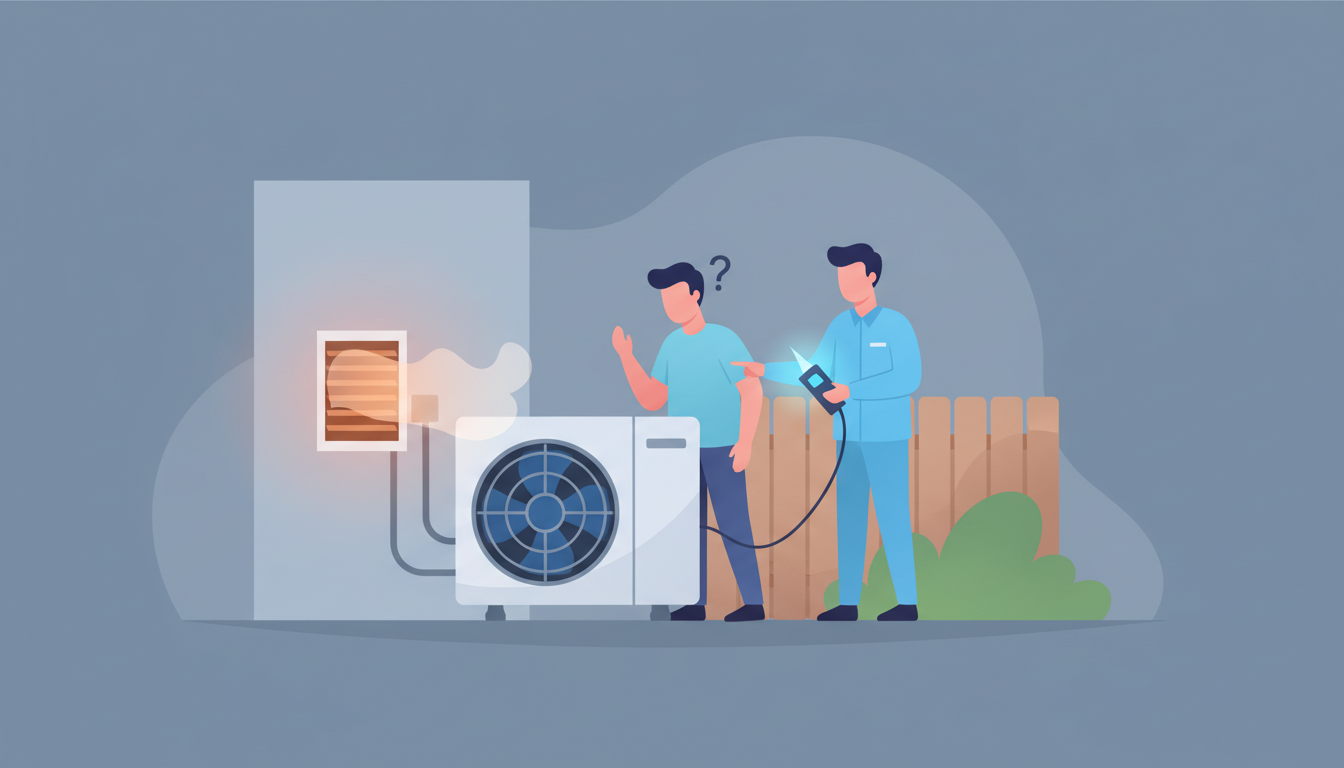
Nothing feels worse than walking into your home on a scorching summer day, only to find warm air blowing from your vents—even though you can hear your AC outdoor unit running outside. If your air conditioner is running but not cooling your house, you're dealing with a frustrating and common HVAC problem that needs immediate attention.
The good news? Understanding why your AC outdoor unit is running but your indoor air stays warm can help you troubleshoot the issue and get your home comfortable again. In this guide, we'll walk you through the most common causes, what you can check yourself, and when it's time to call a professional HVAC technician.
How Your AC System Should Work
Before diving into problems, it helps to understand how your central air conditioning system works. Your AC has two main components: the outdoor condenser unit and the indoor air handler (or furnace with evaporator coil).
When working properly, the outdoor unit compresses refrigerant and sends it to your indoor evaporator coil. The refrigerant absorbs heat from your home's air, and your blower motor pushes the cooled air through your ductwork. The refrigerant then cycles back outside to release that heat.
When your outdoor unit is running but your indoor air stays warm, something is interrupting this cooling cycle. Let's explore the most common culprits.
Common Reasons Your AC Is Running But Not Cooling
1. Low Refrigerant Levels or Refrigerant Leak
One of the most common reasons your air conditioner is running but not cooling is low refrigerant. Your AC doesn't "use up" refrigerant—it circulates in a closed loop. If refrigerant levels are low, you likely have a leak somewhere in the system.
Signs of low refrigerant:
- Warm air from vents despite outdoor unit running
- Ice buildup on the copper refrigerant lines
- Hissing or bubbling sounds from the AC
- Higher energy bills as your system runs longer without cooling
Low refrigerant means your evaporator coil can't absorb enough heat from your indoor air. Your outdoor condenser might run continuously, but you won't feel any cooling inside. Refrigerant leaks require professional repair—attempting DIY fixes can be dangerous and illegal since refrigerant is regulated by the EPA.
2. Frozen Evaporator Coil
A frozen evaporator coil is another frequent cause of an AC running but house not cooling. When the evaporator coil freezes over, it can't absorb heat from your home's air, leaving you with warm air blowing from your vents.
What causes a frozen coil:
- Severely dirty air filter restricting airflow
- Blocked return air vents
- Low refrigerant levels
- Faulty blower motor not circulating enough air
- Dirty evaporator coil restricting heat absorption
If you suspect a frozen coil, turn off your AC and let it thaw completely (this can take several hours). Check your air filter first—if it's clogged, replace it. Once thawed, try running your system again. If the coil refreezes quickly, you need professional help to diagnose the underlying cause.
3. Dirty or Clogged Air Filter
Your air filter is your HVAC system's first line of defense against dust, pet dander, and debris. A dirty air filter restricts airflow throughout your entire system, which can cause multiple problems including warm air from your vents.
How a dirty filter affects cooling:
- Reduced airflow means less air passing over the cold evaporator coil
- Your AC works harder and runs longer without achieving the set temperature
- Can lead to frozen evaporator coils
- Increases energy consumption and utility bills
Check your air filter monthly and replace it every 1-3 months depending on usage, pets, and air quality. This simple maintenance step can prevent many AC problems and improve your indoor air quality. For more comprehensive maintenance tips, check out our HVAC repair guide.
4. Dirty or Blocked Condenser Coils
Your outdoor condenser unit needs proper airflow to release the heat it removes from your home. When the condenser coils get clogged with dirt, grass clippings, leaves, or other debris, your AC outdoor unit running doesn't translate to cooling inside.
Symptoms of dirty condenser coils:
- Outdoor unit runs but house isn't cooling
- AC shuts off prematurely due to overheating
- Higher energy bills
- Outdoor unit makes unusual noises
You can gently clean your outdoor unit yourself by removing visible debris and carefully rinsing the coils with a garden hose (spray from inside out). However, be careful not to bend the delicate aluminum fins. For heavily soiled coils, professional cleaning is recommended.
5. Faulty or Failed Compressor
The compressor is the heart of your AC system—it's what pressurizes the refrigerant and keeps it circulating. If your compressor fails, your outdoor fan might still run (making it seem like everything's working), but no actual cooling occurs.
Signs your compressor may be failing:
- Outdoor unit runs but no cooling inside
- Hard starting or frequent cycling
- Loud grinding, rattling, or squealing sounds from the outdoor unit
- Circuit breaker trips repeatedly
- Outdoor unit feels unusually hot
Compressor problems are serious and typically require professional diagnosis. Sometimes the compressor can be repaired or the failed capacitor/contactor replaced, but severe damage may require full compressor replacement or even a new AC unit.
6. Thermostat Issues
Sometimes the problem isn't with your AC system at all—it's with your thermostat. If your thermostat isn't communicating properly with your HVAC system, or if settings are incorrect, you might experience warm air despite your outdoor unit running.
Thermostat troubleshooting checklist:
- Verify the thermostat is set to "Cool" mode (not "Heat" or "Fan Only")
- Check that the temperature setting is at least 5 degrees below current room temperature
- Replace thermostat batteries if applicable
- Make sure the thermostat isn't exposed to direct sunlight or heat sources that could affect its readings
- Try resetting your thermostat by turning off power for a few minutes
If your thermostat is outdated or malfunctioning, upgrading to a programmable or smart thermostat can improve both comfort and energy efficiency.
7. Electrical Problems
Various electrical issues can cause your AC to run but not cool properly. These include:
Common electrical problems:
- Blown fuse or tripped circuit breaker
- Failed capacitor (prevents compressor or fan from starting properly)
- Faulty contactor (prevents electrical current from reaching the compressor)
- Damaged wiring or loose connections
- Control board failure
Electrical problems require professional diagnosis and repair. Never attempt to work on your AC's electrical components yourself—this is dangerous and could damage your system further. For help with electrical-related AC issues, see our central AC repair guide.
8. Oversized or Undersized AC Unit
If your AC is improperly sized for your home, you'll experience cooling problems regardless of how well the system is maintained. An oversized unit will cool quickly but shut off before properly dehumidifying your home, leaving you feeling warm and clammy. An undersized unit will run constantly without ever reaching your desired temperature.
Signs of improper sizing:
- AC runs constantly but house never cools adequately (undersized)
- AC cycles on and off frequently without running long enough (oversized)
- Some rooms are comfortable while others stay warm
- High humidity despite AC running
AC sizing isn't just about square footage—it requires a professional load calculation considering insulation, windows, ceiling height, local climate, and more. If your home was recently renovated or you've added square footage, your existing AC might no longer be adequate.
9. Ductwork Problems
Even if your AC system is working perfectly, damaged or leaky ductwork can prevent cool air from reaching your living spaces. If your ducts have holes, disconnected sections, or poor insulation, the cool air escapes into your attic, crawlspace, or walls instead of coming through your vents.
Ductwork red flags:
- Some rooms cool well while others stay warm
- Weak airflow from certain vents
- Visible gaps or disconnected duct sections in accessible areas
- Dusty or musty odors when AC runs
- Higher energy bills despite no change in usage
Professional duct sealing and insulation can improve your AC's efficiency by up to 20% and solve mysterious cooling problems.
10. Dirty Blower Motor or Fan Problems
Your indoor blower motor is responsible for pushing cooled air through your ductwork and into your rooms. If the blower motor is dirty, worn out, or failing, you won't feel adequate airflow from your vents even though your outdoor unit is working hard.
Blower motor warning signs:
- Weak airflow from vents
- No air coming from vents at all
- Squealing or grinding noises from indoor unit
- Indoor unit shuts off but outdoor unit keeps running
- Some vents blow strong while others are weak
A failed blower motor capacitor is a common and relatively inexpensive fix. However, if the motor itself has burned out, replacement is necessary.
DIY Troubleshooting Steps You Can Try First
Before calling an HVAC technician, try these quick troubleshooting steps:
-
Check your thermostat settings - Make sure it's set to "Cool" and the temperature is set lower than your current indoor temperature.
-
Replace your air filter - A clogged filter is one of the most common causes of AC problems and the easiest to fix yourself.
-
Check circuit breakers - Make sure breakers for both your indoor and outdoor units haven't tripped.
-
Clear debris from outdoor unit - Remove leaves, grass clippings, and other debris blocking your condenser unit. Maintain at least 2 feet of clearance around all sides.
-
Check for ice buildup - If you see ice on your refrigerant lines or outdoor unit, turn off your AC and let it thaw completely before trying again.
-
Inspect air vents - Make sure all supply vents are open and not blocked by furniture, curtains, or other objects.
-
Check your condensate drain line - A clogged drain line can trigger a safety switch that shuts down your system. Look for standing water around your indoor unit.
For more detailed troubleshooting guidance, especially for issues with your indoor AC unit running but outdoor unit not responding, we've got you covered.
When to Call a Professional HVAC Technician
Some AC problems require professional expertise and specialized tools. Call an HVAC technician immediately if:
- You've tried basic troubleshooting and your AC still won't cool
- You suspect a refrigerant leak (ice buildup, hissing sounds)
- Your circuit breaker trips repeatedly when running your AC
- You hear loud grinding, squealing, or banging noises from your system
- You see water leaking around your indoor or outdoor unit
- Your AC is more than 10-15 years old and experiencing frequent problems
- You smell burning or unusual odors when your AC runs
Professional technicians have the training, licensing, and equipment to safely diagnose and repair refrigerant leaks, electrical problems, compressor issues, and other complex HVAC problems.
Preventing Future AC Problems
Regular maintenance is the best way to prevent your AC from running but not cooling. Here's what you should do:
Monthly:
- Check and replace air filters as needed
- Clear debris from around outdoor unit
- Listen for unusual sounds
Seasonally (Spring/Fall):
- Schedule professional AC tune-up before cooling season
- Clean outdoor condenser coils
- Check refrigerant levels
- Inspect electrical connections
- Lubricate moving parts
- Test thermostat accuracy
- Inspect ductwork for leaks
Annually:
- Professional HVAC inspection covering both heating and cooling systems
- Comprehensive system performance testing
- Duct cleaning if needed
Regular professional maintenance typically costs $75-150 per visit but can prevent expensive emergency repairs and extend your system's lifespan by several years.
How Much Does AC Repair Cost?
Repair costs vary widely depending on the problem:
- Air filter replacement: $15-40 (DIY)
- Thermostat replacement: $150-400
- Capacitor replacement: $150-400
- Contactor replacement: $150-400
- Refrigerant recharge (with leak repair): $200-1,500
- Evaporator coil replacement: $600-2,000
- Compressor replacement: $1,200-2,500
- Full AC replacement: $3,000-7,000+
If your AC is over 10 years old and needs expensive repairs (over $2,000), replacement might be more cost-effective than repair—especially considering improved energy efficiency in newer models.
Is Your AC System Beyond Repair?
Sometimes replacement makes more sense than repair. Consider replacing your AC if:
- Your system is 15+ years old
- Repair costs exceed 50% of replacement cost
- Your AC uses R-22 refrigerant (being phased out)
- You're experiencing frequent breakdowns requiring multiple repairs
- Your energy bills keep climbing despite regular maintenance
- Your home comfort is consistently poor
Modern AC systems are significantly more energy-efficient (16+ SEER rating vs. 10 SEER in older units), which can offset replacement costs through lower monthly utility bills.
FAQ: AC Outdoor Unit Running But Indoor Air Warm
Why is my AC running but the house isn't getting cooler?
The most common reasons are low refrigerant levels, a dirty air filter restricting airflow, frozen evaporator coil, or a failed compressor. Start by checking your air filter and thermostat settings, then call a professional if the problem persists.
Can I run my AC if it's not cooling properly?
It's best to turn off your AC if it's running but not cooling. Continuing to run a malfunctioning AC can cause additional damage, increase your energy bills, and potentially lead to more expensive repairs. The exception is if you're letting a frozen coil thaw—in that case, turn off cooling but leave the fan running.
How can I tell if my AC compressor is bad?
Signs of a failing compressor include loud grinding or rattling noises from your outdoor unit, the outdoor unit not turning on at all, warm air from vents, circuit breakers that trip repeatedly, and an outdoor unit that's unusually hot to the touch. Compressor failure requires professional diagnosis and repair.
Why does my AC work sometimes but not others?
Intermittent cooling problems often point to electrical issues like a failing capacitor, loose wiring connections, or a malfunctioning thermostat. Temperature extremes can also cause an undersized AC to keep up on mild days but fail during heat waves.
How long does it take to fix an AC that's not cooling?
Simple fixes like replacing an air filter or resetting a tripped breaker take minutes. Most professional repairs (capacitor replacement, refrigerant recharge, etc.) take 1-3 hours. Complex repairs like compressor replacement or evaporator coil replacement may take 4-8 hours or require a return visit for parts.
Get Your AC Cooling Again
An AC outdoor unit running but indoor air staying warm is more than just uncomfortable—it's wasting energy and putting unnecessary strain on your system. Whether it's a simple fix like a dirty air filter or a more complex issue like low refrigerant or compressor failure, addressing the problem quickly can prevent more expensive repairs down the road.
Start with the DIY troubleshooting steps we covered, but don't hesitate to call a qualified HVAC technician if you're not comfortable with the repair or if basic troubleshooting doesn't solve the problem. Your comfort and safety are worth the professional investment.
Need expert help with your AC system? Contact a licensed HVAC professional in your area today to diagnose and fix your cooling problems before the next heat wave hits.