Indoor AC Unit Running but Outdoor Unit Is Off? Here's What to Do
Indoor AC Unit Running but Outdoor Unit Is Off? Here's What to Do
You flip on your air conditioner expecting cool relief, but something's wrong. The indoor unit is blowing air, but your outdoor AC unit is completely silent. Before you panic and call for an expensive emergency repair, there are several things you can check yourself.
When your indoor AC unit is running but the outdoor unit won't turn on, your home isn't getting any actual cooling—just circulated air. This frustrating situation is more common than you think, and the good news is that some causes have simple fixes you can handle in minutes.
Understanding Your Split AC System
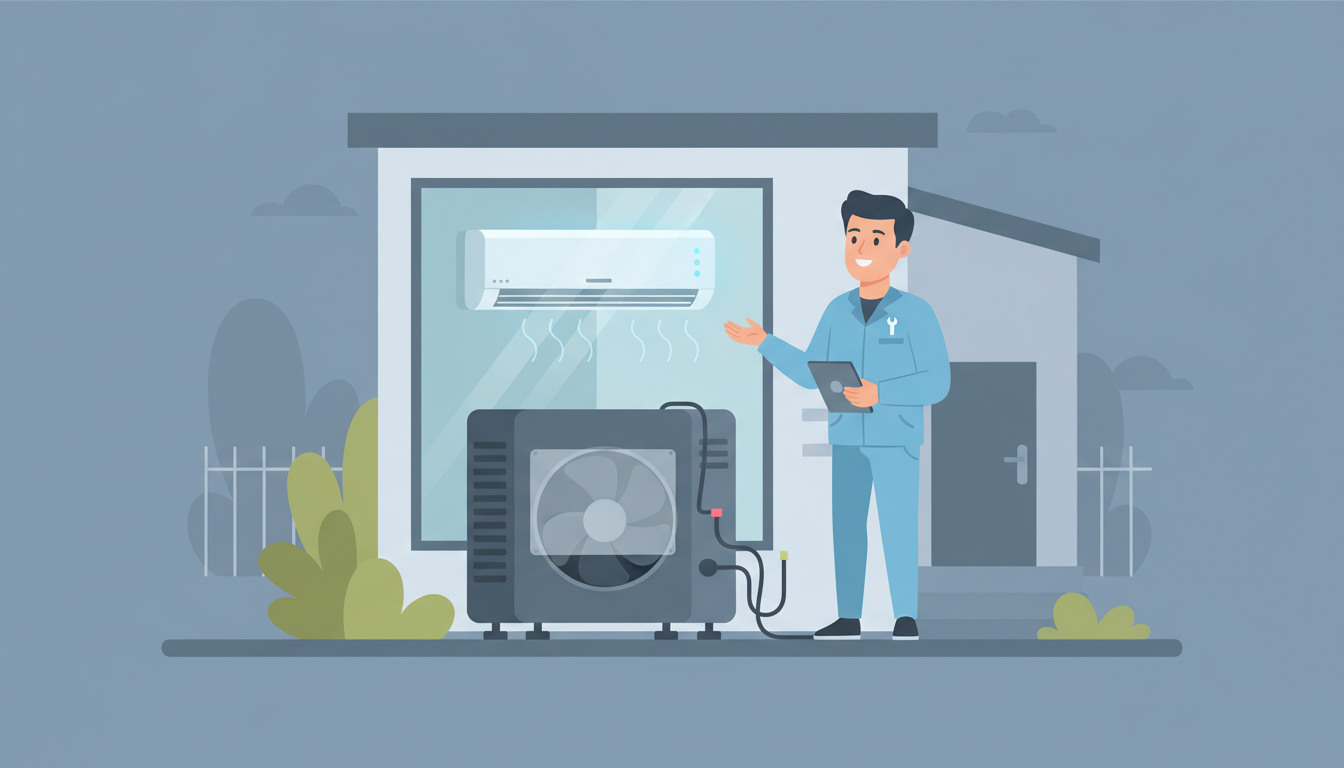
Your central air conditioning system works as a team. The indoor unit (air handler) contains the evaporator coil and blower fan that circulates air through your home. The outdoor unit houses the compressor and condenser, which actually cool the refrigerant and remove heat from your house.
When both units work together, warm air from your home passes over the evaporator coil, gets cooled, and circulates back through your vents. The outdoor unit releases that captured heat outside. If the outdoor AC unit isn't running, you're just pushing warm air around your home without any cooling happening.
Quick Fixes to Try First
Before you spend money on HVAC repair services, try these simple troubleshooting steps.
Check Your Thermostat Settings
This might sound obvious, but it's the most common culprit. Your thermostat might be set to "fan only" mode instead of "cool" mode.
What to check:
- Make sure the system is set to "cool" not "fan" or "auto"
- Verify the temperature setting is at least 3-5 degrees below your current room temperature
- Check if the thermostat display is working (dead batteries can cause issues)
- Look for any error messages or unusual indicators
If you have a programmable thermostat, someone may have changed the schedule without you realizing it. A quick setting adjustment could solve your entire problem in seconds.
Inspect Your Circuit Breakers
Your outdoor AC unit has its own dedicated circuit breaker, separate from your indoor unit. A tripped breaker is a frequent reason the outdoor unit stops working.
Steps to check:
- Go to your electrical panel (breaker box)
- Look for a breaker labeled "AC," "Air Conditioner," or "Condenser"
- Check if it's in the "off" position or somewhere between on and off
- If tripped, flip it completely off, then back on
- Wait a few minutes and see if the outdoor unit starts
If the breaker trips again immediately, do not keep resetting it. This indicates a serious electrical problem that needs professional attention. Continuing to reset a tripping breaker can damage your system or create a fire hazard.
Look at the Disconnect Switch
Near your outdoor unit, there's usually a metal box mounted on the wall called a disconnect switch. This safety feature lets you cut power to the unit for maintenance.
Sometimes people (or landscapers) accidentally flip this switch off. Check to make sure it's in the "on" position. If it was off, flip it on and wait 5 minutes to see if your outdoor unit fires up.
Reset Your AC System
A simple system reset can resolve temporary glitches in your air conditioner's electrical components.
How to properly reset your AC:
- Turn off your AC at the thermostat
- Go to your breaker box and turn off the AC circuit breaker
- Wait at least 5 minutes (this allows capacitors to discharge)
- Turn the breaker back on
- Wait another 5 minutes
- Turn your AC back on at the thermostat
This reset process can clear minor electrical hiccups that prevent your outdoor unit from starting.
Common Mechanical Issues That Stop Your Outdoor Unit
If the simple fixes above didn't work, you're likely dealing with a mechanical or electrical component failure inside your outdoor AC unit.
Capacitor Failure
The capacitor is one of the most common failure points in an AC system. This small cylindrical component stores electrical energy and gives your compressor and fan motor the boost they need to start up.
Signs of a bad capacitor:
- Humming sound from the outdoor unit without it starting
- The fan tries to spin but can't get going
- The outdoor unit worked earlier but suddenly stopped
- You notice a burning smell near the outdoor unit
Capacitors wear out over time, especially in hot climates where your AC runs constantly. They're relatively inexpensive parts, but replacement requires an HVAC technician since working with capacitors can be dangerous even when power is off. They store electrical charge that can shock you.
Contactor Problems
The contactor works like a relay switch that controls the flow of electricity to your compressor and condenser fan motor. When your thermostat calls for cooling, it sends a signal that closes the contactor, allowing power to flow to the outdoor unit.
A faulty contactor might:
- Stick in the open position (preventing the outdoor unit from getting power)
- Have burned or pitted contacts (interrupting electrical flow)
- Fail to close when signaled by the thermostat
You might hear a clicking sound if the contactor is trying to engage but can't make a solid connection. Like capacitors, contactors are affordable parts but require professional installation.
Clogged Condensate Drain and Float Switch
This is a sneaky problem many homeowners don't know about. Your indoor unit has a drain pan that collects condensation from the evaporator coil. This water normally drains away through a condensate line.
If that drain line gets clogged with algae, mold, or debris, water backs up in the pan. A safety device called a float switch detects the rising water level and automatically shuts down your outdoor unit to prevent water damage and system flooding.
How to check for this issue:
- Locate your indoor air handler (usually in a closet, attic, or basement)
- Look for a white PVC pipe coming from the unit (condensate drain line)
- Check if water is overflowing from the drain pan
- Look for standing water around the indoor unit
How to clear a clogged condensate line:
- Turn off your AC system
- Locate the drain line access point (usually a T-shaped vent with a cap)
- Use a wet/dry vacuum to suck out the clog from the outside drain opening
- Pour a cup of white vinegar or bleach solution down the line to kill algae
- Flush with water after 30 minutes
Once the drain is clear and water can flow freely, your float switch should reset and allow the outdoor unit to run again. For a complete guide, check out our central AC repair guide.
Compressor Failure
The compressor is the heart of your air conditioning system. When it fails, your outdoor unit won't run at all, or it might hum loudly without starting.
Signs your compressor is failing:
- Outdoor unit is completely silent (no humming, no sound)
- Circuit breaker trips repeatedly when you try to run the AC
- Outdoor unit is extremely hot to the touch
- Strange grinding or rattling noises before it stopped working
Compressor failure is serious and expensive. A replacement compressor can cost $1,500-$2,500 installed. If your AC system is more than 10-12 years old, replacing the entire outdoor unit or whole system might make more financial sense than replacing just the compressor.
Burned Out Fan Motor
The fan motor in your outdoor unit pulls air across the condenser coils to release heat. If this motor burns out, you might hear the compressor running (a humming sound) but the fan won't spin.
Symptoms of fan motor failure:
- Fan blades don't spin even though you hear humming
- The motor is hot to the touch
- You smell burning plastic or electrical odors
- The fan spins very slowly or makes grinding noises
Fan motors fail due to age, lack of lubrication, or electrical problems. A technician can test the motor and replace it if necessary. Continuing to run your AC with a failed fan motor can overheat and damage your compressor.
Power Supply and Electrical Issues
Electrical problems can prevent your outdoor AC unit from getting the power it needs to operate.
Blown Fuse
Some outdoor units have fuses in the disconnect box. These can blow due to power surges or electrical issues. You'll need to open the disconnect box (with the power off) to check for blown fuses.
If you're not comfortable working with electrical components, let a professional handle this. Blown fuses often indicate a larger electrical problem that caused them to blow in the first place.
Damaged Wiring
Rodents, weather, and age can damage the electrical wiring that runs to your outdoor unit. Frayed, chewed, or corroded wires can interrupt power flow.
Warning signs of wiring issues:
- Visible damage to the conduit or wires
- Evidence of rodent activity near the outdoor unit
- Scorch marks on wires or components
- Exposed copper wire strands
Never attempt to repair electrical wiring yourself unless you're a qualified electrician. Incorrect wiring repairs can create fire hazards and void your equipment warranty.
Low Voltage Issues
Your AC system needs consistent voltage to operate properly. If your home's electrical system has problems, or if your AC is on the same circuit as heavy appliances, voltage drops can prevent the outdoor unit from starting.
This requires professional diagnosis with electrical testing equipment to measure voltage levels at different points in the system.
Refrigerant Problems
Low refrigerant levels don't usually prevent the outdoor unit from running entirely, but they can trigger safety switches that shut down the system.
Signs of refrigerant leaks:
- Ice forming on the refrigerant lines or indoor coil
- Hissing or bubbling sounds near the refrigerant lines
- The system runs but doesn't cool at all
- Greasy residue around connections
Refrigerant doesn't get "used up" like fuel. If levels are low, you have a leak. Simply adding refrigerant without fixing the leak is a temporary solution that will fail again. EPA regulations require proper leak detection and repair before refrigerant can be added.
For more details on outdoor unit issues, read our guide on outdoor AC unit not turning on.
When to Call a Professional HVAC Technician
Some AC problems are perfect for DIY troubleshooting, but others require professional expertise. Here's when you should call for help:
Immediate Professional Help Needed:
- Burning smells or smoke from either unit
- Repeated circuit breaker tripping
- Loud banging, grinding, or screeching noises
- Visible sparks or electrical arcing
- Water flooding around the indoor unit
- The outdoor unit is frozen in ice
- Refrigerant leak suspected (ice formation, hissing sounds)
Professional Help Recommended:
- Simple fixes didn't restore outdoor unit operation
- You're uncomfortable working with electrical components
- The capacitor or contactor needs replacement
- You suspect compressor or fan motor failure
- Your AC is still under warranty (DIY repairs can void coverage)
What a Professional Will Check:
A qualified HVAC technician has specialized tools and training to diagnose your problem quickly:
- Multimeter testing of electrical components (capacitor, contactor, compressor)
- Voltage measurements at various points in the system
- Refrigerant pressure testing to check for proper levels and leaks
- Amp draw measurements to verify motors are running within specifications
- Visual inspection of all wiring connections and components
Most diagnostic visits cost $75-$150, but this fee is often waived if you proceed with the recommended repairs.
Preventive Maintenance to Avoid Future Problems
The best way to keep your AC system running smoothly is regular preventive maintenance. Most outdoor unit failures can be prevented with proper care.
Annual Professional Maintenance
Schedule professional maintenance every spring before cooling season starts. A tune-up includes:
- Cleaning the condenser coils
- Checking and tightening electrical connections
- Testing capacitors and contactors
- Measuring refrigerant levels
- Lubricating motors and checking fan blades
- Verifying proper airflow and temperatures
Annual maintenance costs $100-$200 but can prevent repairs costing thousands. Most HVAC companies offer maintenance plans with discounted rates.
Monthly Homeowner Maintenance
Between professional visits, you can do simple maintenance yourself:
Every 1-2 months:
- Replace or clean your indoor air filter
- Clear debris, leaves, and grass from around the outdoor unit
- Inspect the area around both units for proper clearance
- Check that your thermostat is working correctly
Every 3-4 months:
- Pour a cup of vinegar down the condensate drain line to prevent algae buildup
- Rinse the outdoor unit coils with a garden hose (gently, from inside out)
- Trim back vegetation to maintain 2 feet of clearance around the outdoor unit
Year-Round Protection
- Keep at least 2 feet of clear space around your outdoor unit
- Never stack items on or against the outdoor unit
- Avoid running your AC when outdoor temperatures drop below 60°F
- Consider a surge protector for your AC system to prevent electrical damage
- Replace your thermostat batteries annually
Cost Expectations for Common Repairs
Understanding repair costs helps you make informed decisions about fixing versus replacing your system.
Common outdoor unit repairs:
- Capacitor replacement: $150-$400
- Contactor replacement: $150-$350
- Fan motor replacement: $300-$700
- Compressor replacement: $1,500-$2,500
- Refrigerant leak repair + recharge: $400-$1,500
- Condensate drain cleaning: $100-$250
- Thermostat replacement: $150-$400
If your AC system is over 10 years old and needs a major repair (like a compressor), consider that replacement might be more cost-effective. New AC systems are significantly more energy-efficient and come with warranties that cover future repairs.
FAQs About Indoor Unit Running but Outdoor Unit Off
Why is my AC blowing air but not cold?
If your indoor unit is running but blowing warm air, your outdoor unit isn't functioning. The outdoor unit contains the compressor that actually cools the refrigerant. Without it running, you're just circulating uncooled air through your home.
Can I run my AC with just the indoor unit?
Technically yes, but you shouldn't. Running your AC this way wastes electricity without cooling your home. More importantly, it can cause your evaporator coil to freeze, leading to water damage when it thaws. Turn off your system until you can diagnose and fix the outdoor unit problem.
How long does it take for the outdoor unit to start after turning on the AC?
Your outdoor unit should start within 2-3 minutes after your thermostat calls for cooling. There's a short built-in delay to protect the compressor, but anything longer than 5 minutes indicates a problem.
Is it safe to reset my AC by flipping the breaker?
Yes, resetting your AC via the circuit breaker is safe and often recommended. Always turn the thermostat off first, then flip the breaker off and wait 5 minutes before turning it back on. If the breaker trips repeatedly after resetting, stop trying and call a professional—this indicates a serious electrical problem.
What's that humming sound from my outdoor unit?
A humming sound usually means the compressor is trying to start but can't. This often indicates a bad capacitor, which is the most common AC repair. Don't let it continue humming for long periods, as this can damage the compressor.
Conclusion: Getting Your Cooling Back on Track
When your indoor AC unit is running but your outdoor unit won't turn on, you're dealing with one of several common HVAC issues. Start with the simple checks—thermostat settings, circuit breakers, and the disconnect switch. Many homeowners solve the problem in minutes with these basic steps.
If those quick fixes don't work, you're likely looking at a component failure like a bad capacitor, failed contactor, or clogged condensate drain. While some of these issues are DIY-friendly, most require professional diagnosis and repair to ensure safety and prevent further damage.
Regular maintenance is your best defense against surprise breakdowns. Change your filters monthly, keep your outdoor unit clear of debris, and schedule annual professional tune-ups. These simple steps can add years to your AC's lifespan and keep you comfortable all summer long.
Don't wait until a minor issue becomes a major breakdown. If your outdoor AC unit isn't running after trying the basic troubleshooting steps above, contact a qualified HVAC technician for proper diagnosis and repair. Your comfort—and your wallet—will thank you.