
What Causes Communication Errors in Mini-Split Systems?
What Causes Communication Errors in Mini-Split Systems?
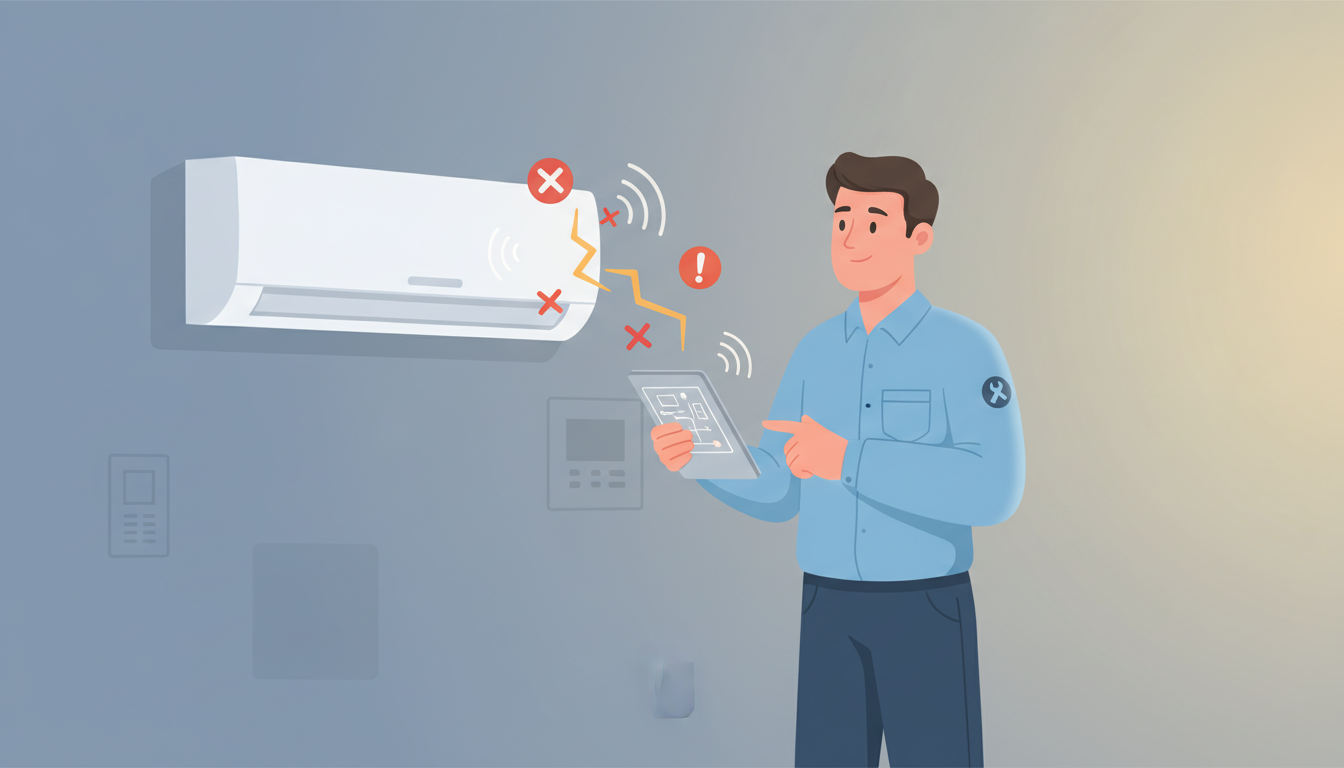
Is your mini-split system flashing an E0 or U3 error code? You're dealing with a communication error, and you're not alone. Communication failures between the indoor and outdoor units are among the most frustrating issues mini-split owners face. These errors can leave you without heating or cooling when you need it most.
The good news? Most mini split communication errors stem from a handful of common causes, and understanding what's behind them can help you decide whether it's a quick fix or time to call a professional.
In this guide, we'll break down exactly what causes communication errors in mini-split systems, how to identify the culprit, and what you can do about it.
Understanding Mini-Split Communication Errors
Before diving into causes, let's quickly cover what a communication error actually means.
Your mini-split system consists of two main components: the indoor unit (air handler) and the outdoor unit (condensing unit). These units must constantly "talk" to each other through communication wiring to coordinate operation. The indoor unit sends temperature readings and settings, while the outdoor unit responds with compressor adjustments and status updates.
When this signal transmission fails, your system can't function properly. Most manufacturers display error codes like E0, E1, U3, or U4 to indicate a communication failure. If this abnormal communication lasts longer than 120 seconds, your system will typically shut down to protect itself from damage.
Top Causes of Mini-Split Communication Errors
Faulty or Loose Wiring Connections
Wiring issues are the number one cause of mini split communication failures. If the communication wires between your indoor and outdoor units are loose, damaged, or corroded, the signal can't travel properly.
Common wiring problems include:
- Loose wire connections at terminal blocks
- Wires connected to wrong terminals during installation
- Corroded or oxidized wire connections
- Damaged wire insulation from pests or environmental exposure
- Communication wire that's too long without proper signal boosting
Even a single loose connection can disrupt the entire communication chain. If you recently had work done on your system or experienced severe weather, wiring should be your first suspect.
When dealing with any HVAC repair, checking connections is always a critical first step. The same principle applies whether you're troubleshooting communication errors or other system failures.
Using Incorrect Wire Gauge
Not all communication wire is created equal. Many mini-split manufacturers specify 18-gauge wire in their installation manuals, but this can cause problems, especially on longer runs between units.
Here's what you need to know:
Most HVAC professionals recommend using 14-gauge 4-conductor wire (14/4) for mini-split communication lines, regardless of what the manual says. This heavier gauge provides better signal transmission and reduces voltage drop over distance.
Using wire that's too thin (like 18 or 20 gauge) can lead to weak signals that work initially but fail as connections age or environmental factors kick in. If your system worked fine when first installed but started showing communication errors months later, incorrect wire gauge could be the hidden culprit.
Power Supply Fluctuations and Electrical Issues
Your mini-split system needs stable power to maintain communication between units. Power-related problems can trigger temporary or permanent communication failures.
Power issues that cause communication errors:
- Tripped circuit breakers cutting power to one unit
- Voltage fluctuations from your utility company
- Undersized electrical circuits for your system's demands
- Loose connections at the electrical panel
- Power surges from lightning or grid issues
- Faulty breakers that don't fully trip but reduce power
If your communication errors happen intermittently or during peak usage times (like hot summer afternoons), power supply problems may be the cause. Check that both your indoor and outdoor units are receiving proper voltage and that circuit breakers are fully seated.
Electrical Interference from Nearby Equipment
Modern homes and businesses have more electronic devices than ever, and some of them can interfere with your mini-split's communication signals.
Common sources of electrical interference:
- Transformer cabinets near outdoor units
- Backup generators running nearby
- High-power industrial equipment
- Radio frequency (RF) transmitters
- Variable frequency drives (VFDs)
- Poorly shielded electrical cables running parallel to communication wiring
This type of interference essentially "drowns out" the signal between your indoor and outdoor units. The closer the interference source is to your communication wiring, the worse the problem becomes.
If you've recently added equipment near your mini-split system or if errors occur only when certain devices are running, electrical interference is likely at play.
Improper or Missing Grounding
Grounding protects your mini-split system from electrical surges and helps ensure stable communication. Poor grounding is often overlooked but can cause persistent communication errors.
Grounding issues include:
- Missing ground wire connection
- Inadequate ground rod installation
- Corroded ground connections
- Shared ground with other high-power equipment
- Ground wire that's too long or undersized
Proper grounding is especially critical if your area experiences frequent lightning storms or power quality issues. Without good grounding, electrical noise and surges can disrupt the communication signal between units.
Many systems installed by unqualified technicians suffer from grounding shortcuts. If your system has had communication issues from day one, improper grounding during installation could be the root cause.
Failed Control Boards
Each unit in your mini-split system has a control board (also called a PCB or circuit board) that manages communication. If either the indoor or outdoor control board fails, communication stops completely.
Signs of control board failure:
- Communication error that won't clear even after checking all wiring
- Error codes that change randomly
- System that won't respond to remote control commands
- Visible damage on the circuit board (burn marks, bulging capacitors)
- Age-related failure (boards typically last 10-15 years)
Control boards can fail due to power surges, moisture exposure, component aging, or manufacturing defects. While less common than wiring issues, a failed board means you'll need professional replacement to restore communication.
If you're dealing with multiple issues beyond just communication errors, checking out our comprehensive mini-split repair guide can help you identify other potential problems.
Environmental and Physical Damage
The communication wiring that runs between your indoor and outdoor units is exposed to various environmental hazards that can cause failures over time.
Environmental factors that damage communication wiring:
- UV exposure degrading wire insulation (especially common in sunny climates)
- Moisture infiltration causing corrosion
- Rodents or pests chewing through wiring
- Physical damage from landscaping or construction
- Extreme temperature cycles causing wire brittleness
- Weather exposure where wiring isn't properly protected
If your communication wiring runs outside through exposed conduit or along exterior walls, inspect it carefully for signs of physical damage. Wires that looked fine during installation can deteriorate significantly after a few years of weather exposure.
Damaged Temperature Sensors
While not strictly a communication issue, faulty temperature sensors can trigger error codes that appear similar to communication failures. The indoor and outdoor units rely on multiple temperature sensors to operate correctly.
Sensor-related communication problems:
- E2/E3 error codes (temperature sensor failures)
- Sensors sending garbled data to the control board
- Corroded sensor connections
- Failed thermistors in the indoor coil
If your error code specifically indicates a sensor issue (E2-E5 codes), the sensor itself may need replacement rather than addressing communication wiring.
How to Diagnose Communication Errors
Now that you know the common causes, here's a systematic approach to diagnosing your specific problem:
Step 1: Note the exact error code - Write down the specific code displayed. E0 and E1 typically indicate general communication failure, while U3/U4 codes point to specific communication line issues.
Step 2: Power cycle your system - Turn off power at the breaker for 5-10 minutes, then restore power. Many temporary communication errors will clear after a reset.
Step 3: Check power supply - Verify that both units are receiving power and that circuit breakers haven't tripped.
Step 4: Inspect visible wiring - Look for loose connections, damaged insulation, or signs of corrosion at both the indoor and outdoor unit terminals.
Step 5: Check for recent changes - Did the error start after new equipment was installed nearby? After severe weather? This context helps identify the cause.
Step 6: Test basic functionality - Can you control the unit with the remote? Do both units power on? This helps narrow down whether it's a wiring issue or a control board failure.
If basic troubleshooting doesn't resolve the issue, it's time to call a qualified HVAC technician. Communication errors often require specialized tools like multimeters and circuit testers to properly diagnose.
Prevention: Avoiding Communication Errors
Prevention is always better than repair. Here's how to minimize the risk of communication errors in your mini-split system:
During installation:
- Insist on 14-gauge 4-conductor wire for all communication lines
- Ensure proper grounding with adequate ground rod installation
- Keep communication wiring away from high-power electrical lines
- Protect outdoor wiring runs from UV exposure with appropriate conduit
- Verify all connections are tight and properly terminated
Ongoing maintenance:
- Schedule annual professional inspections
- Keep the area around outdoor units clear of debris
- Inspect visible wiring for damage during regular filter changes
- Address any unusual noises or performance issues immediately
- Install whole-house surge protection to prevent board damage
Similar to how you'd maintain other components like condensate pumps (learn more about common condensate pump failures here), your communication system needs regular attention to prevent failures.
When to Call a Professional
While some communication error troubleshooting is safe for homeowners, certain situations require professional help:
Call an HVAC technician if:
- You see any exposed wiring or electrical components
- The error persists after basic troubleshooting
- You suspect a control board failure
- Multiple error codes appear simultaneously
- You're not comfortable working around electrical systems
- Your system is still under warranty (DIY repairs may void coverage)
Professional technicians have specialized tools to test communication signal strength, measure voltage at terminals, and properly diagnose complex issues. They can also ensure repairs meet local electrical codes.
Frequently Asked Questions
What does the E0 error code mean on my mini-split?
The E0 error code indicates that your indoor and outdoor units can't communicate properly. This typically means there's a problem with the communication wiring, connections, or control boards. If the communication failure lasts more than 120 seconds, your system will shut down automatically.
Can I fix a mini-split communication error myself?
You can safely check for loose connections, reset your system, and verify power supply. However, any repair involving opening electrical panels, replacing control boards, or working with line voltage should be left to licensed professionals for your safety.
Why does my communication error come and go?
Intermittent communication errors often point to loose connections that make and break contact, electrical interference from nearby equipment that runs periodically, or power supply issues during high-demand periods. These can be harder to diagnose than constant failures.
How much does it cost to fix a mini-split communication error?
Costs vary widely depending on the cause. Simple fixes like tightening connections might cost $100-200 for a service call. Rewiring communication lines typically runs $300-600. Control board replacement can range from $400-1,200 depending on the unit and brand.
Will a communication error damage my mini-split system?
The good news is that your system shuts down when communication fails, protecting it from damage. However, leaving the underlying problem unresolved can lead to repeated failures, potential control board damage from electrical issues, and shortened system lifespan.
Final Thoughts
Mini split communication errors can be frustrating, but they're usually caused by identifiable, fixable issues. Whether it's loose wiring, incorrect wire gauge, electrical interference, or a failed control board, understanding the root cause is the first step toward resolution.
Start with basic troubleshooting like checking connections and power cycling your system. If the problem persists, don't hesitate to call a qualified HVAC professional. Attempting complex electrical repairs without proper training can be dangerous and may cause more expensive damage.
Regular maintenance and proper installation are your best defenses against communication errors. By using the right wire gauge, ensuring proper grounding, and protecting your system from environmental hazards, you can keep your mini-split communicating smoothly for years to come.
Need help with your mini-split system? Don't let communication errors leave you uncomfortable. Contact a licensed HVAC technician to get your system back up and running.