
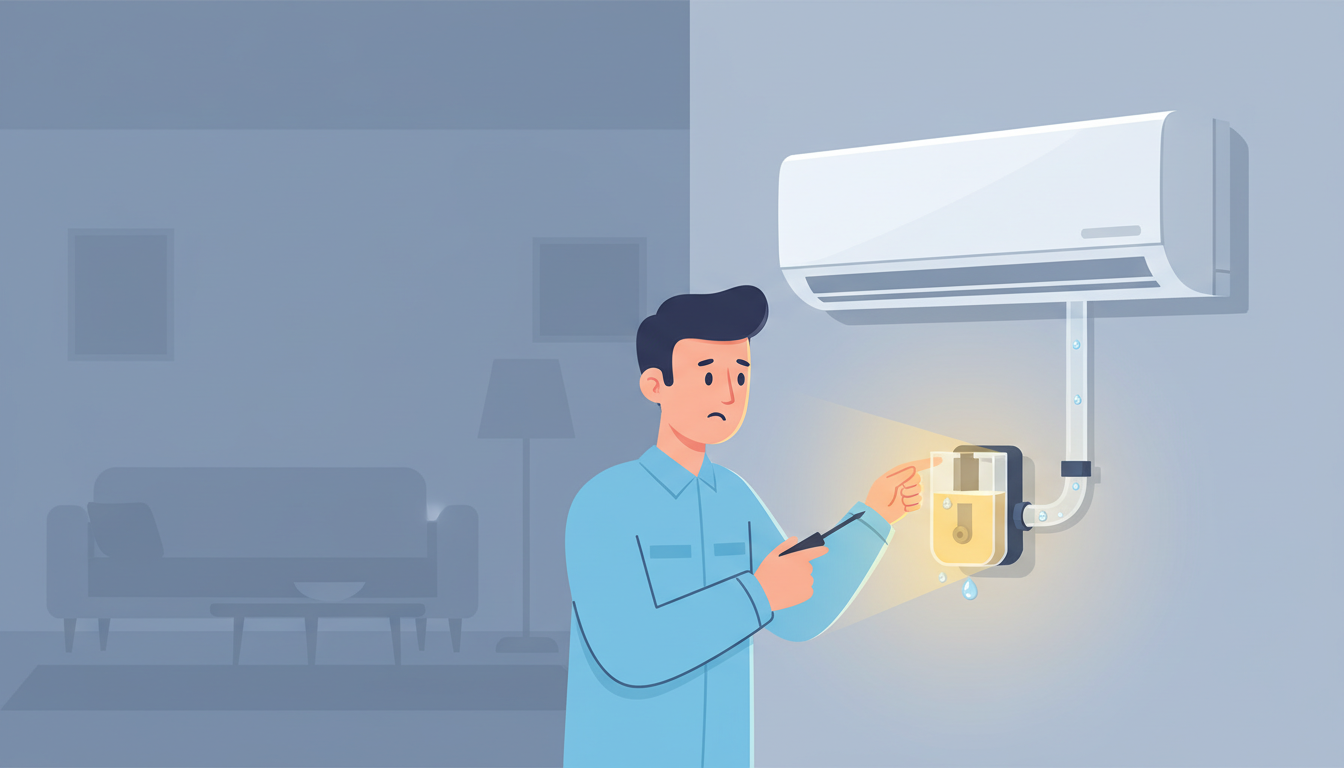
What Causes a Mini-Split Condensate Pump Failure?
What Causes a Mini-Split Condensate Pump Failure?
Is your mini-split dripping water onto your floor? Hearing strange gurgling sounds from your indoor unit? You might be dealing with a condensate pump failure—one of the most common yet frustrating issues mini-split owners face. When your condensate pump stops working, it can lead to water damage, system shutdowns, and costly repairs if not addressed quickly.
Understanding what causes mini-split condensate pump failure can save you hundreds of dollars in emergency repairs and help you prevent future breakdowns. In this guide, we'll walk you through the most common causes, warning signs, and practical solutions to keep your ductless system running smoothly.
How Does a Mini-Split Condensate Pump Work?
Before diving into failure causes, it's helpful to understand what your condensate pump actually does. As your mini-split cools your home, it removes moisture from the air. This moisture condenses on the evaporator coil and drips into a drain pan below your indoor unit.
The condensate pump's job is to move this water out of your home through a discharge line. Inside the pump, a float switch triggers the motor when water reaches a certain level. The motor then pushes water upward or across your home to a suitable drainage point—often a sink, floor drain, or outside.
When any component of this system fails, water can back up, overflow, and cause your mini-split to shut down automatically to prevent damage. Understanding mini-split repair basics can help you diagnose issues faster.
Main Causes of Mini-Split Condensate Pump Failure
1. Float Switch Malfunction
The float switch is the "brain" of your condensate pump. When the water level rises in the reservoir, a small float rises with it and triggers an electrical switch that turns on the pump motor. If this switch fails, your pump won't know when to activate.
Common float switch problems include:
- Debris accumulation preventing the float from moving freely
- Mechanical wear after years of continuous cycling
- Corrosion from mineral deposits in the water
- Physical damage from improper cleaning or maintenance
- Stuck float that won't rise or fall properly
Float switch issues are particularly common in humid climates where the pump cycles frequently. You might notice water overflowing from the drain pan even though the pump motor seems fine—this is a telltale sign the float isn't triggering the pump.
2. Pump Motor Burnout
Like any electric motor, your condensate pump motor has a limited lifespan. Most pumps last 3-7 years depending on usage, but they can fail prematurely under certain conditions.
Motor failure causes:
- Continuous operation due to excessive humidity or system oversizing
- Voltage irregularities and power surges
- Bearing wear from normal use
- Overheating from blocked discharge lines
- Manufacturing defects in lower-quality pumps
When the motor burns out, you'll typically hear nothing when the float rises—no humming, clicking, or pumping sounds. Sometimes you'll smell a burning odor near the indoor unit, indicating electrical failure inside the pump housing.
3. Clogged or Kinked Discharge Line
Even a perfectly functioning pump can't overcome a severely restricted discharge line. When the line that carries water away from your pump becomes blocked or kinked, back pressure builds up and prevents the pump from moving water effectively.
Discharge line problems include:
- Algae growth inside the tubing
- Mineral buildup in hard water areas
- Physical kinks from improper installation
- Frozen lines in cold climates
- Debris entering from the outside termination point
This issue often develops gradually. Your pump might run longer and louder as it struggles against the restriction. Eventually, it can't overcome the blockage, water backs up, and your system shuts down. Regular maintenance of your HVAC system can prevent these blockages from forming.
4. Check Valve Failure
Many condensate pumps include a check valve in the discharge line to prevent water from flowing backward when the pump shuts off. When this valve fails or becomes stuck, water can drain back into the reservoir, causing the pump to cycle continuously.
Check valve issues:
- Debris lodged in the valve preventing it from closing
- Worn rubber flapper or ball deteriorating over time
- Improper orientation during installation
- Mineral deposits cementing the valve open or closed
Continuous pump cycling is the main symptom. You'll hear the pump run, stop, then run again minutes later even though no new condensate has formed. This excessive cycling shortens pump motor life dramatically.
5. Electrical Connection Problems
Condensate pumps rely on proper electrical connections to function. Issues with power supply, wiring, or the connection between your mini-split and the pump can cause intermittent or complete pump failure.
Electrical issues include:
- Loose wire connections at the pump
- Tripped GFCI outlets or circuit breakers
- Voltage problems (too high or too low)
- Faulty safety switch wiring
- Corroded electrical terminals from moisture exposure
Voltage irregularities are particularly problematic. Some pumps rated for 230V can fail when residential voltage spikes to 248V or higher. If you're experiencing communication errors with your mini-split system, electrical issues might be affecting multiple components, including the condensate pump.
6. Improper Installation
Installation mistakes can doom a condensate pump to premature failure. Even high-quality pumps won't function properly if installed incorrectly.
Common installation errors:
- Pump not level, causing the float to trigger prematurely
- Discharge line routed with too many bends or insufficient slope
- Pump located too far below the mini-split drain pan
- Oversized or undersized pump for the application
- Missing or improperly installed safety float switch
When the pump isn't level, the float mechanism can activate with very little water, then shut off immediately. This causes rapid cycling that wears out the motor and switch components quickly.
7. Debris and Sediment Buildup
Over time, your condensate water isn't just H2O—it carries dust, dirt, mold spores, and mineral deposits from the evaporator coil and drain pan. This debris settles in the pump reservoir and can interfere with multiple components.
Debris-related failures:
- Sediment blocking the pump intake
- Algae forming a slimy coating on the float
- Rust particles from aging drain pans
- Dust buildup inside the pump housing
- Mold growth creating thick biofilm
Regular cleaning is essential, but many homeowners don't realize the pump reservoir needs maintenance. Over months and years, enough material accumulates to jam the float, clog the impeller, or restrict water flow.
8. Age and Normal Wear
Sometimes there's no dramatic failure—your condensate pump simply reaches the end of its service life. Pumps installed with your mini-split system may last 5-10 years with good maintenance, but eventually, all mechanical components wear out.
Age-related wear includes:
- Seal deterioration allowing water into the motor
- Impeller erosion from continuous water flow
- Housing cracks from thermal expansion and contraction
- Spring fatigue in the float mechanism
- General degradation of plastic and rubber components
If your pump is over 7 years old and starts having issues, replacement often makes more sense than repair. New pumps are relatively inexpensive and come with warranties that cover early failures.
Warning Signs Your Condensate Pump Is Failing
Catching pump problems early can prevent water damage and system failures. Watch for these warning signs:
Visual indicators:
- Water pooling around the indoor unit
- Visible overflow from the drain pan
- Moisture or water stains on nearby walls
- Corrosion on the pump housing
Audible symptoms:
- Continuous pump cycling without stopping
- No sound when water should be pumping
- Unusual grinding, buzzing, or humming noises
- Gurgling sounds from the discharge line
System behavior:
- Mini-split shuts down automatically
- Reduced cooling or heating performance
- High humidity levels despite system operation
- Error codes related to drainage or water detection
If you notice any combination of these symptoms, it's time to inspect your condensate pump before minor issues become major problems.
How to Diagnose a Failed Condensate Pump
You can perform some basic diagnostic steps before calling an HVAC professional:
Step 1: Check for power - Verify the pump is plugged in and the outlet has power. Test with another device or use a multimeter.
Step 2: Inspect the reservoir - Remove the pump cover and check the water level. If it's overflowing but the pump isn't running, the motor or float switch has likely failed.
Step 3: Test the float manually - Gently lift the float with your finger. You should hear the pump motor activate. If it doesn't, the switch or motor has failed.
Step 4: Examine the discharge line - Disconnect the line at the pump and check for blockages. Blow through it gently or use a wet/dry vacuum to clear obstructions.
Step 5: Look for leaks - Check all connections for water leaks that might prevent the reservoir from filling enough to trigger the float.
Step 6: Listen to the motor - If the motor hums but doesn't pump water, the impeller may be jammed or the motor is seizing.
Step 7: Verify installation - Use a level to confirm the pump sits horizontally. Even slight tilting can cause false triggering or prevent proper operation.
Preventing Condensate Pump Failures
Prevention is always easier and cheaper than repair. Follow these maintenance tips to extend your condensate pump's life:
Regular cleaning (every 3-6 months):
- Remove and rinse the pump reservoir
- Clean the float and float chamber
- Flush the discharge line with vinegar or bleach solution
- Wipe down the drain pan and pump housing
Annual professional maintenance:
- Complete mini-split system inspection
- Condensate system cleaning and testing
- Electrical connection verification
- Discharge line pressure testing
Water quality improvements:
- Install a condensate treatment tablet to prevent algae
- Use a small inline filter if you have very hard water
- Consider a UV light for the evaporator coil to reduce biological growth
Installation best practices:
- Ensure proper pump sizing for your mini-split's capacity
- Route discharge lines with minimal bends and proper slope
- Install a secondary safety float switch for backup protection
- Use quality pumps from reputable manufacturers
When to Replace vs. Repair Your Condensate Pump
Not every pump failure requires complete replacement. Here's how to decide:
Repair makes sense when:
- The pump is less than 3 years old
- Only the discharge line is clogged
- Simple cleaning resolves the issue
- The float switch can be replaced separately
- Repair cost is under $100
Replacement is better when:
- The pump is over 5 years old
- The motor has burned out
- Multiple components have failed
- Repair costs approach 50% of replacement cost
- You've had repeated failures
Most condensate pumps cost $50-$150 for the unit itself, with professional installation adding $100-$250 in labor. Given these relatively low costs, replacement often provides better long-term value than attempting to repair an aging pump.
DIY vs. Professional Repair
Some condensate pump issues are DIY-friendly, while others require professional expertise:
DIY-appropriate tasks:
- Cleaning the reservoir and float
- Clearing simple discharge line clogs
- Testing electrical connections
- Replacing the entire pump unit (if you're comfortable with basic wiring)
Leave to professionals:
- Complex electrical diagnosis
- Integration with mini-split safety systems
- Refrigerant line work (if accessing the pump requires this)
- Installation of new pumps with modified routing
- Warranty-covered repairs
Even if you're handy, consider professional help for condensate pump issues if you're not completely confident. A $150 service call is cheap compared to water damage from improper repairs or a flooded living space from a botched DIY job.
Cost Expectations for Condensate Pump Repairs
Understanding typical costs helps you budget and avoid overpaying:
DIY repairs:
- Cleaning supplies: $5-$15
- Replacement pump: $50-$150
- Discharge line tubing: $10-$30
- Check valve: $8-$20
Professional service:
- Diagnostic visit: $75-$150
- Pump cleaning: $100-$200
- Pump replacement: $200-$400 (parts and labor)
- Discharge line repair: $150-$300
- Complete drainage system overhaul: $400-$800
Prices vary by region and contractor, but these ranges should help you spot unreasonable quotes. Always get multiple estimates for major repairs.
Frequently Asked Questions
Can I run my mini-split without a condensate pump?
Only if gravity drainage is possible. If your mini-split is installed high on a wall and you can route a drain line with continuous downward slope to a floor drain or outside, you may not need a pump. However, most installations require pumps to move water upward or across the home to a suitable drainage point.
How often should I replace my mini-split condensate pump?
Most condensate pumps last 5-7 years with regular maintenance. In high-humidity environments where the pump runs constantly, lifespan may decrease to 3-5 years. Conversely, in dry climates with minimal condensation, pumps can last 10+ years. Replace when failures become frequent or the pump shows signs of significant wear.
What size condensate pump do I need for my mini-split?
Pump size depends on your mini-split's capacity and how much condensation it produces. Most residential mini-splits (9,000-36,000 BTU) work well with pumps rated for 1-3 gallons per hour. Larger multi-zone systems may need pumps handling 5+ gallons per hour. Also consider vertical lift—if water must be pumped more than 15 feet vertically, choose a pump with higher head pressure ratings.
Why does my condensate pump run constantly?
Continuous operation usually indicates a check valve failure allowing water to drain back into the reservoir, extreme humidity causing excessive condensation, or a pump that's too small for your system's output. Less commonly, a malfunctioning float switch might prevent the pump from shutting off properly. Check the discharge line for backflow and monitor how quickly the reservoir refills after pumping.
Can a dirty air filter cause condensate pump problems?
Yes, indirectly. A clogged air filter restricts airflow across the evaporator coil, which can cause the coil to freeze. When ice eventually melts, it creates a sudden surge of water that can overwhelm the condensate pump. Additionally, reduced airflow can cause excessive condensation under certain conditions. Changing your air filter monthly prevents numerous mini-split problems, including drainage issues.
Conclusion
Mini-split condensate pump failures stem from various causes—float switch malfunctions, motor burnout, clogged discharge lines, electrical issues, improper installation, debris buildup, and normal age-related wear. By understanding these causes and watching for early warning signs, you can address problems before they lead to water damage or system shutdowns.
Regular maintenance is your best defense against condensate pump failures. Clean the reservoir quarterly, inspect the discharge line annually, and replace aging pumps proactively rather than waiting for catastrophic failure. When issues do arise, accurate diagnosis helps you decide whether to repair or replace, and whether to DIY or call a professional.
Don't let a failing condensate pump ruin your mini-split's performance or damage your home. With the knowledge from this guide, you're equipped to maintain your system properly and address problems quickly when they occur. Your mini-split will reward you with years of reliable, efficient operation.
Need help with your mini-split condensate pump or other HVAC issues? Contact a qualified HVAC technician to inspect your system and ensure proper drainage operation before small problems become expensive emergencies.