What Causes a Disconnect Box Problem Outside? (And How to Fix It)
What Causes a Disconnect Box Problem Outside? (And How to Fix It)
Your air conditioner stops working on the hottest day of summer. You check the thermostat—it's fine. You inspect the outdoor unit—nothing seems obviously wrong. But when you open that small metal box mounted near your AC condenser, you discover burnt wires, corrosion, or melted connections. What happened?
Disconnect box problems outside are one of the most common causes of AC failures, yet they're often overlooked until it's too late. This guide will walk you through the root causes of these issues, how to spot the warning signs early, and what you need to do to prevent costly repairs.
What Is an AC Disconnect Box?
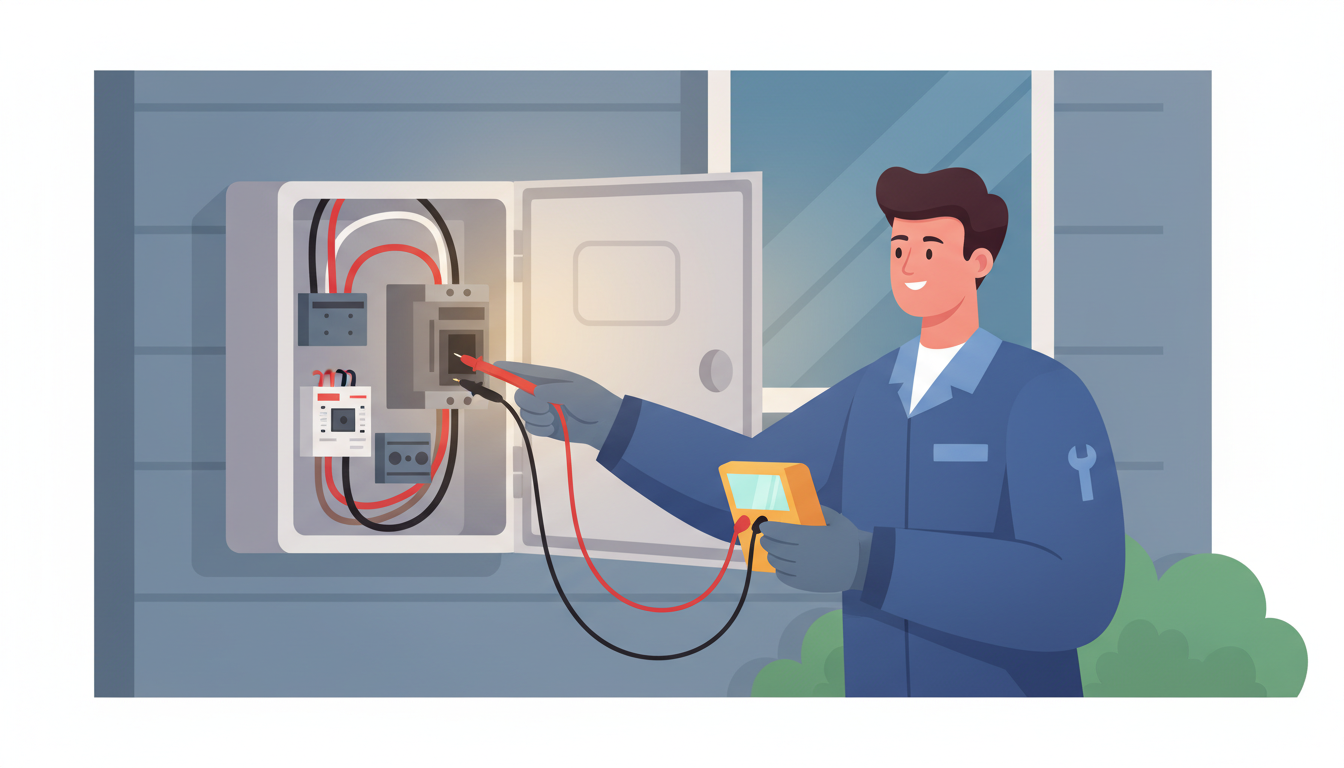
Before we dive into problems, let's quickly review what this critical component does. An AC disconnect box (also called a disconnect switch) is a safety device mounted near your outdoor condenser unit. It allows you to cut power to the air conditioning system quickly and safely during maintenance or emergencies.
The National Electrical Code requires every HVAC system to have a readily accessible disconnect within sight of the outdoor unit. This protects both homeowners and HVAC technicians from electrical shock hazards during repairs.
There are two main types:
- Fused disconnects contain cartridge fuses that protect against electrical overcurrent
- Non-fused disconnects simply provide a manual on/off switch without overcurrent protection
Both types can develop problems over time, though pull-out style disconnects are particularly prone to certain failure modes.
The 7 Most Common Causes of Disconnect Box Problems
1. Loose Wire Connections (The #1 Culprit)
Burnt wires are almost always a sign that connections were loose inside the disconnect box. Here's why this happens:
When electrical connections aren't properly tightened, a small gap forms between the wire and the terminal. Electricity must "jump" across this gap, creating resistance and heat. Over time, this heat buildup melts wire insulation, burns the copper conductor, and can even cause the terminal itself to melt.
What causes wires to loosen:
- Improper installation (terminals not torqued to manufacturer specifications)
- Vibration from the compressor running thousands of cycles per year
- Thermal expansion and contraction as the unit heats and cools
- Aluminum wiring that "creeps" over time under pressure
You'll recognize this problem by blackened or melted wire insulation, discolored terminals, or a burning smell near the disconnect box.
2. Corrosion and Oxidation
Your disconnect box sits outside in all weather conditions. Over months and years, moisture penetrates even "weatherproof" enclosures, leading to corrosion on electrical connections.
How corrosion develops:
- Rain and humidity enter through gaps in the cover or conduit connections
- Morning dew condenses inside the box during temperature swings
- Salt air (in coastal areas) accelerates the corrosion process
- Insects or spiders create entry points for moisture
Corroded connections increase electrical resistance, just like loose connections. The corrosion acts as an insulator, forcing electricity to arc across the corroded area. This generates heat, which accelerates further corrosion in a vicious cycle.
Pull-out disconnects are especially vulnerable because the metal "jaws" that grip the pull-out handle corrode over time, creating poor contact and resistance.
3. Moisture Intrusion and Water Damage
Water is the enemy of electrical equipment. Even disconnect boxes rated as weatherproof can fail if water finds its way inside.
Common water entry points:
- Cracked or missing cover gaskets
- Conduit connections without proper sealing
- Upward-facing knockouts that collect rainwater
- Damage to the enclosure from lawn equipment or hail
- Improperly sealed wire entry holes
Once water gets in, it causes immediate problems: tripped breakers, blown fuses, and corroded connections. If you open your disconnect box after heavy rain and find water pooling inside, you've identified the cause of your AC failure.
4. Age and Material Degradation
Disconnect boxes don't last forever. Outdoor exposure takes a toll on every component.
Age-related failures include:
- UV radiation degrading plastic components and wire insulation
- Repeated heating and cooling cycles weakening metal springs and contacts
- Fuse clips losing tension and failing to grip cartridge fuses properly
- Internal wiring becoming brittle and breaking at connection points
Most disconnect boxes last 15-20 years with proper maintenance, but units in harsh climates (extreme heat, cold, or coastal areas) may fail sooner. If your disconnect is older than 15 years and showing visible deterioration, replacement is often more cost-effective than repairs.
5. Blown Fuses (In Fused Disconnects)
If you have a fused disconnect, blown fuses are a common issue—but they're usually a symptom of a deeper problem, not the root cause.
What causes fuses to blow:
- Short circuit in the outdoor unit wiring
- Compressor failure drawing excessive current
- Lightning strike or power surge
- Wrong fuse size installed during previous repairs
- Deteriorated fuse clips creating resistance and heat
Simply replacing a blown fuse without investigating WHY it blew often leads to repeated failures. If your fuses blow frequently, call an HVAC technician to diagnose the underlying electrical problem.
6. Improper Sizing or Installation
Not all disconnects are created equal. Using the wrong size for your air conditioning system creates problems from day one.
Installation issues include:
- Disconnect rated for lower amperage than the AC unit requires
- Wire gauge too small for the electrical load
- Improper wire type (non-rated for outdoor use)
- Missing or inadequate wire strain relief
- Disconnect mounted too far from the unit (violating code requirements)
These problems may not cause immediate failure, but they stress the electrical system and lead to premature breakdown. If you've recently had HVAC work done and are now experiencing breaker tripping issues, improper sizing could be the culprit.
7. Pest and Rodent Damage
Mice, rats, insects, and even lizards seek shelter in outdoor electrical enclosures. Their presence causes surprising damage:
- Rodents chew through wire insulation
- Insects build nests that block airflow and trap moisture
- Animal urine corrodes metal components
- Nests provide fuel for electrical fires when arcing occurs
If you hear scurrying sounds near your AC unit or see droppings near the disconnect box, pest intrusion could be compromising your electrical connections.
Warning Signs Your Disconnect Box Is Failing
Don't wait for complete failure. Watch for these early indicators:
Visual warning signs:
- Discoloration or black marks on the enclosure exterior
- Burning smell near the disconnect box
- Rust or corrosion visible around the cover
- Melted or warped plastic components
- Moisture or condensation inside the box
Performance symptoms:
- AC unit starts but shuts off after a few minutes
- Intermittent cooling that comes and goes
- Humming noise from outdoor unit but compressor won't start
- Frequent circuit breaker trips at the main panel
- Lights dim when AC unit tries to start
Any of these signs warrant immediate inspection by a professional. Ignoring them risks permanent damage to your expensive compressor or other components.
How to Inspect Your Disconnect Box Safely
SAFETY WARNING: Disconnect boxes contain high voltage that can cause serious injury or death. If you're not comfortable working with electricity, hire a licensed professional. Always turn off power at the main breaker before touching any wires.
If you choose to perform a visual inspection:
-
Turn off power at the main electrical panel—switch off the breaker labeled for your AC unit
-
Open the disconnect box cover and visually inspect (don't touch any wires yet)
-
Look for these problems:
- Burnt, melted, or discolored wires
- Green/white corrosion on terminals or connections
- Loose wires that appear to have pulled away from terminals
- Moisture, rust, or water stains inside the enclosure
- Insect nests or rodent droppings
- Damaged or missing fuses (in fused disconnects)
-
Take photos of any damage you find to show your HVAC technician
Do NOT attempt repairs yourself unless you're a qualified electrician. Loose connections must be properly torqued, corroded terminals should be cleaned or replaced, and any moisture issues need professional sealing.
Repair vs. Replacement: What's the Right Choice?
Minor issues like blown fuses or light corrosion can often be repaired. But extensive damage usually requires full disconnect replacement.
When repair makes sense:
- Single blown fuse with no other damage
- Light surface corrosion that can be cleaned
- Loose connection caught early before wire damage
- Minor moisture intrusion with identifiable fix
When replacement is necessary:
- Melted or heavily burnt wiring
- Corroded pull-out jaws in pull-out disconnects
- Cracked or damaged enclosure
- Multiple components showing age-related failure
- Repeated failures even after repairs
Typical costs:
- Fuse replacement: $75-$150
- Minor electrical repairs: $150-$300
- Full disconnect box replacement: $250-$500
- Emergency after-hours service: Add $100-$200
These prices vary by region and contractor, but they give you a general idea. Compared to the cost of replacing a compressor ($1,500-$3,000), preventive disconnect maintenance is a bargain.
Prevention: How to Avoid Disconnect Box Problems
The best repair is the one you never need. Follow these maintenance practices:
Annual Professional Inspection
Schedule yearly HVAC maintenance that includes disconnect box inspection. A qualified technician will:
- Check all wire connections and tighten as needed
- Clean corrosion from terminals
- Test fuses and replace if weakened
- Verify proper weatherproofing
- Look for signs of moisture intrusion or pest activity
This catches problems early when they're inexpensive to fix, just like catching capacitor failure signs before complete breakdown.
Weatherproofing Upgrades
Improve your disconnect box's resistance to the elements:
- Apply dielectric grease to connections to prevent corrosion
- Install a sunshade or awning to reduce UV exposure
- Seal all conduit entries with weatherproof caulk
- Replace worn gaskets on the cover
- Consider upgrading to a better quality weatherproof enclosure
Regular Visual Checks
Every few months, do a quick external inspection:
- Make sure the cover closes tightly
- Look for rust or damage to the enclosure
- Check that the unit area is clear of debris and vegetation
- Verify no water pools near the disconnect after rain
Address Issues Promptly
Small problems become big ones when ignored. If you notice any warning signs, call a professional before your AC fails completely. Emergency service on a 95-degree weekend costs far more than a scheduled repair during mild weather.
Consider Upgrading Old Equipment
If your disconnect is 15+ years old, consider proactive replacement during your next AC service visit. Modern disconnects offer better weatherproofing and more durable components. The modest upgrade cost pays for itself in reliability.
When to Call a Professional
Some situations require immediate professional attention:
Emergency situations:
- Burning smell or visible smoke from the disconnect box
- Melted or sparking components
- AC won't start at all during extreme heat
- Repeated breaker trips despite resets
Non-emergency but important:
- Visible corrosion or rust on connections
- Water found inside the enclosure
- Age of disconnect exceeds 15 years
- Any disconnected or loose wiring discovered
A licensed HVAC technician or electrician has the tools, training, and safety equipment to diagnose and repair disconnect problems correctly. They'll also identify related issues in your outdoor unit that could be contributing to electrical problems.
FAQ: Common Questions About Disconnect Box Problems
How long do AC disconnect boxes last?
Most disconnect boxes last 15-20 years with proper maintenance. However, units in harsh environments (extreme heat, coastal areas, or very cold climates) may need replacement sooner. Regular inspection helps you catch problems before complete failure.
Can I replace a blown fuse myself?
If you're comfortable working with electrical components, replacing a fuse is straightforward—turn off power at the main breaker, remove the pull-out handle, replace with exact-sized fuses, and reinsert. However, if fuses blow repeatedly, there's an underlying problem that requires professional diagnosis.
Why do disconnect box wires burn up?
Burnt wires result from excessive heat caused by loose connections or corrosion. When connections aren't tight, electrical resistance increases, generating heat that melts insulation and damages wire. This is why proper installation torque and regular maintenance are so important.
Is a corroded disconnect box dangerous?
Yes. Corrosion increases electrical resistance, causing overheating that can damage your AC compressor or create fire hazards. Corroded pull-out disconnects can also fail to disconnect power when pulled, creating safety risks during maintenance.
What's the difference between a disconnect box and a circuit breaker?
Both interrupt power, but they serve different purposes. The circuit breaker in your main panel provides overcurrent protection for the entire circuit. The disconnect box provides a local shutoff point near the equipment for safe maintenance. Most systems need both.
Can rain cause disconnect box problems?
Absolutely. Water intrusion causes immediate issues like blown fuses and tripped breakers, plus long-term corrosion damage. If your AC fails after heavy rain, moisture in the disconnect is a likely culprit. Proper weatherproofing prevents these problems.
Protect Your AC Investment
Your disconnect box is small, inexpensive, and easy to overlook—but it plays a critical role in your air conditioning system's operation and safety. Understanding what causes disconnect box problems outside helps you spot warning signs early, perform appropriate maintenance, and know when to call for professional help.
Don't wait for complete failure during a heat wave. Add disconnect box inspection to your annual maintenance checklist, address minor issues promptly, and replace aging equipment before it leaves you without cooling when you need it most.
Need help diagnosing or repairing your AC disconnect box? Our experienced HVAC technicians can identify problems, perform repairs, and recommend upgrades to keep your system running reliably. Contact us for a comprehensive HVAC inspection and protect your cooling investment.