Gas Furnace Shuts Off After a Few Minutes? Here's Why
Gas Furnace Shuts Off After a Few Minutes? Here's Why
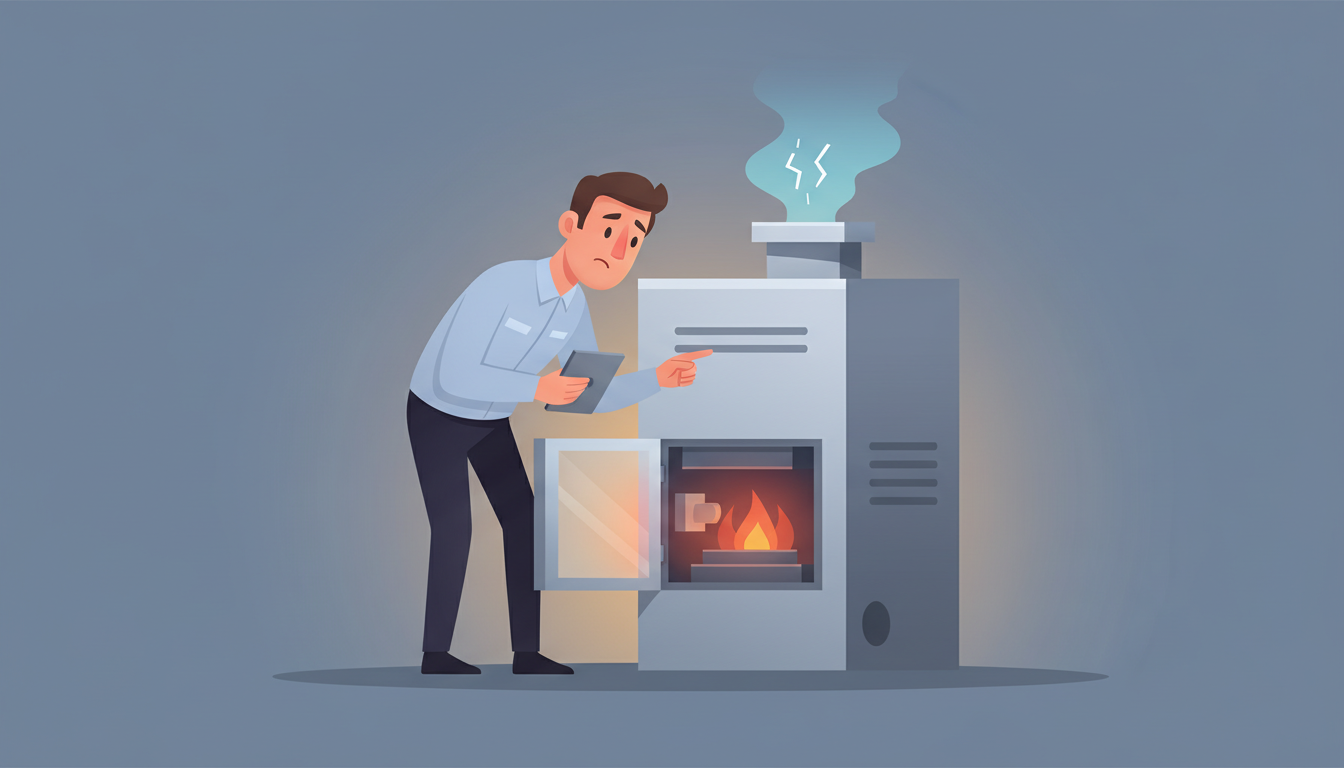
Is your gas furnace shutting off after just a few minutes of running? You're not alone. This frustrating problem, known as "short cycling," affects thousands of homeowners every winter. When your gas furnace shuts off after a few minutes instead of completing its heating cycle, it's not just annoying—it can lead to higher energy bills, uncomfortable temperatures, and even serious safety concerns.
In this guide, you'll discover the most common causes behind furnace short cycling, learn how to identify the problem, and find out which fixes you can handle yourself versus when to call a professional HVAC technician.
What Is Short Cycling and Why Does It Happen?
Short cycling occurs when your furnace turns on, runs for just a few minutes (typically 3-10 minutes), and then shuts off before reaching the temperature set on your thermostat. A normal heating cycle should last 10-15 minutes, allowing your furnace to properly warm your home and operate efficiently.
When your gas furnace keeps shutting off prematurely, it's usually triggered by a safety mechanism designed to protect your system from damage or prevent dangerous situations like carbon monoxide buildup. While these safety features are essential, constant short cycling puts excessive wear on your furnace components and dramatically reduces your system's lifespan.
The 8 Most Common Causes of Gas Furnace Short Cycling
1. Dirty or Faulty Flame Sensor
The flame sensor is one of the most common culprits when a gas furnace shuts off after a few minutes. This small metal rod sits near your burner flames and detects whether the gas is properly igniting. When it becomes coated with soot, carbon buildup, or corrosion, it can't accurately sense the flame—even when the burner is working perfectly.
What happens: Your furnace ignites normally, but after 30 seconds to a few minutes, the dirty flame sensor fails to detect the flame. The control board interprets this as a dangerous situation and triggers an emergency shutdown to prevent unburned gas from accumulating.
DIY Fix: Many homeowners can clean a flame sensor themselves. Turn off power to your furnace at the circuit breaker, locate the flame sensor (consult your owner's manual), and gently clean it with fine-grit sandpaper or an emery cloth. This simple maintenance task takes about 15 minutes and often resolves the short cycling problem immediately.
2. Restricted Airflow from a Clogged Air Filter
A dirty air filter is the simplest—and most overlooked—cause of furnace problems. When your air filter becomes clogged with dust, pet hair, and debris, it restricts airflow through your system. Without adequate airflow, your heat exchanger overheats, triggering the limit switch to shut down your furnace as a safety precaution.
What happens: Your furnace starts normally and heats up quickly, but the restricted airflow causes temperatures inside the unit to spike. The limit switch detects dangerous overheating and shuts everything down. Once the system cools for a few minutes, it tries to restart—creating a frustrating cycle.
DIY Fix: Check your air filter first—it's the easiest and cheapest solution. If it looks dirty or hasn't been changed in 1-3 months, replace it immediately. Standard 1-inch filters should be replaced monthly during heavy heating season, while thicker 4-5 inch filters can last 3-6 months. For comprehensive maintenance guidance, check out our furnace repair guide.
3. Malfunctioning Thermostat
Your thermostat controls when your furnace turns on and off, so any malfunction can cause short cycling. Common thermostat issues include dead batteries, loose wiring, incorrect placement, or outdated technology that can't accurately read your home's temperature.
What happens: A thermostat located near a heat source (like a sunny window or lamp) may sense that the room is warmer than it actually is, causing your furnace to shut off prematurely. Similarly, a thermostat with failing batteries might send intermittent signals that confuse your furnace's control board.
DIY Fix: Start by replacing thermostat batteries if applicable. Check that your thermostat is level and securely mounted. If it's located in direct sunlight, near a drafty door, or above a heating vent, consider relocating it to a more central location on an interior wall. Modern programmable or smart thermostats provide more accurate temperature control and can eliminate many short cycling issues.
4. Faulty Pressure Switch
The pressure switch is a critical safety component that monitors your furnace's venting system. It ensures that combustion gases are properly venting outside your home rather than backing up into your living space. If the pressure switch malfunctions or detects insufficient draft pressure, it won't allow your gas furnace to continue operating.
What happens: During the ignition sequence, the draft inducer motor creates negative pressure that should trigger the pressure switch. If the switch is stuck, corroded, or the sensing tubes are clogged, it won't close properly. Your furnace may ignite but will shut off within minutes when the control board doesn't receive the proper signal from the pressure switch.
Professional Fix: Pressure switch issues require professional diagnosis. An HVAC technician can test the switch with a multimeter, check the sensing tubes for blockages, and inspect the draft inducer motor for proper operation. This isn't a typical DIY repair because misdiagnosing pressure switch problems can create dangerous carbon monoxide situations.
5. Draft Inducer Motor Problems
Your draft inducer motor (also called the inducer fan) runs before and during your furnace's heating cycle. It draws air into the combustion chamber and exhausts combustion gases through your flue pipe. A failing draft inducer motor can't create adequate airflow, which prevents proper venting and triggers safety shutdowns.
What happens: You might hear unusual noises—squealing, grinding, or rattling—coming from your furnace before it shuts off. The motor may struggle to reach proper speed, causing the pressure switch to remain open and preventing the ignition sequence from completing. Or the motor might work initially but overheat and shut down after a few minutes.
Professional Fix: Draft inducer motor repair or replacement requires specialized knowledge. The motor must create specific pressure levels to satisfy safety switches, and improper installation can lead to dangerous venting problems. If you hear unusual sounds from your furnace or notice weak airflow from your exhaust vent, contact a professional immediately.
6. Cracked Heat Exchanger
A cracked heat exchanger is one of the most serious furnace problems. The heat exchanger separates combustion gases from the air that circulates through your home. Cracks can develop from normal wear and tear, corrosion, or chronic overheating caused by poor airflow. When cracks form, they allow dangerous combustion gases to mix with your breathing air.
What happens: Many modern furnaces have safety sensors that detect when exhaust gases escape through heat exchanger cracks. These sensors trigger immediate shutdown to protect your family from carbon monoxide exposure. Your furnace may run for a few minutes until internal temperatures rise enough for gases to escape through the cracks, activating the safety shutdown.
Professional Fix: Heat exchanger replacement is expensive—often $1,000-$2,000 or more. In many cases, if your furnace is more than 15 years old, complete furnace replacement makes more financial sense than replacing the heat exchanger. Never attempt to repair or seal heat exchanger cracks yourself. This is strictly a job for licensed HVAC professionals.
7. Defective Control Board
Your furnace's control board is essentially its computer brain, managing the entire heating sequence from ignition to shutdown. A malfunctioning control board can send incorrect signals, fail to recognize proper sensor inputs, or shut down your system erratically.
What happens: The symptoms of a faulty control board are often inconsistent. Your furnace might work fine one day and short cycle the next. You may notice that the blower continues running after the burners shut off, or the ignition sequence happens out of order. The control board might incorrectly interpret signals from working components and trigger unnecessary shutdowns.
Professional Fix: Control board diagnosis requires specialized testing equipment and expertise. HVAC technicians use multimeters and diagnostic tools to test voltage, circuit continuity, and proper signal transmission. Since control boards cost $200-$600, proper diagnosis is essential to avoid replacing a working board when the problem lies elsewhere.
8. Oversized Furnace
An oversized furnace heats your home too quickly, satisfying your thermostat before completing a proper heating cycle. This is a design problem rather than a malfunction, but it causes the same short cycling symptoms. Oversized furnaces are often installed by contractors who incorrectly calculate heating loads or who deliberately oversize equipment "to be safe."
What happens: Your furnace produces so much heat that it rapidly warms the area around your thermostat. The thermostat shuts off the system while other areas of your home remain cold. The cycle repeats constantly, creating uneven temperatures, excessive wear on furnace components, and dramatically higher energy bills.
Professional Fix: If load calculations (called Manual J calculations) confirm your furnace is significantly oversized, replacement is the only permanent solution. Some HVAC professionals can partially mitigate oversizing through thermostat adjustments or zone control systems, but these are temporary fixes. Proper furnace sizing based on your home's square footage, insulation, and climate is essential for efficient, reliable heating.
Additional Causes and Less Common Issues
Limit Switch Problems
The limit switch monitors heat exchanger temperature and shuts down your furnace if it overheats. A malfunctioning limit switch might trigger shutdown even when temperatures are safe, or conversely, fail to shut down during dangerous overheating.
Gas Valve Issues
A faulty gas valve may not open fully, producing weak flames that the flame sensor struggles to detect. Alternatively, a valve that sticks partially closed reduces fuel flow and causes irregular operation.
Blocked or Restricted Flue Pipe
Birds' nests, debris, or ice buildup can block your flue pipe, preventing proper venting. Your pressure switch will detect this blockage and prevent operation to avoid carbon monoxide accumulation indoors.
Blower Motor Malfunctions
When your blower motor fails, overheats, or runs too slowly, it can't circulate adequate air through your heat exchanger. This causes overheating and triggers safety shutdowns. Listen for unusual motor noises or weak airflow from your vents.
How to Troubleshoot a Gas Furnace That Keeps Shutting Off
Before calling a professional, you can safely check several things yourself:
- Replace your air filter - This solves the problem 30-40% of the time
- Check thermostat batteries - Replace them even if they seem fine
- Inspect vents and registers - Ensure at least 80% are open for proper airflow
- Listen for unusual sounds - Grinding, squealing, or clicking can indicate specific component failures
- Check your circuit breaker - A tripped breaker or loose connection can cause intermittent operation
- Inspect the area around your furnace - Ensure nothing blocks airflow to your system
- Look at your exhaust vent outside - Check for blockages or ice buildup in cold weather
If you notice any gas furnace smell like gas, shut off your furnace immediately and contact emergency services or your gas company. Never attempt to operate a furnace that smells like gas.
DIY Fixes vs. Professional HVAC Repair
Safe DIY Fixes:
- Replacing air filters
- Changing thermostat batteries
- Cleaning flame sensors (with power completely off)
- Clearing debris from around your furnace
- Opening closed vents and registers
Requires Professional HVAC Technician:
- Pressure switch testing and replacement
- Draft inducer motor repair
- Heat exchanger inspection
- Control board diagnosis
- Gas valve adjustment or replacement
- Blower motor replacement
- Limit switch calibration
- Carbon monoxide testing
The rule of thumb: if your repair involves electrical components, gas connections, or combustion testing, hire a licensed professional. The risks of improper DIY repair include fire, explosion, carbon monoxide poisoning, and voiding your furnace warranty.
How Much Does It Cost to Fix a Short Cycling Furnace?
Repair costs vary significantly based on the underlying cause:
- Air filter replacement: $15-$50 (DIY)
- Flame sensor cleaning: $0 (DIY) or $80-$150 (professional)
- Thermostat replacement: $150-$400 for basic models, $200-$500 for smart thermostats
- Pressure switch replacement: $150-$300
- Draft inducer motor replacement: $300-$600
- Control board replacement: $300-$800
- Blower motor replacement: $400-$800
- Heat exchanger replacement: $1,000-$2,500+
- Complete furnace replacement: $2,500-$7,500 depending on size and efficiency
Many HVAC companies charge $75-$150 for diagnostic service calls. This fee often applies toward repair costs if you authorize the work.
Prevention: How to Stop Your Furnace from Short Cycling
Regular maintenance prevents most short cycling problems:
- Replace air filters monthly during heating season (every 1-3 months depending on filter type)
- Schedule annual professional maintenance before heating season begins
- Keep vents and registers open in at least 80% of your rooms
- Clean around your furnace to maintain proper airflow
- Install a carbon monoxide detector near your furnace and in sleeping areas
- Address minor problems immediately before they escalate into expensive repairs
- Consider upgrading to a smart thermostat for better temperature control
For a comprehensive approach to maintaining your entire HVAC system, see our complete HVAC repair guide.
When to Replace vs. Repair Your Furnace
The "50% rule" helps determine whether repair makes financial sense: if your furnace is more than halfway through its expected lifespan (typically 15-20 years) and the repair costs more than 50% of replacement cost, replacement usually offers better value.
Consider replacement if:
- Your furnace is 15+ years old
- Repair costs exceed $1,000
- You've had multiple repairs in recent years
- Your energy bills keep increasing despite repairs
- Replacement furnaces are 15-30% more efficient than models from the 1990s and early 2000s
Repair makes sense if:
- Your furnace is less than 10 years old
- The repair is simple and inexpensive (under $500)
- You plan to sell your home within 2-3 years
- A single component failure caused the problem
Frequently Asked Questions
Why does my furnace shut off after 10 minutes?
If your gas furnace shuts off after about 10 minutes, the most likely causes are a dirty flame sensor or restricted airflow from a clogged air filter. These are the two most common issues and both are relatively easy to fix. Start by replacing your air filter—if that doesn't solve the problem, the flame sensor probably needs cleaning.
Is it dangerous when my gas furnace keeps shutting off?
It can be. While the shutdowns themselves are safety features protecting you from hazards, the underlying cause might involve carbon monoxide risk, gas buildup, or fire hazards. If you smell gas, notice soot around your furnace, experience frequent headaches when your furnace runs, or your carbon monoxide detector alarms, treat this as an emergency. Shut off your furnace and contact professionals immediately.
How much does it cost to fix a furnace that keeps cycling?
The cost depends on the cause. Simple fixes like replacing an air filter cost $15-$50 (DIY) or having a flame sensor cleaned costs $80-$150. More complex repairs range from $150 for a pressure switch to $800+ for control board or blower motor replacement. Diagnostic service calls typically cost $75-$150, which often applies toward repair costs.
Can I fix a short cycling furnace myself?
You can safely handle some fixes yourself: replacing air filters, changing thermostat batteries, and cleaning flame sensors (with power off). However, repairs involving the pressure switch, gas valve, control board, draft inducer motor, or heat exchanger require professional expertise. Attempting these repairs yourself risks serious safety hazards and will void your warranty.
How often should I replace my furnace air filter?
Standard 1-inch pleated filters should be replaced monthly during peak heating and cooling seasons. Higher-quality pleated filters or thicker 4-5 inch filters can last 3-6 months. However, homes with pets, smokers, or ongoing construction may need more frequent changes. Check your filter monthly—if it looks dirty or you can't see light through it, replace it immediately.
Take Action: Stop Your Furnace Short Cycling Today
A gas furnace that shuts off after a few minutes isn't just inconvenient—it's costing you money on energy bills, putting excessive wear on your equipment, and potentially creating safety hazards. Start with the simple fixes: replace your air filter, check thermostat batteries, and ensure adequate airflow through your vents.
If these basic steps don't resolve your short cycling problem within 24 hours, contact a licensed HVAC professional. The longer you delay professional diagnosis, the more damage occurs to your furnace components—turning a $150 repair into a $800+ emergency service call.
Don't let a small problem become a major expense. Address your furnace short cycling today to restore comfort, safety, and efficiency to your home heating system.