
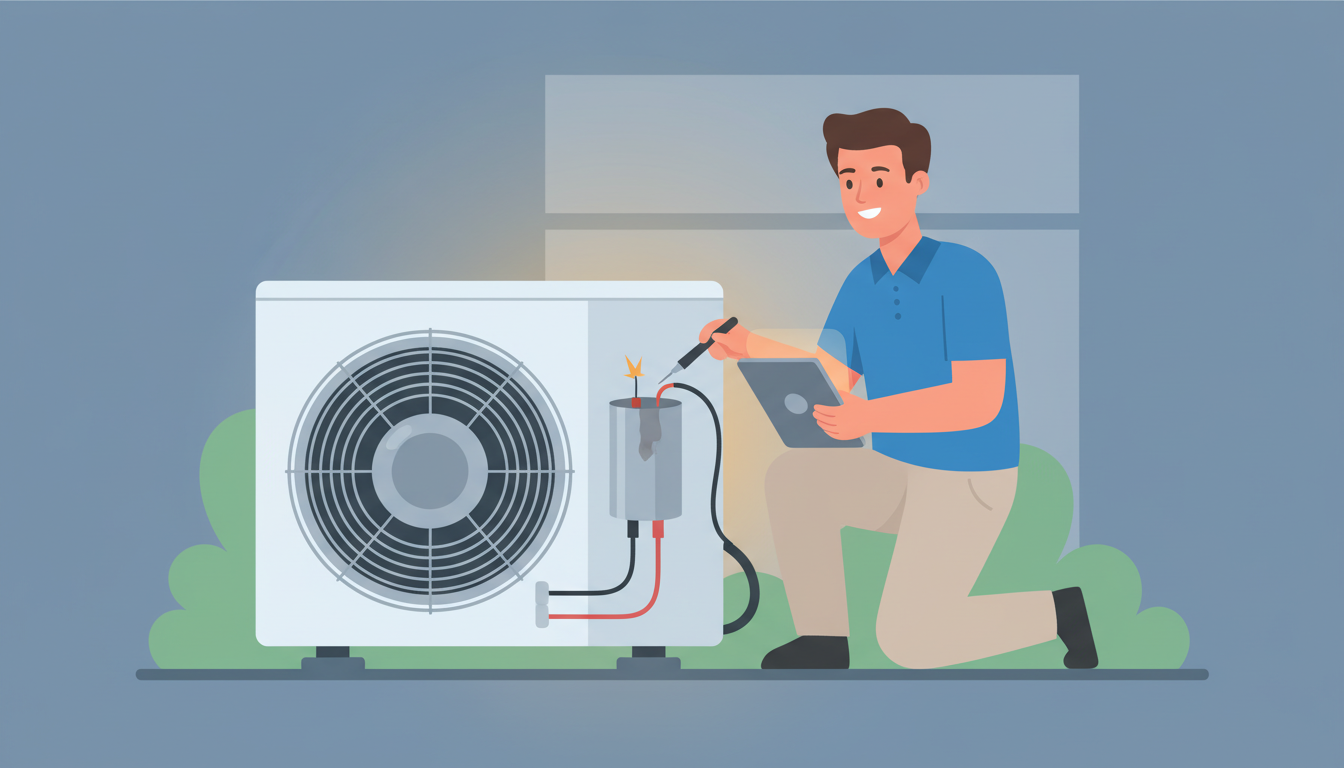
What Causes a Hard Start Problem in Air Conditioners?
What Causes a Hard Start Problem in Air Conditioners?
Is your air conditioner struggling to kick on? Do you hear clicking, grinding, or stuttering sounds when your AC tries to start? If your system hesitates or labors before it finally begins cooling, you're dealing with a hard start problem. This issue isn't just annoying—it's a warning sign that your air conditioner is working harder than it should, which can lead to expensive repairs or even complete system failure if you ignore it.
In this guide, you'll learn exactly what causes a hard start problem in air conditioners, how to recognize the warning signs, and what you can do to fix it before it turns into a costly disaster.
What Is a Hard Start Problem in an Air Conditioner?
A hard start problem occurs when your AC compressor struggles to begin its cooling cycle. Think of it like trying to start a car engine on a freezing winter morning—the motor turns over slowly, hesitates, and might take several attempts before it finally catches.
Your air conditioner's compressor is the heart of your cooling system. It needs a significant jolt of electrical power to overcome initial resistance and start moving. When everything's working properly, this startup happens smoothly and almost instantly.
But when you have a hard start problem, the compressor motor can't engage properly. You might notice:
- Clicking or stuttering sounds from the outdoor unit
- Delayed cooling after you adjust the thermostat
- Brief cycling where the system tries to start, fails, and tries again
- Dimming lights in your home when the AC attempts to start
- Longer startup times before cool air flows from your vents
This struggle puts enormous strain on your entire HVAC system, especially the compressor motor. Every time your AC labors through a hard start, it's wearing down components faster than normal operation would.
Main Causes of Air Conditioner Hard Start Problems
Several different issues can cause hard starting in your AC unit. Let's look at each one so you can better understand what might be happening with your system.
1. Failing or Weak Capacitors
Capacitors are the number one cause of hard starting problems. Your AC has two types of capacitors: start capacitors and run capacitors.
The start capacitor stores electrical energy and releases it in a powerful burst to get your compressor motor spinning. The run capacitor provides a steady current to keep the motor running smoothly once it's started.
Over time, heat and normal wear cause capacitors to lose their ability to store voltage. When your start capacitor weakens, it can't deliver the electrical punch your compressor needs to overcome initial resistance. The result? Your AC struggles to start.
Signs your capacitors are failing:
- Hard starting that gets progressively worse
- Humming sounds from the outdoor unit without the compressor starting
- The AC won't start at all
- Intermittent starting issues
Capacitors typically last 10-20 years, but extreme heat can shorten their lifespan significantly. If you live in a hot climate where your AC runs constantly during summer, your capacitors may fail sooner.
2. Loss of Compressor Lubrication
Your compressor has moving parts that need proper lubrication to function smoothly. When lubrication breaks down or leaks out, internal components create more friction and resistance.
This increased resistance means your compressor motor has to work much harder to overcome that initial "stickiness" and start moving. It's like trying to turn a rusty wheel versus a well-oiled one.
Lack of lubrication can happen because:
- Age and normal wear break down lubricants over time
- Refrigerant leaks can carry oil out of the system
- Contamination from moisture or debris damages the oil
- Improper installation left insufficient lubrication from the start
A "tight" compressor from poor lubrication will struggle every time it tries to start. This issue typically appears gradually and worsens over time.
3. Electrical Problems and Low Voltage
Your AC compressor needs consistent, adequate voltage to start properly. When electrical issues reduce available power, hard starting is often the result.
Common electrical causes include:
- Loose or corroded wiring connections that increase resistance
- Undersized electrical circuits that can't deliver enough power
- Brownouts or voltage drops from power grid issues
- Faulty contactors or relays that don't engage properly
- Circuit breaker problems that restrict current flow
During peak usage times on hot summer days, power companies sometimes reduce voltage to prevent grid overload. These brownouts make it harder for your AC to start because the compressor isn't getting its full electrical requirements.
Loose wire connections are another common culprit. As connections vibrate and expand/contract with temperature changes, they can work loose over time, creating resistance that reduces voltage reaching your compressor.
4. Refrigerant Issues
Both too little and too much refrigerant can cause hard starting problems.
Low refrigerant levels from leaks force your compressor to work harder to move what little refrigerant remains through the system. This extra strain makes startup more difficult. If you need help understanding condenser coil problems that can lead to refrigerant leaks, check out our detailed guide.
Overcharged systems with too much refrigerant create excessive pressure that the compressor must overcome to start. This is less common but can happen after an improper service call where a technician added too much refrigerant.
Signs of refrigerant problems include:
- Hard starting combined with poor cooling performance
- Ice buildup on refrigerant lines
- Hissing sounds indicating leaks
- Higher than normal energy bills
Refrigerant doesn't just "run out" like gasoline—if levels are low, you have a leak that needs professional repair.
5. Aging and Worn Compressor
Sometimes the compressor itself is simply wearing out. Compressors contain multiple moving parts that endure tremendous stress with every startup and shutdown cycle.
Over 10-15 years of operation, internal components wear down:
- Bearings develop play and roughness
- Pistons and cylinders (in reciprocating compressors) wear and lose compression
- Valve plates become damaged or warped
- Motor windings deteriorate from heat stress
An aging compressor develops increasing resistance to startup as these internal parts wear. If your AC system is approaching or exceeding 15 years old and you're experiencing hard starting, the compressor is likely near the end of its service life.
For comprehensive information on when aging equipment needs attention, our HVAC repair guide covers all the warning signs.
6. Dirty or Blocked Condenser Unit
Your outdoor condenser unit needs adequate airflow to dissipate heat. When the condenser coil gets caked with dirt, pollen, grass clippings, or debris, or when vegetation grows too close, airflow restriction causes problems.
Poor airflow leads to:
- Higher operating temperatures that stress components
- Increased internal pressure the compressor must overcome
- Reduced efficiency that makes starting harder
- Capacitor failure from excessive heat buildup
Regular outdoor unit maintenance prevents this issue. Simply hosing down your condenser coils and keeping vegetation trimmed back can prevent hard starting caused by restricted airflow.
Warning Signs You Have a Hard Start Problem
Catching hard starting early can prevent major damage. Watch for these symptoms:
Audible Clues:
- Clicking, chattering, or stuttering from the outdoor unit
- Grinding or groaning sounds during startup
- Humming without the compressor actually starting
- Buzzing noises that weren't there before
Operational Signs:
- Delayed cooling after thermostat adjustment
- Multiple attempts to start before successful operation
- Brief on/off cycling
- Tripped circuit breakers
Home Impact:
- Lights dimming when the AC tries to start
- Higher electricity bills from increased startup power consumption
- Uneven cooling as the system struggles
Progressive Worsening: Hard start problems rarely improve on their own. If you notice these symptoms becoming more frequent or severe, don't wait—the issue will only get worse and more expensive to fix.
How Hard Starting Damages Your Air Conditioner
Every hard start puts extreme stress on your AC system. Understanding the damage helps you appreciate why prompt repair matters.
Compressor Burnout
The compressor motor draws maximum current during startup—often 5-7 times its normal running amperage. When hard starting forces the motor to labor through this high-current period repeatedly, excessive heat builds up in the motor windings.
Over time, this heat degrades the insulation on electrical windings. Eventually, the insulation fails, windings short circuit, and the compressor burns out completely. Compressor replacement typically costs $1,500-$2,500 or more, often making system replacement the more economical choice.
Capacitor Failure
Hard starting accelerates capacitor wear. Each difficult startup cycle stresses the capacitor beyond normal parameters. What might have been a capacitor with 5 years of life left can fail within months under hard starting conditions.
Electrical Component Damage
The excessive current draw during hard starts stresses contactors, relays, and wiring. Contacts can pit and burn, creating even worse electrical connections that compound the problem.
Shortened System Lifespan
All these compounding stresses reduce your AC's expected lifespan. A system that should last 15-20 years might only make it 10-12 years if hard starting goes unaddressed.
Skyrocketing Energy Bills
AC units consume the most electricity during the startup cycle. When your system struggles through multiple attempted starts or labors through difficult startups several times per hour, your energy consumption can increase by 15-30% or more.
Solutions: How to Fix a Hard Starting Air Conditioner
The right solution depends on what's causing your hard start problem. Here's what professionals typically recommend.
Capacitor Replacement
If failing capacitors are the culprit (which they often are), replacement is straightforward and affordable. Most capacitor replacements cost $150-$400 depending on your system and location.
This is a job for professionals—capacitors store lethal voltage even when power is off. Don't attempt DIY capacitor replacement unless you have proper training and equipment.
Installing a Hard Start Kit
A hard start kit adds extra capacitance to give your compressor an additional electrical boost during startup. These kits include a start capacitor and relay that provide extra torque to overcome resistance.
Hard start kits are particularly useful when:
- Your compressor is aging but not ready for replacement
- You experience voltage drops or brownouts
- Your system is correctly sized but struggles during peak heat
- You want to extend the life of an older system
Professional installation of a hard start kit typically costs $200-$500. The kit helps your compressor start more easily, reducing stress and extending lifespan.
However, a hard start kit is a helper, not a cure-all. If your compressor is severely worn or you have major electrical problems, a hard start kit won't solve the underlying issue.
Electrical System Repairs
Loose connections, faulty wiring, or inadequate circuits require proper electrical repairs. This might include:
- Tightening or replacing wire connections
- Upgrading to properly sized circuits
- Installing a dedicated AC circuit if one doesn't exist
- Replacing damaged contactors or relays
Electrical repairs vary widely in cost depending on the specific issue, typically ranging from $100 for simple repairs to $500+ for circuit upgrades.
Refrigerant Service
If refrigerant levels are the problem, a technician needs to:
- Find and repair any leaks
- Add or remove refrigerant to achieve proper charge
- Test system operation to ensure correct levels
Refrigerant service typically costs $200-$600 depending on the amount needed and labor involved. Note that older R-22 refrigerant is expensive and increasingly scarce, which might make system replacement more economical for older units.
Our central AC repair guide covers refrigerant issues and other common problems in detail.
Compressor Replacement or System Replacement
When the compressor itself is worn out, you face a major decision. Compressor replacement costs $1,500-$2,500 or more for parts and labor.
However, if your system is over 10-12 years old, complete system replacement often makes more financial sense. New systems are significantly more efficient, and you avoid pouring money into aging equipment that may have other failures soon.
Consider replacement when:
- Your AC is 12+ years old
- Repair costs exceed 50% of replacement cost
- Your system uses obsolete R-22 refrigerant
- You've had multiple major repairs in recent years
Preventing Hard Start Problems
Prevention saves money and headaches. Here's how to avoid hard starting issues:
Regular Professional Maintenance
Annual AC tune-ups let technicians catch developing problems before they become hard start issues. Maintenance includes:
- Capacitor testing and replacement if needed
- Electrical connection tightening
- Refrigerant level checks
- Compressor amp draw testing
- Cleaning and inspection
Most maintenance plans cost $150-$300 annually—far less than emergency repairs.
Keep Your Condenser Clean
Clean your outdoor unit at least twice per cooling season:
- Turn off power at the disconnect box
- Remove debris from around the unit
- Gently spray the coils from inside out with a garden hose
- Trim vegetation back at least 2 feet on all sides
- Straighten any bent fins with a fin comb
Don't Ignore Warning Signs
Address hard starting symptoms immediately. The earlier you catch the problem, the less expensive the fix and the less damage occurs to other components.
Avoid Short Cycling
Constantly adjusting your thermostat forces your AC through multiple startup cycles, accelerating wear. Set your thermostat to a comfortable temperature and leave it there rather than constantly adjusting it.
Consider a Programmable or Smart Thermostat
Modern thermostats reduce unnecessary cycling by learning your schedule and optimizing cooling times. Fewer startup cycles means less wear on your compressor and capacitors.
Can You Fix Hard Starting Yourself?
The short answer: probably not safely.
While some HVAC maintenance is DIY-friendly (like changing filters and cleaning condensers), hard start diagnosis and repair requires:
- Specialized electrical knowledge
- Proper testing equipment (multimeters, clamp meters, capacitor testers)
- Understanding of HVAC systems
- Safety training to work with high voltage
Capacitors remain charged even with power off and can deliver lethal shocks. Electrical work on your AC involves line voltage that can be fatal without proper precautions.
What you CAN do:
- Check your circuit breaker to ensure it hasn't tripped
- Clean debris away from your outdoor unit
- Change your air filter
- Listen for and note specific sounds to describe to your technician
- Check that your thermostat is set correctly
What you should leave to professionals:
- Capacitor testing and replacement
- Electrical troubleshooting and repair
- Refrigerant work (by law, requires EPA certification)
- Hard start kit installation
- Compressor diagnosis and repair
How Much Does It Cost to Fix Hard Starting?
Repair costs vary based on the underlying cause:
- Capacitor replacement: $150-$400
- Hard start kit installation: $200-$500
- Electrical repairs: $100-$500
- Refrigerant service: $200-$600
- Compressor replacement: $1,500-$2,500+
- Full system replacement: $3,500-$7,500+
Getting the problem diagnosed early typically means you're looking at the lower end of this range. Wait until your compressor burns out, and you're facing major expenses.
Most HVAC companies charge $75-$150 for a diagnostic visit. This fee often applies toward repair costs if you hire them for the work.
Frequently Asked Questions
What is a hard start problem in AC?
A hard start problem occurs when your air conditioner's compressor struggles to begin its cooling cycle. You'll typically hear clicking, grinding, or stuttering sounds, and the unit may take several attempts before it successfully starts. This happens when the compressor motor can't overcome initial resistance due to failing capacitors, electrical issues, or worn components.
How do I know if my AC has a hard start problem?
Listen for clicking, chattering, or grinding sounds from your outdoor unit during startup. Other signs include delayed cooling after adjusting your thermostat, lights dimming when the AC tries to start, brief on-off cycling, and progressively longer startup times. If your system hesitates or labors before beginning to cool, you likely have a hard start issue.
Can I fix a hard starting AC myself?
No, hard start repairs require professional expertise. While you can clean your outdoor unit and check your circuit breaker, diagnosing and fixing hard starts involves working with high voltage, testing capacitors that remain charged even when power is off, and using specialized equipment. Attempting DIY repairs risks electrocution, further damage to your system, and voiding warranties.
How much does it cost to fix a hard starting AC?
Simple fixes like capacitor replacement typically cost $150-$400, while hard start kit installation runs $200-$500. Electrical repairs range from $100-$500, and refrigerant service costs $200-$600. If the compressor itself needs replacement, expect $1,500-$2,500 or more. Getting the problem diagnosed early usually means lower repair costs.
Will a hard start kit fix my AC problem?
A hard start kit can help if your compressor is aging but functional, if you experience voltage drops, or if your system struggles during peak heat. However, it won't fix underlying issues like failed capacitors, refrigerant leaks, or severe compressor wear. Think of a hard start kit as a helper for an otherwise functional system, not a cure for major problems. Your technician should diagnose the root cause before recommending a hard start kit.
Is hard starting dangerous for my air conditioner?
Yes, hard starting causes serious damage over time. Every difficult start puts extreme stress on your compressor motor, drawing 5-7 times normal current and generating excessive heat. This accelerates capacitor failure, damages electrical components, can cause compressor burnout (a $1,500-$2,500+ repair), and shortens your system's lifespan by several years. Hard starting also increases energy bills by 15-30% or more.
Don't Let Hard Starting Destroy Your AC
Hard start problems in air conditioners rarely fix themselves. What starts as an occasional clicking sound can quickly escalate into a completely failed system. The longer you wait, the more damage occurs and the more expensive repairs become.
If you're noticing any hard starting symptoms—clicking sounds, delayed cooling, or multiple startup attempts—call a qualified HVAC technician right away. A simple capacitor replacement today might cost $200-$300, but waiting until your compressor burns out could mean a $2,000+ repair or full system replacement.
Regular maintenance, prompt attention to warning signs, and professional diagnosis are your best defenses against hard start problems. Your air conditioner works hard to keep you comfortable—give it the care it needs to do its job reliably for years to come.
Need help with your struggling AC? Don't wait for a complete breakdown. Contact a licensed HVAC professional today to diagnose and fix hard starting before it turns into an expensive disaster.