
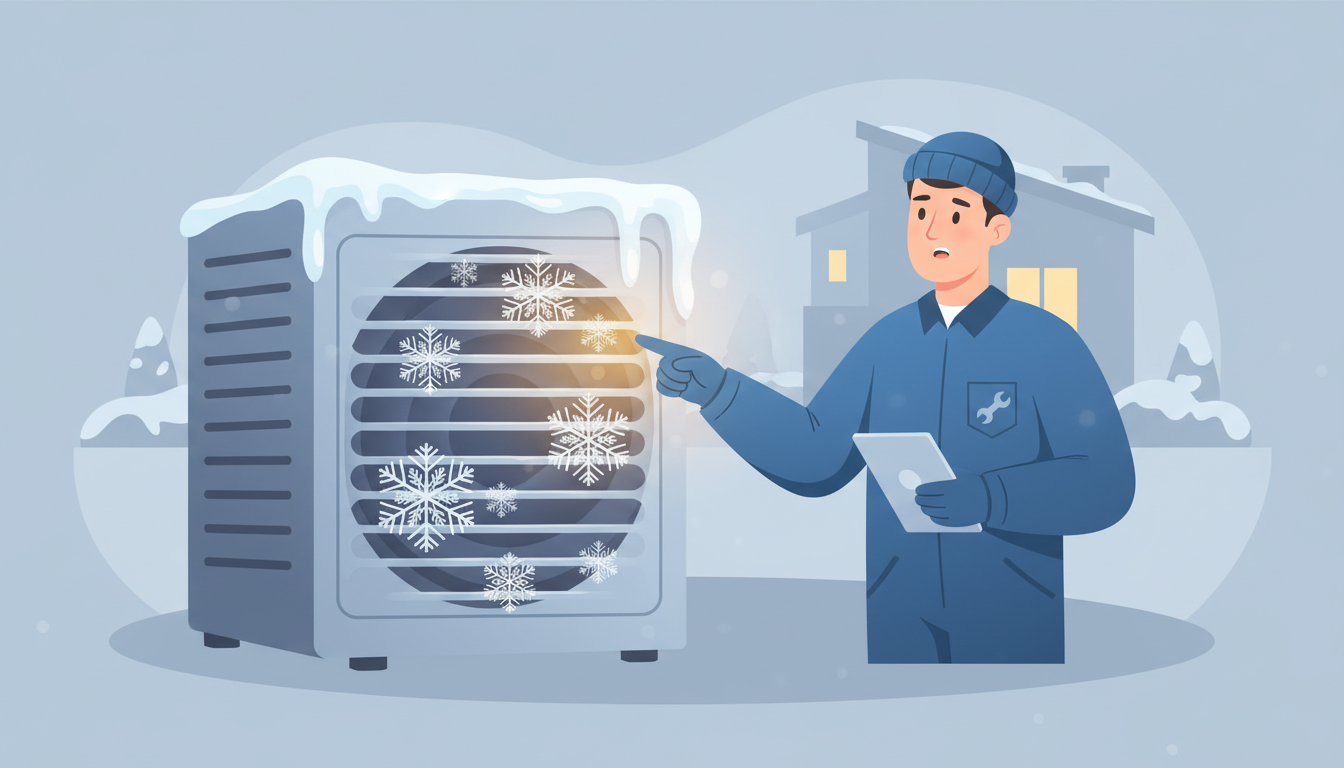
What Causes Ice on a Heat Pump Outdoor Unit? (Complete Guide)
What Causes Ice on a Heat Pump Outdoor Unit? (Complete Guide)
When you look outside on a cold winter morning and see your heat pump outdoor unit covered in ice, it's natural to worry. Is this normal? Should you be concerned? Understanding what causes ice on a heat pump outdoor unit can help you determine whether you're dealing with routine operation or a serious problem that needs immediate attention.
In this guide, we'll explain why ice forms on heat pumps, when it's normal, and when it signals a problem that requires professional HVAC service.
How Heat Pumps Work in Winter (and Why Ice Forms)
Before we dive into what causes ice buildup, let's quickly cover how your heat pump operates during cold weather.
Unlike a traditional furnace that generates heat by burning fuel, your heat pump extracts warmth from outdoor air and transfers it inside your home. Even when it's freezing outside, there's still heat energy in the air that your system can use.
Here's the process: Your outdoor unit pulls in cold air, and refrigerant in the condenser coil absorbs the available heat. This refrigerant then cycles to your indoor unit, where it releases that heat to warm your home.
During this heat transfer process, the outdoor coil's temperature drops significantly—often below freezing. When moisture in the air contacts these super-cold coils, condensation forms and freezes almost instantly. This is why seeing some frost or ice on your heat pump is completely normal during winter operation.
Normal Ice vs. Problematic Ice: How to Tell the Difference
Not all ice on your heat pump means trouble. The key is knowing what's normal and what's not.
Normal ice buildup looks like:
- A thin, white layer of frost covering the coils
- Light ice accumulation that appears and disappears as the defrost cycle runs
- Frost that melts away within 30-60 minutes during defrost mode
- Ice that doesn't block airflow through the unit
Problematic ice buildup looks like:
- Thick ice encasing the entire outdoor unit, including the top and sides
- Ice that persists for hours without melting
- Ice blocking the fan or preventing air from flowing through the coils
- Solid ice accumulation at the base of the unit
- Ice that returns immediately after a defrost cycle
If you're seeing excessive ice that matches the problematic signs above, you likely have an issue that needs professional attention. For guidance on handling these situations, check out our heat pump repair guide.
What Is the Defrost Cycle?
Your heat pump has a built-in solution for normal frost buildup: the defrost cycle.
Every 30 to 90 minutes (depending on outdoor conditions), your system automatically enters defrost mode. During this cycle, your heat pump temporarily reverses operation—switching from heating mode to cooling mode. This sends hot refrigerant to the outdoor coil, melting away any accumulated ice.
You'll know your defrost cycle is running when:
- Steam or vapor rises from the outdoor unit
- You hear the outdoor fan stop running
- The auxiliary or emergency heat kicks on to maintain indoor comfort
- Ice visibly melts and drips from the unit
A normal defrost cycle lasts 5 to 15 minutes. If your unit is stuck in defrost mode or never enters it at all, you have a defrost malfunction that needs repair.
8 Common Causes of Ice on Heat Pump Outdoor Units
Now let's explore what causes ice on a heat pump outdoor unit beyond normal operation. These are the most common culprits behind excessive ice buildup.
1. Defrost Cycle Malfunction
The most frequent cause of a frozen heat pump is a faulty defrost system.
Your defrost cycle is controlled by a defrost control board, temperature sensors, and a reversing valve. If any of these components fail, your system can't clear away ice buildup. The ice keeps accumulating until your entire outdoor unit is encased in a block of ice.
Common defrost system failures include:
- Defrost control board failure (won't initiate defrost cycles)
- Faulty outdoor temperature sensor (sends incorrect readings)
- Stuck reversing valve (can't switch to cooling mode for defrost)
- Defrost relay or timer malfunction
This is a professional repair. Don't try to manually force your system into defrost mode or chip away ice yourself—you could damage expensive components.
2. Low Refrigerant Levels
Low refrigerant is another leading cause of heat pump ice buildup.
When your system doesn't have enough refrigerant charge, it can't absorb heat efficiently from outdoor air. The coil temperature drops even lower than normal, causing excessive condensation and ice formation.
Signs of low refrigerant:
- Ice forming on the outdoor coils even in moderate temperatures
- Reduced heating capacity (your home doesn't get warm enough)
- Ice on the refrigerant lines leading to the outdoor unit
- Hissing sounds indicating a refrigerant leak
Low refrigerant always means you have a leak somewhere in your system. Simply adding more refrigerant without fixing the leak is a temporary fix at best. A qualified HVAC technician needs to locate the leak, repair it, and properly recharge your system.
3. Dirty or Clogged Air Filter
A dirty air filter might seem like a minor issue, but it's a surprisingly common cause of heat pump freezing.
When your filter is clogged with dust, pet hair, and debris, it restricts airflow through your system. This reduced airflow means your indoor coil can't absorb enough heat from your home, which throws off the entire heat exchange process and can lead to freezing at the outdoor unit.
How to prevent this:
- Check your air filter monthly during winter
- Replace disposable filters every 1-3 months (more often if you have pets)
- Clean reusable filters according to manufacturer instructions
- Use the correct filter size and MERV rating for your system
Changing your filter is the easiest maintenance task you can do yourself to prevent icing problems. It takes just a few minutes and can save you from expensive repair calls.
4. Blocked Outdoor Unit
Your outdoor unit needs unrestricted airflow to function properly. When airflow is blocked, your heat pump can't release or absorb heat effectively, leading to ice accumulation.
Common airflow obstructions include:
- Snow piled against or on top of the unit
- Leaves, grass clippings, and debris stuck in the coil fins
- Overgrown shrubs or vegetation crowding the unit
- Ice or snow blocking the fan
- Dirt and grime coating the condenser coil
Your outdoor unit should have at least 2-3 feet of clear space on all sides. During winter, regularly check and clear away snow, ice, and debris. Never place a cover over your heat pump while it's operating—this traps moisture and blocks essential airflow.
For more tips on preventing heat pump issues during winter, see our article on heat pump freezing up outside.
5. Malfunctioning Reversing Valve
The reversing valve is the component that allows your heat pump to switch between heating and cooling modes—including during the defrost cycle.
When this valve sticks or fails, your system can't reverse operation to melt ice during defrost. You might notice your heat pump stuck in one mode, unable to heat properly, or unable to clear ice buildup even though the defrost cycle seems to run.
Symptoms of reversing valve problems:
- Heat pump blows cold air instead of warm air
- Unit makes a hissing or clicking sound but doesn't switch modes
- Defrost cycle initiates but ice doesn't melt
- System works in one mode but not the other
Reversing valve replacement requires specialized knowledge and tools. This is strictly a job for a professional HVAC technician.
6. Damaged or Failing Fan Motor
Your outdoor fan circulates air across the condenser coil. If this fan isn't working properly, heat exchange suffers and ice can accumulate rapidly.
Fan motor issues include:
- Fan running too slowly (worn motor bearings)
- Fan not running at all (motor failure or electrical issue)
- Fan blades damaged or obstructed
- Capacitor failure preventing fan startup
You might hear unusual noises—grinding, squealing, or humming—before the fan fails completely. If you notice your outdoor fan isn't spinning or is running very slowly, turn off your system and call for service. Running your heat pump with a failed fan can cause additional damage.
7. Drainage Problems and Excess Moisture
Excessive moisture around your outdoor unit creates perfect conditions for ice formation.
Common moisture sources:
- Leaking gutters dripping water onto the unit
- Poor yard drainage causing water to pool around the base
- Clogged condensate drain line
- Sprinkler systems spraying the outdoor unit
Ice that forms primarily at the bottom of your unit often indicates a drainage or moisture problem rather than a mechanical issue. Check for water sources near your heat pump and redirect drainage away from the unit. Make sure your gutters are clean and draining properly, especially if they're positioned above your outdoor unit.
8. Outdoor Temperature Extremes
While heat pumps are designed to work in cold weather, there are limits.
Most standard heat pumps struggle when outdoor temperatures drop below 25-30°F. At these extremely cold temperatures, there's less heat available in the outdoor air, so your system works harder and runs longer. This extended operation time means more moisture condensation and increased frost buildup.
Some ice during temperature extremes is normal, as long as your defrost cycle keeps it under control. However, if you live in a region with harsh winters, you might need:
- A cold-climate heat pump designed for sub-zero operation
- Adequate auxiliary or emergency heat backup
- Professional maintenance to ensure optimal defrost operation
For comprehensive HVAC maintenance advice, visit our HVAC repair guide.
What to Do If Your Heat Pump Is Covered in Ice
If you discover excessive ice on your heat pump outdoor unit, follow these steps:
Immediate actions:
- Don't chip or scrape the ice – You can damage the delicate coil fins and refrigerant lines
- Don't pour hot water on the unit – Rapid temperature changes can crack components
- Switch to emergency heat mode – This shuts down the outdoor unit while keeping your home warm with backup heat
- Check your air filter – Replace it if it's dirty
- Clear any visible obstructions – Remove snow, leaves, or debris from around the unit
Allow the ice to melt naturally by switching to emergency heat for several hours. Once melted, switch back to normal heat pump operation and monitor the unit. If ice returns quickly or the defrost cycle doesn't run, you need professional service.
How to Prevent Ice Buildup on Your Heat Pump
Prevention is always easier than dealing with frozen equipment. Here's how to minimize ice problems:
Regular maintenance tasks:
- Change air filters every 1-3 months during heating season
- Keep the outdoor unit clear of snow, ice, leaves, and debris
- Maintain at least 2 feet of clearance around all sides of the unit
- Schedule professional HVAC maintenance twice yearly (spring and fall)
- Clean outdoor coils annually to remove dirt buildup
- Check and clean gutters to prevent water dripping on the unit
- Ensure proper yard drainage away from the outdoor unit
Seasonal preparations:
- Before winter, have a technician inspect your defrost system components
- Test your emergency heat to ensure it works when needed
- Trim back vegetation around the outdoor unit
- Check that the unit sits level on its pad (prevents water pooling)
During winter:
- Check the outdoor unit after snowstorms
- Monitor defrost cycle operation (should run every 30-90 minutes in freezing weather)
- Watch for excessive ice that doesn't melt during defrost
- Listen for unusual sounds that might indicate fan or motor problems
When to Call a Professional HVAC Technician
Some heat pump issues are DIY-friendly, but ice problems often require professional expertise.
Call for service if:
- Ice returns immediately after melting
- Your defrost cycle never runs or runs constantly
- The outdoor unit is completely encased in ice
- You hear grinding, squealing, or other unusual noises
- Your home isn't reaching the set temperature
- You see ice on refrigerant lines or indoor components
- The outdoor fan isn't running
- You suspect a refrigerant leak (ice plus reduced heating capacity)
Professional HVAC service typically costs $150-$500 for diagnostic and repair work, depending on the issue. While that might seem expensive, it's far less costly than replacing a heat pump damaged by running while frozen (which can cost $3,000-$8,000 or more).
Frequently Asked Questions
How long should a heat pump defrost cycle last?
A normal heat pump defrost cycle lasts between 5 and 15 minutes. The cycle typically runs every 30 to 90 minutes during cold weather, depending on outdoor temperature and humidity. If your defrost cycle lasts longer than 15 minutes or runs constantly, you have a malfunction that needs professional repair.
Is it normal to see ice on my heat pump in winter?
Yes, a thin layer of frost or light ice on the outdoor coils is completely normal during winter operation. Your heat pump should automatically clear this ice with its defrost cycle. However, thick ice covering the entire unit, ice that doesn't melt during defrost, or ice blocking airflow indicates a problem that requires service.
Can I run my heat pump if it's covered in ice?
No, you shouldn't run your heat pump if it's heavily covered in ice. Switch to emergency heat mode to shut down the outdoor unit while maintaining indoor warmth. Let the ice melt naturally, then switch back to normal operation. If ice returns immediately, call for professional service—continuing to run a frozen heat pump can cause serious damage.
Will covering my heat pump prevent ice buildup?
No, never cover your heat pump while it's operating. Covers trap moisture and block essential airflow, which actually makes ice problems worse. Your outdoor unit is designed to operate uncovered in all weather conditions. Only use a cover during the cooling season if you want to protect the unit from debris while it's completely shut down.
How much does it cost to fix a frozen heat pump?
Repair costs vary depending on the cause. Simple fixes like replacing a dirty air filter or clearing debris cost little to nothing. Professional repairs range from $150 for minor adjustments to $1,500+ for major component replacement like a reversing valve or defrost control board. Refrigerant leak repairs typically cost $200-$1,500 depending on leak location and refrigerant type.
Conclusion: Keep Your Heat Pump Running Smoothly All Winter
Understanding what causes ice on a heat pump outdoor unit helps you distinguish between normal operation and serious problems. While some frost is expected during winter, excessive ice that doesn't clear during defrost cycles signals issues with refrigerant levels, defrost components, airflow, or other critical systems.
The good news? Most ice problems are preventable with regular maintenance—changing filters, keeping the unit clear of obstructions, and scheduling professional tune-ups. When problems do arise, acting quickly prevents minor issues from becoming expensive repairs.
If your heat pump is struggling with ice buildup, don't wait for the problem to worsen. Contact a qualified HVAC technician to diagnose and repair the issue before you're left without heat on the coldest day of winter. Your comfort and your equipment's longevity depend on it.
Stay warm, and remember: a little frost is fine, but when your heat pump looks like an ice sculpture, it's time to call the pros.