
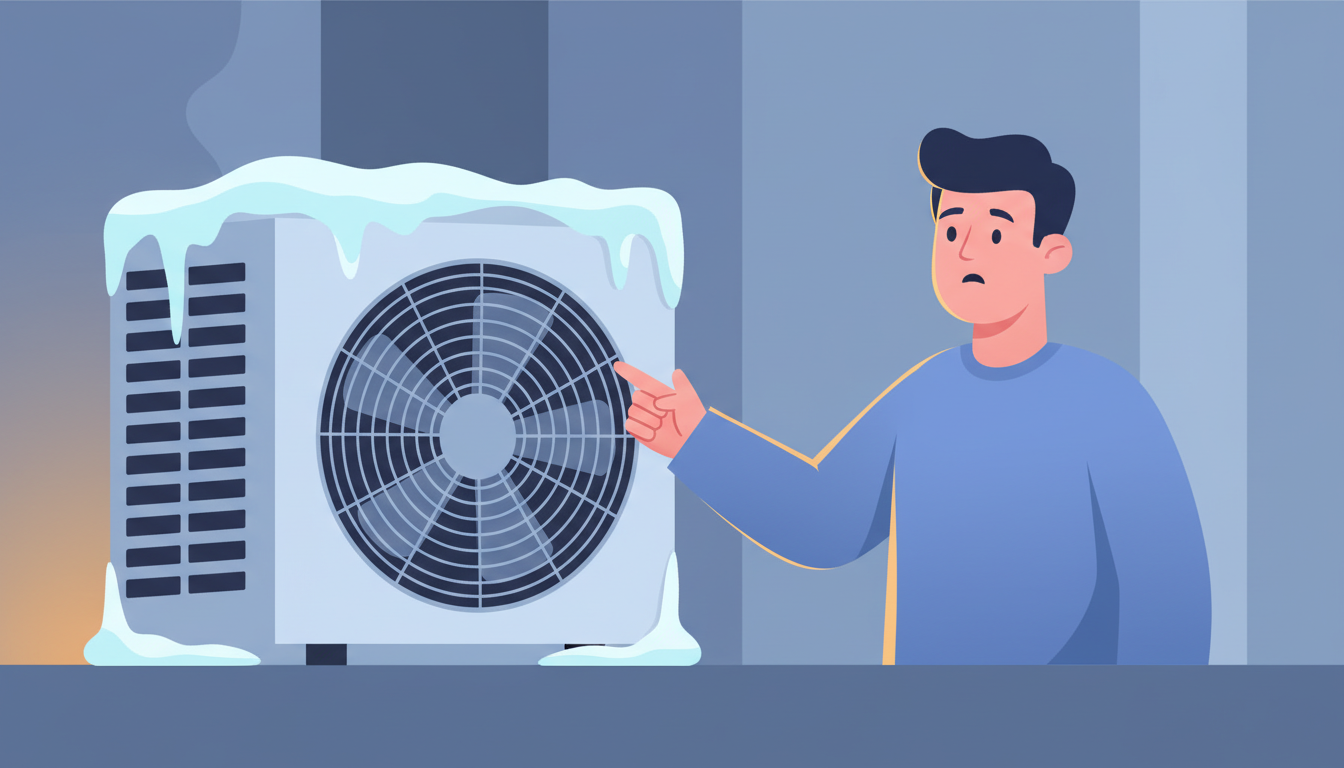
Why Is My Heat Pump Freezing Up Outside?
Why Is My Heat Pump Freezing Up Outside?
When you walk outside on a cold winter morning and find your heat pump covered in ice, it's natural to panic. A frozen heat pump can leave your home uncomfortably cold and may signal serious problems with your HVAC system. But before you rush to call a technician, it's important to understand what's happening and whether the ice buildup is normal or a sign of trouble.
In this comprehensive guide, we'll walk you through everything you need to know about heat pump freezing up outside, from normal frost accumulation to serious malfunctions that require immediate attention. You'll learn how to identify the causes, when to take action, and how to prevent freezing problems in the future.
Is It Normal for a Heat Pump to Freeze Up?
Here's the truth: some frost on your heat pump's outdoor unit is completely normal during winter operation. Heat pumps work by extracting heat from the outdoor air and transferring it inside your home. During this process, the refrigerant running through the outdoor coil becomes extremely cold—often 10 to 20 degrees colder than the outside air temperature.
When the coil temperature drops below 32°F (0°C), moisture in the air condenses on the coil and freezes. This is why you might see a light layer of frost on your outdoor unit during cold weather. This is expected and nothing to worry about.
However, there's a big difference between normal frost and problematic freezing:
- Normal frost: A thin, even layer of ice or frost on the coil that disappears during the defrost cycle
- Problematic freezing: Thick ice buildup that encases the entire unit, ice that doesn't melt after several hours, or ice accumulating at the bottom of the unit
If your heat pump is completely covered in ice or stays frozen for extended periods, you have a problem that needs attention.
How Does a Heat Pump Defrost Cycle Work?
Heat pumps are designed to handle normal frost buildup through an automatic defrost cycle. Understanding how this works will help you identify when something's gone wrong.
During the defrost cycle, your heat pump temporarily reverses operation and switches to cooling mode. This sends warm refrigerant to the outdoor coil, melting away accumulated frost and ice. The entire process typically takes 5 to 15 minutes and should happen automatically every 30 to 90 minutes when needed.
Signs your defrost cycle is working properly:
- Ice and frost melt away completely
- You might see steam rising from the outdoor unit
- The outdoor fan stops while defrosting happens
- Indoor air may feel slightly cooler temporarily
If you notice thick ice that never seems to melt, or if your unit runs for hours without defrosting, your defrost cycle likely isn't working correctly—which brings us to the main causes of heat pump freezing problems.
Top 8 Causes of a Heat Pump Freezing Up Outside
1. Malfunctioning Defrost Cycle
The most common cause of a frozen heat pump is a defrost cycle that isn't working properly. Several components control the defrost cycle, and any of them can fail.
The defrost control board monitors temperature sensors and determines when defrosting is needed. If these sensors malfunction or if the control board fails, your heat pump won't know when to defrost. The defrost relay, which triggers the reversing valve, can also fail and prevent the defrost cycle from starting.
Warning signs:
- Ice buildup that never melts
- Unit runs continuously without defrosting
- No steam or melting during what should be defrost periods
2. Low Refrigerant Levels
Refrigerant is the lifeblood of your heat pump system. It absorbs heat from outside air and transfers it indoors. When refrigerant levels drop due to leaks, the pressure in the system changes, causing the coil temperature to drop even lower than normal.
This creates excessive frost and ice formation that the defrost cycle can't keep up with. Low refrigerant doesn't just cause freezing—it also reduces heating capacity and increases your energy bills.
Warning signs:
- Ice buildup combined with reduced heating performance
- Hissing sounds near the outdoor unit (indicating a leak)
- Ice forming primarily at the bottom of the outdoor unit
If you suspect low refrigerant, you'll need a professional HVAC technician to locate leaks, repair them, and recharge your system properly. This isn't a DIY fix, as it requires specialized equipment and EPA certification.
3. Restricted Airflow from Dirty Air Filters
This is the easiest problem to fix, yet it's surprisingly common. Your heat pump needs consistent airflow to function properly. When indoor air filters become clogged with dust, pet hair, and debris, airflow through the system decreases dramatically.
Restricted airflow causes several problems that contribute to freezing:
- The indoor coil gets too cold
- Less heat is transferred to the outdoor unit
- The outdoor coil temperature drops excessively
- Frost and ice accumulate faster than normal
The fix is simple: Check your air filter monthly during winter and replace it when it looks dirty. Standard filters should be changed every 1-3 months, depending on usage and household conditions.
For more detailed guidance on maintaining your HVAC system, check out our comprehensive HVAC repair guide.
4. Blocked or Dirty Outdoor Condenser Coil
While a dirty air filter restricts indoor airflow, debris on the outdoor unit blocks airflow through the condenser coil. Snow, leaves, dirt, grass clippings, and even ice buildup from previous cycles can smother your outdoor unit.
When the outdoor coil can't breathe, it can't transfer heat effectively. The coil gets colder, moisture freezes faster, and the problem compounds itself.
Outdoor unit maintenance checklist:
- Clear snow and ice away from all sides of the unit
- Remove leaves, grass, and debris from around the unit
- Maintain at least 2 feet of clearance on all sides
- Gently spray coils with water to remove surface dirt (when unit is off)
- Trim back plants and vegetation
Never use sharp objects or high-pressure washers on the delicate coil fins, as bending them will further restrict airflow.
5. Faulty Reversing Valve
The reversing valve is what allows your heat pump to switch between heating and cooling modes. During defrost, the reversing valve redirects refrigerant flow to melt ice from the outdoor coil.
When the reversing valve sticks or fails, your heat pump can't enter defrost mode. Ice accumulates continuously without any way to melt. In some cases, a faulty reversing valve may cause your heat pump to blow cold air when it should be heating.
Warning signs:
- Heat pump won't switch between heating and cooling
- Unit blows cold air in heating mode
- Clicking or hissing sounds from the outdoor unit
- Ice buildup that never melts
Reversing valve problems require professional repair. A technician will test the valve, check the solenoid coil that controls it, and replace components as needed.
6. Damaged or Failing Fan Motor
The outdoor fan pulls air across the condenser coil, facilitating heat transfer. If the fan motor fails or runs too slowly, insufficient air moves across the coil. This causes the coil temperature to plummet and ice to form rapidly.
Fan motor problems can stem from worn bearings, electrical issues, or simply old age. In winter conditions, ice buildup can also damage fan blades, creating an imbalance that further reduces performance.
Warning signs:
- Fan doesn't run when the unit is on
- Fan runs very slowly or makes grinding noises
- Excessive vibration when the unit operates
- Ice concentrated around the coil area
7. Extreme Weather and Outdoor Temperature
While heat pumps are designed for cold weather, extremely low temperatures and certain weather conditions create challenges. When outdoor temperatures drop below 25-30°F, especially with high humidity, ice forms faster than the defrost cycle can manage.
Heavy rain followed by freezing temperatures, freezing drizzle, or wet snow can also cause rapid ice accumulation. Water from leaking gutters or poor drainage around your unit can introduce excess moisture that freezes onto the coil.
Cold weather best practices:
- Position your heat pump away from roof drip lines and gutters
- Ensure proper drainage around the outdoor unit
- Consider a cold-climate heat pump if you live in an area with harsh winters
- Switch to emergency heat during extreme weather events
For more information about addressing ice-related issues with your outdoor unit, see our guide on causes of ice on heat pump outdoor units.
8. Thermostat Settings and Temperature Differentials
Your thermostat settings can inadvertently contribute to freezing problems. When you set the thermostat significantly higher than the current indoor temperature, your heat pump runs continuously trying to catch up. Extended run times mean less frequent defrost cycles and more ice buildup.
Additionally, if your thermostat isn't properly calibrated or has a faulty temperature sensor, it may not signal the heat pump to cycle off when appropriate, leading to continuous operation and inadequate defrosting.
Thermostat tips:
- Avoid large temperature jumps (more than 2-3 degrees at once)
- Use the "auto" fan setting instead of "on"
- Set a reasonable temperature (68-72°F) during winter
- Ensure your thermostat is located away from drafts, direct sunlight, and heat sources
What to Do Immediately If Your Heat Pump Freezes Up
Discovering a frozen heat pump requires quick but careful action. Here's exactly what to do:
Step 1: Turn Off Your Heat Pump
First and most important: turn off your heat pump immediately. Continuing to run a completely frozen unit can damage the compressor, fan motor, and other expensive components. The ice blocks airflow and puts excessive strain on the system.
Switch your thermostat to "off" or switch to emergency heat if your system has that option. Emergency heat uses backup electric resistance heating and bypasses the heat pump entirely.
Step 2: Let It Thaw Naturally
Never pour hot water on your frozen heat pump. The sudden temperature change can crack the coil, damage components, and create more problems than it solves.
Instead, allow the unit to thaw naturally. Depending on outdoor temperature and the thickness of ice, this could take anywhere from 2 to 8 hours. You can speed the process slightly by:
- Opening any access panels to allow warmer air circulation
- Using a fan (not a heater) to circulate air around the unit
- Removing any snow or debris blocking the unit
Step 3: Inspect for Obvious Problems
While the unit thaws, check for issues you can address immediately:
Check your air filter: A dirty filter is an easy fix that could solve the entire problem.
Clear the area around your outdoor unit: Remove snow, ice, leaves, and any debris within 2 feet of the unit.
Look for ice or water sources: Check for leaking gutters, poor drainage, or other moisture sources near your unit.
Inspect for visible damage: Look for damaged fan blades, dents in the coil, or obvious signs of component failure.
Step 4: Test the System
Once all ice has melted completely, restart your heat pump and monitor it carefully for the next few hours:
- Does it heat properly?
- Do you see steam during defrost cycles (indicating it's working)?
- Does frost accumulation stay minimal and manageable?
If the unit works normally and doesn't refreeze, you may have solved the problem by clearing debris or changing the filter. However, if it freezes up again within hours, you need professional help.
When to Call a Professional HVAC Technician
Some heat pump freezing problems are simple DIY fixes, but many require professional expertise. Here's when you should call a qualified HVAC technician:
Call immediately if:
- The unit refreezes after thawing and clearing debris
- You hear unusual grinding, clicking, or hissing sounds
- The fan doesn't run or runs very slowly
- You smell burning or see smoke
- Ice forms within minutes of starting the system
- The defrost cycle never activates (no steam, no melting)
Repairs that require professional service:
- Refrigerant leaks and recharging
- Reversing valve replacement
- Defrost control board repair
- Temperature sensor replacement
- Fan motor replacement
- Compressor issues
For specific heat pump problems and professional repair guidance, visit our heat pump repair guide.
How to Prevent Your Heat Pump from Freezing in the Future
Prevention is always better than emergency repairs. Follow these proven strategies to minimize freezing problems:
Regular Maintenance Schedule
Professional maintenance is your best defense against heat pump freezing. Schedule annual service before each heating season. A qualified technician will:
- Test the defrost cycle operation
- Check refrigerant levels and pressure
- Clean coils and inspect for damage
- Test all electrical components and sensors
- Lubricate motors and inspect fan operation
- Verify proper airflow throughout the system
Homeowner Maintenance Tasks
Between professional visits, stay on top of these simple tasks:
Monthly:
- Check and replace air filters as needed
- Clear debris from around the outdoor unit
- Inspect for unusual ice buildup or operational sounds
Seasonally:
- Remove leaves and vegetation before winter
- Check drainage around the outdoor unit
- Ensure gutters aren't dripping onto the unit
- Test the defrost cycle by observing operation
Upgrade Considerations
If you live in an area with harsh winters and your heat pump frequently freezes, consider these upgrades:
Cold-climate heat pump: Modern cold-climate models operate efficiently down to -15°F and have enhanced defrost capabilities.
Outdoor unit shelter: A properly designed shelter or cover (not a tarp!) can protect against wind, snow, and freezing rain while maintaining airflow.
Auxiliary heating: Dual-fuel systems or backup electric heat can take over during extreme weather, reducing strain on the heat pump.
Improved insulation: Better home insulation reduces heating demand, allowing your heat pump to cycle more frequently and defrost regularly.
Understanding the Cost of Frozen Heat Pump Repairs
Repair costs vary widely depending on the cause of freezing:
Low-cost repairs ($50-$200):
- Air filter replacement: $20-$50
- Cleaning outdoor coils: $100-$200
- Debris removal and basic maintenance: $100-$150
Medium-cost repairs ($200-$600):
- Defrost sensor replacement: $150-$300
- Fan motor replacement: $200-$500
- Defrost control board replacement: $250-$600
High-cost repairs ($500-$2,000+):
- Reversing valve replacement: $500-$1,200
- Refrigerant leak repair and recharge: $500-$1,500
- Compressor replacement: $1,500-$2,500
Keep in mind that ignoring a frozen heat pump can lead to more expensive damage. A $200 repair today can prevent a $2,000 compressor failure tomorrow.
Heat Pump Freezing in Different Weather Conditions
Light Frost in Mild Cold (32-40°F)
This is the most common scenario and usually represents normal operation. You'll see a light coating of frost that melts during defrost cycles. No action is typically needed unless the frost becomes excessive.
Heavy Ice in Moderate Cold (20-32°F)
This temperature range creates ideal conditions for ice formation. Your defrost cycle should handle it, but monitor the unit more frequently. If ice accumulates faster than defrost can handle it, investigate the causes discussed earlier.
Extreme Cold (Below 20°F)
At these temperatures, heat pumps work harder and may struggle to keep up. Some ice buildup is expected, but excessive accumulation indicates a problem. Consider using emergency heat during extreme cold snaps to give your heat pump a break.
Wet Weather with Freezing Temperatures
Rain, sleet, or wet snow followed by temperature drops creates the worst conditions for ice buildup. Moisture saturates the coil and then freezes solid. In these conditions, monitor your unit closely and be ready to switch to backup heat if needed.
Frequently Asked Questions
Is it normal for my heat pump to have frost on it?
Yes, a light layer of frost or ice on the outdoor coil is completely normal during cold weather operation. Heat pumps extract heat from outdoor air, causing the coil to become very cold. Moisture in the air condenses and freezes on the coil. Your heat pump's defrost cycle should automatically melt this frost every 30-90 minutes. However, if the entire unit is encased in thick ice that doesn't melt, you have a problem that needs attention.
How long does a heat pump defrost cycle last?
A typical heat pump defrost cycle lasts 5 to 15 minutes. During this time, the unit reverses operation to send warm refrigerant to the outdoor coil, melting accumulated frost. You'll notice the outdoor fan stops, and you may see steam rising from the unit. If your heat pump takes longer than 15-20 minutes to defrost or never seems to complete a defrost cycle, there's likely a malfunction with the defrost control system.
Can I pour hot water on my frozen heat pump?
No, you should never pour hot water on a frozen heat pump. The sudden temperature change can crack the heat exchanger coil, damage sensitive components, and potentially cause refrigerant leaks. Instead, turn off the system and allow it to thaw naturally at room temperature. This may take several hours, but it's the safest approach. If you need heat immediately, switch to emergency heat or use a supplemental heating source while the unit thaws.
Will my frozen heat pump unfreeze on its own?
If you turn off the heat pump, it will eventually thaw on its own as outdoor temperatures rise or as ambient air melts the ice. However, if the underlying cause isn't addressed (such as a malfunctioning defrost cycle or low refrigerant), the unit will simply freeze again when you turn it back on. Once thawed, inspect for obvious problems like dirty filters or blocked airflow. If the unit refreezes after restarting, you need professional diagnosis and repair.
How much does it cost to fix a frozen heat pump?
Repair costs range from $50 to $2,000+ depending on the cause. Simple fixes like replacing a dirty air filter or clearing debris cost $20-$150. Component replacements like defrost sensors ($150-$300) or fan motors ($200-$500) fall in the mid-range. Major repairs like reversing valve replacement ($500-$1,200) or refrigerant leak repair ($500-$1,500) are more expensive. A diagnostic service call typically costs $75-$150. Catching problems early usually means lower repair costs, so don't ignore a freezing heat pump.
Should I cover my heat pump in the winter to prevent freezing?
No, you should never cover your heat pump with a tarp or enclosure that blocks airflow. Heat pumps need unrestricted airflow on all sides to operate properly. Covering the unit will make freezing worse and can damage the system. However, you can install a manufacturer-approved winter cover that protects the top from falling ice and debris while leaving all sides open for airflow. The best protection is regular maintenance and ensuring adequate clearance around the unit.
At what temperature should I stop using my heat pump?
Most standard heat pumps operate efficiently down to 25-30°F, though performance decreases as temperatures drop. Modern cold-climate heat pumps can operate effectively down to -15°F or lower. If your heat pump freezes repeatedly when outdoor temperatures drop below a certain point, consider switching to emergency heat or auxiliary heating during extreme cold. Many systems can automatically switch to backup heat when needed. Consult your system's manual or an HVAC professional for guidance specific to your heat pump model.
Conclusion: Keep Your Heat Pump Running All Winter Long
A heat pump freezing up outside can be alarming, but now you understand the difference between normal frost accumulation and serious problems that need attention. While some ice formation is expected during cold weather, excessive freezing indicates issues like malfunctioning defrost cycles, low refrigerant, restricted airflow, or component failures.
The key to preventing frozen heat pump problems is regular maintenance, quick action when problems arise, and knowing when to call a professional. Simple steps like changing air filters monthly, keeping the outdoor unit clear of debris, and scheduling annual professional service can prevent most freezing issues.
If your heat pump is currently frozen, remember: turn it off immediately, let it thaw naturally, and investigate the underlying cause before restarting. Don't ignore warning signs like ice that never melts, reduced heating performance, or unusual sounds from the unit.
Need professional help with your heat pump freezing up outside? Don't wait until a minor problem becomes a major repair. Contact a qualified HVAC technician today to diagnose and fix the issue before it damages your system. Your comfort and your wallet will thank you.
Remember, a well-maintained heat pump should provide reliable heating all winter long without excessive freezing. If you're experiencing frequent problems, it's time to take action and restore your system to proper working order.