What Causes Intermittent HVAC Shutdowns?
What Causes Intermittent HVAC Shutdowns?
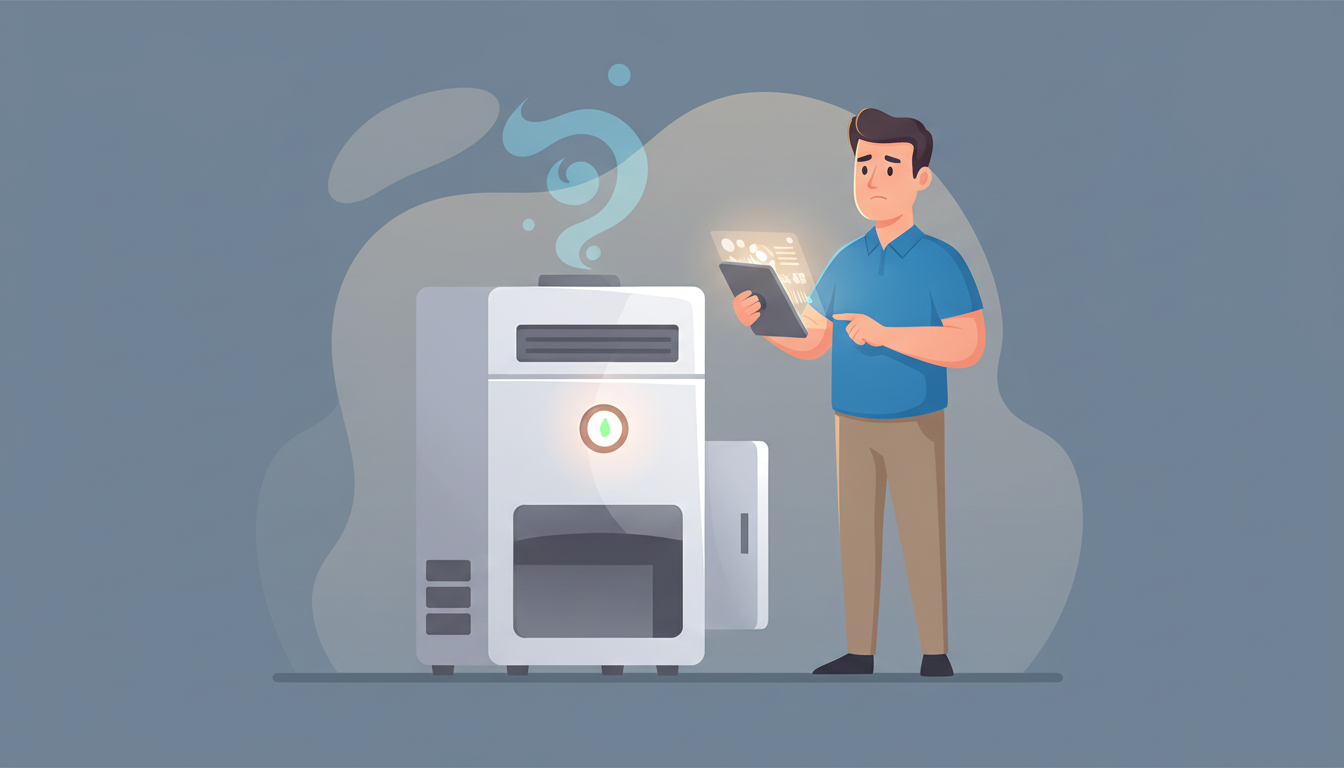
Is your HVAC system playing a frustrating game of on-again, off-again? If your heating or cooling system keeps shutting off unexpectedly, you're not alone. Intermittent HVAC shutdowns are one of the most common problems homeowners face, and they can leave you uncomfortable and worried about costly repairs. The good news? Understanding what causes these shutdowns can help you troubleshoot the issue and get your system running smoothly again.
Understanding Intermittent HVAC Shutdowns
Intermittent HVAC shutdowns occur when your heating or cooling system turns off unexpectedly before completing its cycle, then may restart on its own after a short period. Unlike normal cycling—where your system runs until it reaches the set temperature—these shutdowns happen randomly and frequently disrupt your comfort.
This issue differs from short cycling, though the two are related. Short cycling is when your HVAC runs for brief periods (often just a few minutes) before shutting off, while intermittent shutdowns can happen after varying run times. Both problems indicate something is wrong with your system and require attention.
Your HVAC system has built-in safety mechanisms designed to protect expensive components from damage. When these safety features detect a problem—whether it's overheating, electrical issues, or pressure abnormalities—they trigger an automatic shutdown. While frustrating, these shutdowns actually prevent catastrophic damage that could cost thousands to repair.
Common Causes of Intermittent HVAC Shutdowns
Dirty or Clogged Air Filters
A dirty air filter is the most common culprit behind HVAC shutdowns, yet it's also the easiest to fix. Your air filter traps dust, pollen, pet dander, and other particles to keep your indoor air clean. Over time, these particles accumulate and restrict airflow through your system.
When airflow is restricted, your HVAC system can't pull enough air across the evaporator coil to dissipate heat properly. This causes the system to overheat, triggering safety limit switches that shut everything down to prevent damage. Once the system cools, it may restart automatically, only to overheat again—creating that intermittent shutdown pattern.
Check your air filter monthly and replace it every 1-3 months depending on usage, pets, and air quality. If you have pets or allergies, you may need to change filters more frequently. This simple maintenance task can prevent many HVAC problems and improve your system's efficiency.
Thermostat Malfunctions
Your thermostat serves as the brain of your HVAC system, telling it when to turn on and off. When the thermostat malfunctions, it can send incorrect signals that cause intermittent shutdowns.
Common thermostat issues include:
- Incorrect placement: Thermostats near windows, doors, or heat sources (like lamps or kitchen appliances) may read temperatures inaccurately, causing premature shutdowns.
- Dead batteries: Low or dead batteries can cause erratic behavior in battery-powered thermostats.
- Calibration problems: An improperly calibrated thermostat may think your home has reached the target temperature when it hasn't.
- Loose wiring: Connections can loosen over time, creating intermittent electrical contact.
- Dust accumulation: Dust inside the thermostat can interfere with its sensors.
Try recalibrating your thermostat or replacing the batteries first. If problems persist, consider upgrading to a modern programmable or smart thermostat for better accuracy and control.
Electrical and Power Supply Issues
Electrical problems are a frequent cause of intermittent HVAC shutdowns and can range from simple to serious.
Circuit Breaker Problems: Your HVAC system draws significant power, especially when starting up. A tripped circuit breaker will shut down your system immediately. If your breaker keeps tripping, it may indicate an overloaded circuit, a failing breaker, or an electrical problem within your HVAC unit.
Voltage Fluctuations: Inconsistent power supply can trigger your system's built-in safety features. Power surges or voltage drops stress electrical components and may cause the control board to shut down the system temporarily to prevent damage.
Faulty Wiring: Damaged, loose, or corroded wiring creates intermittent electrical connections. Your system might run fine until vibration or temperature changes cause a wire to lose contact momentarily, triggering a shutdown.
Failed Run Capacitor: The run capacitor provides the electrical boost needed to start your system and keeps it running. When this component begins to fail, it supplies inconsistent power, causing your HVAC to turn off unexpectedly and then restart once the capacitor recovers.
Never attempt to troubleshoot electrical issues yourself. Working with HVAC electrical components is dangerous and should only be done by licensed professionals. If you suspect electrical problems, call an HVAC repair technician immediately.
Overheating and Thermal Protection
HVAC systems generate significant heat during operation, and various components can overheat if something goes wrong. When internal temperatures exceed safe levels, thermal protection switches automatically shut down the system.
Heat Exchanger Overheating: In furnaces, a cracked or dirty heat exchanger can overheat quickly. Restricted airflow, often from a dirty filter or blocked vents, prevents heat from dissipating properly. The safety limit switch detects excessive temperature and shuts down the furnace to prevent a dangerous situation.
Compressor Overheating: In air conditioners, the compressor can overheat due to dirty coils, low refrigerant levels, or electrical problems. The compressor is one of the most expensive HVAC components, so the system will shut down to protect it from catastrophic failure.
Blocked Condenser Unit: Your outdoor condenser unit needs proper airflow to release heat. When the unit is blocked by leaves, grass clippings, dirt, or debris, it can't dissipate heat effectively. This causes the entire system to overheat and shut down intermittently.
Clean your outdoor unit regularly by removing debris, trimming vegetation at least two feet away, and gently hosing down the fins. However, be careful not to bend the delicate fins—they're essential for proper heat transfer.
Refrigerant Leaks and Pressure Issues
Refrigerant is the lifeblood of your air conditioning system, absorbing heat from your home and releasing it outside. When refrigerant levels drop due to leaks, your system can't cool properly and may shut down intermittently.
Low refrigerant causes abnormal pressure in your system. Modern HVAC units have pressure switches that monitor refrigerant levels and shut down the system when they detect readings outside normal parameters. This protects the compressor from running without adequate lubrication, which would cause expensive damage.
Signs of refrigerant problems include:
- Ice forming on the refrigerant lines or evaporator coil
- Reduced cooling capacity
- Hissing sounds near the outdoor unit
- Higher than normal energy bills
Refrigerant leaks require professional repair. Technicians must locate and fix the leak, then properly recharge your system to manufacturer specifications. Simply adding refrigerant without fixing the leak is a temporary fix that wastes money and harms the environment.
Frozen Evaporator Coils
A frozen evaporator coil will definitely cause your HVAC system to shut down. When ice forms on the indoor coil, it blocks airflow and prevents heat absorption, making cooling impossible.
Common causes of frozen coils include:
- Restricted airflow from dirty filters or blocked vents
- Low refrigerant levels
- Dirty evaporator coils
- Malfunctioning blower fan
- Running the AC when outdoor temperatures are too low
If you notice ice on your indoor unit, turn off your AC and let it thaw completely before restarting. This can take several hours. Address the underlying cause—usually a dirty filter—before running the system again. If freezing persists, call a professional to diagnose and fix the root problem.
Control Board and Sensor Failures
Modern HVAC systems rely on sophisticated control boards and sensors to operate efficiently. When these components fail or malfunction, they can cause intermittent shutdowns that seem random.
Control Board Issues: The control board acts as the central computer for your HVAC system, coordinating all operations. A failing control board may misinterpret normal operating conditions as problems, triggering unnecessary shutdowns. Electrical surges, moisture, and age can damage control boards.
Faulty Sensors: Your HVAC system uses multiple sensors—temperature, pressure, humidity, and flame sensors in furnaces. When sensors send incorrect data to the control board, the system responds by shutting down to protect itself. A dirty flame sensor in a gas furnace, for example, may fail to detect the flame and shut down the system for safety.
Relay and Contactor Problems: These components control power flow to different parts of your system. When they wear out or develop electrical problems, they can create intermittent power delivery, causing unpredictable shutdowns.
Control board and sensor diagnostics require specialized knowledge and equipment. If basic troubleshooting doesn't solve your problem, a professional can test these components and replace faulty parts.
Drainage Line Blockages
Your air conditioning system produces condensation as it removes moisture from the air. This water collects in a drain pan and flows out through a condensate drain line. When this drain line becomes clogged with algae, mold, or debris, water backs up into the drain pan.
Most modern HVAC systems include a float switch in the drain pan as a safety feature. When water rises to a certain level because the drain is blocked, the float switch activates and shuts down your system to prevent water damage to your home.
This is a common cause of intermittent shutdowns during cooling season, especially in humid climates. The system runs fine until condensation builds up, then shuts down, then may restart after some water evaporates—creating that frustrating on-off pattern.
You can prevent drain line clogs by pouring a cup of white vinegar down the drain line every few months. For stubborn clogs, you may need to use a wet/dry vacuum to clear the line or call a professional for drain line cleaning.
Blower Motor and Fan Problems
The blower motor circulates air throughout your home, and when it fails or struggles, your HVAC system may shut down intermittently.
Failing Blower Motor: As blower motors age, their bearings wear out and they may overheat during operation. An overheating blower motor will trigger safety switches that shut down your system. The motor may cool down and restart, only to overheat again, creating an intermittent shutdown pattern.
Dirty Blower Wheel: The blower wheel (the fan attached to the motor) can accumulate dust and debris over time. This buildup makes the motor work harder, causing it to overheat and shut down. A dirty blower wheel also reduces airflow, contributing to other problems.
Capacitor Failure: The blower motor has its own capacitor that helps it start and run. When this capacitor begins to fail, the motor may struggle to operate consistently, leading to intermittent shutdowns.
Listen for unusual noises like squealing, grinding, or humming coming from your indoor unit. These often indicate blower motor problems that need professional attention.
Blocked or Closed Vents
Proper airflow throughout your home is essential for HVAC operation. When too many supply vents are closed or blocked by furniture, curtains, or debris, your system can't distribute air effectively.
Blocked vents create pressure imbalances in your ductwork, forcing your system to work harder. This increased strain can cause overheating and trigger safety shutdowns. Additionally, restricted airflow prevents heat exchange at the evaporator coil, potentially causing freezing or overheating depending on whether you're cooling or heating.
Walk through your home and ensure all vents are open and unobstructed. Even if you don't use certain rooms frequently, keep at least 80% of your vents open to maintain proper system balance. Learn more about proper HVAC system maintenance to keep your system running efficiently.
Ductwork Problems
Hidden ductwork problems can cause intermittent HVAC shutdowns that are difficult to diagnose without professional inspection.
Duct Leaks: Gaps, cracks, or disconnected duct sections allow conditioned air to escape into unconditioned spaces like attics or crawl spaces. This creates pressure problems and forces your system to run longer to maintain temperature, potentially triggering safety shutdowns.
Undersized Ducts: If your ductwork is too small for your HVAC system's capacity, it restricts airflow and creates excessive pressure. This is common in homes where HVAC systems have been upgraded without updating the ductwork.
Crushed or Damaged Ducts: In attics and crawl spaces, ducts can become crushed or damaged over time, restricting airflow and causing system problems.
Professional duct inspection and sealing can improve your system's efficiency by up to 20% while eliminating intermittent shutdown issues caused by airflow problems.
When to Call a Professional
While some HVAC issues are DIY-friendly, many causes of intermittent shutdowns require professional diagnosis and repair. Call an HVAC technician when:
- Your circuit breaker keeps tripping repeatedly
- You smell burning odors or see smoke
- You've replaced the air filter and cleared obvious blockages, but problems persist
- You suspect refrigerant leaks (hissing sounds, ice formation)
- Your system is more than 10-15 years old and experiencing multiple issues
- You're uncomfortable working with electrical components or gas systems
Professional HVAC technicians have specialized tools and training to diagnose complex problems quickly. During a diagnostic visit, technicians will:
- Test electrical components and voltage
- Measure refrigerant levels and pressures
- Inspect heat exchangers and burners
- Check control boards and sensors
- Evaluate airflow and ductwork
- Identify safety hazards
Understanding what happens during professional service can help you feel more confident when calling for help.
DIY Troubleshooting Steps
Before calling a professional, try these safe troubleshooting steps:
1. Check and Replace Your Air Filter: This solves many HVAC problems and takes less than five minutes. Make sure you install the new filter facing the correct direction (arrows point toward the blower).
2. Inspect Your Circuit Breaker: Go to your electrical panel and check if the HVAC breaker has tripped. If so, reset it once. If it trips again immediately, don't keep resetting it—you have an electrical problem that needs professional diagnosis.
3. Clear the Outdoor Unit: Remove leaves, grass clippings, and debris from around your condenser. Ensure there's at least two feet of clearance on all sides.
4. Check Your Thermostat: Replace batteries if applicable, ensure it's set to the correct mode (heat/cool), and verify the temperature setting is appropriate.
5. Ensure Vents Are Open: Walk through your home and open any closed supply vents. Remove furniture or curtains blocking vents.
6. Inspect the Condensate Drain: Look for standing water in the drain pan under your indoor unit. If you find water, the drain line may be clogged.
7. Listen for Unusual Noises: Note any grinding, squealing, clicking, or hissing sounds. These details help technicians diagnose problems more quickly.
Remember, these are basic checks. Never open electrical panels, handle refrigerant, or attempt repairs on gas systems yourself.
Preventing Intermittent HVAC Shutdowns
Prevention is always better than repair. Follow these maintenance practices to minimize the risk of intermittent shutdowns:
Regular Filter Changes: Set a monthly reminder to check your filter and replace it when dirty. This single action prevents many HVAC problems.
Annual Professional Maintenance: Schedule professional HVAC maintenance twice per year—once before cooling season and once before heating season. Technicians can identify and fix small problems before they cause system failures.
Keep the Outdoor Unit Clean: Clean your condenser unit at the beginning of each cooling season and periodically throughout the year.
Maintain Proper Clearance: Trim vegetation away from your outdoor unit and ensure proper airflow around both indoor and outdoor components.
Monitor Your System: Pay attention to how your HVAC operates normally so you can quickly identify changes. Unusual sounds, longer run times, or reduced comfort may indicate developing problems.
Clear Condensate Drains: Pour a cup of vinegar down your condensate drain line every three months to prevent algae and mold buildup.
Avoid Thermostat Interference: Don't place lamps, TVs, or other heat sources near your thermostat. Ensure it's away from direct sunlight, drafts, and vents.
Don't Ignore Warning Signs: Address small problems promptly before they become major failures. Strange noises, weak airflow, and frequent breaker trips all deserve attention.
Understanding Repair vs. Replacement
Sometimes intermittent shutdowns indicate your HVAC system is near the end of its service life. Consider these factors when deciding between repair and replacement:
Age of Your System: HVAC systems typically last 15-20 years. If your system is over 15 years old and experiencing multiple problems, replacement may be more cost-effective than repeated repairs.
Frequency of Repairs: If you're calling for service more than twice per year, or if repair costs are approaching 50% of replacement cost, it's time to consider a new system.
Energy Efficiency: Modern HVAC systems are significantly more efficient than units from even 10 years ago. The energy savings from a new system can offset the purchase cost over time.
Refrigerant Type: Older systems use R-22 refrigerant, which is being phased out and has become expensive. If your R-22 system needs major repairs, replacement with a modern system using R-410A refrigerant makes more financial sense.
System Performance: If your system struggles to maintain comfort even when running, or if energy bills have increased significantly, replacement may be justified.
A qualified HVAC professional can provide an honest assessment and help you make the best decision for your situation and budget.
FAQ About Intermittent HVAC Shutdowns
Why does my HVAC shut off randomly then start again?
Random shutdowns followed by automatic restarts typically indicate a safety mechanism is triggering. Common causes include dirty air filters causing overheating, refrigerant pressure issues, electrical problems, or sensor malfunctions. The system shuts down when it detects a problem, then automatically restarts once conditions return to normal—creating an intermittent pattern.
Is it safe to keep using an HVAC that shuts off intermittently?
While intermittent shutdowns are usually safety features protecting your system, continuing to run an HVAC with this problem can cause additional damage. Each shutdown cycle stresses electrical components, and the underlying issue may worsen over time. More importantly, some causes like electrical problems or cracked heat exchangers pose safety risks. It's best to troubleshoot and fix the problem promptly.
Can I fix intermittent HVAC shutdowns myself?
Some causes are DIY-friendly, such as replacing air filters, clearing debris from the outdoor unit, checking circuit breakers, and ensuring vents are open. However, many causes require professional diagnosis and repair, including refrigerant issues, electrical problems, control board failures, and gas system components. Start with simple troubleshooting, but don't hesitate to call a professional for persistent problems or anything involving electricity, gas, or refrigerant.
How much does it cost to fix an HVAC that keeps shutting off?
Repair costs vary widely depending on the cause. Simple fixes like filter replacement cost $15-50, thermostat replacement ranges from $100-300, and capacitor replacement typically costs $150-400. More complex repairs like control board replacement ($200-600), blower motor replacement ($400-800), or refrigerant leak repair ($500-1,500) are more expensive. Getting a proper diagnosis from a licensed technician is the only way to get an accurate cost estimate for your specific situation.
What's the difference between short cycling and intermittent shutdowns?
Short cycling refers to when your HVAC runs for very brief periods (typically 5-10 minutes or less) before shutting off, then restarts quickly. The cycles are frequent and predictable. Intermittent shutdowns may occur after varying run times and with irregular patterns—your system might run fine for hours, then shut down unexpectedly. Both problems indicate issues that need attention, but they often have different underlying causes.
Take Action Against Intermittent HVAC Shutdowns
Intermittent HVAC shutdowns are more than just an inconvenience—they're a sign that something needs attention. Whether it's a simple dirty filter or a more complex electrical issue, addressing the problem quickly prevents further damage and restores your comfort.
Start with the basic troubleshooting steps outlined above. Check your air filter, clear your outdoor unit, verify thermostat settings, and ensure good airflow throughout your home. These simple actions solve many common problems and cost you nothing but a few minutes of time.
If basic troubleshooting doesn't resolve your intermittent shutdowns, don't wait for the problem to worsen. Professional HVAC technicians have the expertise and equipment to diagnose and repair complex issues efficiently. The cost of timely professional service is almost always less than the cost of emergency repairs during extreme weather or the expense of replacing a system that failed due to neglect.
Remember, your HVAC system works hard to keep you comfortable year-round. Regular maintenance, prompt attention to problems, and professional service when needed will keep your system running reliably for years to come. Don't let intermittent shutdowns disrupt your comfort—take action today to get your HVAC system back on track.