What Causes Repeat AC Service Calls? The Truth About Why Your Air Conditioner Won't Stay Fixed
What Causes Repeat AC Service Calls? The Truth About Why Your Air Conditioner Won't Stay Fixed
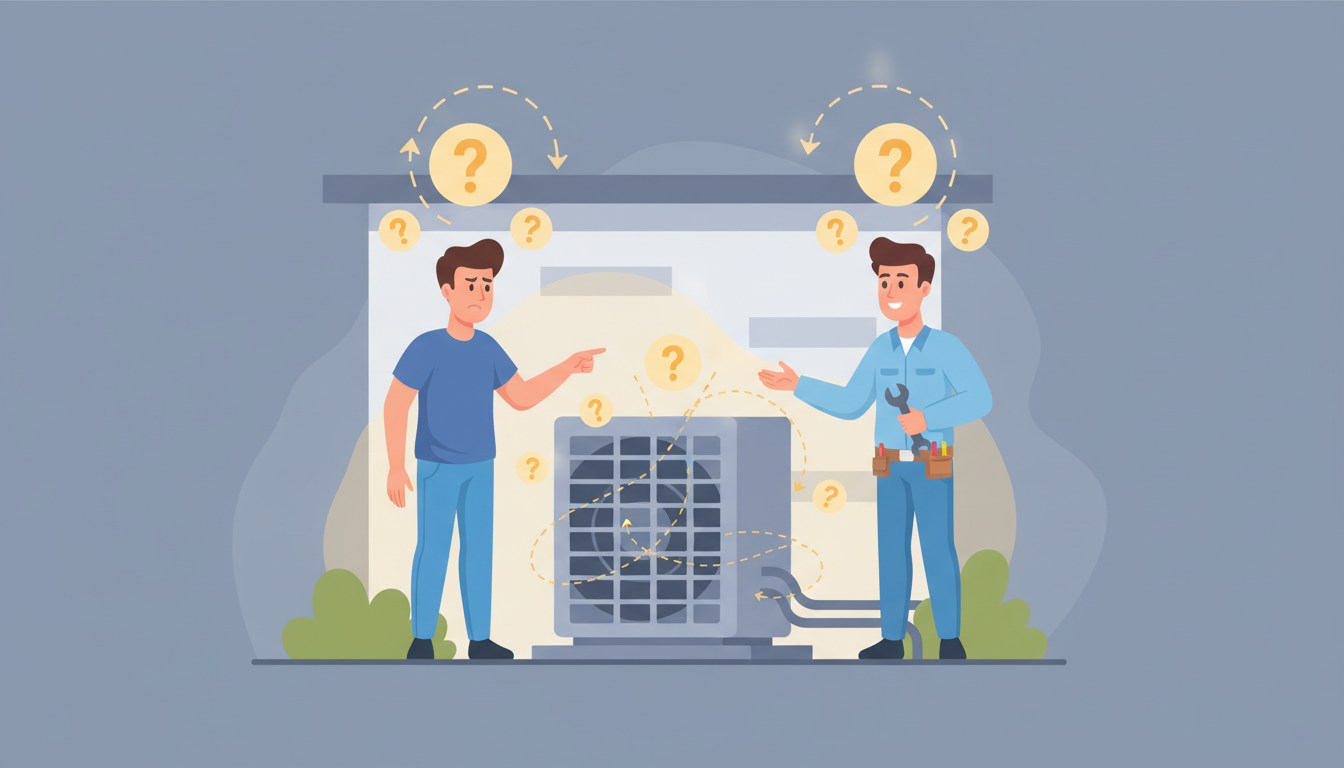
Is your AC technician becoming a regular visitor to your home? If you're experiencing repeat AC service calls for the same problem, you're not alone—and you're probably frustrated. Nothing is more aggravating than paying for a repair only to have the same issue pop up weeks or even days later. In this comprehensive guide, we'll explore exactly what causes repeat air conditioning service calls and, more importantly, how you can prevent recurring air conditioner issues from draining your wallet and patience.
Understanding Repeat AC Service Calls
Before we dive into specific causes, let's clarify what we mean by repeat AC service calls. These are situations where you've had your air conditioner repaired, but the same problem—or a related issue—keeps happening. You might notice your system short cycling again, warm air blowing, or strange noises returning after a technician supposedly fixed the problem.
The frustrating reality is that up to 30% of AC service calls are repeat visits for the same underlying issue. This doesn't just cost you money; it wastes your time and leaves you uncomfortable in your own home during hot weather.
The Top Causes of Repeat AC Service Calls
1. Improper Diagnosis of the Root Problem
One of the most common reasons your AC technician keeps coming back is that the initial diagnosis was incorrect or incomplete. Many AC problems share similar symptoms, making accurate diagnosis challenging without proper experience and diagnostic tools.
For example, your system might be short cycling (turning on and off frequently). A technician might replace the thermostat, which temporarily seems to help. However, the real culprit could be a refrigerant leak, a dirty evaporator coil, or an oversized system—issues that will cause the problem to resurface.
When technicians treat symptoms instead of identifying root causes, you end up with multiple AC service calls for the same issue. This is why working with experienced professionals who use comprehensive HVAC diagnostic approaches is essential.
2. Low-Quality or Incorrect Parts Installation
Not all replacement parts are created equal. If your technician installs cheap, aftermarket parts instead of OEM (Original Equipment Manufacturer) components, those parts may fail prematurely. This is particularly common with capacitors, contactors, and thermostats.
Additionally, even quality parts can fail quickly if installed incorrectly. A capacitor installed with improper voltage ratings, a thermostat calibrated incorrectly, or a condenser coil with insufficient refrigerant charge will all lead to AC repair callbacks.
3. Neglected Air Filter Maintenance
Here's a surprising fact: dirty air filters account for up to 50% of repeat service calls. Even after a repair, if you don't maintain proper air filter replacement frequency, your system will experience the same airflow restriction problems that may have caused the initial failure.
When airflow is restricted, your evaporator coil can freeze, your blower motor works overtime, and your entire system operates inefficiently. This creates a cascade of problems that brings technicians back to your door repeatedly.
4. Refrigerant Leak Not Fully Addressed
If your AC is low on refrigerant, simply adding more refrigerant without finding and fixing the leak is a band-aid solution. Refrigerant doesn't evaporate or get "used up"—if it's low, there's a leak somewhere in the system.
Refrigerant leaks in R-410A systems cause approximately 30% of short cycling issues. Without proper refrigerant leak detection and repair, you'll need your refrigerant topped off repeatedly, making it one of the most common causes of repeat AC failures.
When dealing with refrigerant issues, it's important to understand that leaks can occur at various connection points, and a thorough inspection is necessary to find all potential leak sources.
5. Underlying Electrical Problems Ignored
Electrical component failures are responsible for about 90% of AC issues according to technician reports. However, when a capacitor or contactor fails, it's often a symptom of a larger electrical problem.
If your technician replaces a bad capacitor without investigating why it failed—such as voltage spikes, loose wiring, or a failing compressor drawing too much amperage—that new capacitor will likely fail again soon. This creates a frustrating cycle of repeat service visits.
6. Dirty Condenser or Evaporator Coils
Your AC has two critical coils: the condenser coil (outside) and the evaporator coil (inside). When these coils become covered in dirt, dust, and debris, your system can't transfer heat effectively. This leads to poor cooling performance, increased energy consumption, and premature component failure.
Many homeowners are surprised to learn that condenser coil problems are often interconnected with other system issues. If your technician fixes one problem without addressing dirty coils, you'll likely experience related failures.
A proper condenser coil cleaning and evaporator coil maintenance should be part of any comprehensive repair, not an afterthought.
7. Ductwork Issues Left Unaddressed
Your ductwork is the circulatory system of your HVAC setup. If there are leaks, disconnections, or damage in your ducts, up to 30% of your conditioned air can be lost before it reaches your living spaces.
Ductwork integrity problems create symptoms that can be mistaken for AC unit failures—weak airflow, uneven cooling, and system overwork. If these aren't addressed during repair, your system will continue struggling, leading to additional failures and repeat service calls.
8. Incorrect System Sizing
This is a problem that originates during installation but causes repeat AC service calls throughout the system's life. An oversized AC unit will short cycle, leading to poor dehumidification, temperature fluctuations, and premature wear on components.
An undersized system runs constantly, never quite reaching the desired temperature, and burns out components due to overwork. Both scenarios create a pattern of recurring problems that no amount of repair can truly fix—the fundamental issue is the wrong equipment for your home's needs.
9. Thermostat Calibration and Location Issues
Your thermostat is the brain of your AC system. If it's poorly located (near heat sources, in direct sunlight, or in an unrepresentative area of your home), it will give your system incorrect information about when to run.
Similarly, if thermostat calibration is off by even a few degrees, your system will cycle improperly. You might have your system "repaired" multiple times when the actual issue is simply poor thermostat placement or calibration.
10. Lack of Preventive Maintenance Between Repairs
Here's a hard truth: if you only call a technician when something breaks, you're setting yourself up for repeat problems. Air conditioners need seasonal tune-ups to maintain optimal performance.
During a preventive maintenance visit, technicians clean components, check refrigerant levels, test electrical connections, and identify potential problems before they cause system failure. Without this regular attention, minor issues compound into major failures—many of which are the same problems that brought the technician to your home previously.
Regular maintenance following a proper HVAC maintenance schedule can reduce unexpected breakdowns by up to 95%.
11. Compressor Issues Misdiagnosed as Other Problems
Your compressor is the heart of your AC system, and when it starts failing, it can create symptoms that mimic other problems. A struggling compressor might cause weak cooling that looks like a refrigerant issue, or electrical problems that appear to be capacitor failures.
If technicians treat the symptoms without recognizing early compressor failure, you'll experience a series of related repairs until the compressor finally gives out completely. This is particularly common in aging systems (10-15 years old) where compressor issues become more likely.
12. Drainage System Clogs Returning
Your AC produces condensation that must drain away properly. If the drainage system clogs with algae, dirt, or debris, water backs up and can cause your system to shut down for safety.
A technician might clear the immediate clog, but without treating the drain line with algaecide or addressing why clogs keep forming, the problem will return within weeks. Recurring drainage issues are among the most preventable causes of repeat service visits.
13. Homeowner Behaviors That Sabotage Repairs
Sometimes repeat AC service calls happen because of how the system is being used. Common homeowner behaviors that lead to recurring problems include:
- Running the system constantly at very low temperatures (overworks the unit)
- Blocking return vents with furniture (creates airflow problems)
- Changing temperature settings drastically (causes system stress)
- Using cheap filters or forgetting to change them regularly
- Closing too many supply vents (throws the system out of balance)
Even the best repair can't overcome improper system operation. If your technician doesn't educate you about proper AC use, you might unknowingly recreate the conditions that caused the original failure.
Red Flags That Predict Repeat Service Calls
Watch for these warning signs that indicate you might experience recurring problems:
- Quick fixes without thorough diagnosis: If a technician spends more time at your house collecting payment than diagnosing the problem, that's a red flag.
- No explanation of what caused the failure: Understanding why something broke helps prevent it from happening again.
- Generic parts instead of OEM components: Aftermarket parts might save money upfront but often fail faster.
- No maintenance recommendations: A good technician will advise you on preventing future problems.
- Work not guaranteed or warranties: Reputable companies stand behind their repairs.
When to Replace Instead of Continuing Repairs
If you're experiencing constant AC problems despite multiple repairs, it might be time to consider replacement instead. Here's when replacement makes more financial sense:
- Your system is over 15 years old
- Repair costs exceed 50% of replacement cost
- You've had three or more significant repairs in the past two years
- Your energy bills keep increasing despite repairs
- Refrigerant is R-22 (discontinued and expensive)
For older systems, continuing to repair often means throwing good money after bad. A new, energy-efficient system will provide better cooling, lower energy bills, and far fewer service calls.
How to Prevent Repeat AC Service Calls
Now that you understand what causes recurring air conditioner issues, here's how to stop the cycle:
Choose the Right HVAC Contractor
Not all AC companies are equal. Look for contractors who:
- Are licensed and insured
- Have extensive experience and positive reviews
- Use proper diagnostic equipment
- Provide detailed written estimates
- Offer warranties on parts and labor
- Take time to explain problems and solutions
Invest in Comprehensive Diagnostics
When you call for service, ask for a complete system evaluation, not just a quick fix. This might cost slightly more upfront but saves money by addressing all related issues at once.
Maintain Your System Year-Round
Create a maintenance routine:
- Change air filters every 1-3 months
- Keep outdoor unit clear of debris
- Schedule professional tune-ups twice yearly (spring and fall)
- Monitor your system's performance for changes
- Address small problems before they become large failures
Ask Questions and Stay Informed
When a technician visits, ask:
- What caused this problem?
- Are there related issues we should address?
- What can I do to prevent this from happening again?
- What's the expected lifespan of the repair?
- Should we consider other preventive measures?
Knowledge empowers you to make better decisions and spot warning signs early.
Keep Service Records
Maintain a log of all service visits, including dates, problems, repairs performed, and parts replaced. This service history helps new technicians (or you) identify patterns that might indicate deeper issues requiring comprehensive attention, similar to how proper central AC repair diagnostics should track system history.
The True Cost of Repeat Service Calls
Beyond the obvious expense of paying for multiple service visits, repeat AC service calls cost you in other ways:
- Lost productivity: Taking time off work for repeated technician visits
- Discomfort: Living in a hot home while waiting for repairs
- Stress and frustration: The mental toll of dealing with ongoing problems
- Higher energy bills: A struggling system consumes more electricity
- Shortened system lifespan: Repeated failures accelerate overall wear
When you factor in these hidden costs, investing in quality diagnosis and comprehensive repairs upfront becomes clearly worthwhile.
Frequently Asked Questions
Why does my AC need repairs so often?
Frequent AC repairs usually indicate one of three issues: improper diagnosis treating symptoms rather than root causes, poor-quality repairs or parts, or lack of preventive maintenance. Systems over 10-15 years old naturally require more frequent repairs due to age-related wear. If your newer system needs constant repairs, the installation may have been done incorrectly, or you might be using an inexperienced repair company.
How can I prevent repeat AC service calls?
The most effective prevention strategies include scheduling seasonal maintenance twice yearly, changing air filters regularly (every 1-3 months), choosing experienced HVAC contractors who perform thorough diagnostics, addressing problems completely rather than accepting quick fixes, and learning proper system operation to avoid behaviors that stress your equipment.
What's the most common cause of AC callback visits?
Dirty air filters are the single most common cause, accounting for approximately 50% of repeat service issues. Even after repairs, restricted airflow from dirty filters causes the same problems to recur. The second most common cause is incomplete diagnosis, where technicians treat symptoms without finding the underlying problem causing those symptoms.
When should I replace instead of repair my AC?
Consider replacement when your system is over 15 years old, requires repairs costing more than 50% of a new system, has needed three or more major repairs in two years, uses R-22 refrigerant (expensive and discontinued), or consistently drives up your energy bills despite repairs. At a certain point, continuing repairs becomes more expensive than investing in a new, efficient system.
How do I know if my AC repair was done correctly?
A properly completed repair should include a thorough explanation of what was wrong and why, testing of the system to confirm proper operation before the technician leaves, written documentation of work performed and parts replaced, guidance on preventing future problems, and a warranty on both parts and labor. If your problem returns within days or weeks, the repair likely wasn't done correctly or completely.
Conclusion: Breaking the Cycle of Repeat Repairs
Repeat AC service calls are frustrating, expensive, and often avoidable. By understanding what causes these recurring problems—from improper diagnosis and low-quality parts to neglected maintenance and ductwork issues—you can take control of your home comfort and your budget.
The key is working with qualified HVAC professionals who take time to diagnose problems thoroughly, using quality parts, and maintaining your system proactively rather than reactively. While you can't prevent every AC problem, you can certainly eliminate the cycle of repeated failures for the same issue.
If you're currently stuck in a pattern of calling for service repeatedly, don't accept it as normal. Demand better diagnosis, consider getting a second opinion, and evaluate whether repair or replacement makes more sense for your situation.
Your air conditioner should provide reliable comfort throughout the cooling season. With the right approach to service and maintenance, you can stop repeat AC service calls and enjoy consistent, efficient cooling for years to come.
Ready to end the cycle of repeat AC repairs? Start by scheduling a comprehensive system evaluation with a qualified HVAC professional who will identify and address all underlying issues—not just patch the symptoms.