What Causes Squealing Noises From an Air Handler?
What Causes Squealing Noises From an Air Handler?
You're relaxing at home when suddenly you hear it—a high-pitched squeal coming from your HVAC system. That annoying noise isn't just disruptive; it's your air handler trying to tell you something's wrong. Understanding what causes squealing noises from an air handler can help you address the problem quickly and prevent costly damage down the line.
In this guide, we'll walk you through the most common causes of air handler squealing, how to diagnose the issue, and when you should call a professional for help.
Understanding Your Air Handler System
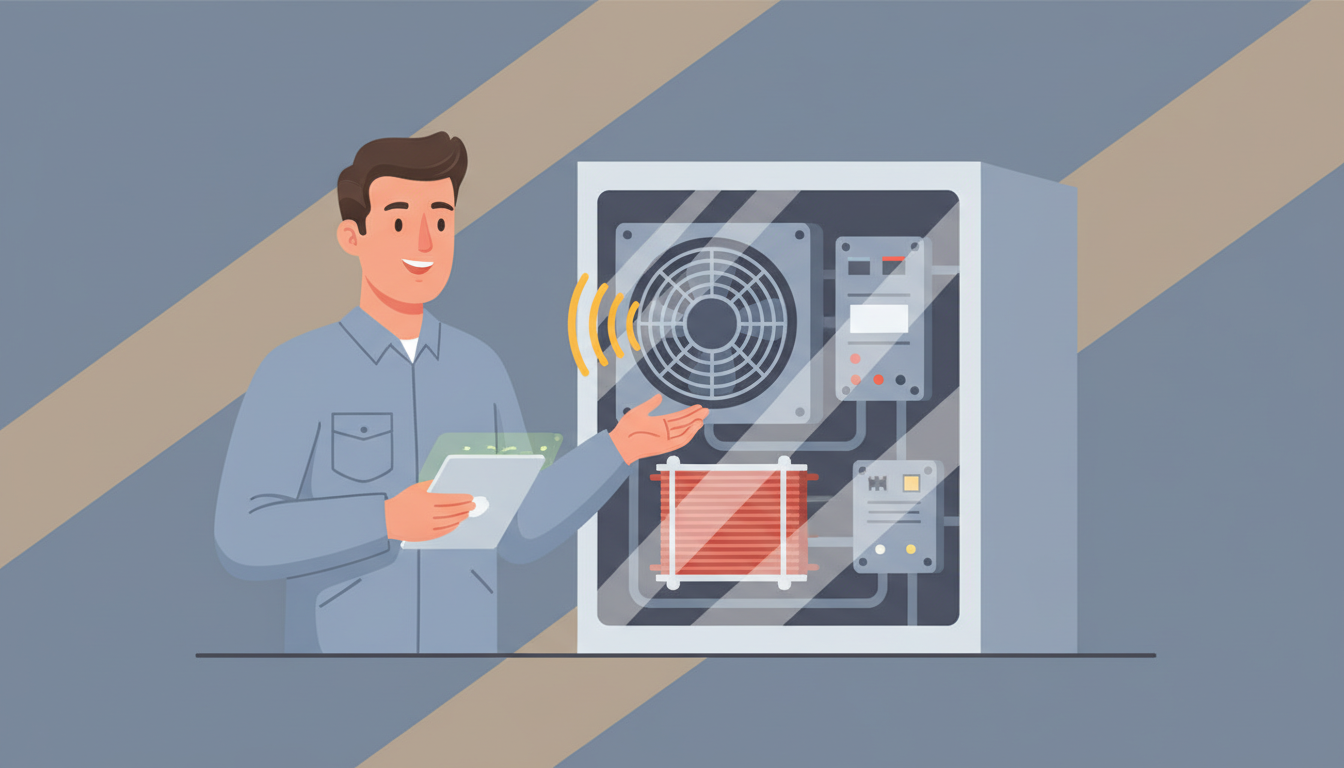
Before we dive into the causes, let's clarify what an air handler actually is. Your air handler is the indoor component of your HVAC system that circulates conditioned air throughout your home. It contains the blower motor, evaporator coil, and air filter—all essential parts that keep your home comfortable year-round.
The air handler works differently from your outdoor condenser unit. While both can make noise, squealing from the air handler typically indicates issues with internal moving parts like the blower motor or belt system.
Most Common Causes of Air Handler Squealing
1. Worn or Damaged Fan Belt
If you have an older HVAC system with a belt-driven blower, a worn fan belt is the most common culprit behind squealing noises. The belt connects your blower motor to the fan, and over time, it stretches, cracks, or becomes misaligned.
When a belt starts to slip, it creates that telltale squealing sound—similar to what you'd hear from a loose serpentine belt in your car. The noise often gets worse when your system first starts up or when it's working harder during extreme temperatures.
Signs your fan belt needs attention:
- Squealing that stops after the system warms up
- Intermittent squeaking during operation
- Visible cracks or fraying on the belt
- Belt appears loose or misaligned
Most belt replacements are relatively affordable and can extend the life of your HVAC system significantly.
2. Dry or Failing Motor Bearings
Modern HVAC systems often use direct-drive motors without belts. In these systems, squealing typically comes from dry or failing motor bearings. Bearings allow the motor shaft to spin smoothly, but without proper lubrication, metal grinds against metal, creating a high-pitched squeal.
Motor bearing issues tend to worsen over time. What starts as occasional squeaking can progress to constant noise, reduced airflow, and eventual motor failure if left unaddressed.
Warning signs of bearing problems:
- Squealing that increases in frequency over time
- Noise that doesn't go away after startup
- Reduced airflow from your vents
- Motor feels hot to the touch
Some motors have sealed bearings that can't be lubricated and require complete motor replacement. Others have ports where a qualified technician can add lubricant to restore smooth operation.
3. Blower Motor Issues
Your blower motor not working properly can manifest as squealing noise before it fails completely. The motor's internal components—including the rotor, stator, and capacitor—can develop issues that cause abnormal sounds.
A struggling blower motor works harder to spin the fan wheel, creating friction and heat. This extra stress produces squealing sounds and can lead to complete motor burnout if you don't address it promptly.
Blower motor warning signs:
- Squealing accompanied by burning smell
- System cycles on and off frequently
- Weak airflow even on high fan settings
- Circuit breaker trips when HVAC runs
4. Blower Wheel Imbalance or Damage
The blower wheel (also called the squirrel cage fan) moves air through your ductwork. If it becomes dirty, imbalanced, or damaged, it can rub against the housing and create squealing or scraping noises.
Dust and debris buildup on the blower wheel can cause it to become unbalanced. As it spins at high speeds, this imbalance creates vibration and noise. Similarly, a bent or warped wheel will scrape against the housing.
Common blower wheel problems:
- Thick dust buildup on fan blades
- Bent or broken fan blades
- Loose mounting causing wheel to shift
- Foreign objects caught in the wheel
Regular filter changes help prevent debris from reaching your blower wheel and keep your system running quietly.
5. Pulley Misalignment
In belt-driven systems, the pulleys that the belt runs on must be perfectly aligned. If a pulley becomes loose, shifts position, or wears unevenly, it causes the belt to run at an angle. This misalignment creates friction and produces squealing noises.
Pulley issues can also cause premature belt wear, meaning you'll find yourself replacing belts more frequently if the underlying pulley problem isn't fixed.
6. High Internal Pressure
Sometimes squealing doesn't come from mechanical parts at all—it comes from high pressure within your refrigerant lines or compressor. When pressure builds up excessively, it can create a high-pitched squeal or even a screaming sound.
This is one of the most serious causes of squealing and requires immediate attention. High pressure can damage your compressor, evaporator coil, and other expensive components.
If you hear high-pressure squealing:
- Turn off your system immediately
- Don't attempt DIY repairs
- Call an HVAC professional right away
Refrigerant system work requires specialized equipment and certification—it's not a DIY job.
7. Loose or Damaged Mounting Hardware
Your air handler components are secured with bolts, screws, and mounting brackets. Over time, vibration can cause this hardware to loosen. Loose parts vibrate against each other, creating rattling and squealing sounds.
While less common than motor or belt issues, loose mounting hardware is often an easy fix. A technician can tighten everything during a routine maintenance visit.
8. Capacitor Problems
The capacitor provides the electrical boost your blower motor needs to start and run efficiently. A failing capacitor can't deliver proper power, forcing your motor to work harder and creating unusual sounds including squealing or humming.
Capacitors typically last 10-20 years but can fail prematurely due to electrical surges, extreme temperatures, or manufacturing defects.
Air Handler Squealing: When to Worry
Not all squealing requires emergency service, but some situations demand immediate attention. Here's how to gauge the urgency:
Call immediately if:
- Squealing is accompanied by burning smell
- You hear a loud screaming or screeching sound
- System won't turn off or cycles rapidly
- Circuit breaker trips repeatedly
- Smoke or visible sparks appear
Schedule service soon if:
- Squealing occurs every time system starts
- Noise gradually gets louder over days/weeks
- Airflow seems reduced
- Energy bills increase unexpectedly
Can probably wait for routine maintenance if:
- Very brief squeal only at startup that stops quickly
- Occasional quiet squeaking when weather is extreme
- Noise hasn't changed in weeks
DIY Troubleshooting: What You Can Check Safely
While most air handler repairs require professional service, you can safely perform a few diagnostic checks:
1. Check your air filter
A clogged filter restricts airflow and forces your blower to work harder, potentially causing noise. Replace your filter if it's dirty—this simple step solves more HVAC problems than you'd expect.
2. Inspect for obvious obstructions
Turn off power at the breaker, then look inside your air handler cabinet. Check for debris, loose objects, or anything that might interfere with the blower wheel.
3. Listen carefully to locate the noise
Try to pinpoint whether the sound comes from the blower compartment, motor area, or somewhere else. This information helps your technician diagnose the problem faster.
4. Note when the noise occurs
Document whether squealing happens at startup, runs continuously, or occurs only in heating or cooling mode. Patterns provide valuable diagnostic clues.
What NOT to do:
- Don't attempt to lubricate motor bearings yourself
- Never remove safety covers while power is on
- Don't adjust belts or pulleys without training
- Avoid operating your system if it smells like burning
How Much Does Air Handler Squealing Repair Cost?
Repair costs vary widely depending on the underlying cause:
Belt replacement: $150-$300
- Simple repair, typically completed in under an hour
- Includes new belt and labor
Motor bearing lubrication: $100-$200
- If bearings can be serviced
- May extend motor life by several years
Blower motor replacement: $400-$1,500
- Varies based on motor size and efficiency
- Higher efficiency motors cost more upfront but save energy
Blower wheel cleaning: $150-$250
- Usually part of maintenance service
- Improves efficiency and reduces noise
Capacitor replacement: $100-$300
- Quick repair with immediate results
- Prevents more expensive motor damage
Pulley alignment/replacement: $150-$400
- Includes belt replacement if needed
- Prevents future belt wear
Remember that ignoring squealing noises almost always leads to more expensive repairs. A $150 belt replacement can prevent a $1,500 motor replacement if you address it promptly.
Preventing Air Handler Squealing
Prevention is always cheaper than repairs. Follow these tips to keep your air handler running quietly:
Schedule annual maintenance
Professional tune-ups catch small problems before they become big ones. A technician will lubricate moving parts, check belt tension, clean components, and verify everything operates correctly.
Change filters regularly
Replace standard 1-inch filters monthly, or follow manufacturer recommendations for thicker filters. Clean filters prevent dust buildup on blower wheels and reduce system strain.
Keep the area around your air handler clear
Ensure adequate airflow around your indoor unit. Don't store items against it or block return air vents.
Address strange noises promptly
Don't ignore unusual sounds. What starts as a minor squeak can escalate to major failure if left unaddressed.
Monitor your system's performance
Pay attention to airflow, temperatures, and energy bills. Changes often signal developing problems.
Belt-Driven vs. Direct-Drive Systems
Understanding your system type helps you know what to expect:
Belt-driven systems:
- Common in older HVAC systems (15+ years)
- Belt connects motor to blower wheel
- Belts need periodic replacement (every 3-5 years typically)
- Squealing often indicates belt wear
- Generally easier and cheaper to repair
Direct-drive systems:
- Standard in newer, high-efficiency systems
- Motor shaft directly connected to blower wheel
- No belt to maintain or replace
- Squealing typically indicates bearing or motor issues
- More complex repairs but less frequent
Neither system is inherently better—both work well when properly maintained. However, direct-drive motors are generally more efficient and require less maintenance over their lifetime.
The Connection Between Squealing and Other HVAC Problems
Air handler squealing doesn't always happen in isolation. You might notice other symptoms:
Reduced airflow: Struggling motors and worn belts can't move air effectively
Higher energy bills: Inefficient operation wastes energy
Uneven temperatures: Poor airflow creates hot and cold spots
Frequent cycling: Failing components cause system to start and stop repeatedly
Similar vibration issues: Just like vibration problems in outdoor units, indoor squealing often indicates mechanical issues that affect overall performance
Addressing squealing noise often improves these related problems, making your entire system work better.
When to Replace Instead of Repair
Sometimes repair isn't the most cost-effective option. Consider replacement if:
- Your air handler is 15+ years old
- Repair costs exceed 50% of replacement cost
- You've had multiple repairs in recent years
- Your system uses outdated, inefficient technology
- Refrigerant type is being phased out (like R-22)
Modern air handlers offer significant efficiency improvements that can offset the replacement cost through lower energy bills.
FAQ: Air Handler Squealing Noises
How long can I run my air handler if it's squealing?
It depends on the cause. Brief squealing at startup that quickly stops usually isn't urgent, but continuous squealing—especially if it's getting louder—should be addressed within a few days. High-pitched screaming sounds require immediate shutdown and professional service.
Can I lubricate my air handler motor myself?
We don't recommend it. While some older motors have lubrication ports, adding the wrong type or amount of oil can damage the motor. Many modern motors have sealed bearings that can't be lubricated at all. Let a qualified technician handle lubrication.
Is air handler squealing dangerous?
Squealing itself isn't immediately dangerous, but it signals problems that could become serious. Overheating motors can damage electrical components and, in rare cases, pose fire risks. High-pressure issues can cause refrigerant leaks. Address squealing promptly to avoid safety hazards.
Why does my air handler only squeal when heating?
This typically indicates the motor struggles more under the higher load of heating mode, or that components expand differently at higher temperatures. It could also mean your furnace's inducer motor (a separate component) is the actual source of the noise.
Will a squealing air handler stop working completely?
Eventually, yes. Squealing indicates friction, wear, or mechanical stress. Without intervention, the affected component will fail—often catastrophically. A worn belt will break, dry bearings will seize, and struggling motors will burn out.
Take Action on Air Handler Squealing
Squealing noises from your air handler aren't normal, and they won't fix themselves. Whether it's a simple belt adjustment or a more complex motor issue, addressing the problem early saves you money and prevents uncomfortable breakdowns during extreme weather.
If your air handler is squealing, don't wait for it to get worse. Contact a qualified HVAC technician to diagnose and repair the issue. Most squealing problems are straightforward to fix when caught early, but they can cascade into expensive failures if ignored.
Remember: Your HVAC system is designed to run quietly. Any persistent squealing, grinding, or unusual noise deserves professional attention. Keep your system maintained, address problems promptly, and you'll enjoy reliable, quiet comfort for years to come.
Need help with a squealing air handler or other HVAC issues? Our comprehensive HVAC repair guide covers everything you need to know about maintaining and repairing your heating and cooling system.