Why Is Your Central AC Blowing Warm Air? 10 Common Causes & Solutions
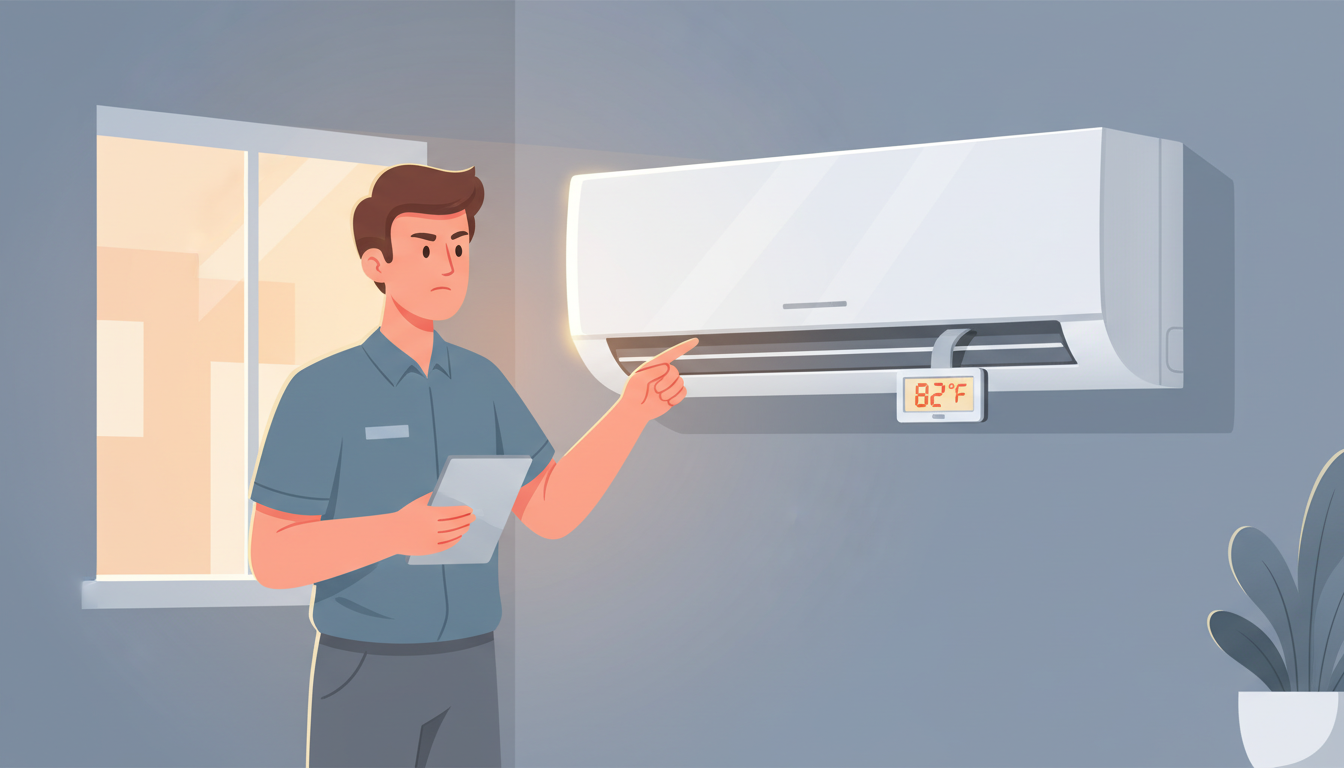
Why Is Your Central AC Blowing Warm Air? 10 Common Causes & Solutions
Nothing's worse than cranking up your air conditioner on a scorching day only to feel warm air blowing through your vents. If your central ac is blowing warm air instead of the refreshing cool breeze you expect, don't panic. This frustrating problem is more common than you think, and in many cases, you can identify the culprit yourself.
In this comprehensive guide, we'll walk you through the 10 most common causes of warm air from a central AC system and show you exactly what to do about each one. Whether it's a simple thermostat setting or a more serious refrigerant leak, you'll know what steps to take next.
Understanding How Your AC System Works
Before we dive into troubleshooting, it helps to understand the basics of how your central air conditioner creates cool air.
Your AC system has two main components: an indoor unit (air handler) and an outdoor unit (condenser). The system uses refrigerant to absorb heat from inside your home and release it outside. The process involves several key parts working together:
- Evaporator coils inside absorb heat from your home's air
- Refrigerant circulates between indoor and outdoor units
- Compressor pressurizes the refrigerant to move heat
- Condenser coils outside release the heat into the air
- Air handler and blower distribute cooled air through your ducts
When any part of this system fails or gets disrupted, you'll end up with an ac blowing hot air instead of cold.
10 Common Causes of Central AC Blowing Warm Air
Let's explore the most frequent reasons your air conditioner is blowing warm air and what you can do about each problem.
1. Incorrect Thermostat Settings
Before you assume the worst, check your thermostat first. This is the most common reason for warm air, and it's also the easiest to fix.
The Problem: Your thermostat might be set to "ON" instead of "AUTO" for the fan setting. When set to ON, the fan runs continuously—even when the AC isn't actively cooling. This means you'll feel room-temperature air blowing through vents between cooling cycles.
Another issue? Your thermostat might be set to "HEAT" instead of "COOL," or the temperature setting might be higher than your current room temperature.
The Solution: Switch your fan setting to AUTO and make sure the system is set to COOL mode. Set your desired temperature at least 5 degrees lower than the current room temperature and wait a few minutes.
2. Dirty or Clogged Air Filters
Air filters are your HVAC system's first line of defense against dust, pollen, and debris. When they get clogged, airflow gets restricted.
The Problem: A clogged air filter restricts airflow over the evaporator coils, causing them to freeze up. When coils freeze, they can't absorb heat properly, and your system ends up blowing warm air. This is one of the most common maintenance issues homeowners face.
The Solution: Check your air filter every 30 days and replace it when it looks dirty or gray. During peak cooling season, you might need to change filters monthly. This simple maintenance task can prevent numerous HVAC problems and improve your system's efficiency by up to 15%.
For more detailed guidance on maintaining your system, check out our complete HVAC repair guide.
3. Low Refrigerant Levels or Refrigerant Leak
Refrigerant is the lifeblood of your cooling system. Without adequate refrigerant levels, your AC simply can't cool your home.
The Problem: If you're low on refrigerant, it almost always means you have a leak somewhere in the system. Refrigerant doesn't get "used up"—it circulates in a closed loop. Low levels indicate the refrigerant is escaping through a crack, loose connection, or corroded component.
Signs of low refrigerant include:
- Warm air from vents
- Ice buildup on refrigerant lines or evaporator coils
- Hissing or bubbling sounds near the AC unit
- Higher electric bills without increased cooling
The Solution: Refrigerant leaks require professional repair. An HVAC technician needs to locate the leak, fix it, then recharge your system with the correct amount of refrigerant. Never attempt to add refrigerant yourself—it requires specialized equipment and EPA certification.
If you're experiencing these symptoms, our central AC repair guide can help you understand what to expect from the repair process.
4. Frozen Evaporator Coils
Frozen evaporator coils are a surprisingly common problem that can completely stop your AC from cooling.
The Problem: When evaporator coils freeze, they develop a layer of ice that prevents proper heat absorption. Instead of pulling heat from your home's air, the frozen coils just blow warm air through your vents.
Coils freeze for several reasons:
- Restricted airflow from dirty filters
- Low refrigerant levels
- Dirty evaporator coils
- Running the AC when outdoor temps are below 60°F
- Blocked or closed supply vents
The Solution: Turn off your AC and let the coils thaw completely—this usually takes 24 hours. While you're waiting, replace your air filter and make sure all supply vents are open. If the problem returns after the coils thaw, you'll need a professional to diagnose the underlying cause.
5. Dirty or Blocked Outdoor Condenser Unit
Your outdoor unit (condenser) does the heavy lifting of releasing heat from your home into the outside air. When it gets dirty or blocked, the whole system suffers.
The Problem: Condenser coils covered in dirt, grass clippings, leaves, or other debris can't release heat effectively. This causes your system to work harder while providing less cooling. Eventually, you'll notice ac blowing warm air because the heat exchange process breaks down.
Additionally, vegetation, fencing, or other objects placed too close to your outdoor unit restrict airflow and reduce efficiency.
The Solution: Clear debris from around your outdoor unit, maintaining at least 2 feet of clearance on all sides. Gently spray down the condenser coils with a garden hose to remove surface dirt (never use a pressure washer, as it can damage the delicate fins). For deeper cleaning, schedule professional maintenance.
6. Compressor Malfunction
The compressor is the heart of your AC system, pressurizing refrigerant and pumping it through the entire cooling cycle.
The Problem: When your compressor fails or malfunctions, refrigerant can't circulate properly. This means no cooling happens, even though your air handler fan continues blowing air through your vents—resulting in warm air throughout your home.
Compressor problems can stem from:
- Electrical failures
- Overheating due to dirty coils
- Lack of lubrication
- Age and normal wear (compressors typically last 10-15 years)
- Refrigerant issues
The Solution: Compressor issues almost always require professional diagnosis and repair. In some cases, the compressor can be replaced, but if your system is older than 10 years, replacing the entire outdoor unit or full system might be more cost-effective.
7. Electrical Problems or Tripped Breakers
Your AC system relies on several electrical components to function. When electrical issues occur, parts of your system may stop working while others continue running.
The Problem: A common scenario is when your indoor air handler keeps running but the outdoor condenser unit loses power. You'll hear the fan blowing, but there's no cooling happening because the outdoor unit isn't running. This creates the illusion that your central ac is not cooling but fan is running.
Electrical issues include:
- Tripped circuit breakers
- Blown fuses
- Faulty wiring or connections
- Failed capacitors or contactors
The Solution: Check your electrical panel for tripped breakers—AC units typically have two breakers, one for the indoor unit and one for the outdoor unit. Reset any tripped breakers. If breakers trip repeatedly, don't keep resetting them—this indicates a serious electrical problem that needs immediate professional attention.
8. Faulty or Failed Capacitors
Capacitors provide the electrical boost needed to start your AC's motors. When they fail, motors can't start or run properly.
The Problem: Your AC system has multiple capacitors—start capacitors and run capacitors—that help the compressor and fan motors operate. When a capacitor fails, you might hear clicking sounds, the outdoor unit might not start, or the compressor might struggle to run. The result is often warm air because the cooling cycle can't complete.
Common signs of capacitor failure:
- Outdoor unit won't start but indoor fan runs
- Humming sound from outdoor unit without it starting
- Air conditioner takes a long time to start
- System randomly shuts off
The Solution: Capacitor replacement is a relatively inexpensive repair but must be done by a professional. Capacitors store electrical charges that can be dangerous even when the power is off. A technician can test and replace failed capacitors quickly, usually during a single service call.
9. Ductwork Problems
Your ductwork is the highway that delivers cool air throughout your home. Problems in your ducts can sabotage even a perfectly functioning AC system.
The Problem: Ductwork issues that cause warm air include:
- Leaky ducts: Holes, gaps, or disconnected sections let cool air escape into unconditioned spaces like attics or crawl spaces
- Poor insulation: Ducts running through hot areas warm up cool air before it reaches your living spaces
- Crushed or blocked ducts: Damage or obstructions restrict airflow
- Improperly sized ducts: Ducts too small for your system reduce cooling effectiveness
According to ENERGY STAR, the typical home loses 20-30% of cooled air through duct leaks and poor connections.
The Solution: Inspect accessible ductwork in your attic, basement, or crawl space for obvious damage or disconnections. Seal small leaks with mastic sealant (not duct tape, despite the name). For comprehensive duct evaluation and repair, hire an HVAC professional who can perform a duct leakage test.
10. Failed Outdoor Fan Motor
The fan in your outdoor unit pulls air through the condenser coils to release heat. When this fan stops working, heat exchange grinds to a halt.
The Problem: If the outdoor fan motor fails, the compressor might still run, but heat can't escape from the condenser coils. This causes the system to overheat and shut down on safety limits, or continue running inefficiently while blowing warm air into your home.
Signs your outdoor fan motor has failed:
- Outdoor unit is running but fan blades aren't spinning
- Loud squealing or grinding noises before failure
- Outdoor unit frequently cycles on and off
- Condenser unit is unusually hot to the touch
The Solution: Fan motor replacement requires a professional HVAC technician. The repair involves electrical work and refrigerant system knowledge. Attempting DIY repairs on outdoor units can be dangerous and may void warranties.
DIY Troubleshooting Checklist
Before calling a professional, work through this quick troubleshooting checklist. You might solve the problem yourself and save the service call fee.
Step 1: Check Your Thermostat
- Verify it's set to COOL mode
- Ensure fan is set to AUTO (not ON)
- Lower temperature setting 5 degrees below current room temp
- Replace batteries if display looks dim
Step 2: Inspect Your Air Filter
- Remove and examine the filter
- Replace if dirty, gray, or visibly clogged
- Note the filter size for future replacements
Step 3: Check Circuit Breakers
- Locate your electrical panel
- Look for tripped breakers (handle in middle position)
- Reset any tripped breakers for AC units
- Call a professional if breakers trip again immediately
Step 4: Examine Your Outdoor Unit
- Clear debris from around the unit
- Look for ice buildup on refrigerant lines
- Listen for unusual noises (grinding, squealing, clicking)
- Verify the fan is spinning when unit is running
Step 5: Inspect Indoor Vents
- Ensure supply vents throughout home are open
- Check that furniture or curtains aren't blocking vents
- Verify air is flowing from vents (even if warm)
Step 6: Look for Ice on Indoor Unit
- Check accessible refrigerant lines for frost or ice
- Look at evaporator coil area for ice buildup
- If ice is present, turn off system and let thaw for 24 hours
If you've worked through this checklist and your ac is running but not cooling, it's time to call a professional. Our guide on AC running but not cooling - likely causes provides additional diagnostic insights.
When to Call a Professional HVAC Technician
Some AC problems are perfect for DIY troubleshooting, while others require professional expertise, specialized tools, and safety equipment.
Call a professional when:
- You've tried basic troubleshooting without success
- You notice refrigerant leaks (hissing sounds, ice buildup)
- Electrical components need testing or replacement
- The compressor isn't running
- You smell burning or unusual odors from your AC
- Your system is more than 10 years old and having frequent problems
- Circuit breakers repeatedly trip when AC runs
- You hear loud grinding, squealing, or metal-on-metal sounds
Don't wait to call if:
- You see or smell smoke from your AC unit
- Water is leaking significantly from indoor unit
- The outdoor unit won't turn on at all despite troubleshooting
Professional HVAC technicians have specialized diagnostic equipment, refrigerant handling certification, and electrical expertise to safely repair complex issues. Attempting repairs beyond your skill level can damage your system, void warranties, or create safety hazards.
Preventive Maintenance to Avoid Future Problems
An ounce of prevention is worth a pound of cure—especially with AC systems. Regular maintenance prevents most causes of warm air and extends your system's lifespan.
Monthly Tasks:
- Check and replace air filters as needed
- Clear debris from around outdoor unit
- Verify thermostat is working correctly
Seasonal Tasks (Spring):
- Schedule professional tune-up before cooling season
- Clean or replace air filters
- Test your AC on a warm day before you need it desperately
- Inspect ductwork for visible damage
- Check insulation on refrigerant lines
Annual Professional Maintenance Includes:
- Cleaning evaporator and condenser coils
- Checking refrigerant levels and pressures
- Testing electrical components and connections
- Lubricating moving parts
- Calibrating thermostat
- Inspecting ductwork connections
- Verifying proper airflow and temperature differential
Annual maintenance costs $75-$200 but prevents repairs costing hundreds or thousands of dollars. Many HVAC companies offer maintenance plans that include priority service, discounts on repairs, and scheduled tune-ups.
Cost Expectations for Common Repairs
Understanding typical repair costs helps you budget and avoid being caught off guard by service bills.
Common AC Warm Air Repairs:
- Thermostat replacement: $100-$300
- Air filter replacement (DIY): $15-$50
- Capacitor replacement: $150-$400
- Refrigerant recharge (no leak): $200-$500
- Refrigerant leak repair: $200-$1,500 (depends on location and severity)
- Fan motor replacement: $300-$700
- Compressor replacement: $1,300-$2,500
- Evaporator coil replacement: $600-$2,000
- Full AC unit replacement: $3,500-$7,500
These are general ranges. Actual costs vary by region, system type, and repair complexity. Always get multiple quotes for major repairs and ask about warranties on parts and labor.
Repair vs. Replace: Making the Right Decision
When your AC has major problems, you face a tough choice: repair or replace? Use these guidelines to decide.
Consider repair when:
- Your system is less than 8 years old
- Repair costs less than 50% of replacement cost
- Only one component needs fixing
- The system has been reliable with minimal previous repairs
- Energy efficiency isn't a major concern
Consider replacement when:
- Your system is 12+ years old
- Repairs cost more than 50% of new system
- You've had multiple repairs in recent years
- Your energy bills have increased significantly
- The system uses R-22 refrigerant (being phased out)
- Major components like compressor or condenser have failed
The "5,000 Rule" can help: multiply the age of your system by the repair cost. If the result exceeds $5,000, replacement usually makes more sense. For example, a 10-year-old system needing a $600 repair equals 6,000—suggesting replacement might be better long-term.
Understanding Emergency vs. Non-Emergency Situations
Not every AC problem requires emergency service, but knowing the difference can save you money and stress.
Emergency Situations (Call Immediately):
- Smoke or burning smell from AC unit
- Electrical sparking or buzzing sounds
- Complete system failure during extreme heat with vulnerable individuals present
- Major water leaks damaging your home
- Refrigerant leak in living spaces (chemical smell)
Non-Emergency Situations (Schedule Next-Day Service):
- AC blowing warm air but still moving air
- System running constantly but not cooling effectively
- Unusual sounds that aren't getting worse
- Higher energy bills without other symptoms
- Reduced airflow from some vents
For non-emergency situations, you can often save money by scheduling regular service calls rather than paying premium rates for after-hours emergency service.
Frequently Asked Questions
Why is my AC blowing warm air but set to cool?
If your thermostat is set to cool but you're getting warm air, the most likely causes are a dirty air filter restricting airflow, low refrigerant levels from a leak, or your outdoor unit not running due to electrical problems. Start by checking your air filter and circuit breakers, then observe whether your outdoor unit is running when the system is on.
Can I fix my AC blowing warm air myself?
You can fix some causes yourself—like changing the thermostat setting, replacing a dirty air filter, resetting tripped breakers, or clearing debris from the outdoor unit. However, refrigerant leaks, electrical issues, compressor problems, and frozen coils require professional diagnosis and repair. If basic troubleshooting doesn't solve the problem within an hour, call a professional.
How long does it take to fix an AC blowing warm air?
Simple fixes like changing filters or resetting thermostats take minutes. Professional repairs vary: capacitor replacement takes 1-2 hours, refrigerant leak repairs take 2-4 hours, and compressor replacement can take 4-8 hours. If frozen coils are the issue, you'll need to wait 24 hours for them to thaw before the technician can determine if additional repairs are needed.
Why does my AC blow cold air sometimes and warm air other times?
Intermittent warm air often indicates low refrigerant levels, a compressor starting to fail, or electrical issues causing the outdoor unit to cycle on and off. The system may cool initially when refrigerant pressure is adequate, then blow warm air as pressure drops. This symptom almost always requires professional diagnosis, as it indicates an underlying problem that will worsen over time.
How much does it cost to fix an AC blowing warm air?
Repair costs range dramatically based on the cause. Simple fixes like thermostats or filters cost $15-$300. Mid-range repairs like capacitors or minor refrigerant leaks cost $150-$700. Major repairs like compressor replacement cost $1,300-$2,500. A professional diagnostic visit typically costs $75-$150, which helps identify the exact problem before you commit to repairs.
Take Action: Get Your Cool Air Back
Dealing with central ac blowing warm air is frustrating, but now you understand the common causes and solutions. Start with the simple troubleshooting steps in this guide—checking your thermostat, replacing your filter, and verifying your outdoor unit is running.
If basic troubleshooting doesn't restore cool air within an hour, don't suffer through the heat. Contact a qualified HVAC technician who can diagnose and repair the problem quickly. The sooner you address warm air issues, the less likely you are to face system damage or complete failure during the hottest days of summer.
Remember, regular maintenance prevents most AC problems before they start. Schedule annual tune-ups, change filters monthly, and keep your outdoor unit clear of debris. These simple steps will keep your central air conditioning system running efficiently for years to come.
Don't let warm air from your AC ruin your comfort. Take action today to diagnose the problem and restore the cool, refreshing air your home deserves.